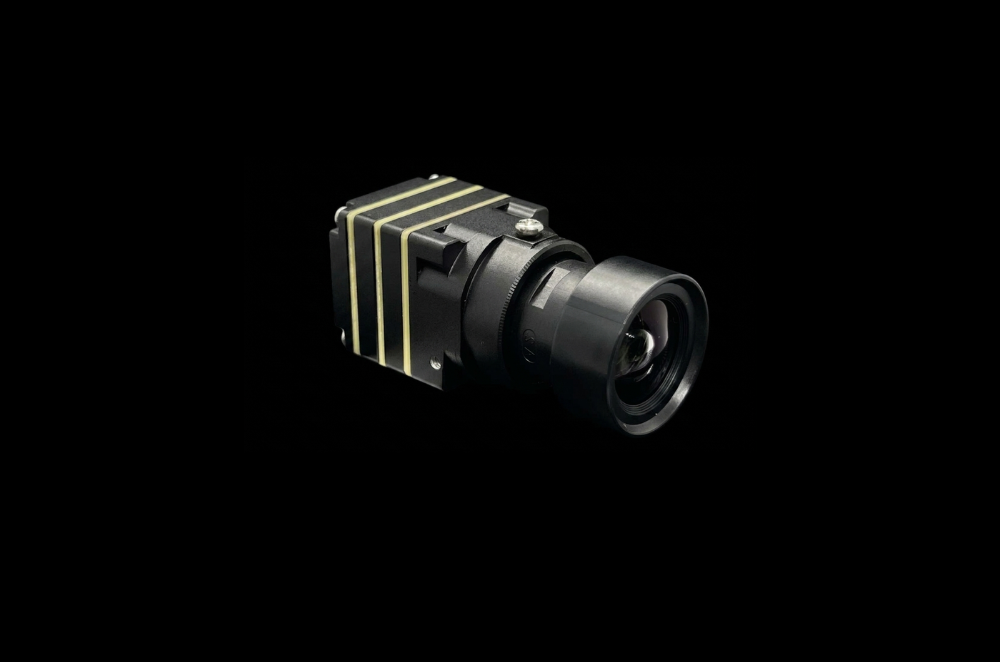
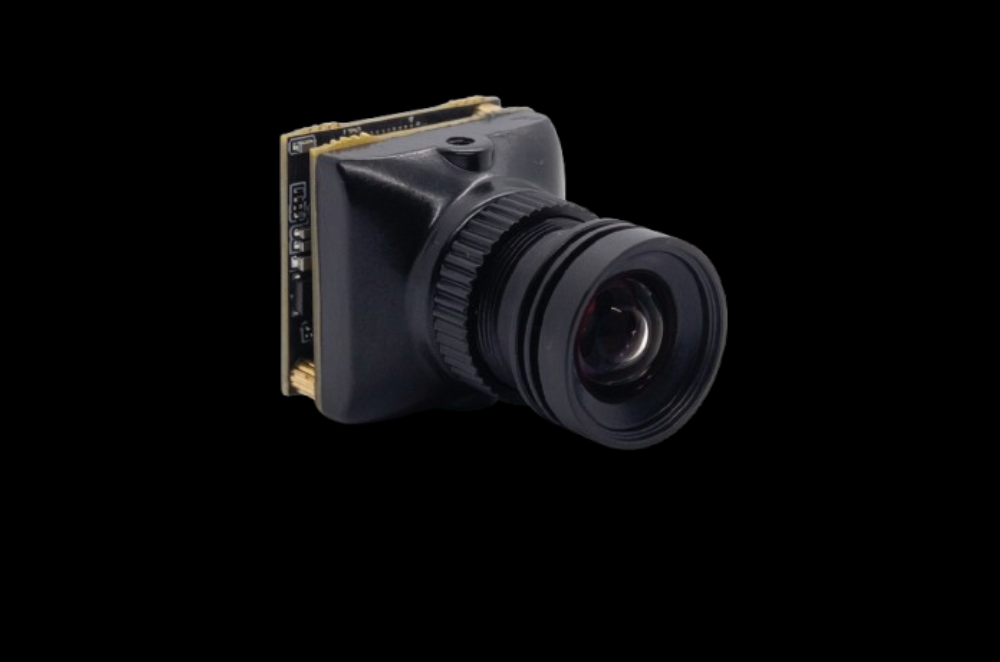
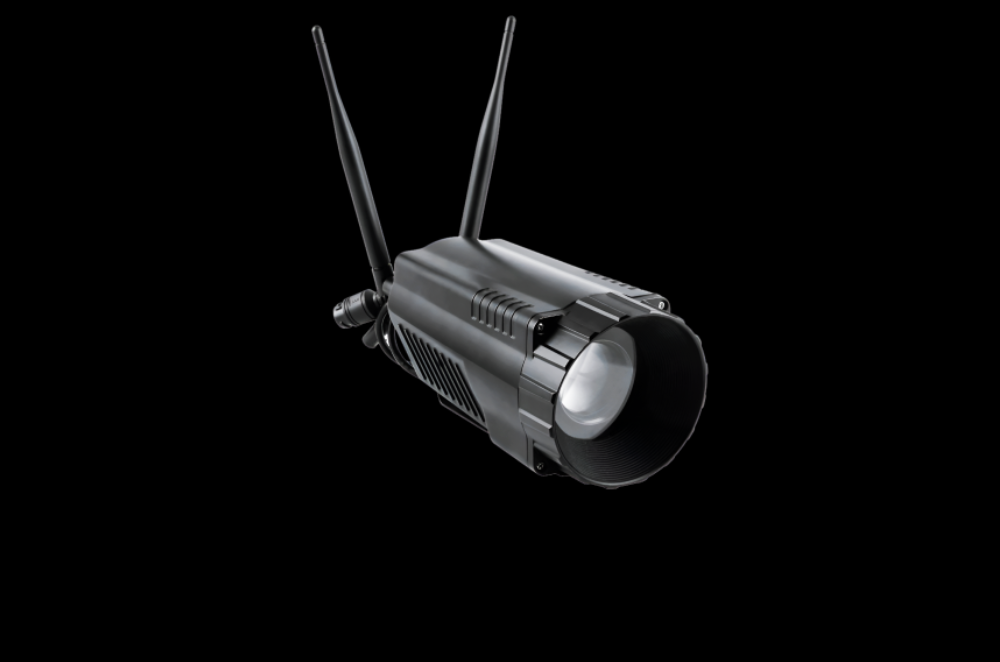
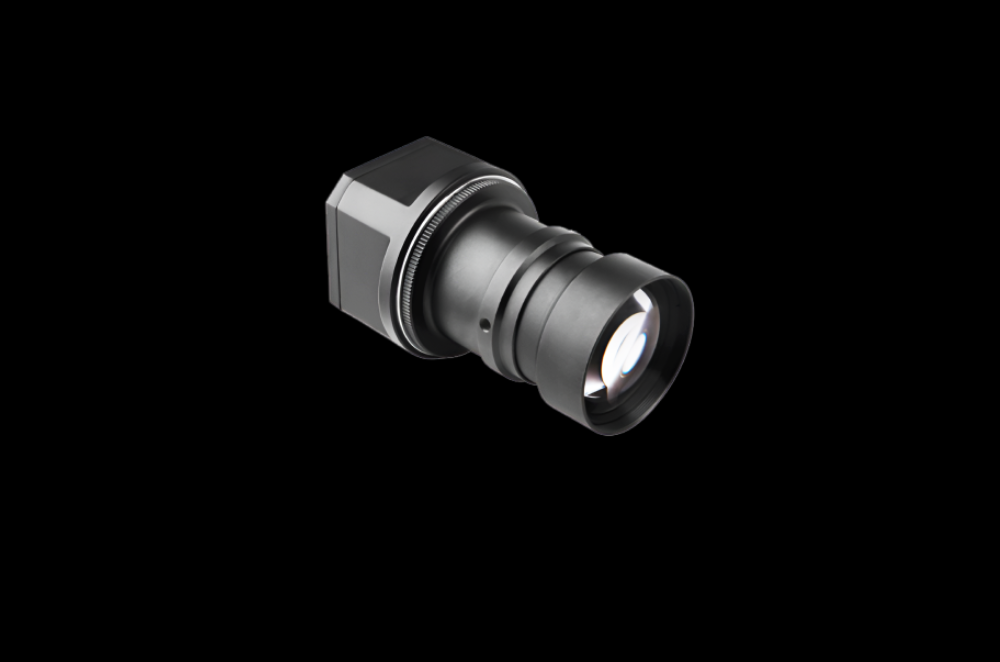
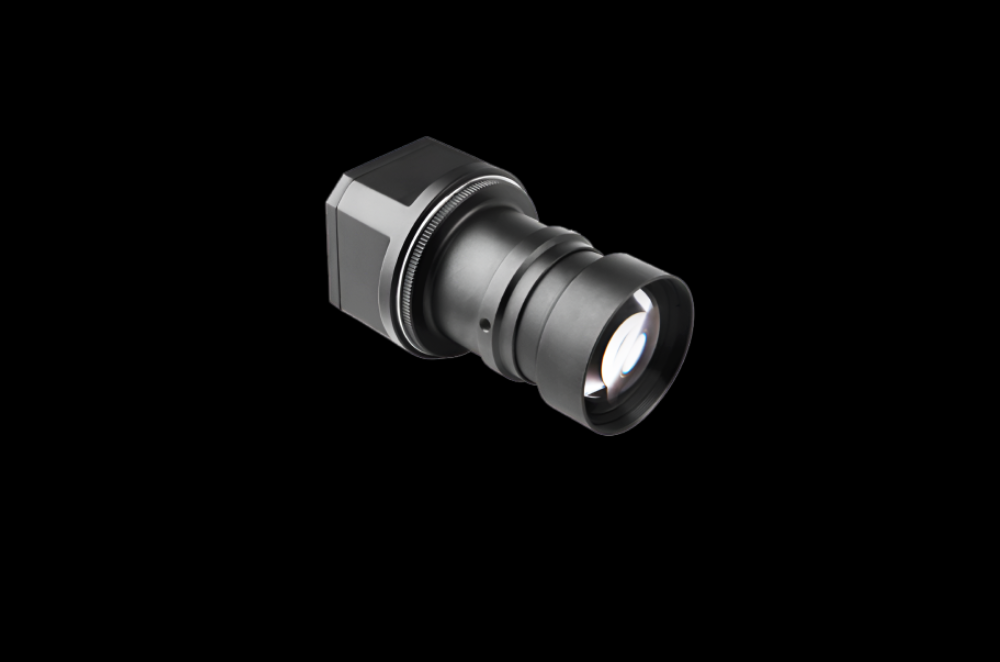
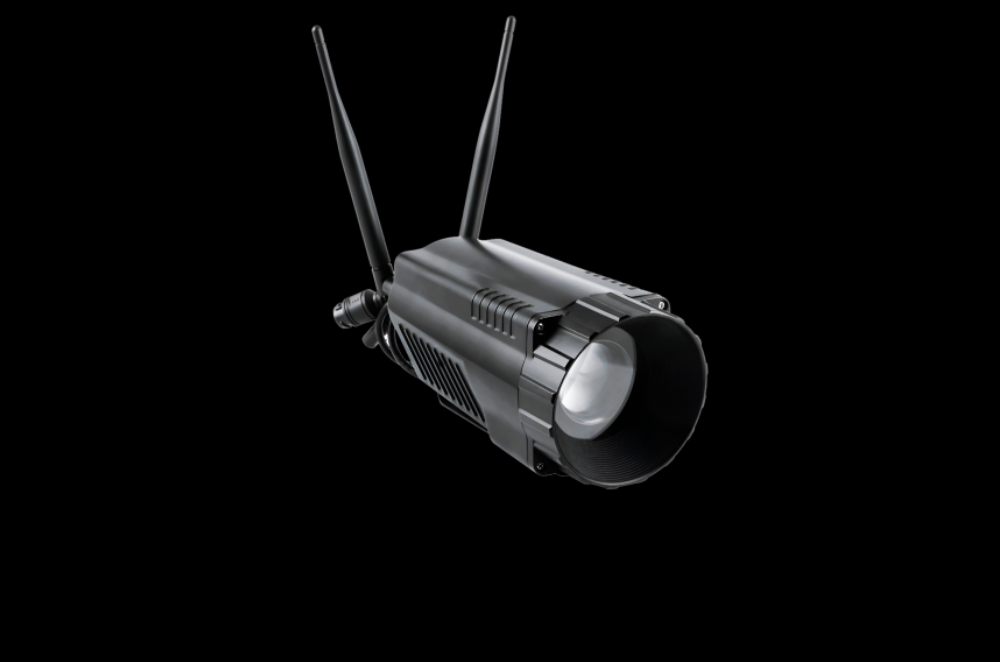
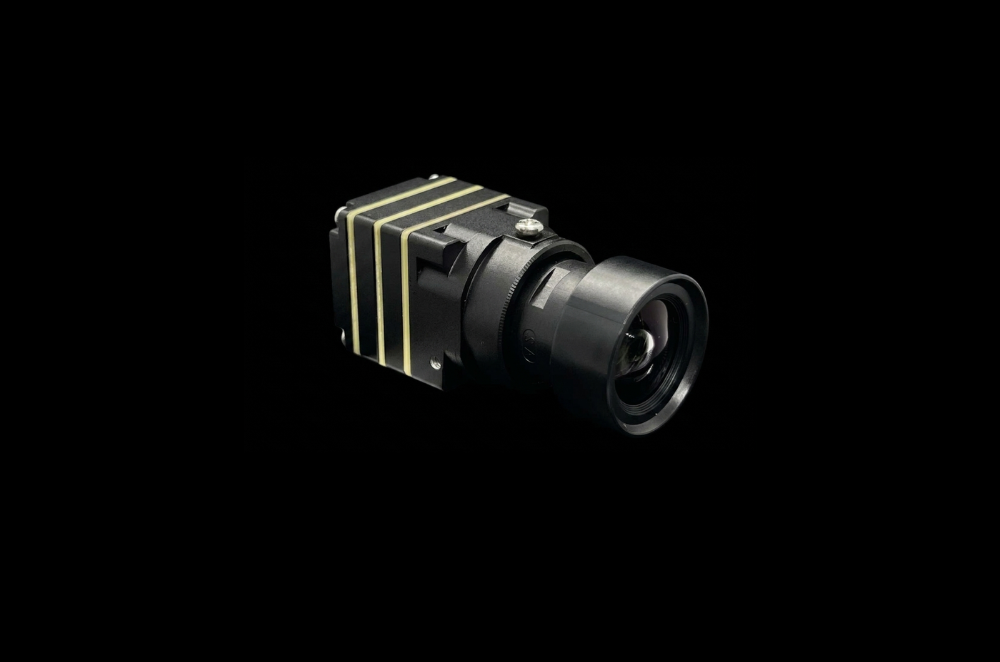
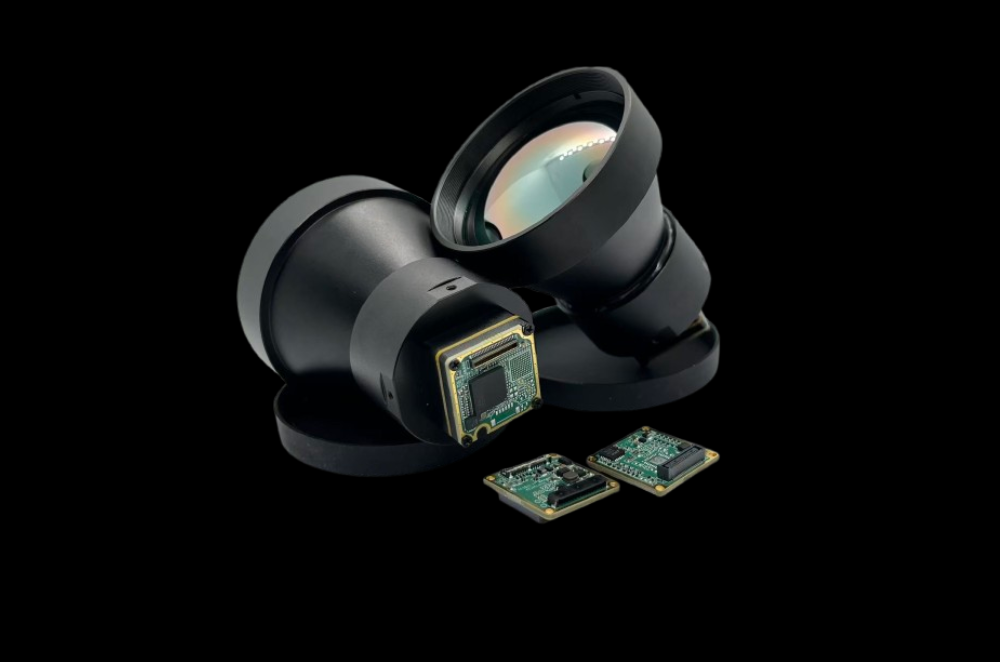
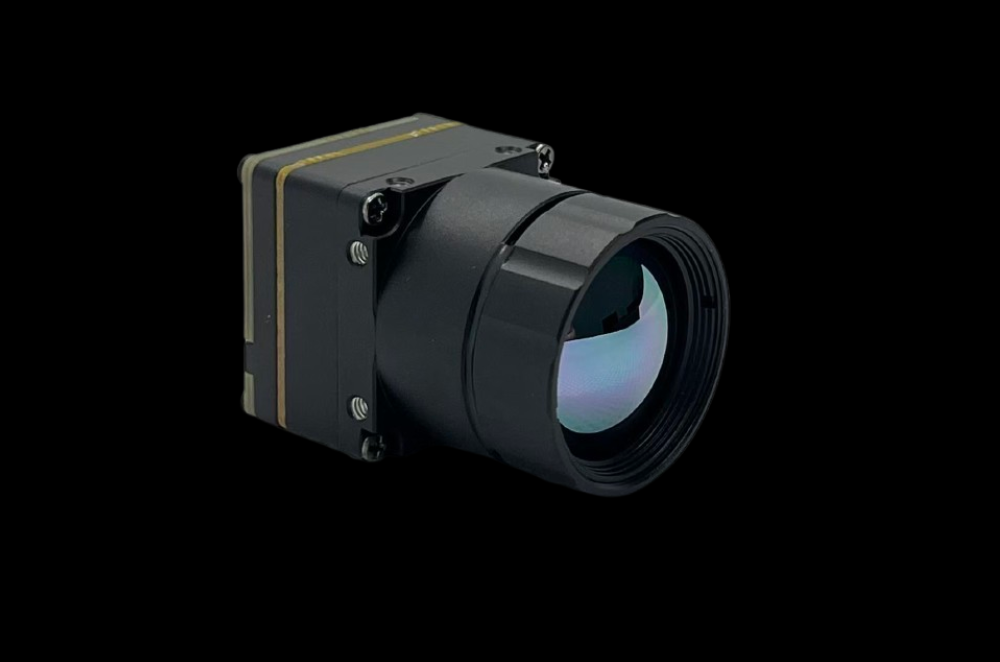
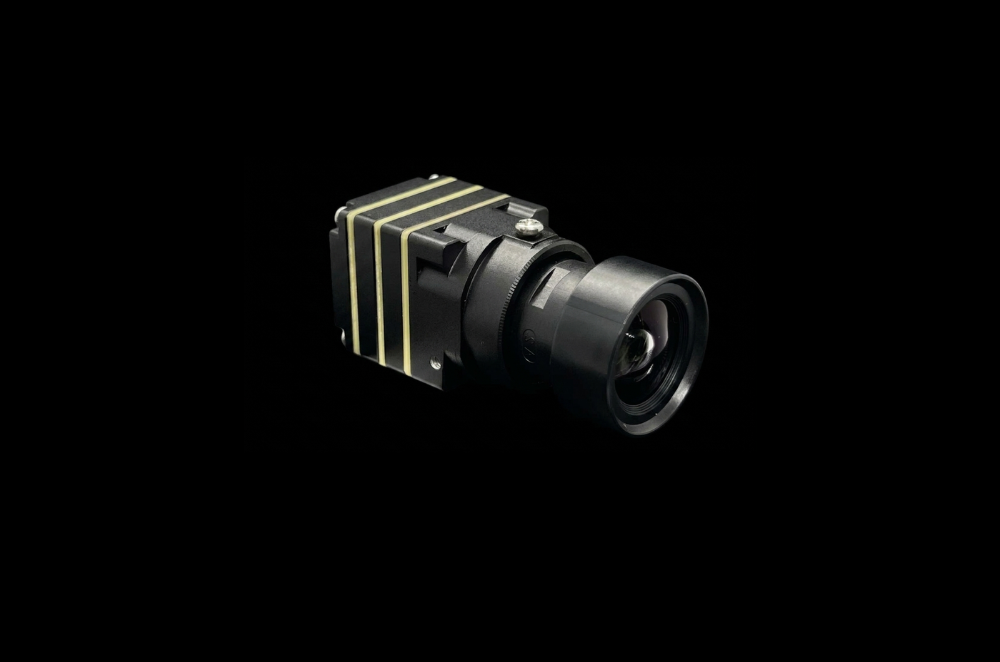
The XTC2640T delivers 640×512 LWIR imaging with 2270 m person detection and ≤50 mK NETD for fixed ground perimeter surveillance, observation post coverage, and multi-sensor border security architectures.
Ground-based surveillance and reconnaissance programmes that have operated uncooled thermal cameras in the 320 × 240 resolution class are encountering a growing analytical capability gap as the target intelligence requirements placed on their imagery have expanded. Lower-resolution thermal sensors provide reliable detection but increasingly fall short of the recognition and identification ranges required by current programme tasking, pushing programme offices toward higher-resolution thermal cores without the cost and maintenance overhead of cooled MWIR alternatives. The 640 × 512 uncooled thermal class has emerged as the resolution band where detection, recognition, and identification ranges align with operational requirements across the majority of ground surveillance programme types.
Professional-Grade 640 × 512 Thermal Imaging for Ground Surveillance
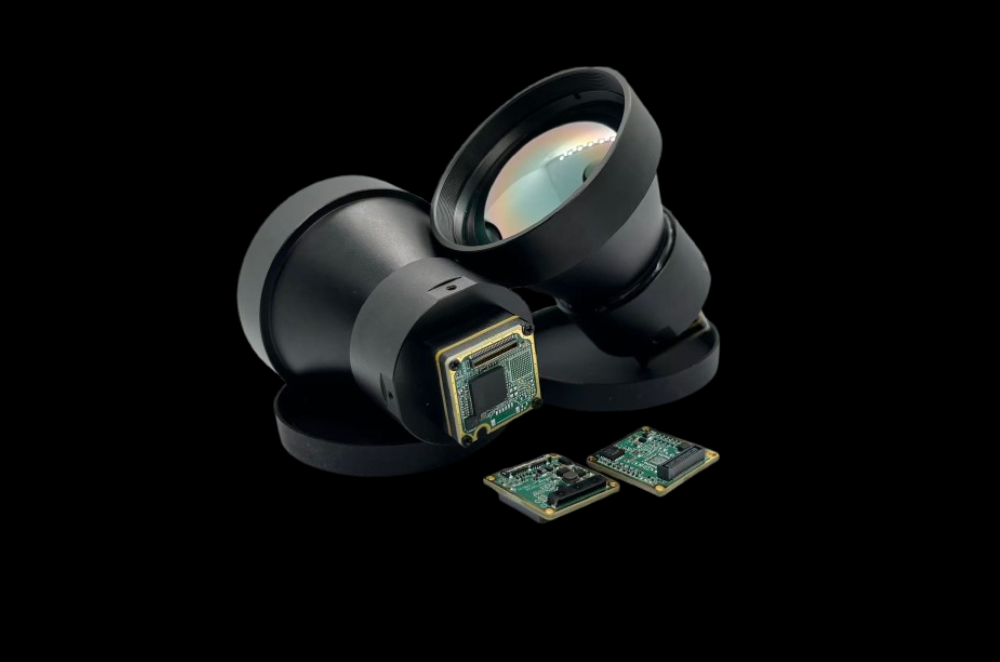
The XTC2640T addresses that requirement as a professional-grade uncooled thermal camera with a 640 × 512 LWIR sensor paired with a 25 mm lens, delivering person detection to 2270 m and vehicle detection to 6500 m in a standalone ground surveillance configuration. The 25 mm focal length provides a 24° × 19° field of view suited to observation post and fixed-mount perimeter coverage where a moderate field angle balances scene coverage against target recognition resolution across the mid-range detection band. NETD performance at ≤ 50 mK ensures reliable thermal contrast against background clutter in the temperature-differential environments encountered across open terrain perimeter and border surveillance installations.
Fixed Perimeter and Forward Observation Post Applications
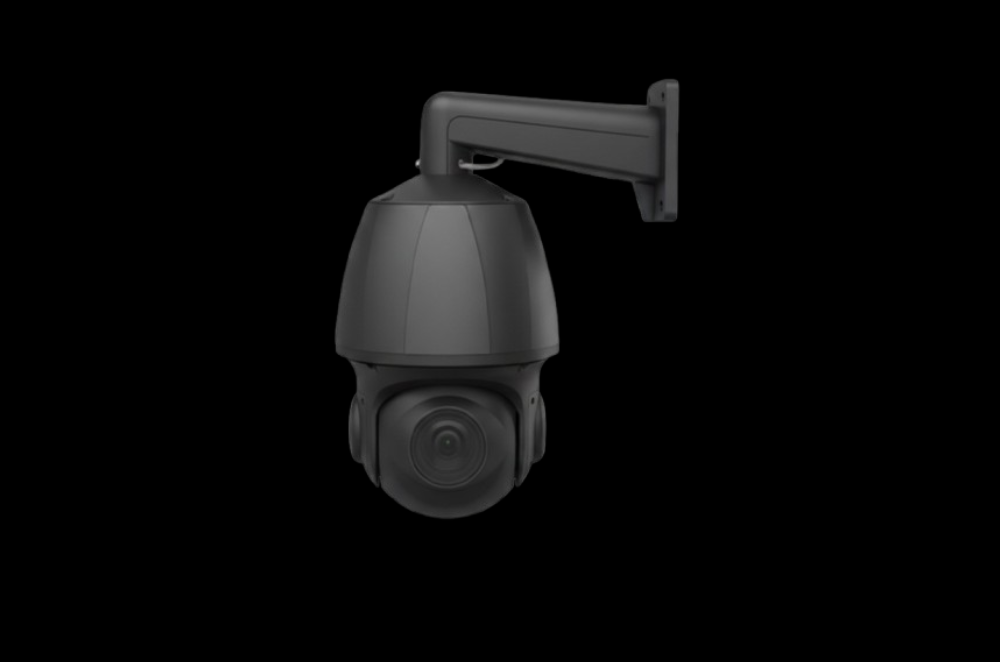
Observation posts covering open terrain approach routes require thermal sensors that can detect personnel under foliage canopy edges, in vehicle dead ground, and in temperature-equalised environments where background and target temperatures converge at dawn and dusk. The 640 × 512 array of the XTC2640T provides the pixel density to distinguish person-class heat signatures from background thermal noise at ranges approaching 2000 m even in marginal thermal contrast conditions, where 320 × 240 resolution sensors produce signatures too small for reliable classification. Standard video output and IP connectivity allow the XTC2640T to integrate into existing fixed surveillance network infrastructure without proprietary capture hardware, supporting rapid deployment at new observation post positions as perimeter coverage requirements expand.
Complementary Role in Multi-Sensor Perimeter Architectures
Perimeter security networks that pair thermal detection sensors with passive electro-optical recognition cameras use the thermal layer to provide all-weather detection independent of illumination conditions, cueing the EO layer for recognition-class imagery once a contact is identified at range. The XTC2640T fits the detection layer role in that architecture, providing 2270 m person detection in rain, dust, and smoke conditions where passive EO sensors lose effectiveness, while the higher-resolution EO sensor handles recognition once the thermal layer has established contact position. As programmes continue to expand ground-based thermal coverage across wider perimeter segments, the 640 × 512 professional class represents the cost-effective entry point into the resolution band where this layered detection architecture functions as intended.