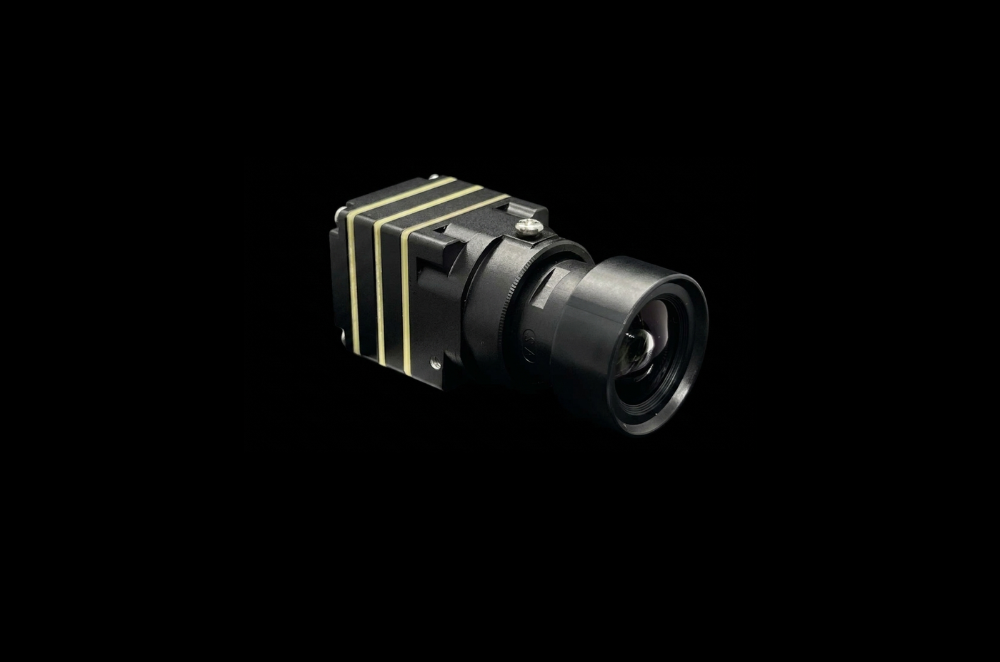
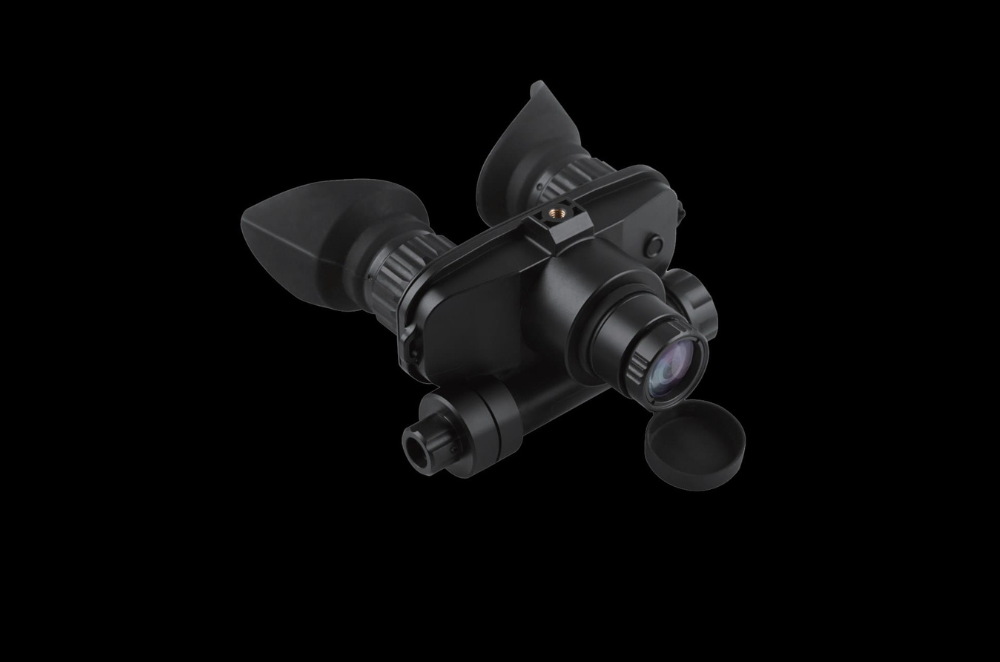
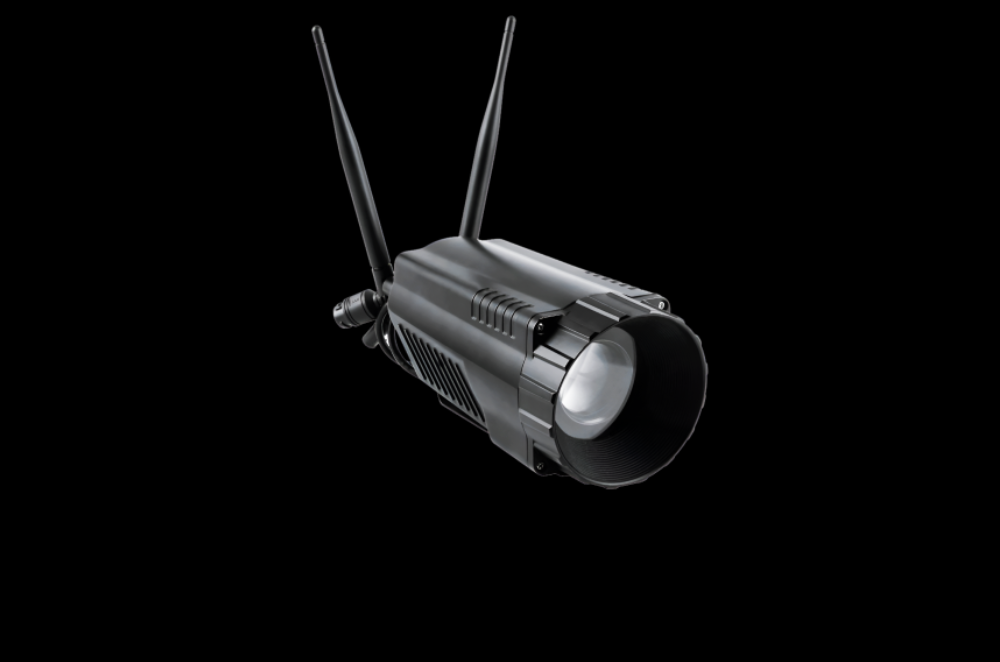
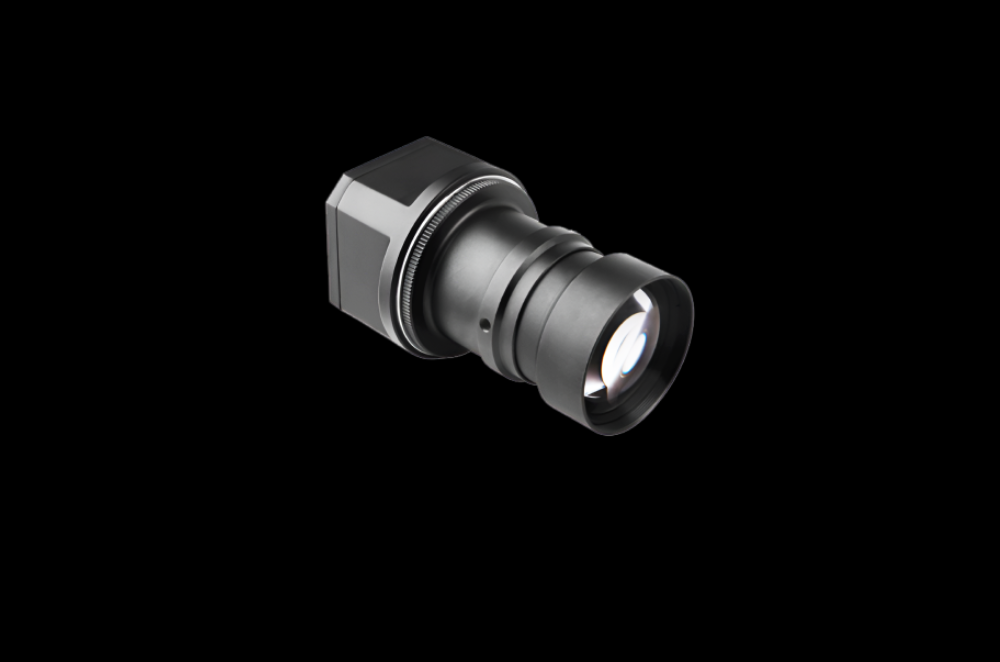
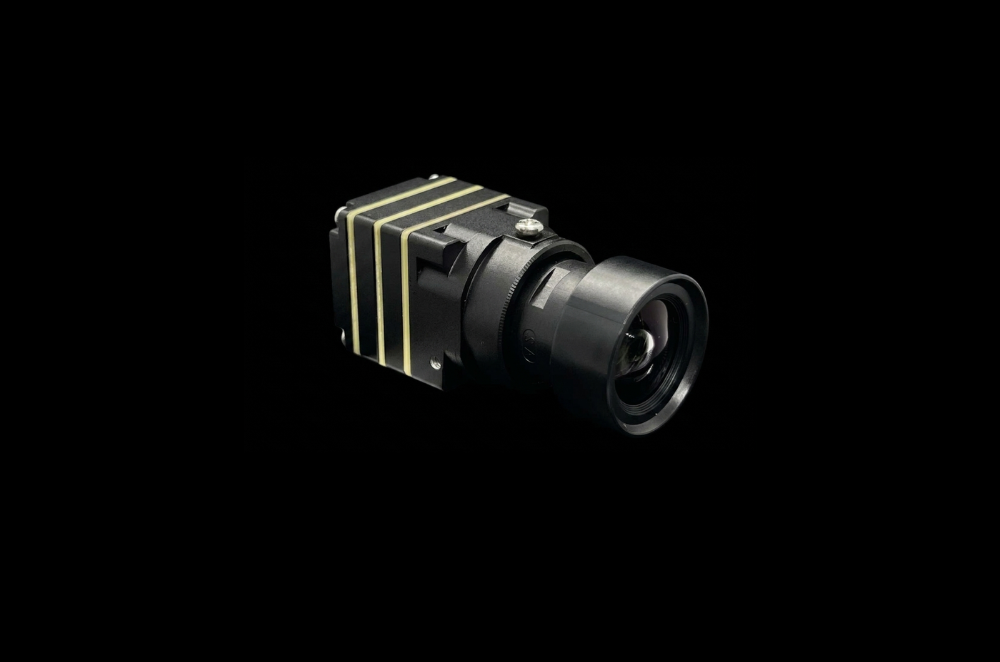
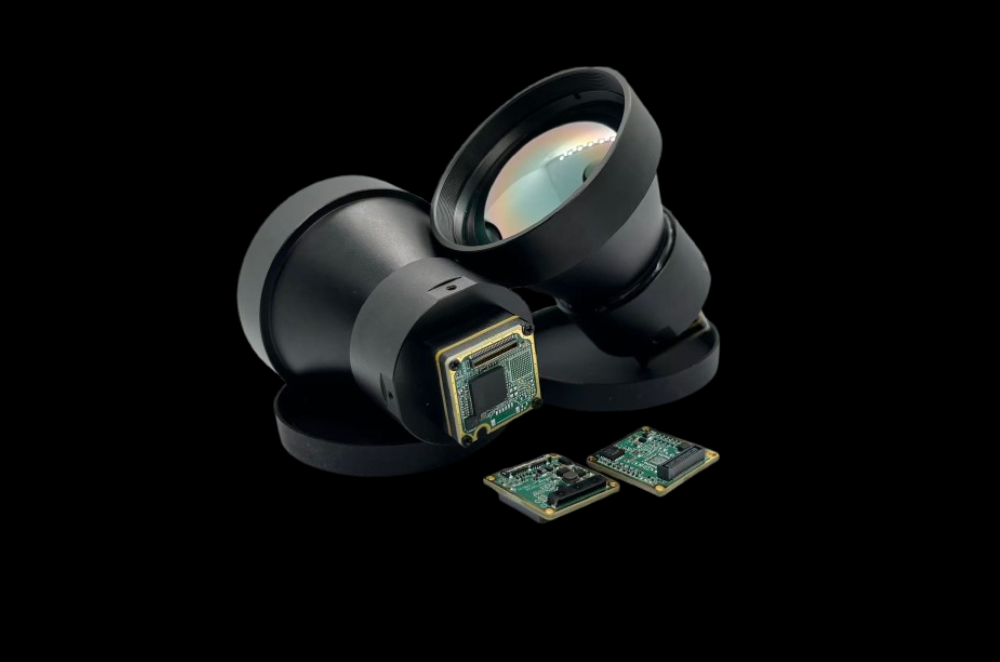
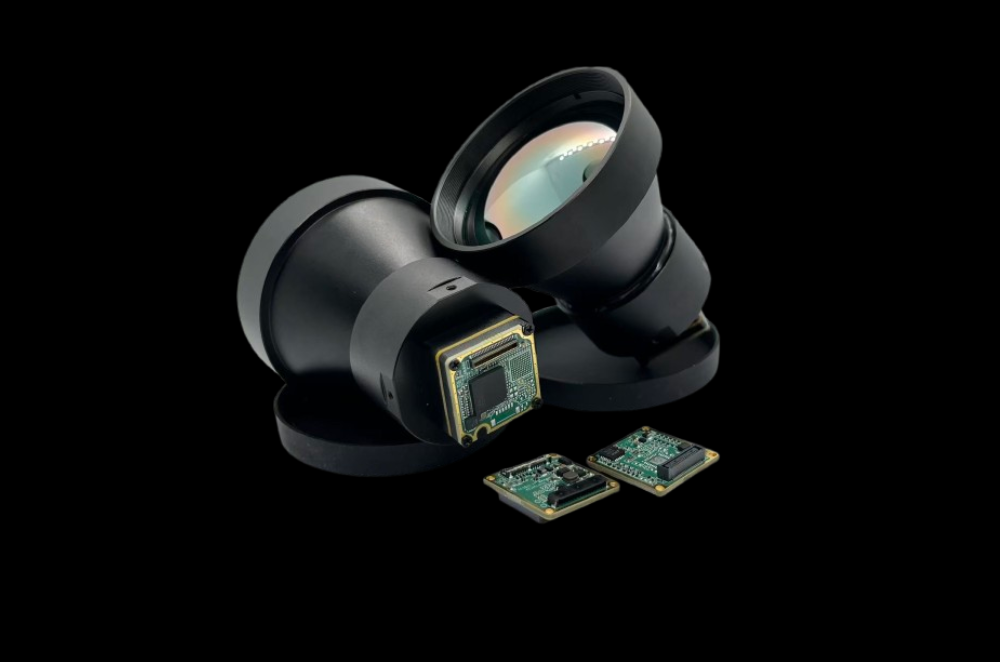
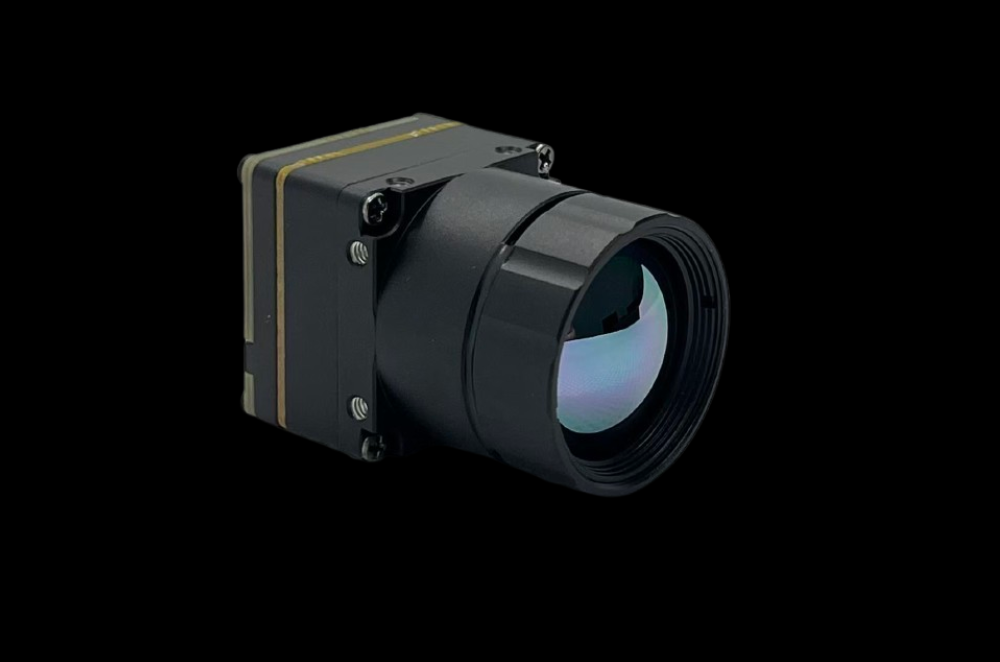
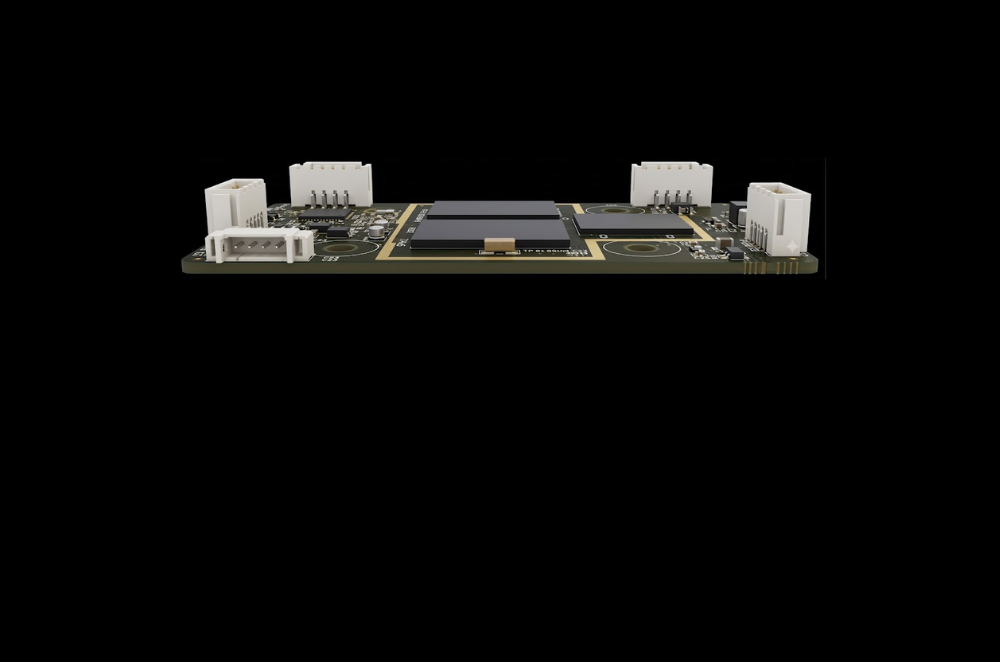
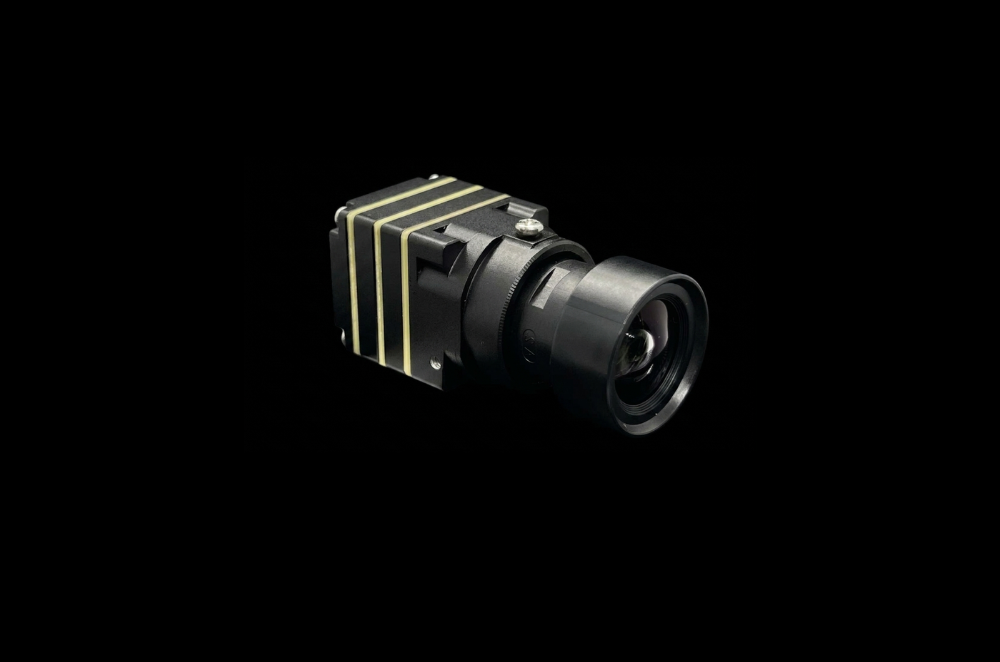
Technology

The Science Behind the Sensor

How we achieve 0.0001 Lux performance without image intensification.

0.0001
Lux - Min Illumination
120FPS
Full-Resolution Output
<1W
Min Power Draw
<40ms
Detection Latency
Performance Specifications

Core Sensor Parameters

Validated performance figures across the Nocturnal Dynamics Limited (Star-Navi) product range. All values measured under operational conditions per applicable MIL-STD test procedures.

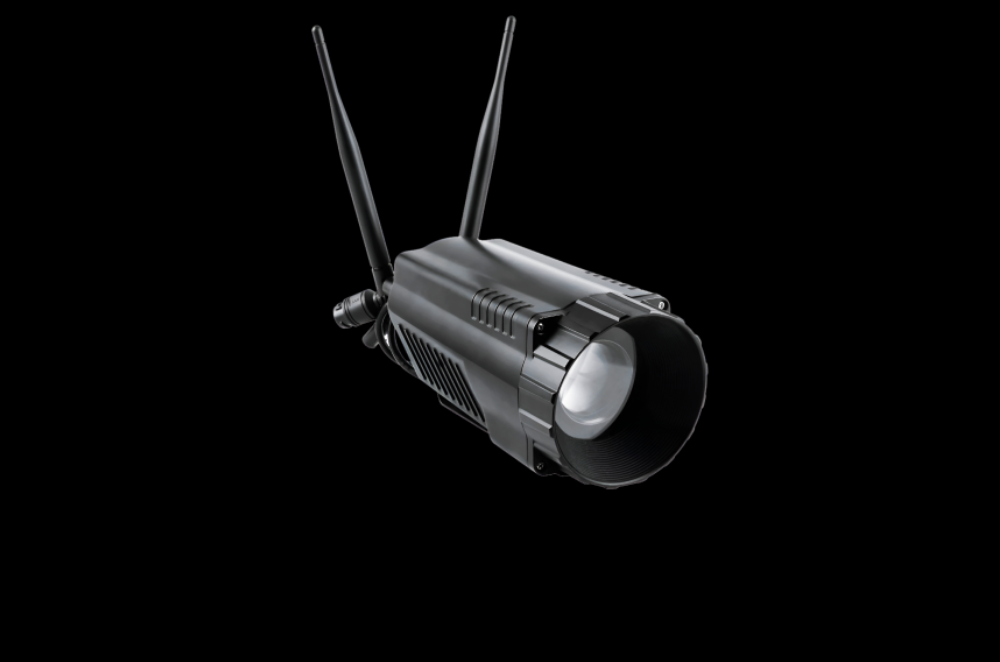
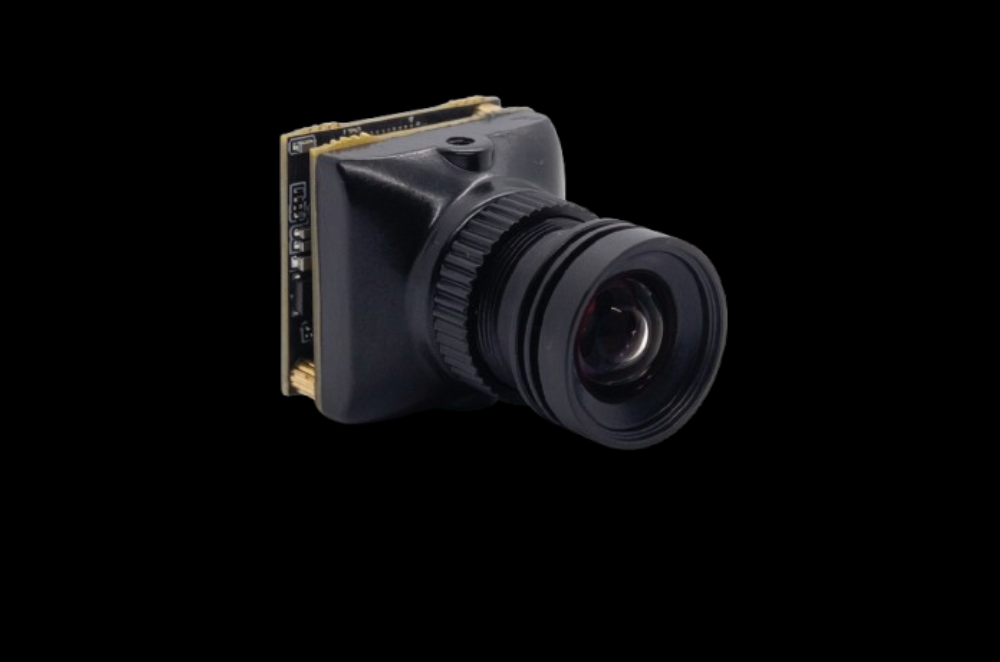
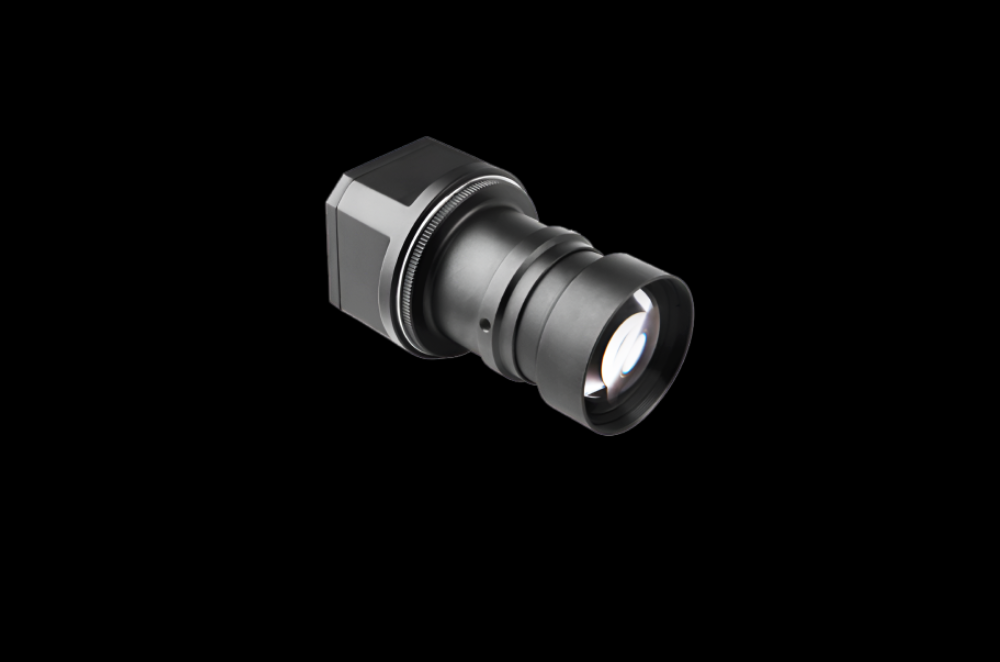
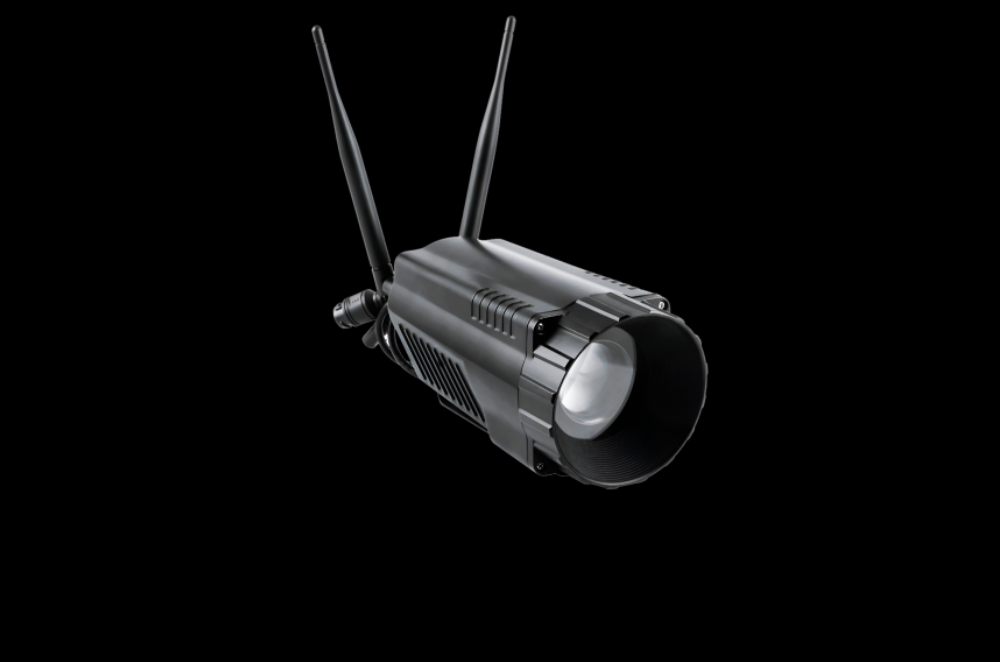
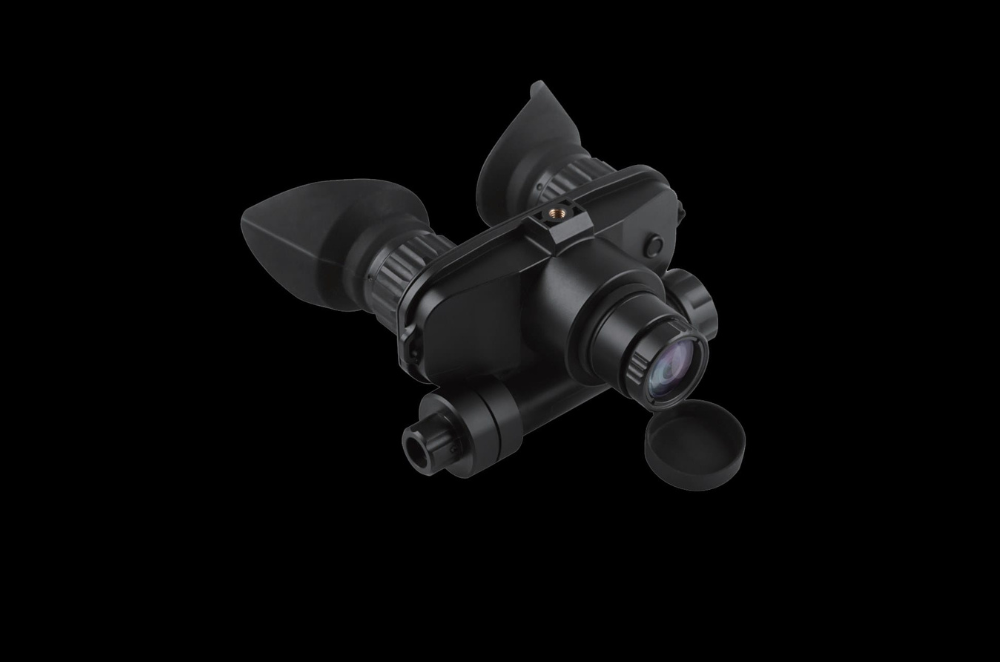
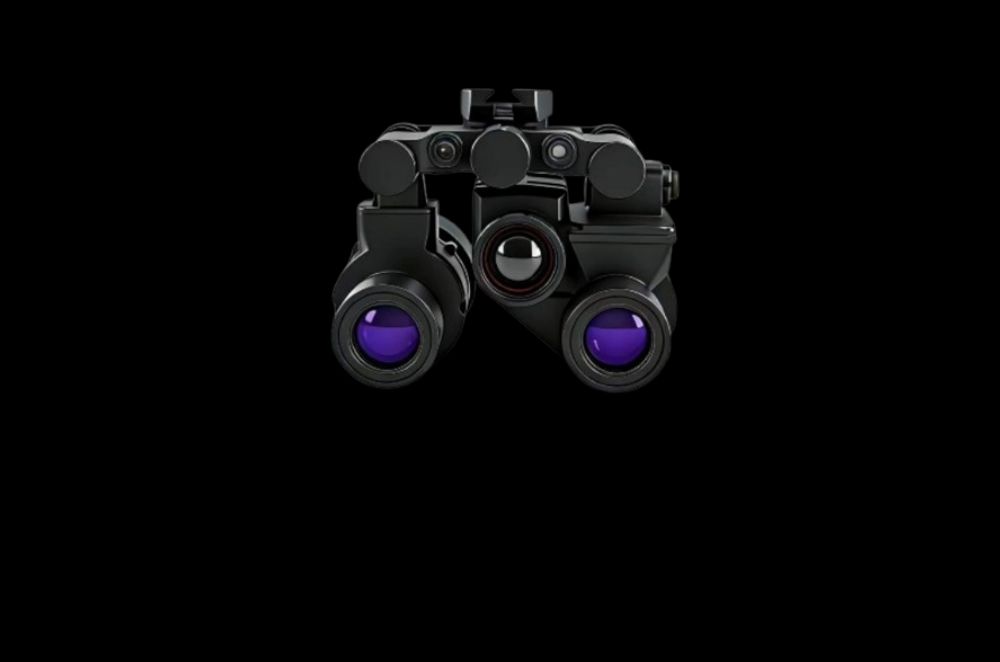
Core sensor performance specifications across Full-Frame Systems, Tactical Modules, and Embedded / OEM product classes for Nocturnal Dynamics Limited (Star-Navi) imaging systems.
Parameter Full-Frame Systems Tactical Modules Embedded / OEM
Minimum Illumination
Measured at scene level under starlight-only conditions
0.0001 Lux 0.0001 Lux 0.0005 Lux
Resolution
Maximum output at rated frame rate
4K (3840×2160) 1080p / 4K 1080p
Frame Rate
Full-resolution sustained frame rate
60 fps 60 fps 30 fps
Sensor Type
Available sensor configuration options
CMOS EO / EO+Thermal CMOS EO / EO+Thermal CMOS EO / Thermal
Power Consumption
Nominal range across operating modes
5–15 W 3–8 W 1.2–3 W
Detection Range
Against a standing human target under starlight
>300 m (human target) 50–200 m 50–150 m
Operating Temperature
Qualified operational range (storage wider)
−65°C to +50°C −55°C to +50°C −40°C to +60°C
Ingress Protection
IEC 60529 ingress protection rating
IP67 IP67 IP54–IP65
Shock Resistance
MIL-STD test method applied during qualification
MIL-STD-810 Method 516 MIL-STD-810 Method 516 MIL-STD-810G
Output Interfaces
Primary digital output interface options
HDMI, SDI, RTSP, ONVIF SDI, RTSP, Custom API MIPI CSI-2, USB3, RTSP

* All specifications subject to export licensing. Values represent nominal performance under standard operating conditions.

Architecture

Six Technology Pillars

The core engineering domains that define Nocturnal Dynamics Limited (Star-Navi) system performance across all product categories.

01 — Sensing

CMOS Sensor Design

Custom CMOS pixel architecture with back-side illumination and deep-depletion structures optimised for near-infrared photon capture. Signal-to-noise ratio maintained at 0.0001 Lux through multi-frame accumulation and correlated double sampling.

BSI CMOS NIR Optimized CDS
02 — Optics

Optical Path Engineering

Precision-ground apochromatic lens assemblies with anti-reflection coatings spanning 400–1000 nm. Athermalized lens mounts maintain focal accuracy across the operational temperature range without active adjustment.

Apochromatic AR Coated Athermalized
03 — Processing

On-Board Neural Processing

Embedded NPU delivers object detection, target classification, and behavioural analysis at under 40 ms latency. No external compute dependency. Models are updateable via secure firmware interface with field-deployable parameter sets.

Edge NPU <40ms Latency OTA Update
04 — Power

Power Architecture

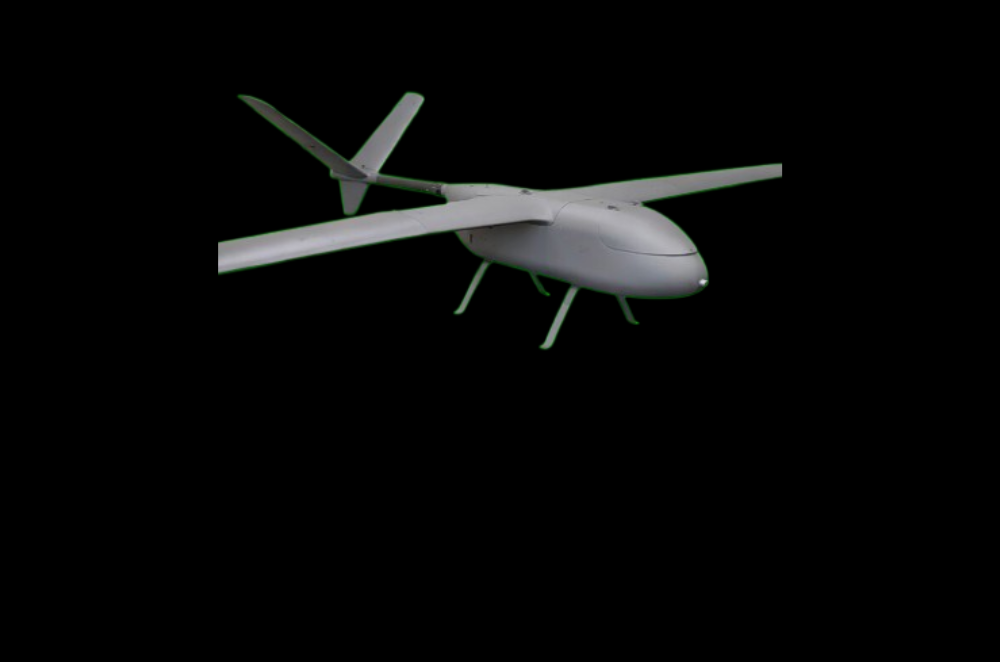
Multi-domain power management reduces active draw to 1.2 W on the embedded module class. Dynamic clock-gating and sensor duty-cycling extend UAV mission endurance without sacrificing detection continuity.

1.2W Min Draw Clock Gating Duty Cycle Control
05 — Thermal

Thermal & Dual-Mode Imaging

LWIR uncooled microbolometer integration provides thermal detection independent of ambient light. Dual-mode EO+Thermal fusion outputs a composite stream for operator situational awareness in all weather states.

LWIR Uncooled Sensor Fusion All-Weather
06 — Hardening

Environmental Hardening

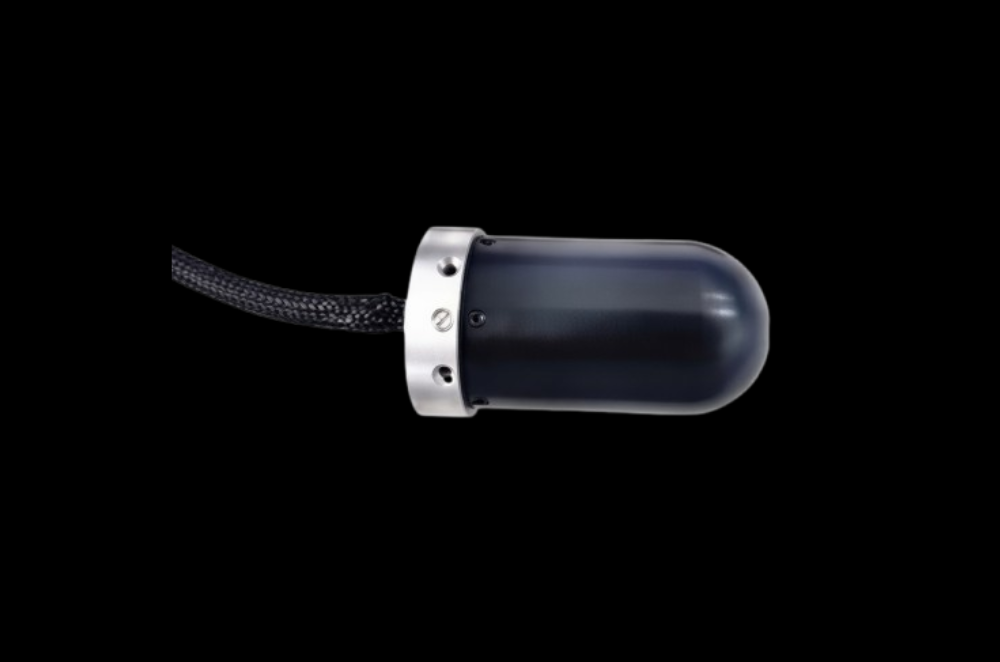
IP67 sealed enclosures with conformal coating on all internal PCBs. Shock and vibration isolation tested to MIL-STD-810. EMI shielding meets applicable TEMPEST guidance for sensitive deployment environments.

IP67 MIL-STD-810 EMI Shielded
Integration

System Integration Architecture

Nocturnal Dynamics Limited (Star-Navi) systems are designed for integration into existing C2, sensor-fusion, and autonomous platform architectures without proprietary middleware.

The sensor pipeline is structured as discrete layers — each independently accessible and configurable. Integration teams can address any layer directly without modifying upstream or downstream components.

Layer 04
Application / C2 Interface
RTSP streams, ONVIF events, custom REST/gRPC API endpoints
Layer 03
Detection & Analytics Engine
On-board NPU — object detection, classification, tracking
Layer 02
Image Signal Processing
Noise reduction, HDR, tone mapping, sensor fusion pipeline
Layer 01
Sensor & Optics
CMOS / LWIR raw capture, lens control, auto-exposure

Supported Protocols

RTSP
H.264 / H.265 video streaming. Unicast and multicast. Compatible with VMS and NVR infrastructure.
ONVIF
Profile S/T/G compliance. Event notification, PTZ control, metadata overlay.
MIPI CSI-2
Raw sensor output for embedded integration. Compatible with Jetson, i.MX8, and custom SoC platforms.
Custom API
REST and gRPC interfaces for detection metadata, sensor control, and configuration management.
SDI / HDMI
Uncompressed baseband video output for low-latency display and recording applications.
MAVLink
Gimbal and payload control integration for autonomous UAV platform compatibility.
Product Comparison

System Category Overview

Key differentiators across the three primary deployment classes.

Surveillance & Mobile Platforms
Imaging Systems

No comparison data available. Add rows to product_compare_rows.

Tactical Applications
Tactical Modules

No comparison data available. Add rows to product_compare_rows.

UAV, Robotics & OEM
Embedded / OEM Modules

No comparison data available. Add rows to product_compare_rows.

Technical Documentation

Full datasheet packages, integration guides, and API specifications are available to qualified integrators and procurement contacts.

Request Documentation