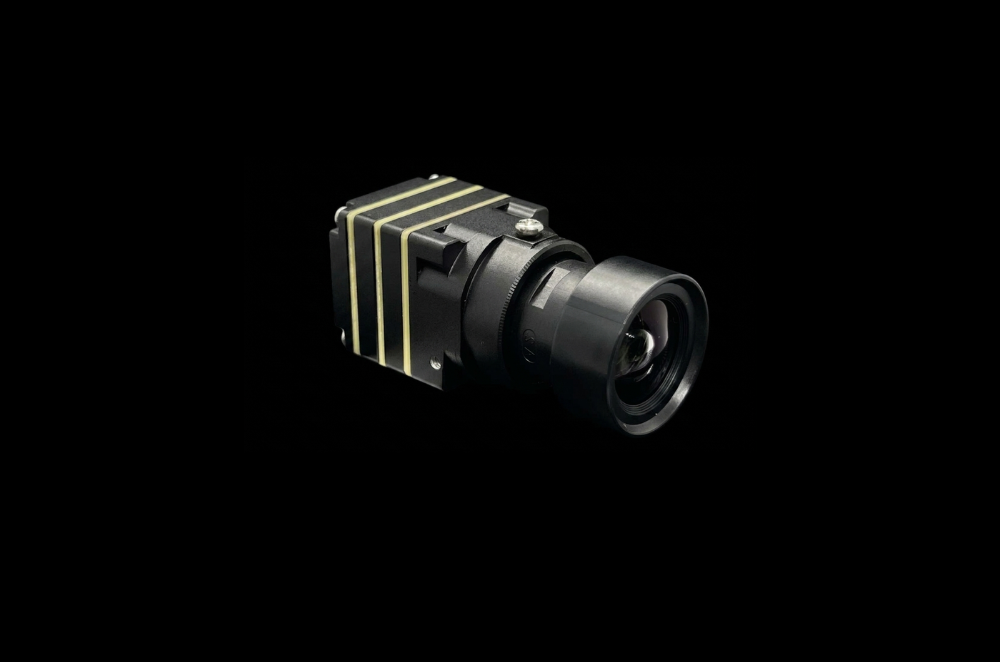
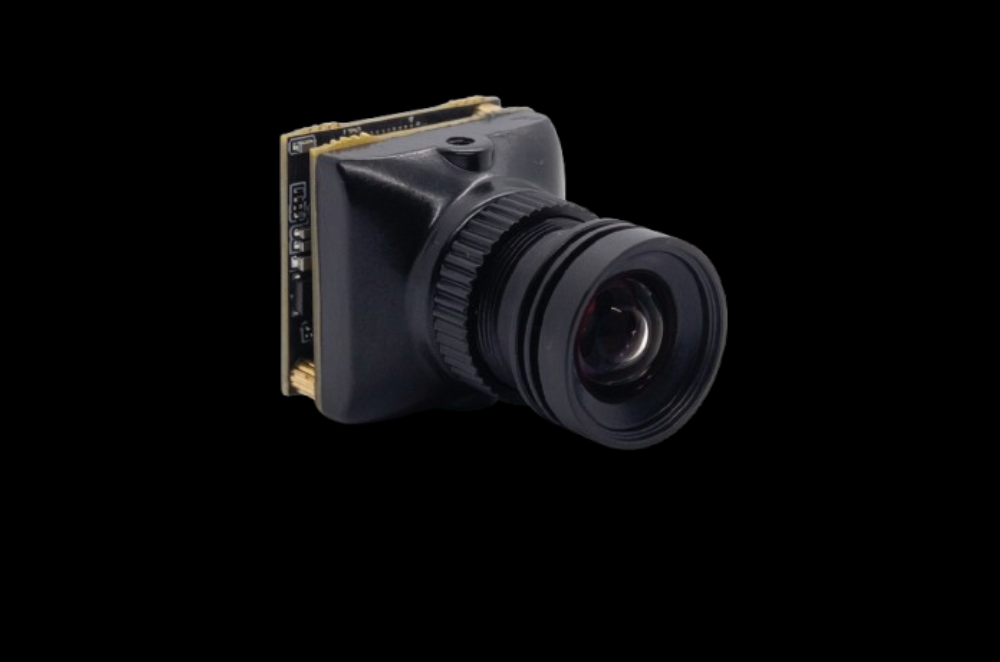
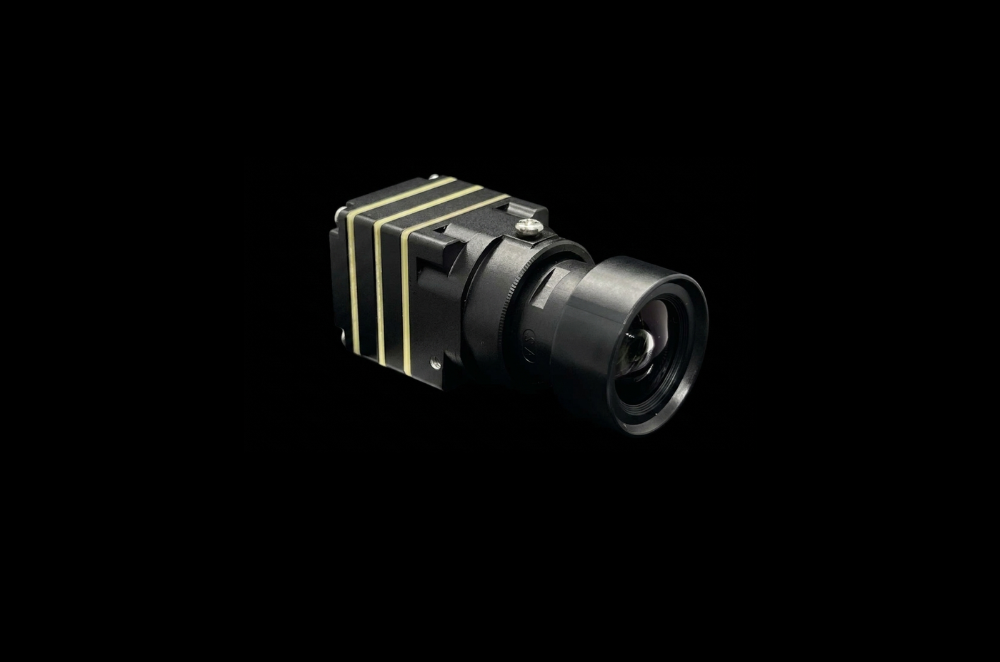
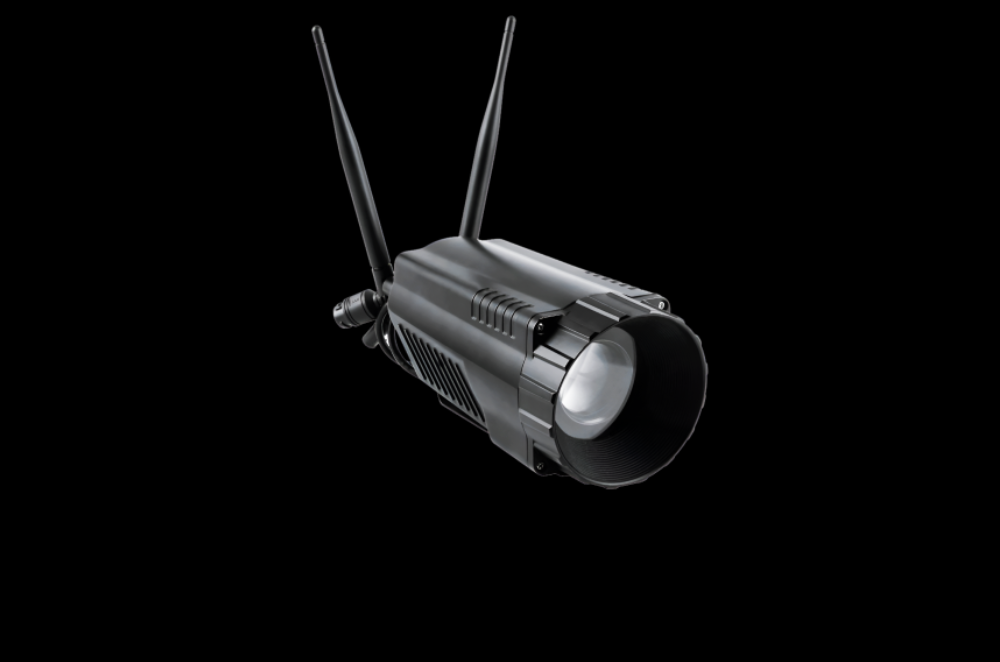
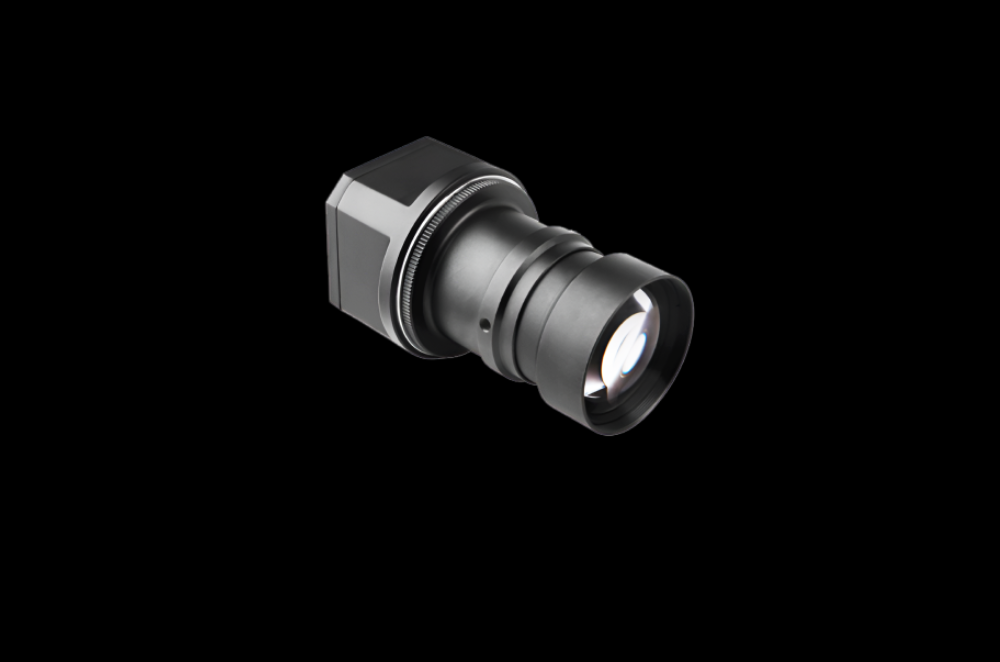
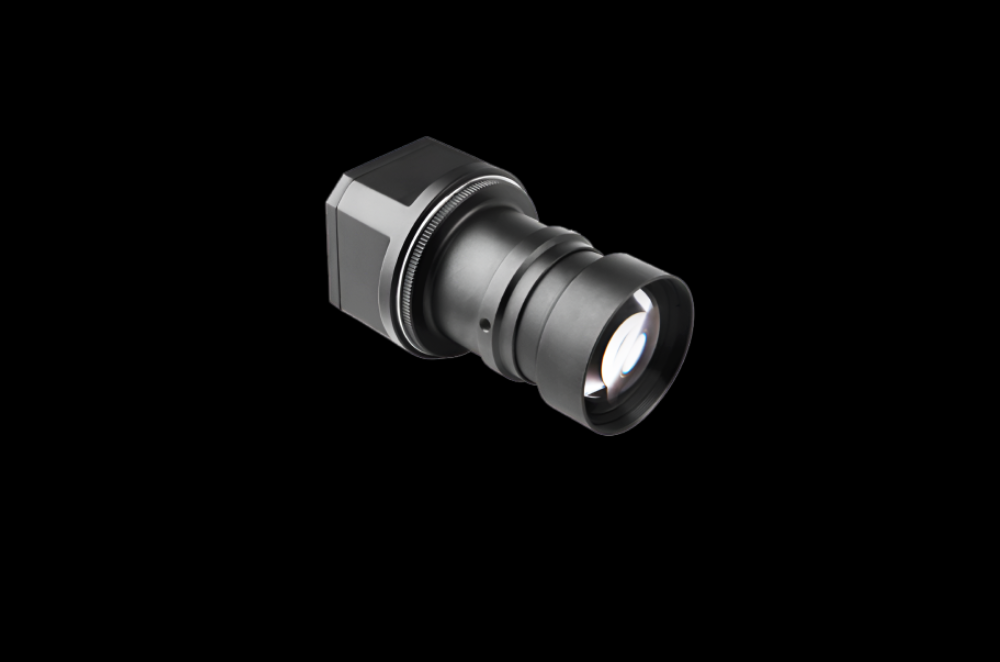
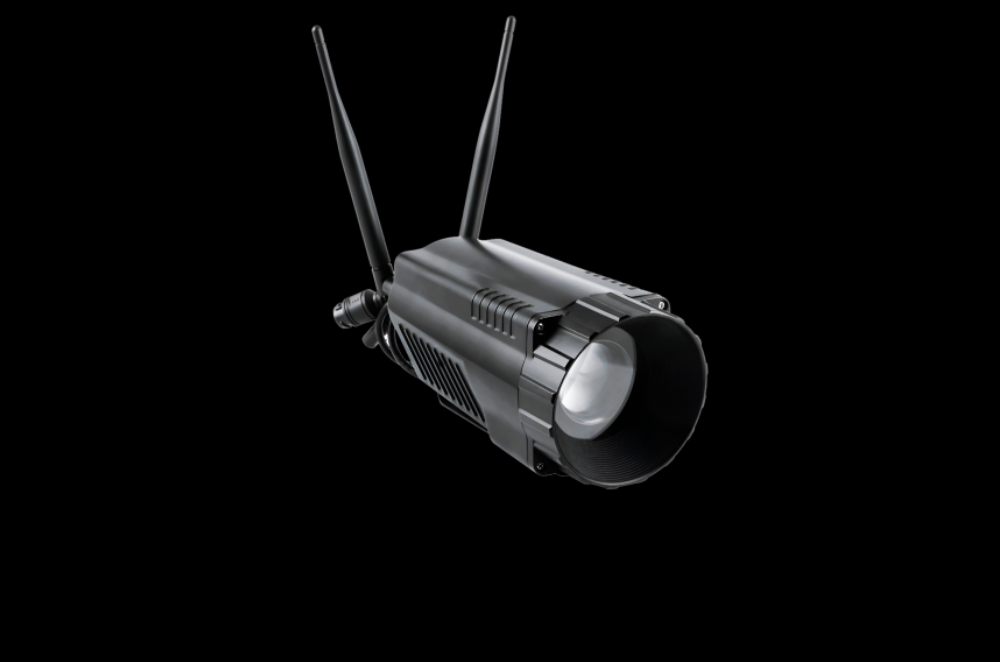
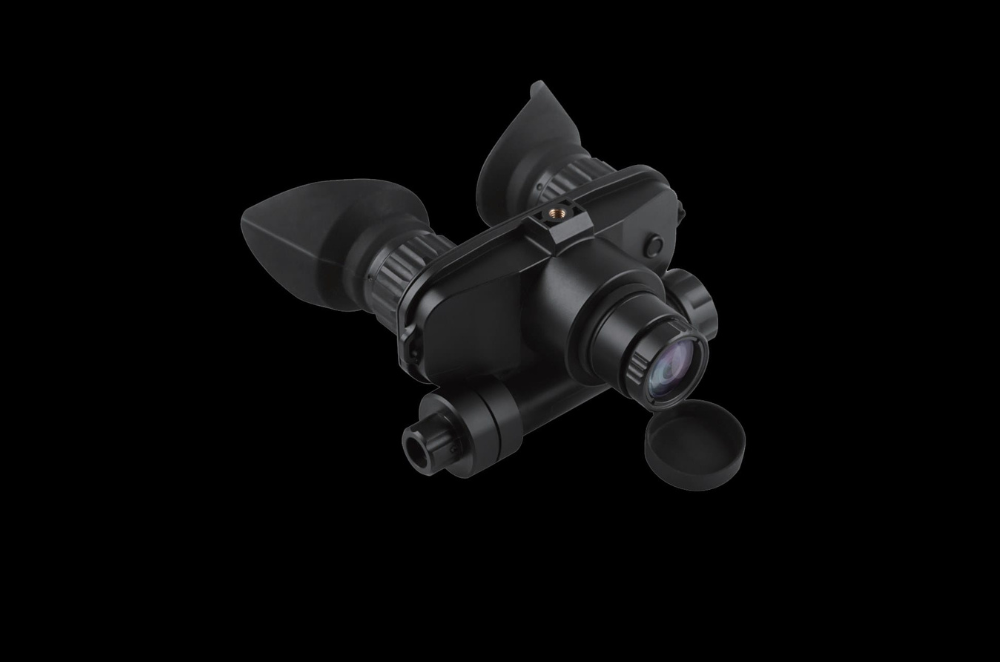
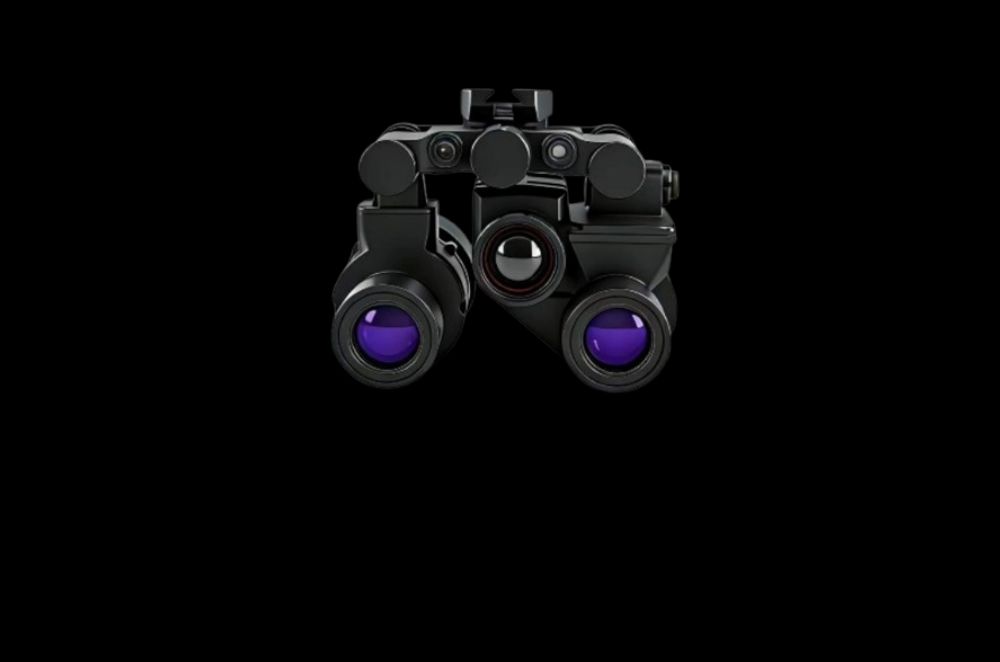
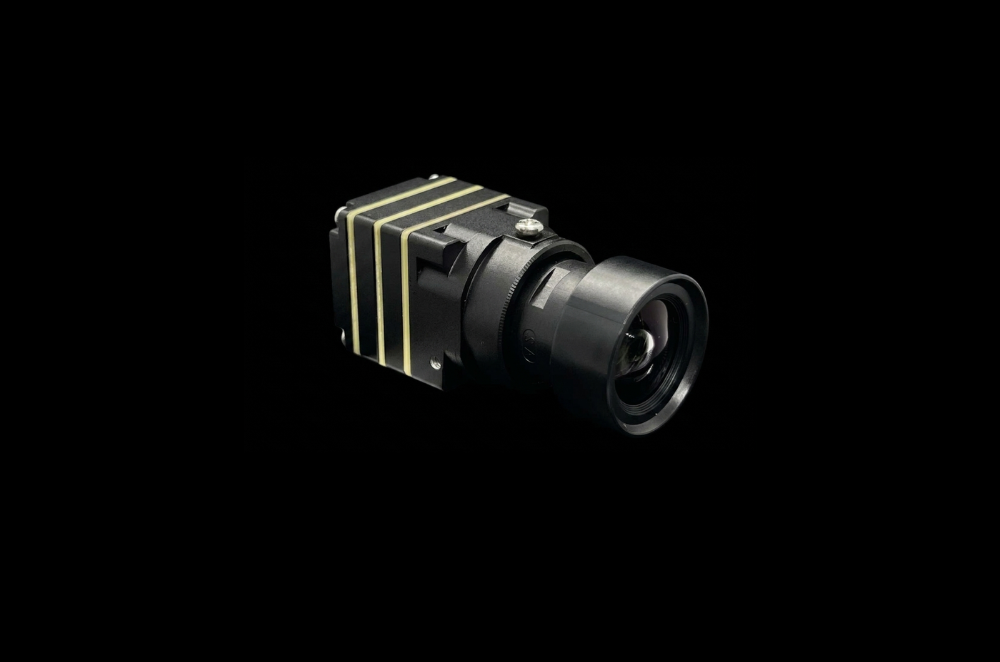
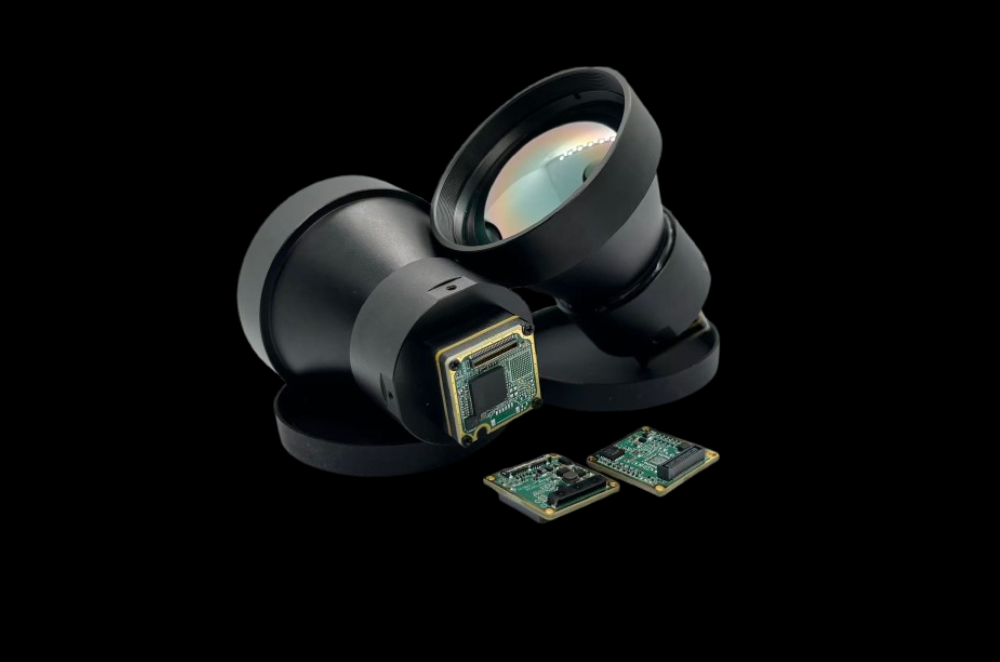
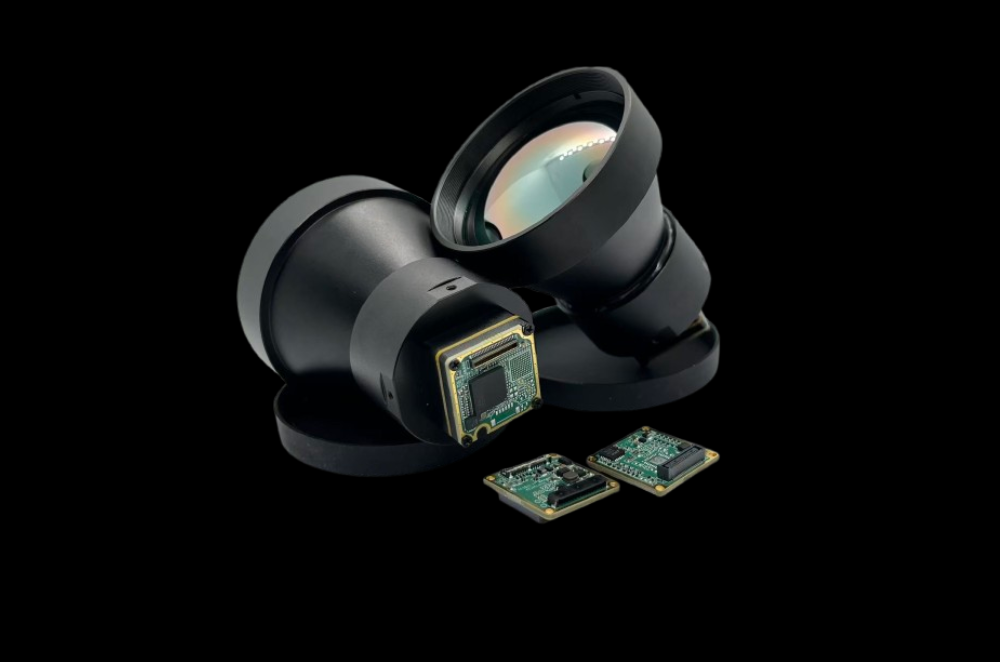
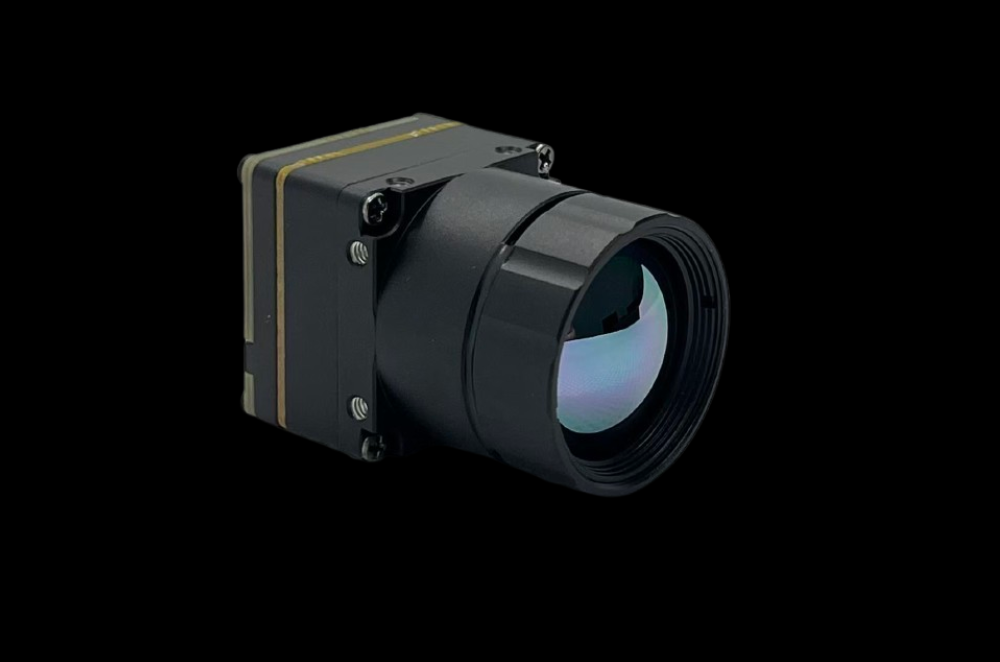
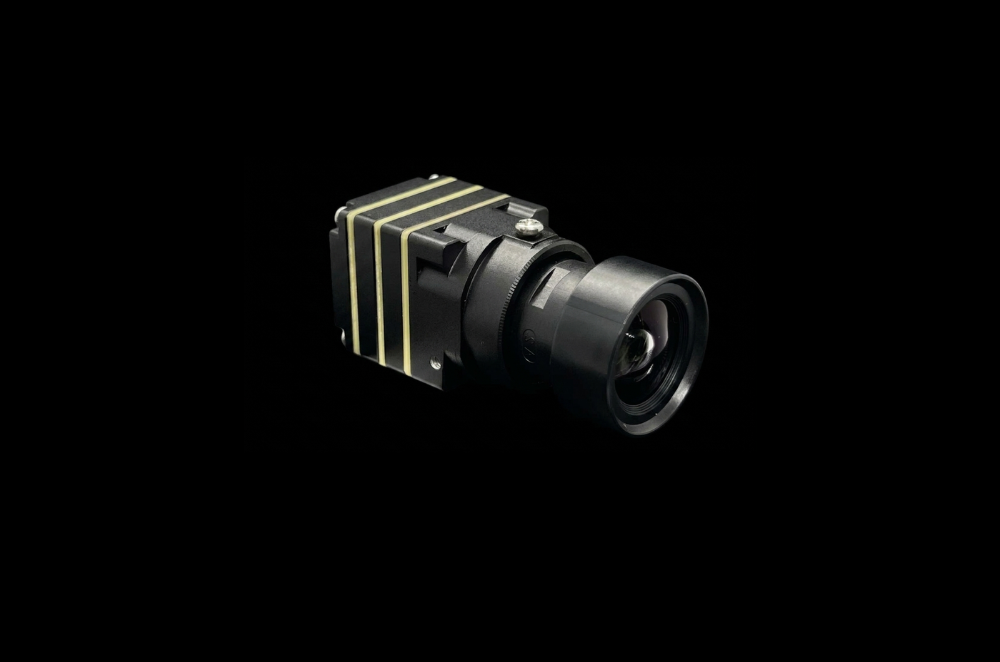
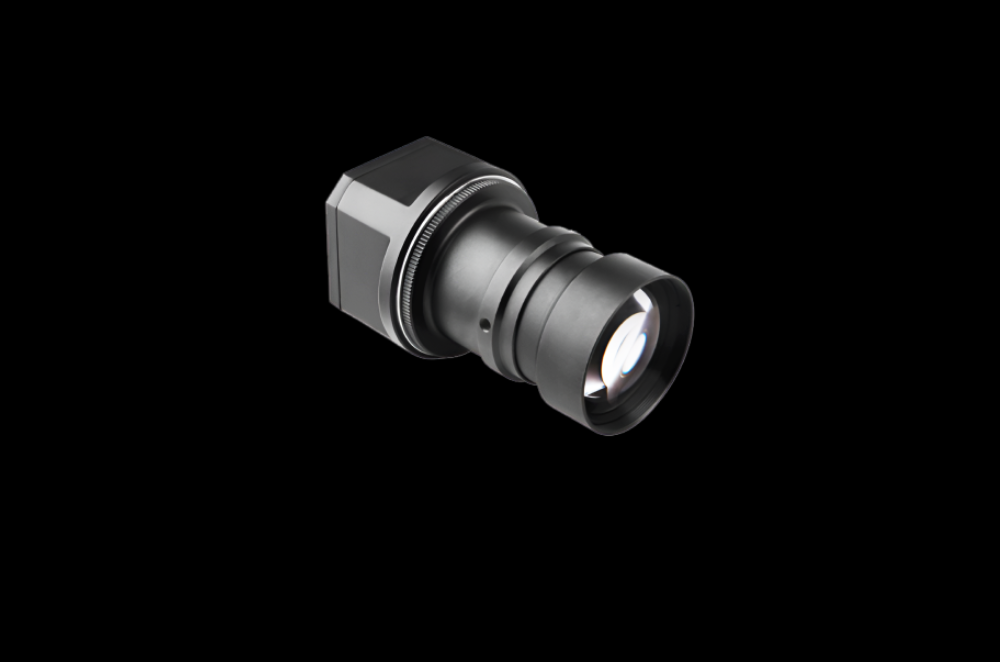
The XHM2025C delivers 0.0007 lux starlight imaging and 1910 m person detection as a bare 22.5 mm OEM module, targeting custom ISR payload builders and border surveillance platform integrators.
Reconnaissance system integrators building custom optical payloads for fixed and mobile surveillance platforms face a recurring challenge at the medium detection range: the 1500 to 2000 m person detection band represents the most operationally useful range for border observation, forward position coverage, and vehicle checkpoint approach surveillance, yet it is also the range where sensor selection is most contested between wide-angle systems that sacrifice classification resolution and telephoto systems that sacrifice area coverage. OEM module procurement at 22 mm class focal lengths has historically offered limited options at sub-millilux sensitivity levels suited to continuous passive operation.
Medium-Range OEM Optical Core With Starlight Sensitivity
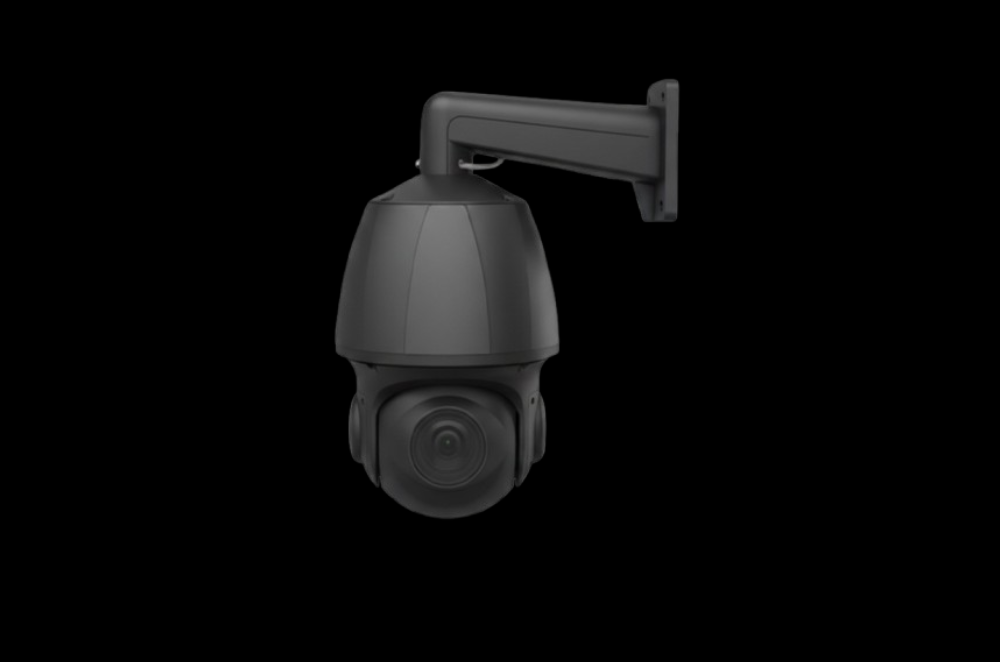
The XHM2025C provides that optical core as a bare integration module with a 22.5 mm F1.2 lens on a starlight-class CMOS sensor rated to 0.0007 lux at 5 fps, supplied without external housing for custom platform integration. Person detection is rated to 1910 m and vehicle detection to 4200 m, matching the medium-range detection geometry of the XHC2025C full system while delivering it in a module format that allows integrators to define the mechanical envelope, environmental protection, and interface standard independently. The F1.2 aperture at 22.5 mm sustains colour imaging in low-ambient conditions where F1.4 alternatives in the same focal length class would fall back to monochrome, preserving target classification information through the critical pre-dawn watch period.
Custom Border and ISR Platform Integration
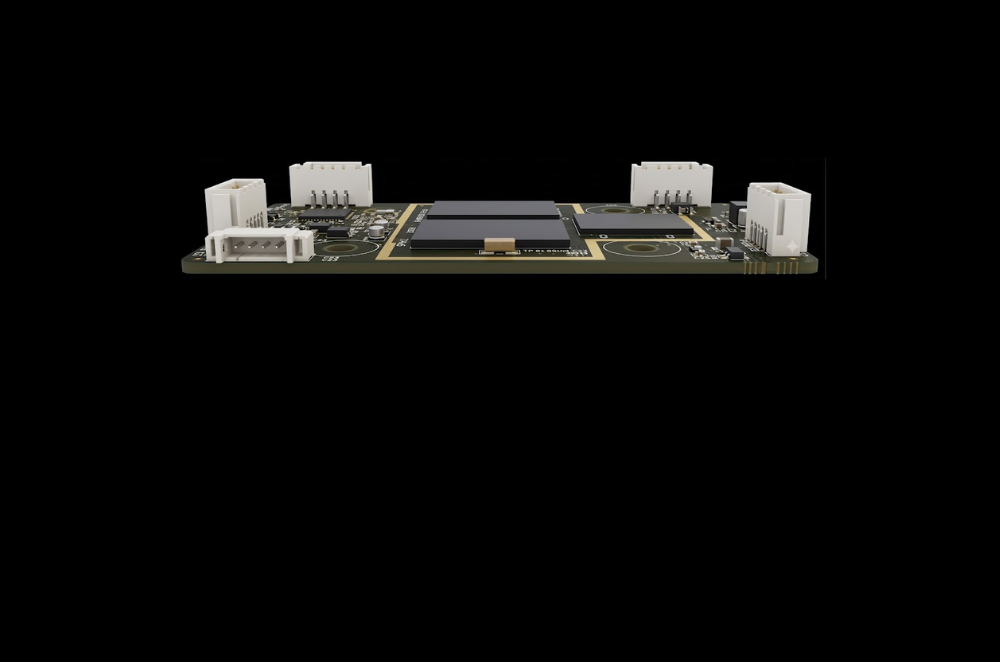
Integrators developing custom surveillance platforms for border modernisation programmes have used the 22 mm OEM module format to build sensors into non-standard housings such as concealed installation enclosures, vehicle turret assemblies, and aerostatic tethered platform payloads where complete camera systems cannot be accommodated within the approved payload envelope. The XHM2025C suits that integration model, providing the optical and sensor core that programme-specific enclosure designs can be built around without the size and interface constraints imposed by standard camera housing formats. Output interfaces support direct connection to embedded video processors and mission computers used in custom surveillance payloads, avoiding the capture card hardware that complete camera systems typically require when integrated into non-standard host architectures.
Fleet Standardisation Across XHM Module Variants
Integrators who have standardised on the XHM module family across short, medium, and long detection range applications benefit from a consistent integration footprint that reduces variant-specific engineering work across platform types. The XHM2025C shares its host interface architecture with the XHM2012C and XHM2110C-ABF variants, allowing programmes that deploy sensors across multiple range bands to use the same enclosure design approach and board-level integration pattern for each focal length variant. As surveillance platform programmes continue to shift toward modular sensor architectures that separate optical procurement from mechanical integration, the XHM module format is positioned to serve as the preferred OEM optical core across programme types where site-specific installation requirements exceed what standard complete camera systems can accommodate.