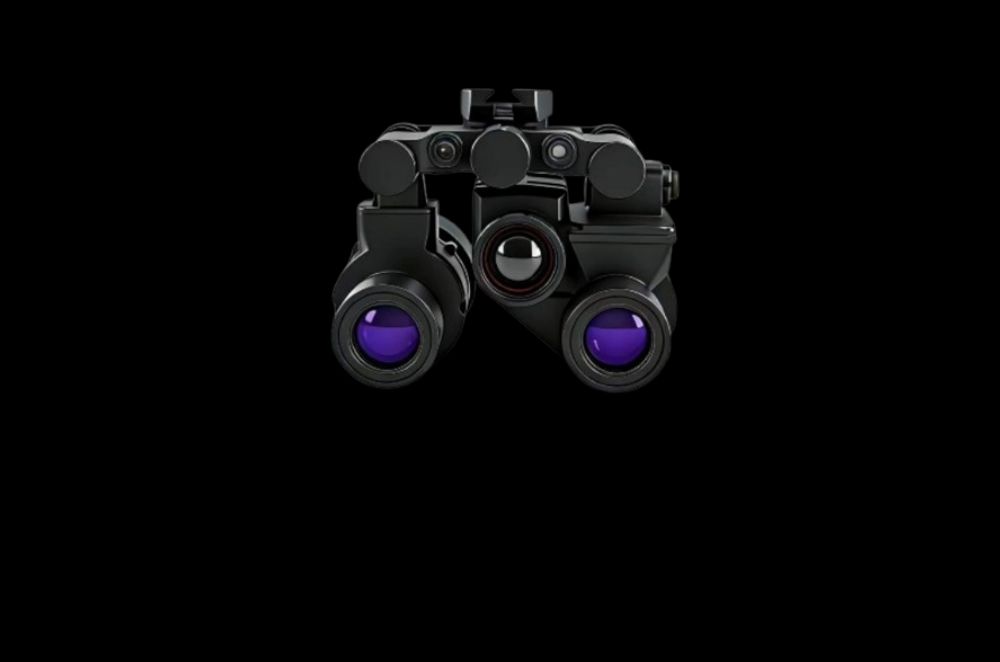
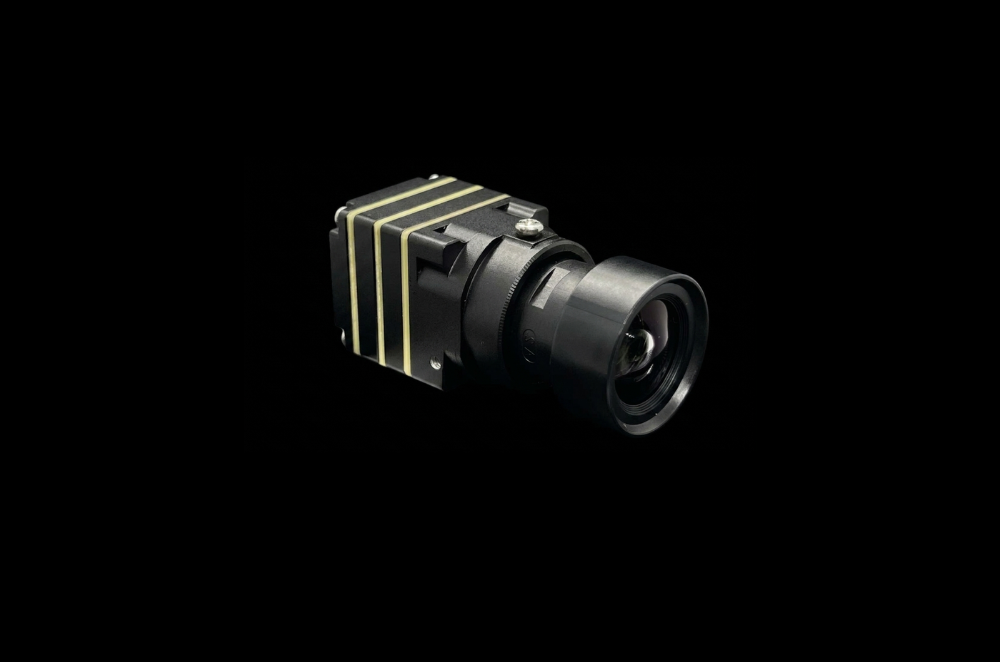
A look at how bare CMOS camera modules like the XHC1302 are letting UAV payload teams add night capability without adding airframe weight.
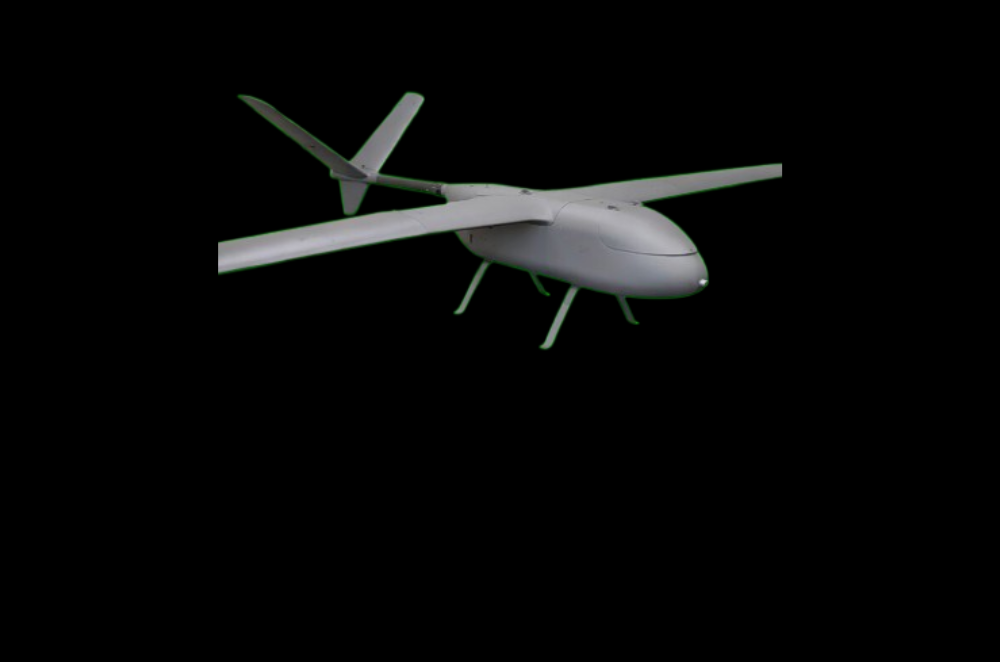
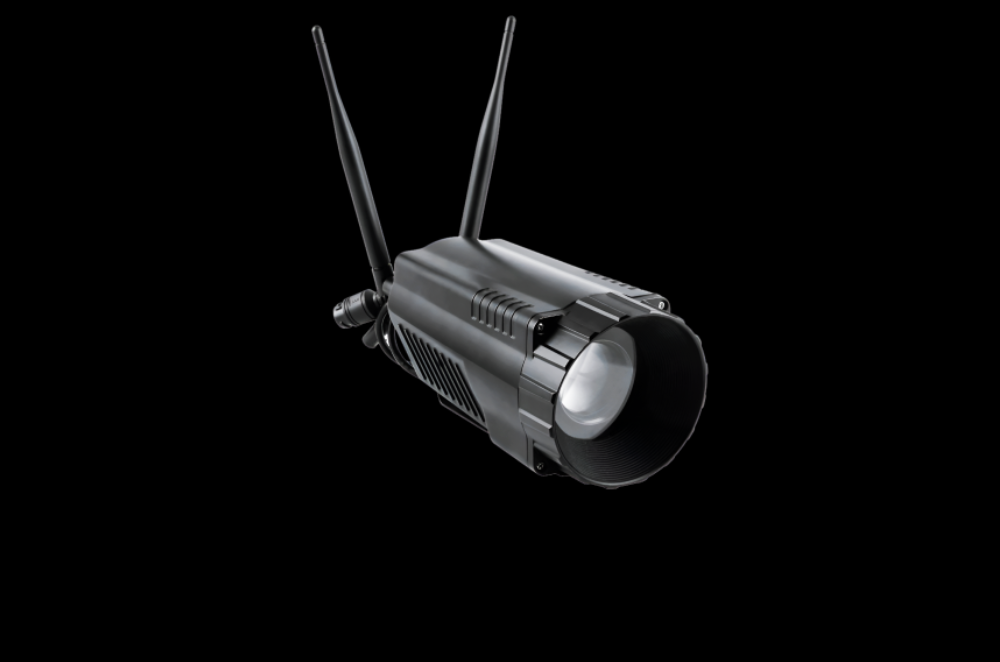
Border and perimeter security programs have spent the last few years leaning harder on small unmanned aircraft for overnight coverage, and that shift has exposed a gap in how those platforms see in the dark. A full night vision camera system, with its own housing, lens assembly, and enclosure, adds weight a small airframe often cannot spare, which pushes many programs toward cameras that compromise on sensitivity just to keep the aircraft light enough to fly.
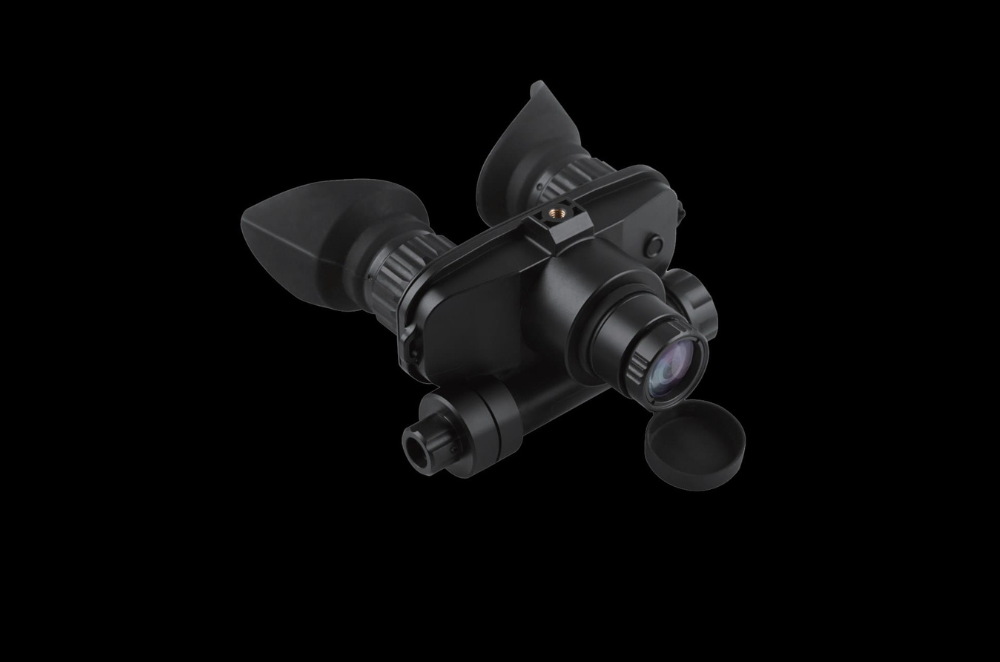
The underlying sensor technology has actually closed a lot of that gap. Large pixel pitch CMOS sensors paired with fast apertures can now pull a usable image out of starlight level illumination, well below what a standard daylight camera needs, without the bulk of an image intensifier tube or a cooled thermal detector. What has lagged behind is packaging that technology into something small enough to matter on a lightweight airframe.
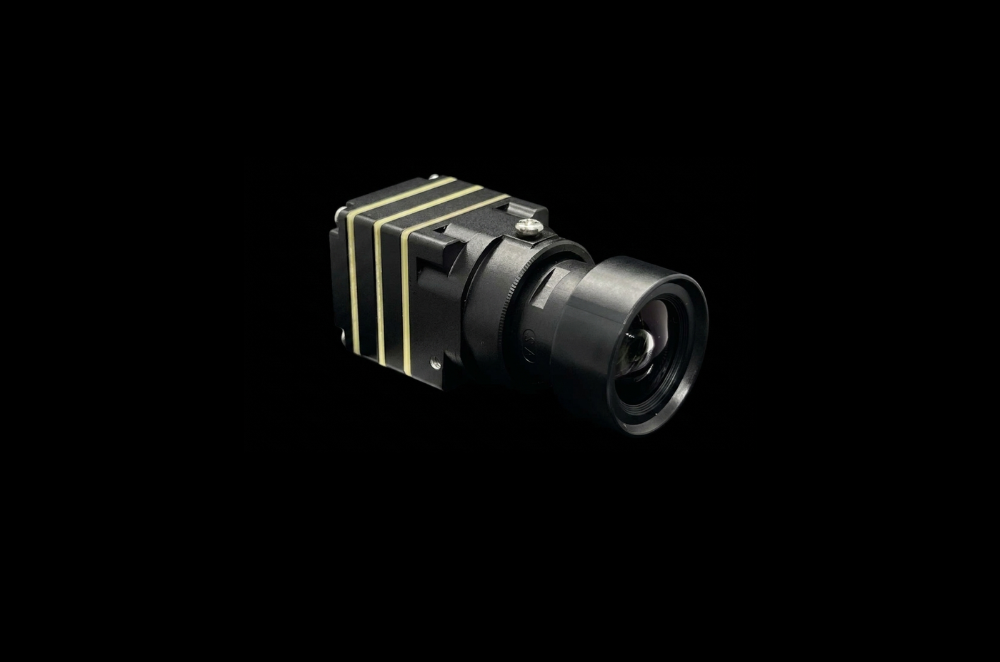
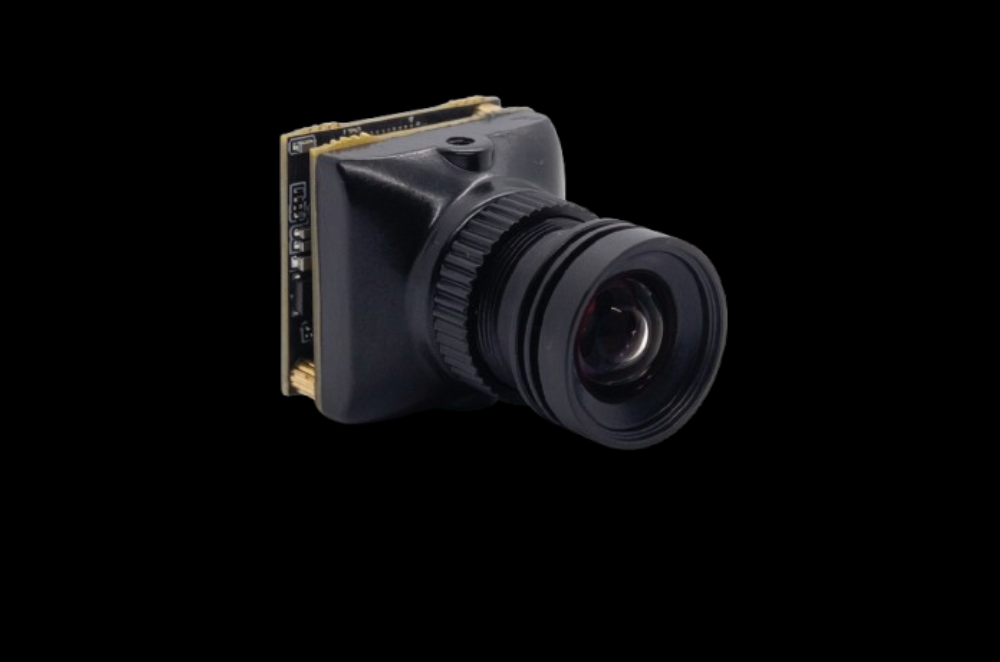
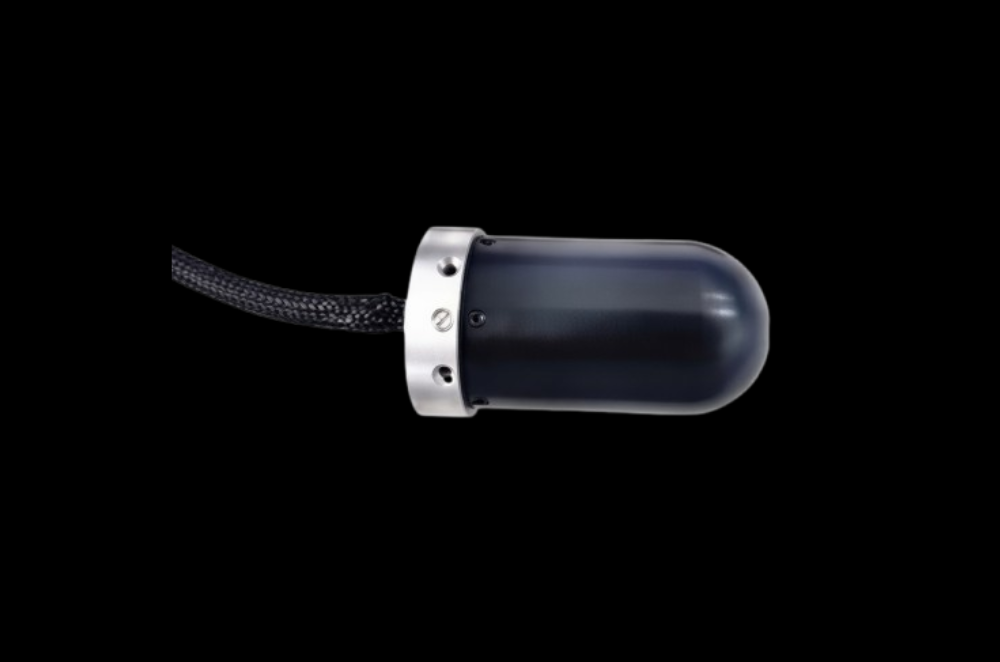
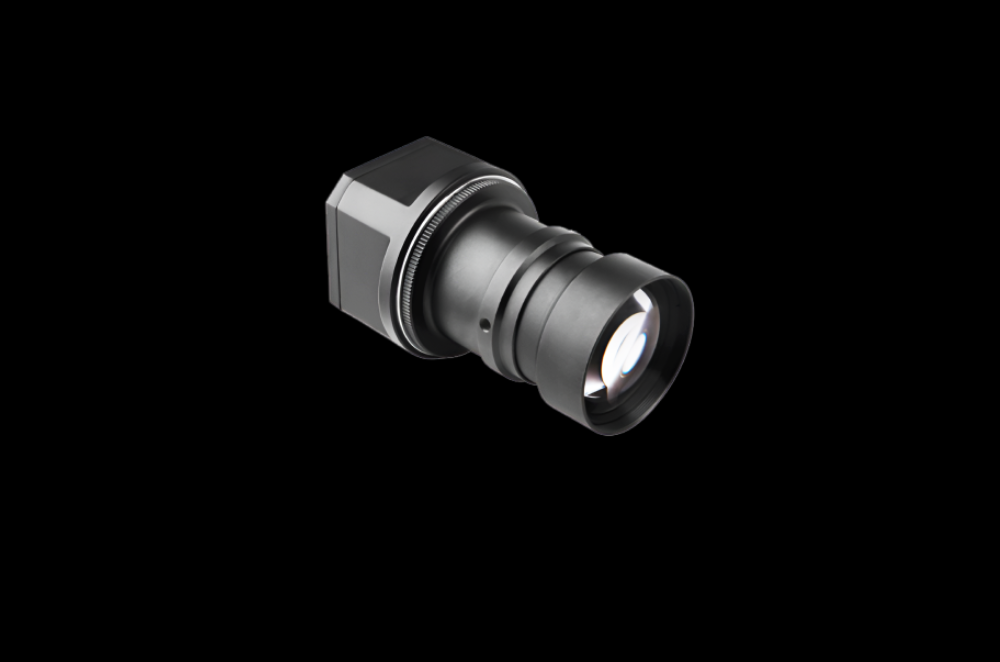
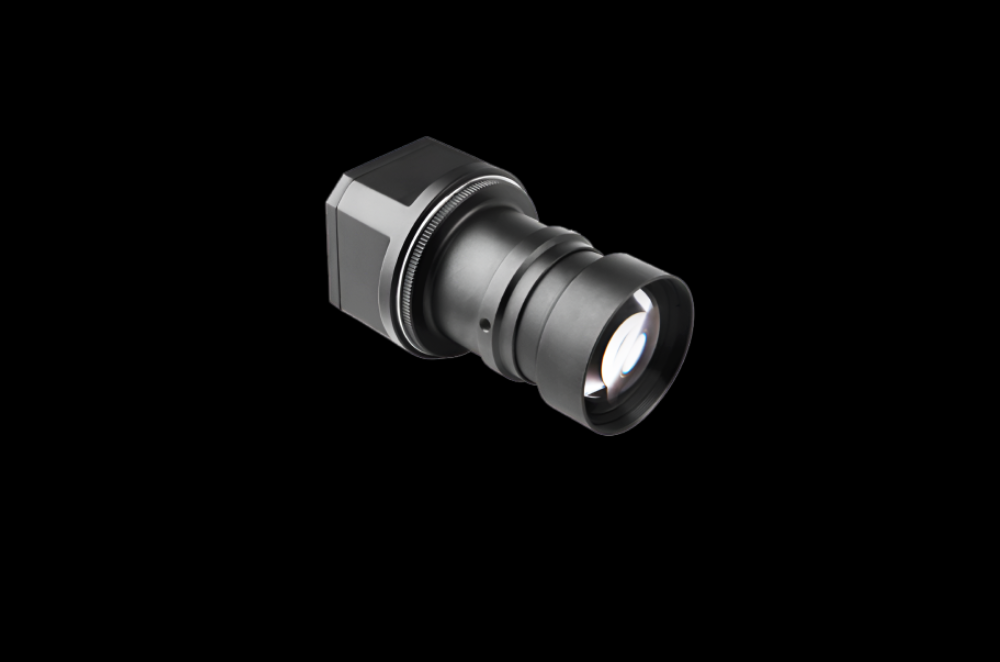
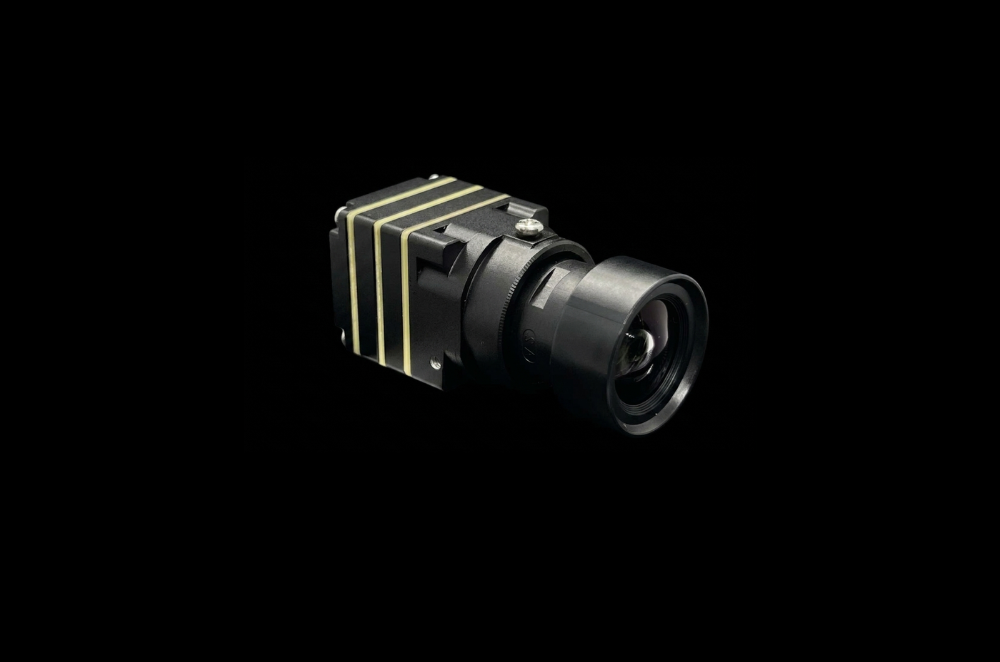
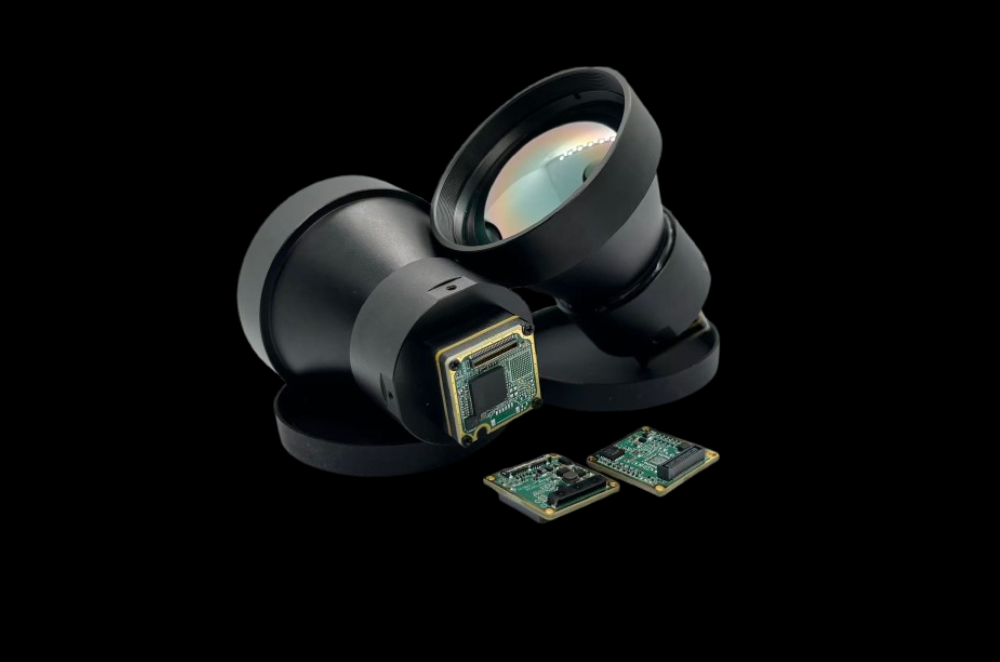
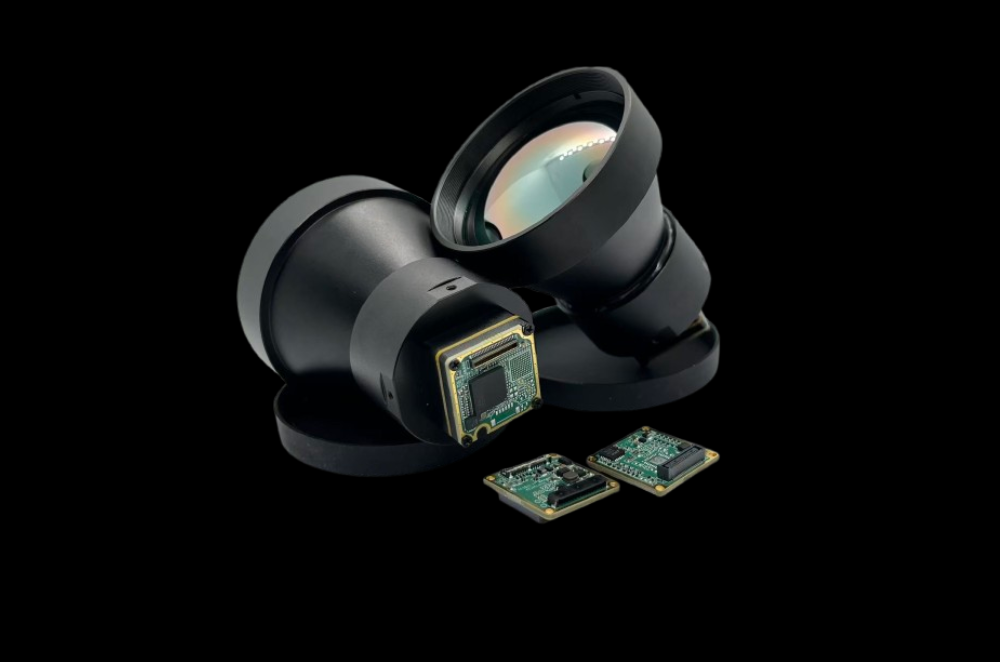
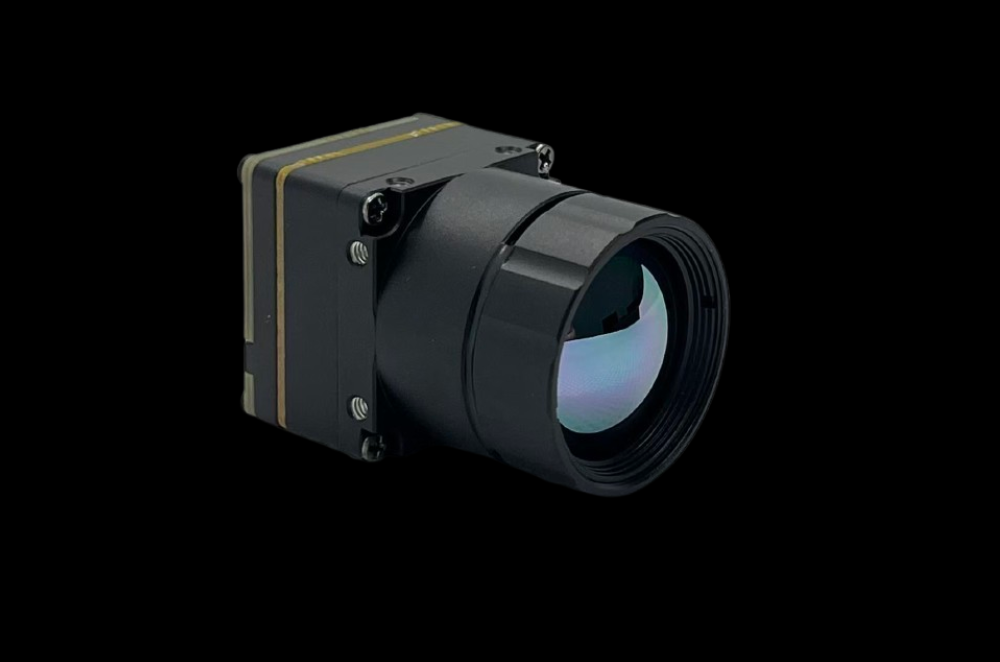
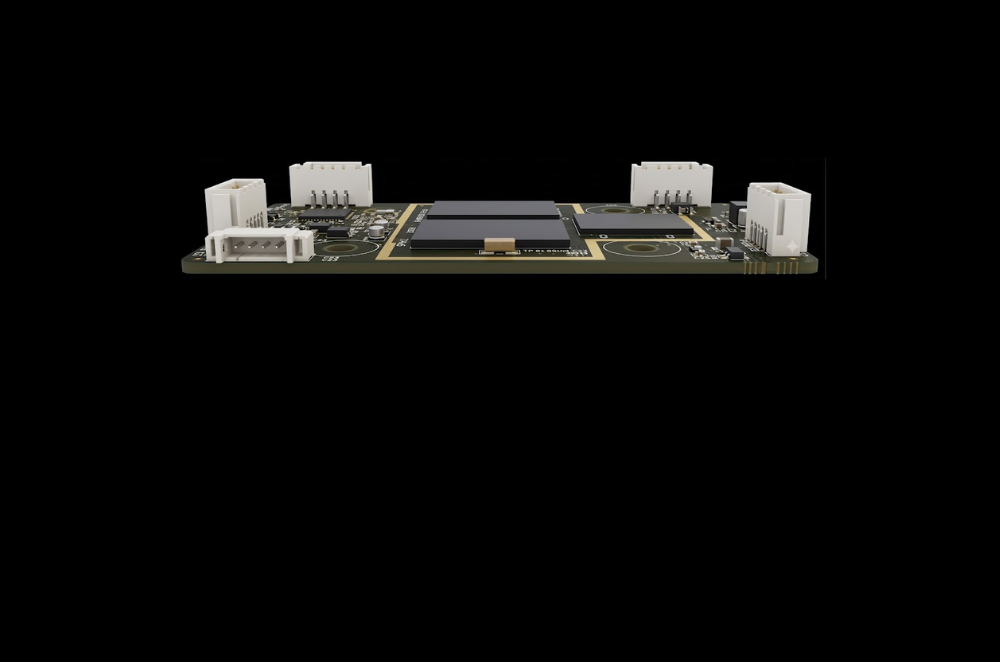
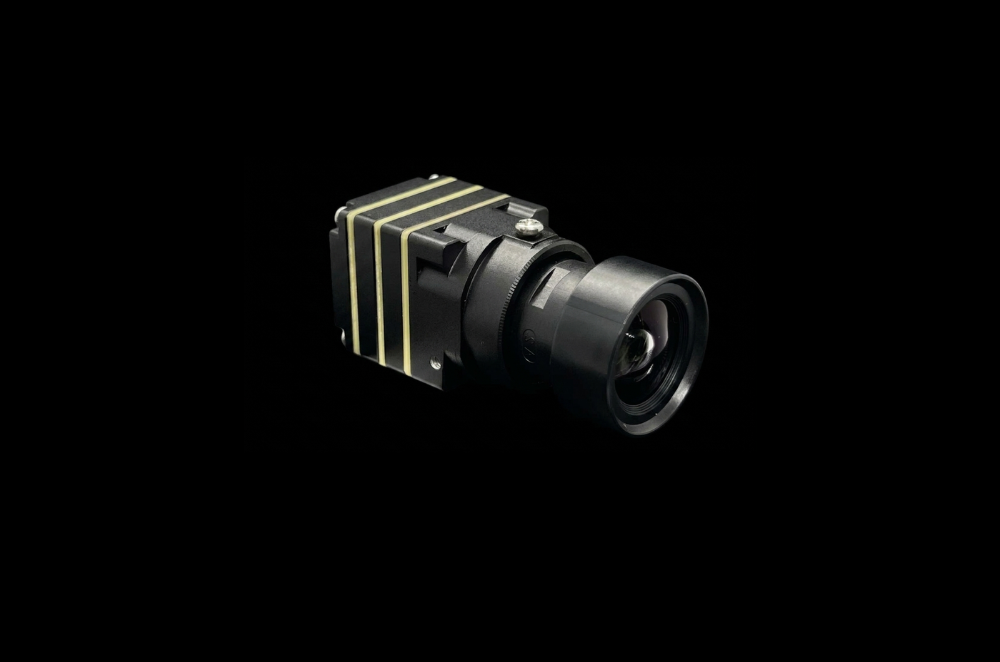
Star-Navi's XHC1302 series is one answer to that packaging problem. Built around a 1/1.8 inch CMOS sensor with a 5.4 micron pixel pitch and an F/1.0 aperture, the module reaches minimum illumination as low as 0.00005 lux in its black and white configuration, dark enough to keep producing usable video well past the point where most cameras go blind. It ships as a bare board without housing, so the integrator's own airframe design determines the final mechanical footprint rather than a fixed camera enclosure.
Fitting Into Existing Payload Designs
Because the module outputs digital video directly over a parallel bus rather than through an onboard encoder, it slots into flight controllers and payload processors that already expect a standard video format, without adding a second compression stage to the pipeline. That matters most on latency sensitive tasks like FPV navigation, where every added processing step shows up as lag between what the sensor sees and what the pilot sees.
For payload engineers, the practical effect is that low light performance stops being a separate design problem from weight and power. A UAV program can choose a focal length that matches its mission profile, from wide angle navigation to long range detection, and add night capability without renegotiating the aircraft's power and mass budget from scratch.