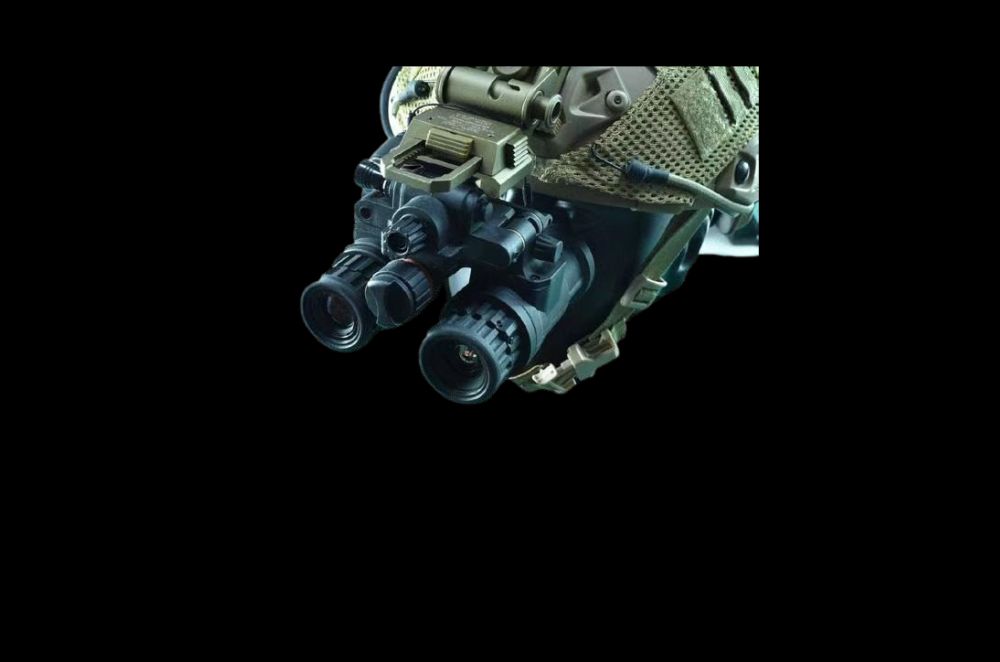
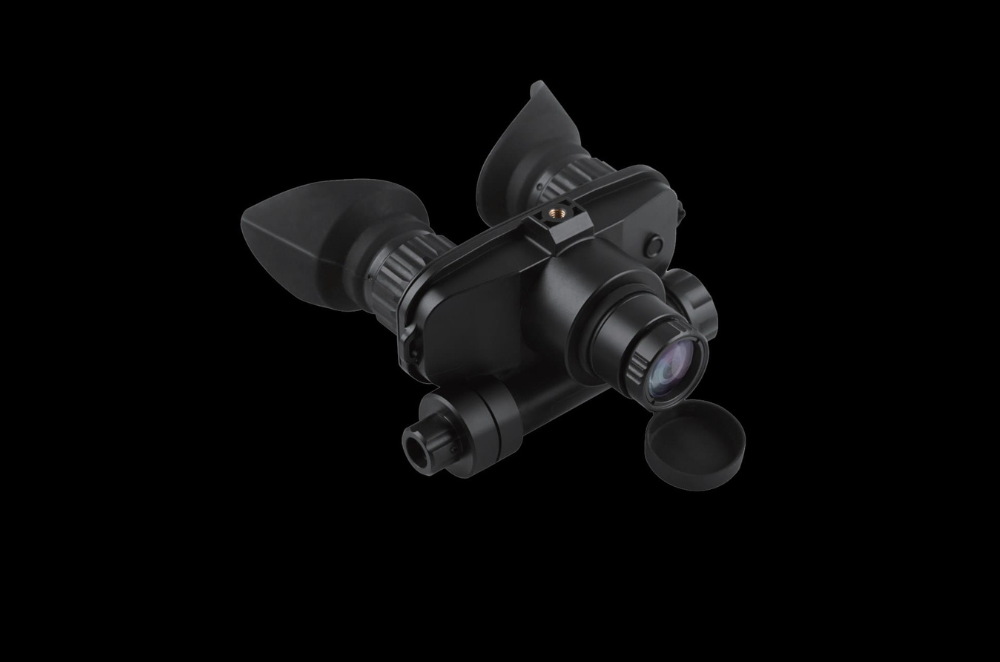
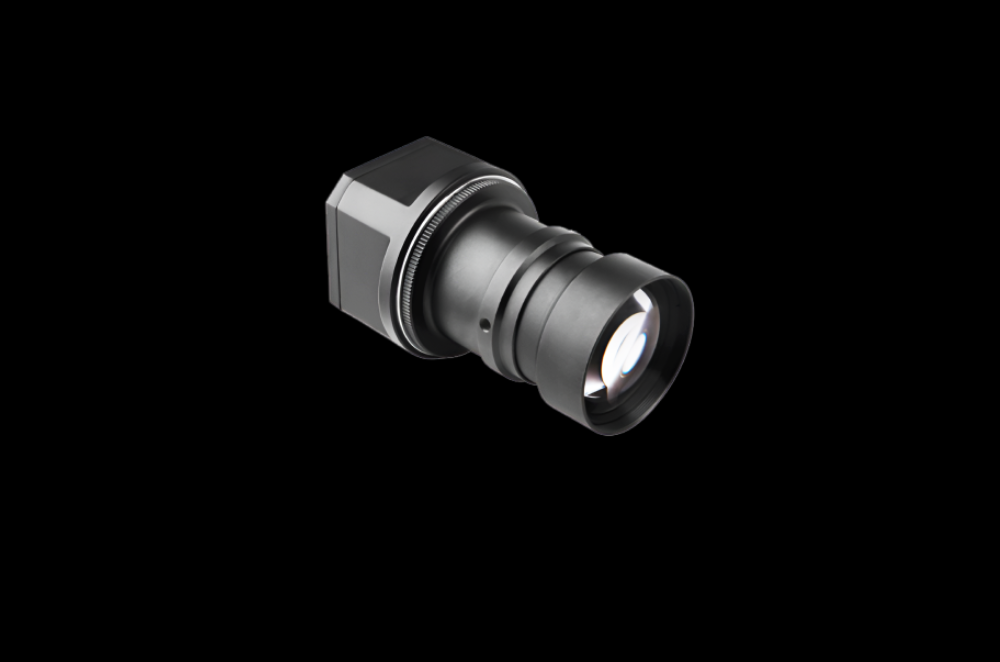
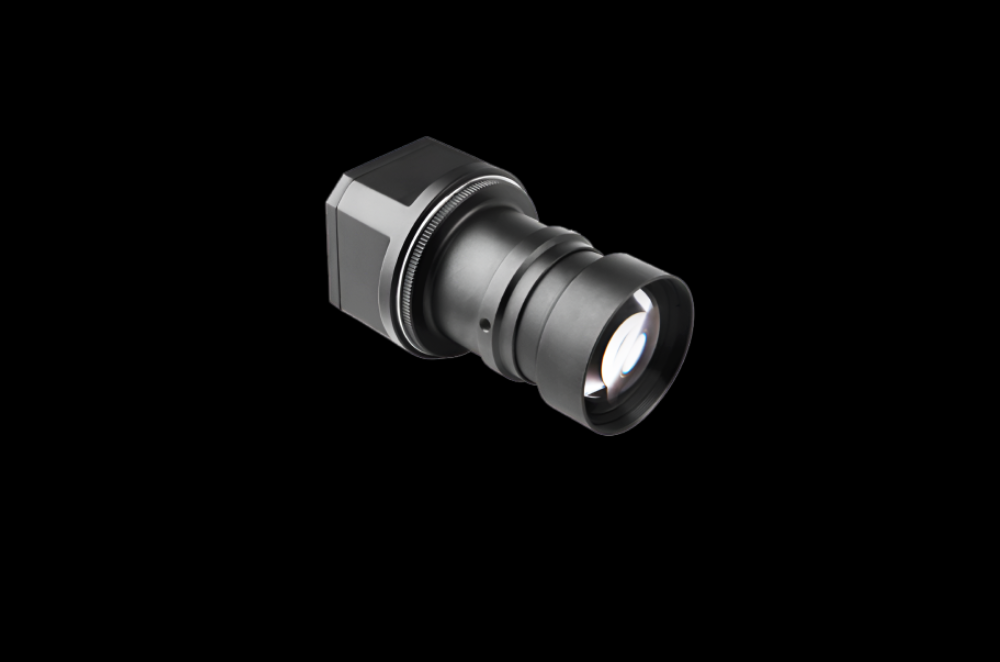
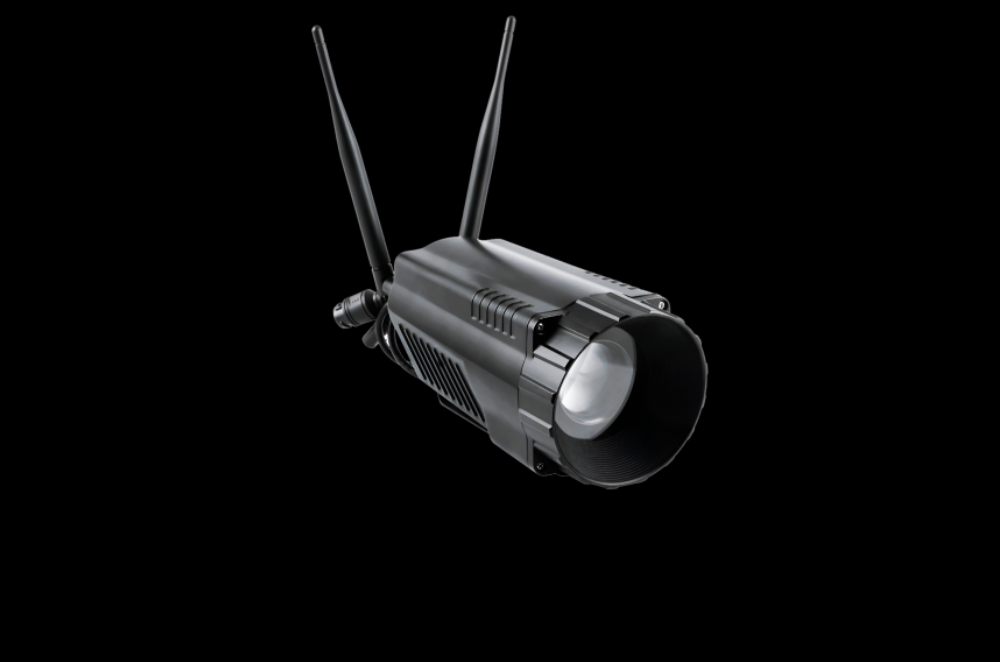
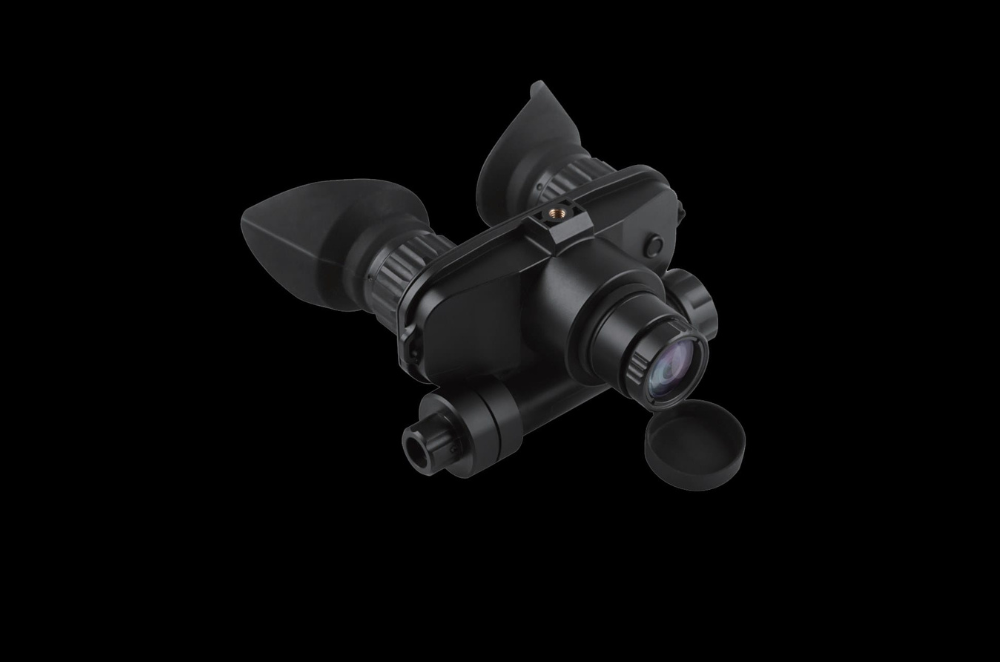
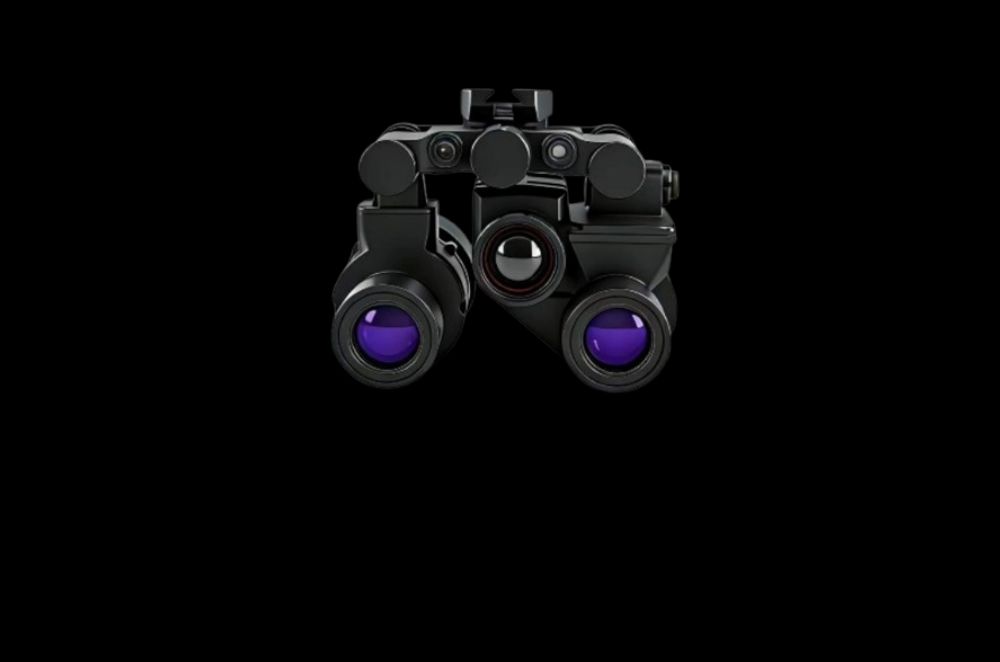
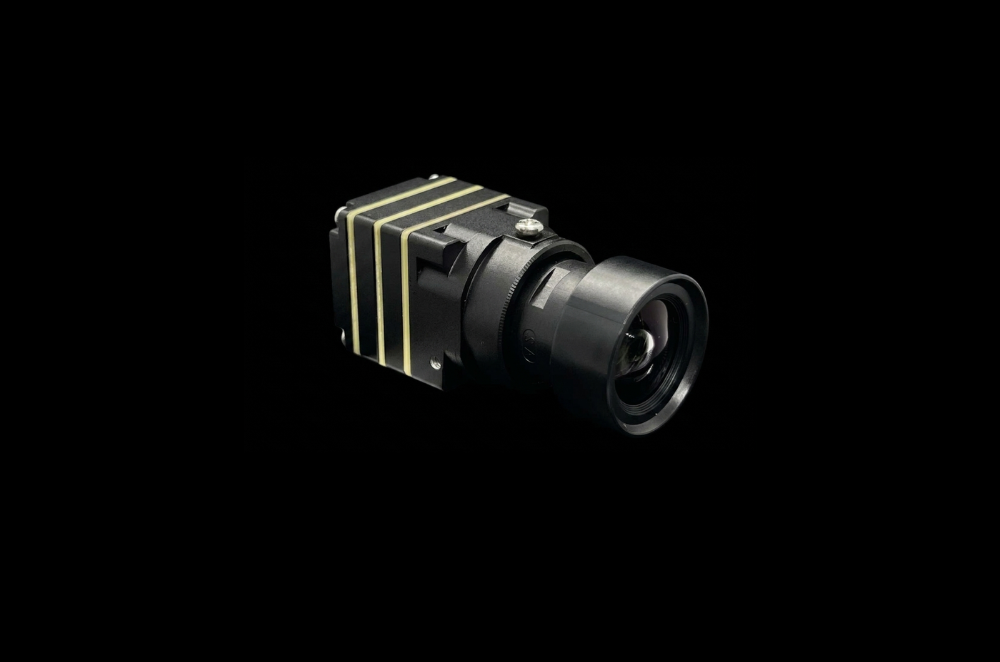
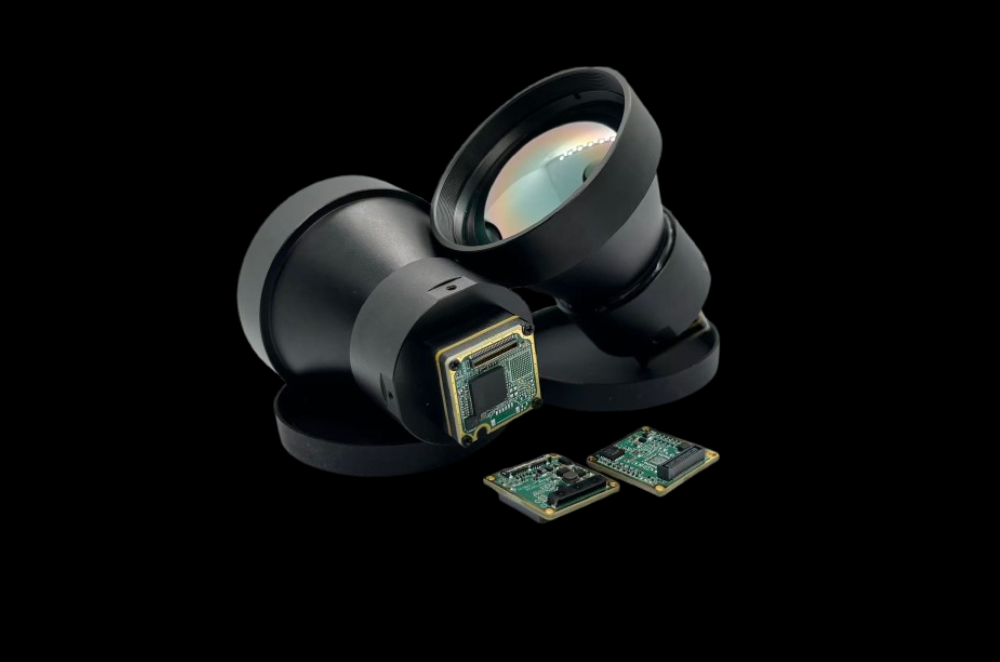
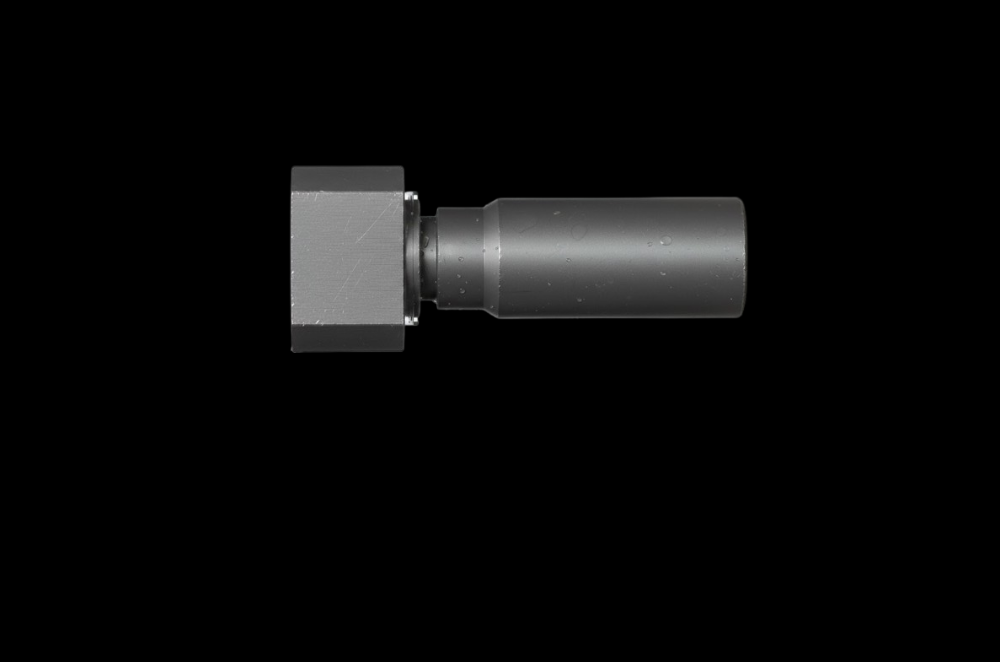
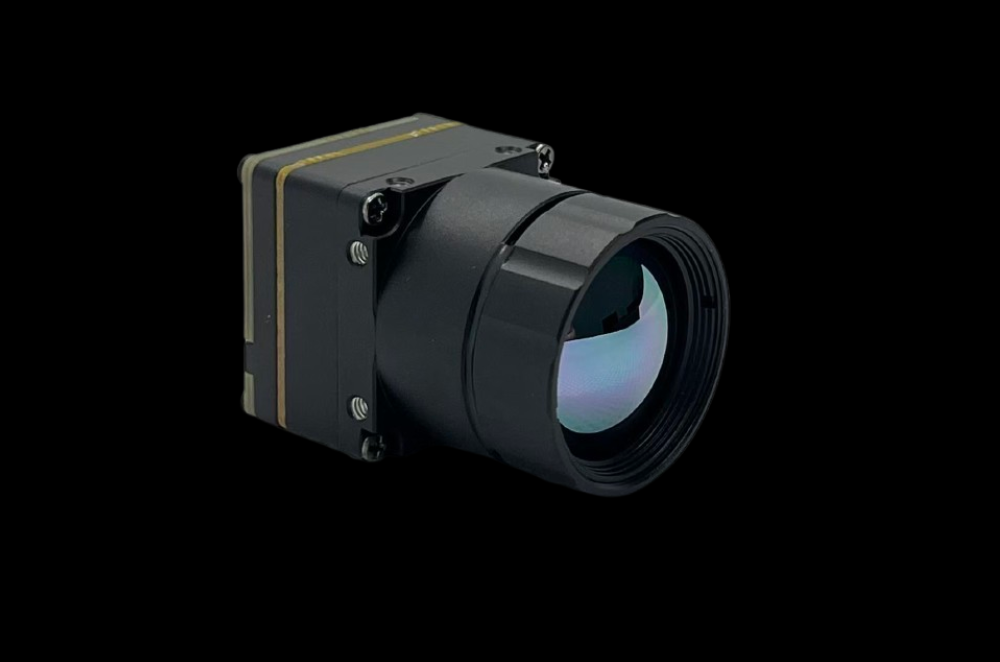
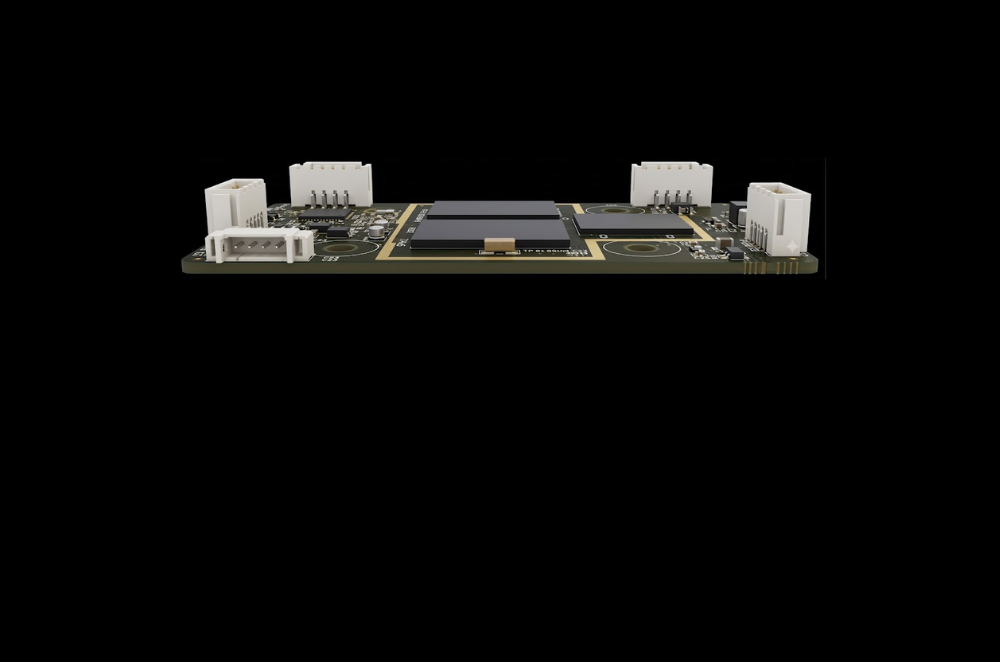
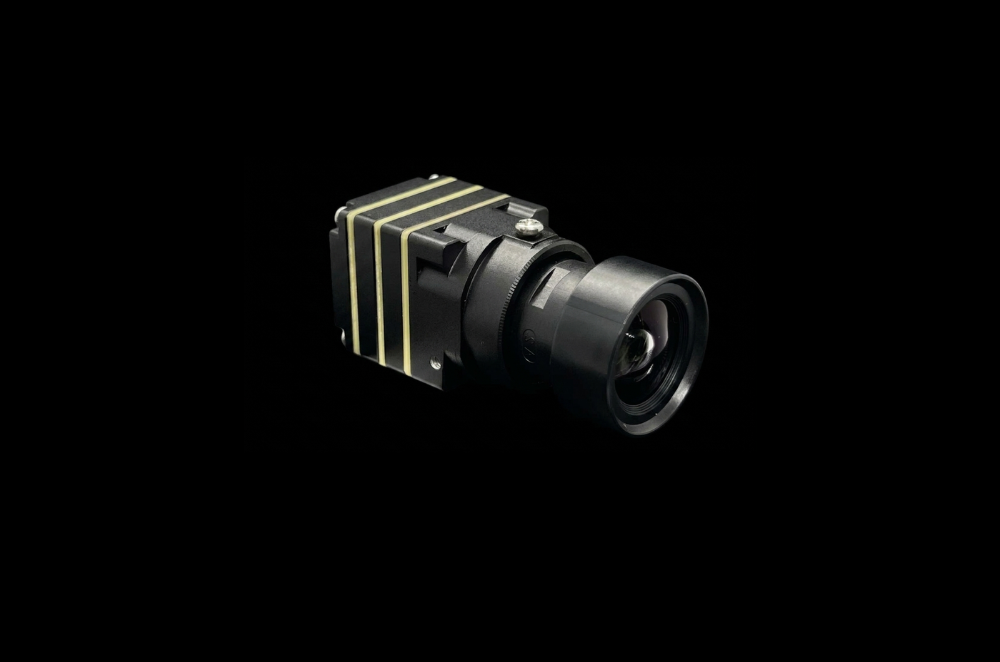
Star-Navi's XHS1-NVG64-FS combines low-light and thermal channels in one helmet-mounted goggle, reaching 200 meters of fusion-mode recognition range.
Dismounted night operations programs have spent the past several procurement cycles chasing the same capability: a single goggle that gives an operator both the resolution of image intensified low light video and the target discrimination of thermal imaging, without forcing a choice between the two mid mission.
Most fielded systems still make that choice for the operator. A low light goggle alone can lose a target hidden by foliage or glass that a thermal channel would catch instantly, while a thermal only system struggles to render the fine detail needed to identify a person or read a map at close range. Star-Navi's new XHS1-NVG64-FS closes that gap by fusing both channels into a single digitally processed view inside one helmet-mounted binocular housing.
The goggle switches between four imaging modes, low light, thermal, fusion, and a fusion outline view that overlays a thermal silhouette on the low light scene, letting an operator choose the presentation that fits the moment rather than the equipment they happened to be issued. In fusion mode it reaches a recognition range past 200 meters, with a thermal channel sensitive enough to resolve a temperature difference of 40 milli-kelvin against the background.
That flexibility carries into how the goggle handles the rest of a patrol, not just the observation task it was built for. Automatic, manual, and background correction keep the thermal image calibrated as scene conditions shift, and a flip-up host mechanism with adjustable interpupillary distance and diopter correction lets an operator move quickly between aided and unaided vision without breaking stride.
With a rechargeable battery platform rated for six hours of continuous fusion mode use, Star-Navi is positioning the XHS1-NVG64-FS as an option for units that have outgrown single channel night vision but are not ready to carry the weight and cost of separate low light and thermal systems.