
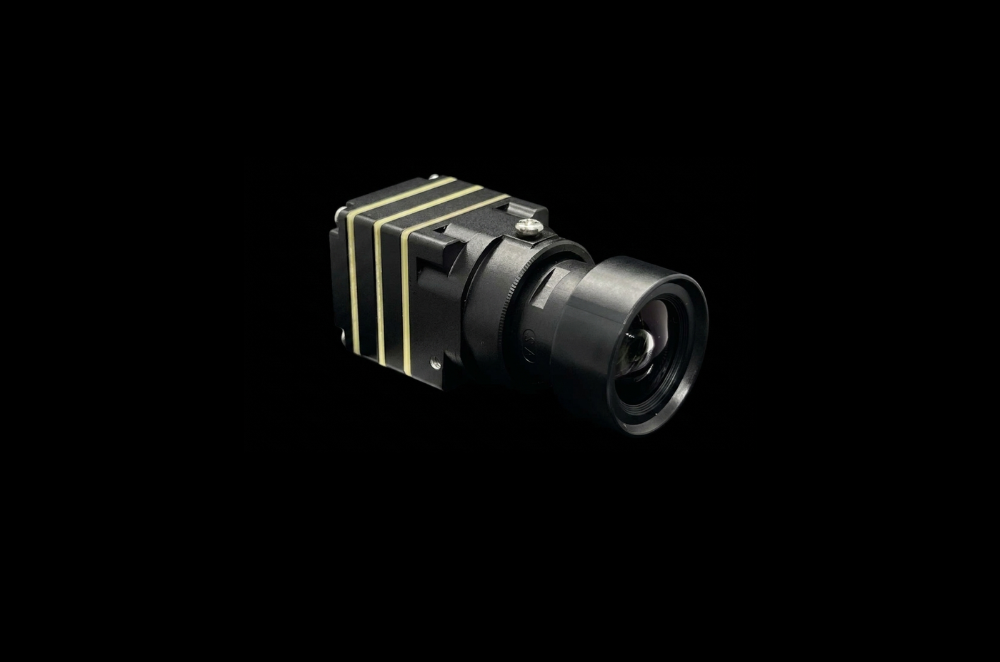
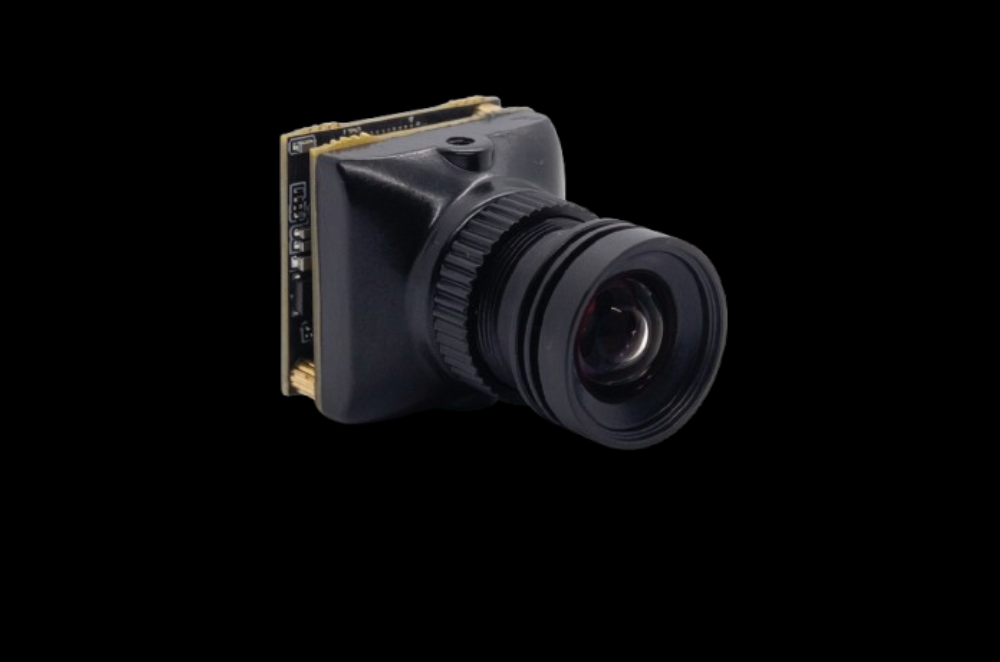
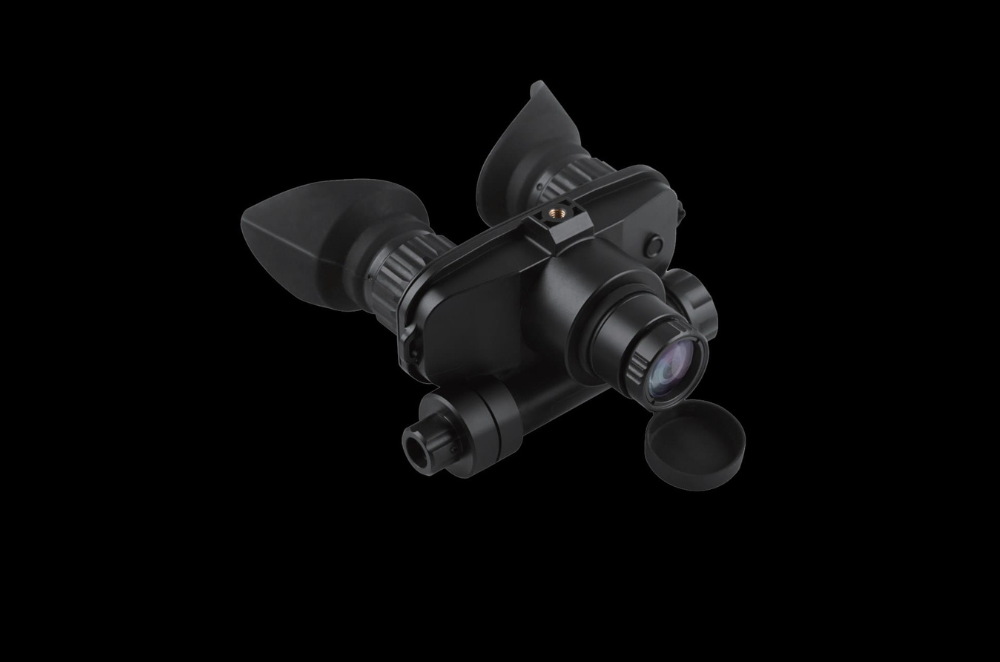
A look at why fielded units are moving from separate low-light and thermal goggles toward fused systems like the XHS1-NVG64-FS.
An infantry squad moving through wooded terrain after dark faces a specific problem that single sensor night vision has never fully solved. Image intensified goggles render fine detail and depth well, but a target lying still behind a hedge line or inside a vehicle can vanish entirely if there is no ambient light reflecting off it. Thermal alone would catch that same target instantly, but loses the terrain detail an operator needs to navigate and communicate position.
Carrying both systems has always meant carrying both systems, two separate goggles, two battery types, and a helmet load that grows heavier every mission cycle. Switching between them mid patrol means breaking visual contact with the terrain for the seconds it takes to swap equipment, which is exactly the moment a threat is most likely to move.
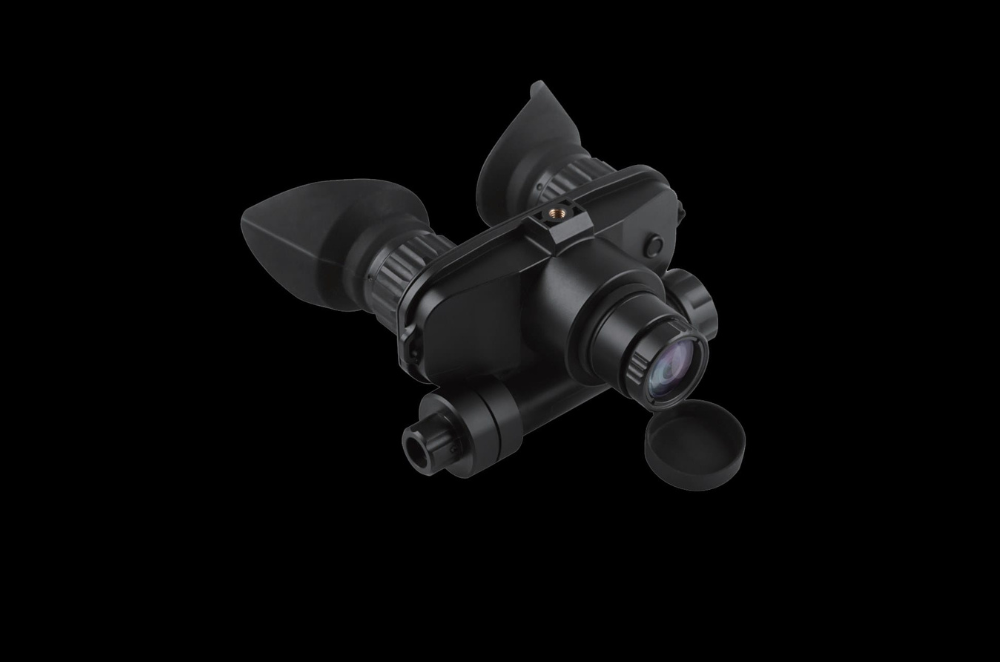
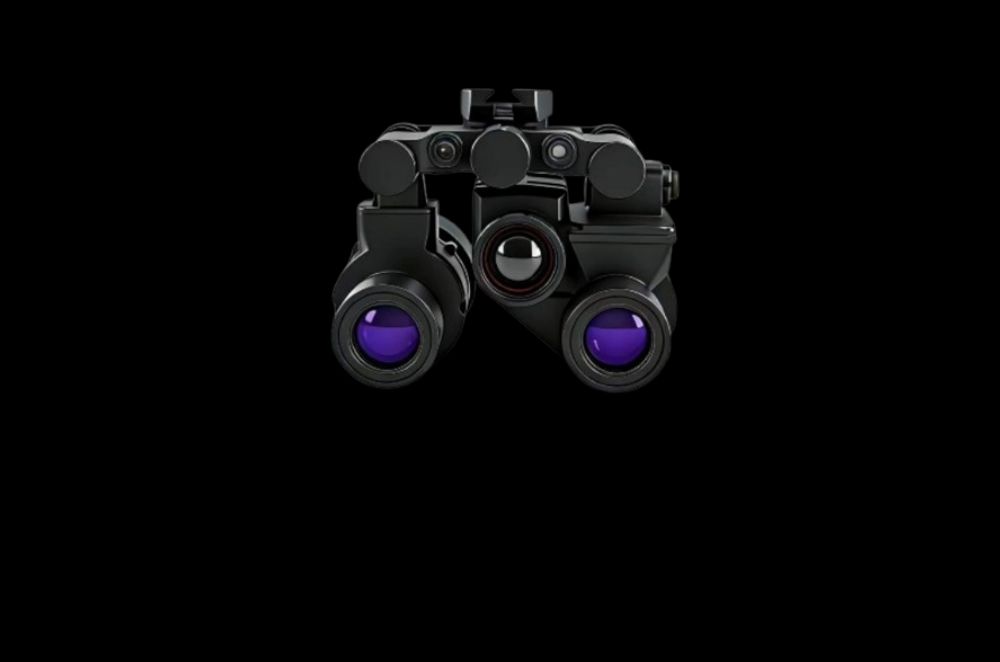
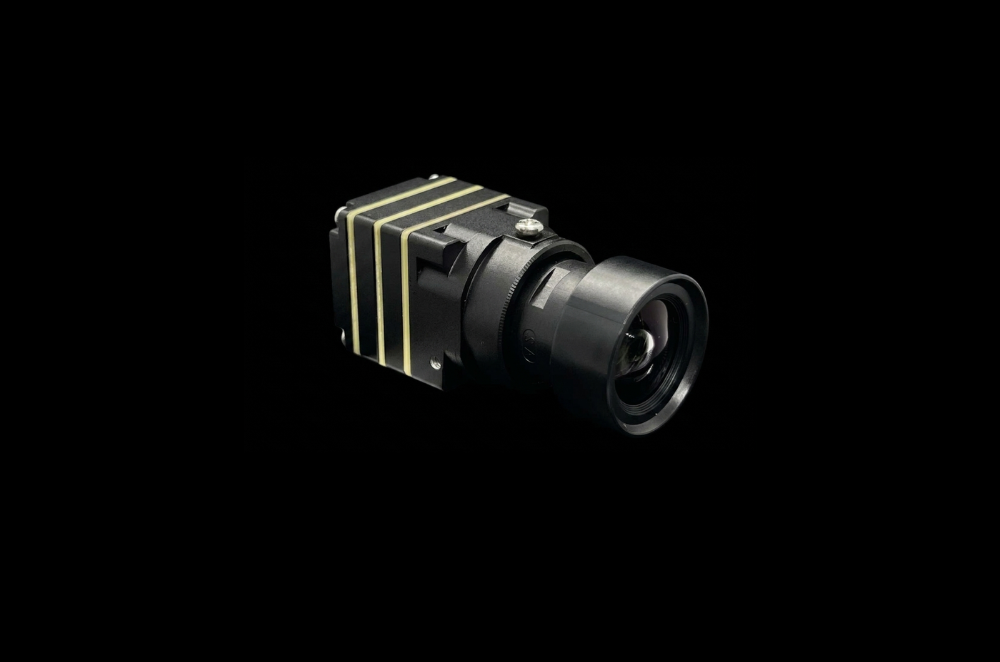
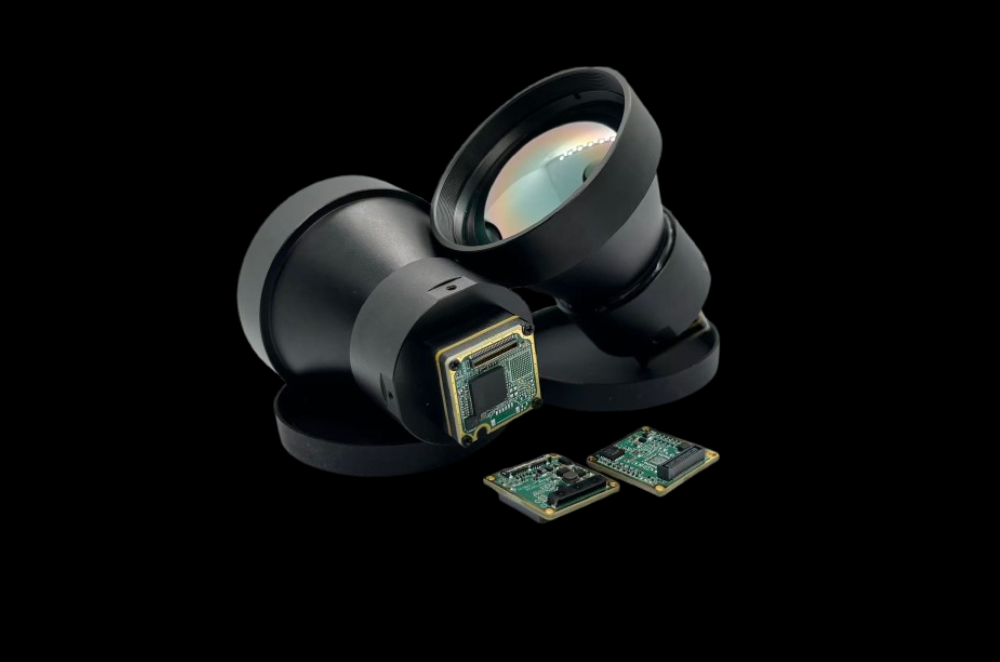
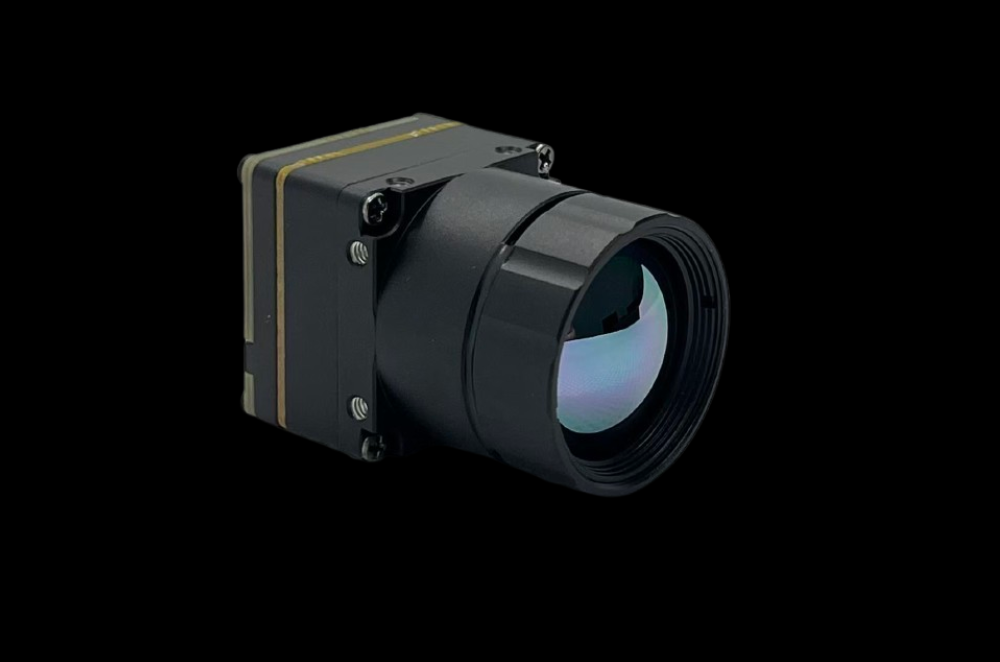
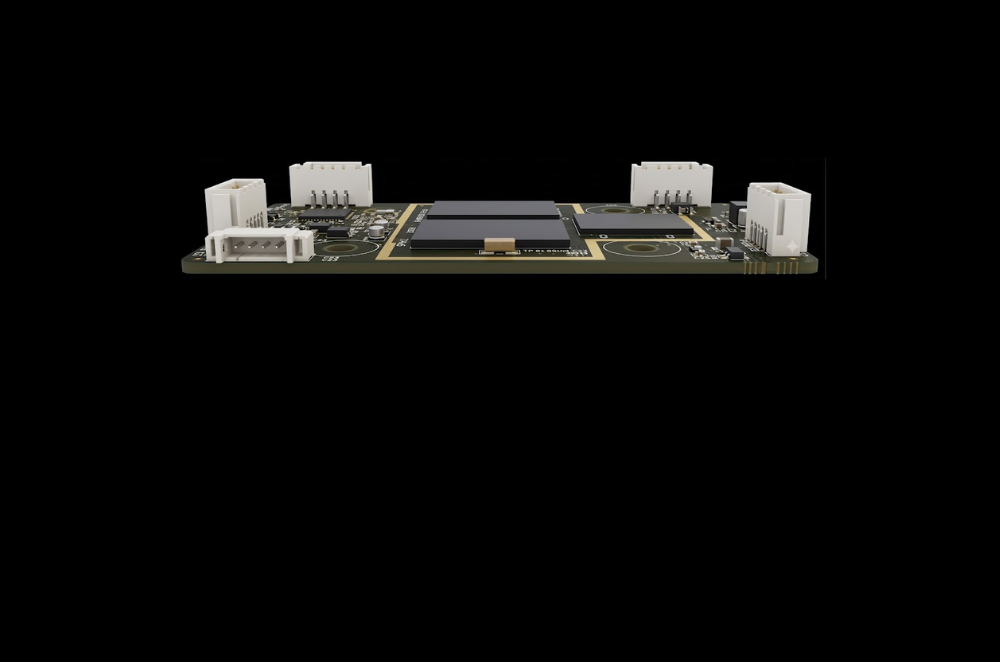
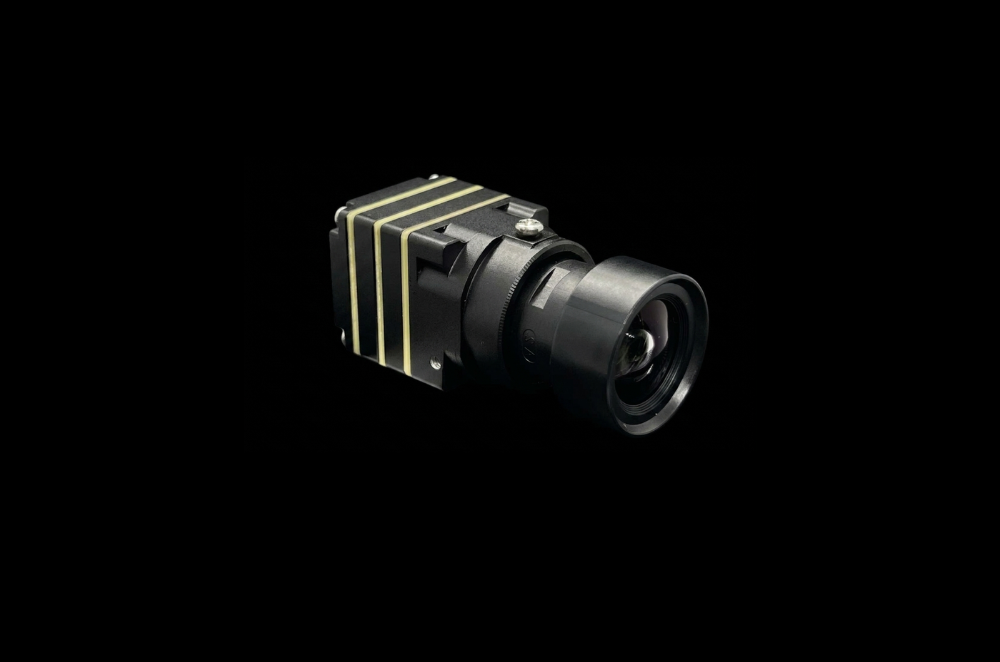
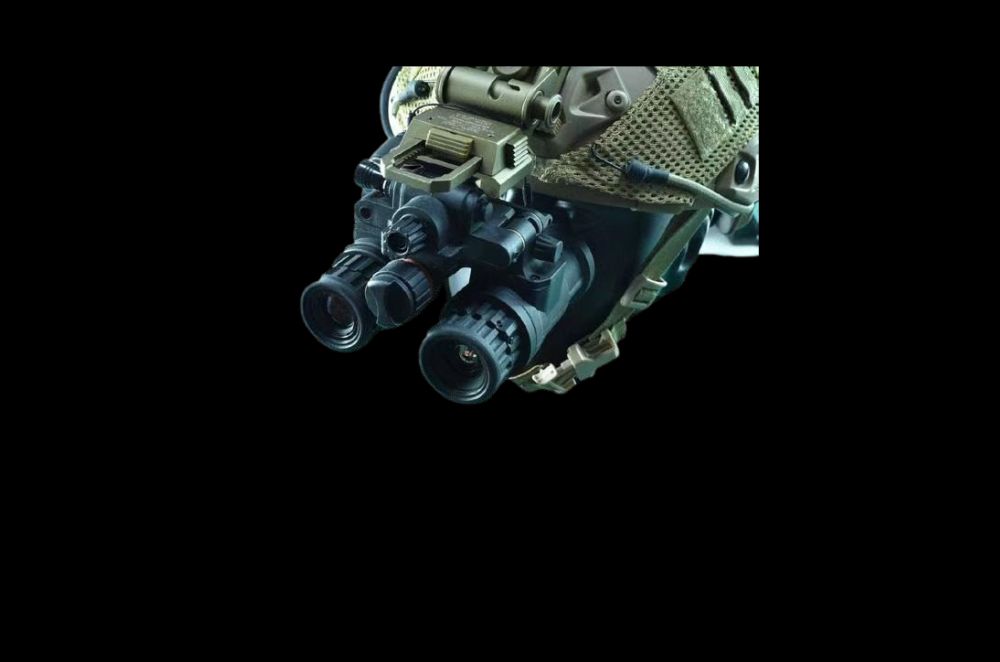
Star-Navi built the XHS1-NVG64-FS to remove that tradeoff rather than manage it. The goggle runs a low light CMOS channel and an uncooled thermal channel through the same optical path, then fuses the two digitally so an operator sees one combined image instead of switching between two separate views. A dedicated fusion outline mode goes a step further, overlaying just the thermal silhouette of a heat source onto the low light scene so a target stands out without losing the surrounding terrain picture.
What Changes for the Operator
In practice that means one helmet mount, one battery platform, and one set of controls instead of two. The goggle's interpupillary and diopter adjustments carry over regardless of which imaging mode is active, so moving from low light to fusion to thermal does not require re-fitting the goggle each time, only a mode change.
As dismounted units continue adding sensors and electronics to an already crowded helmet platform, systems that consolidate two capabilities into one housing rather than adding a second device are likely to see the most interest, and fusion goggles like this one are becoming the reference point other manufacturers are being measured against.