
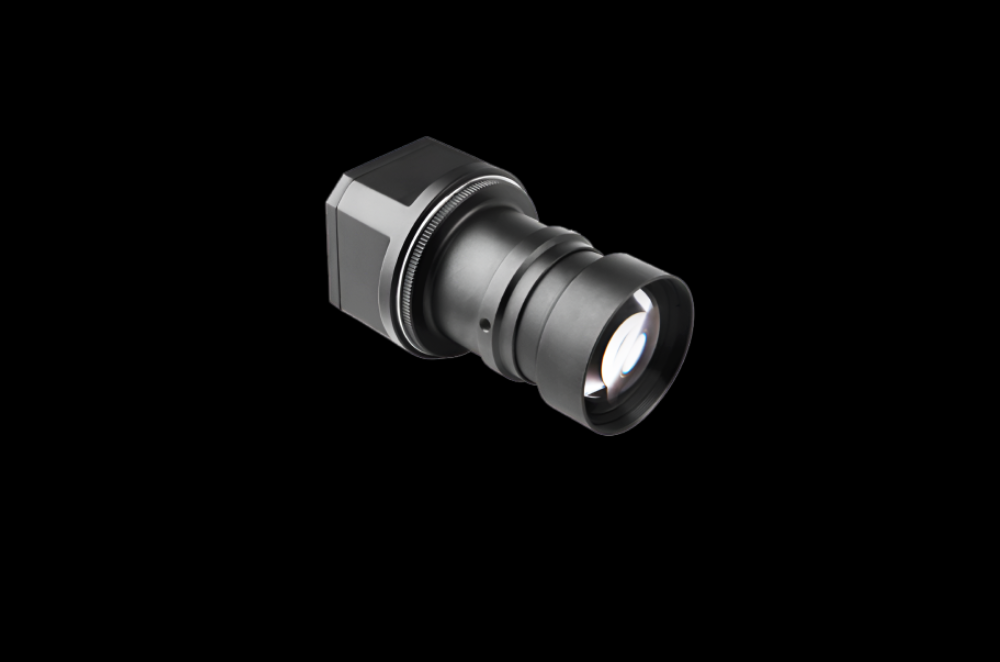
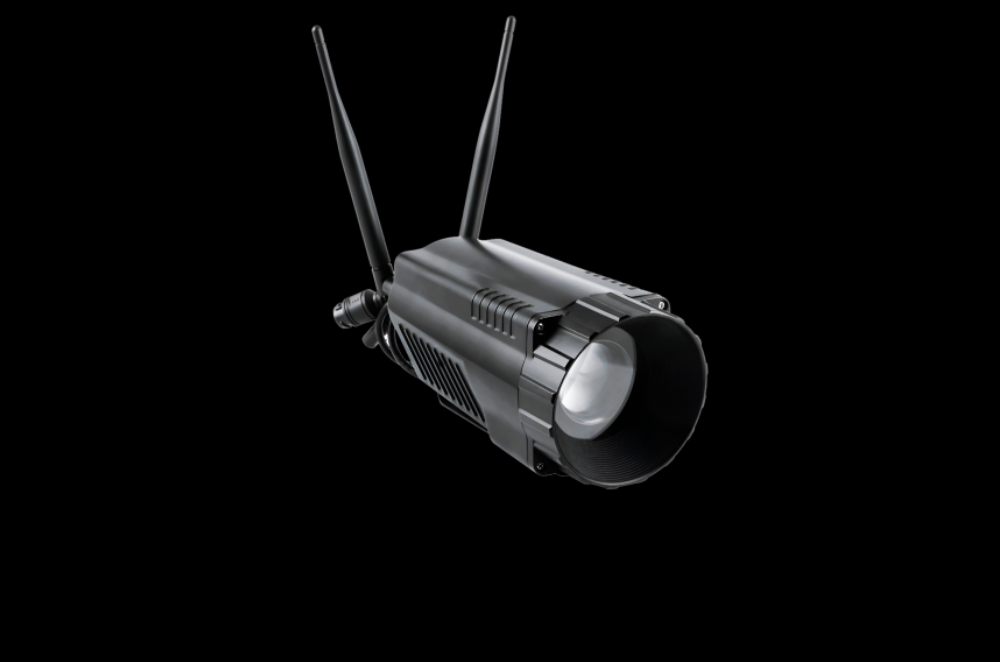
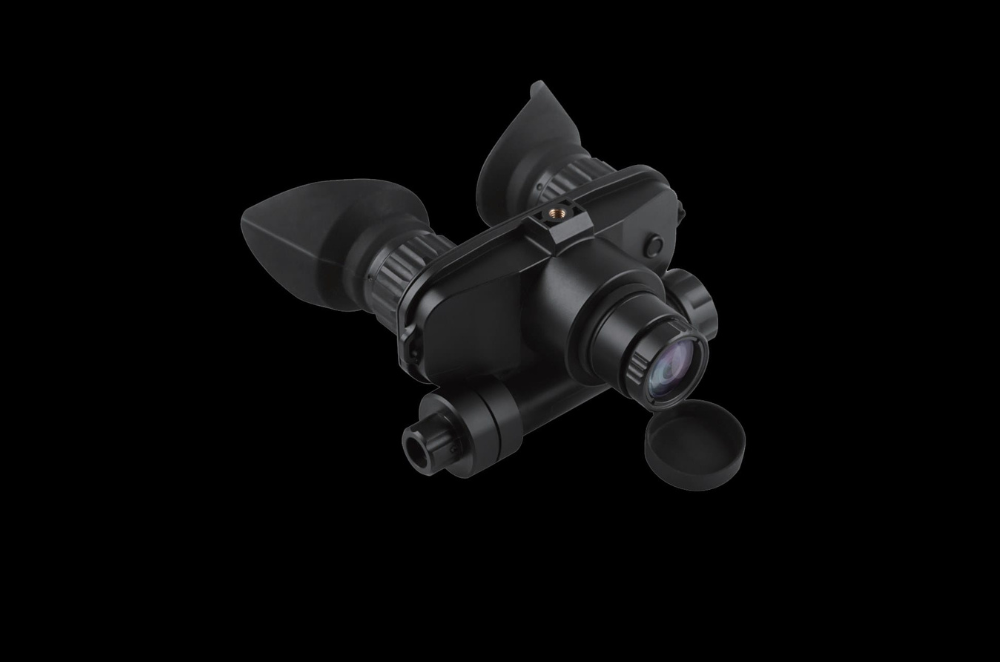
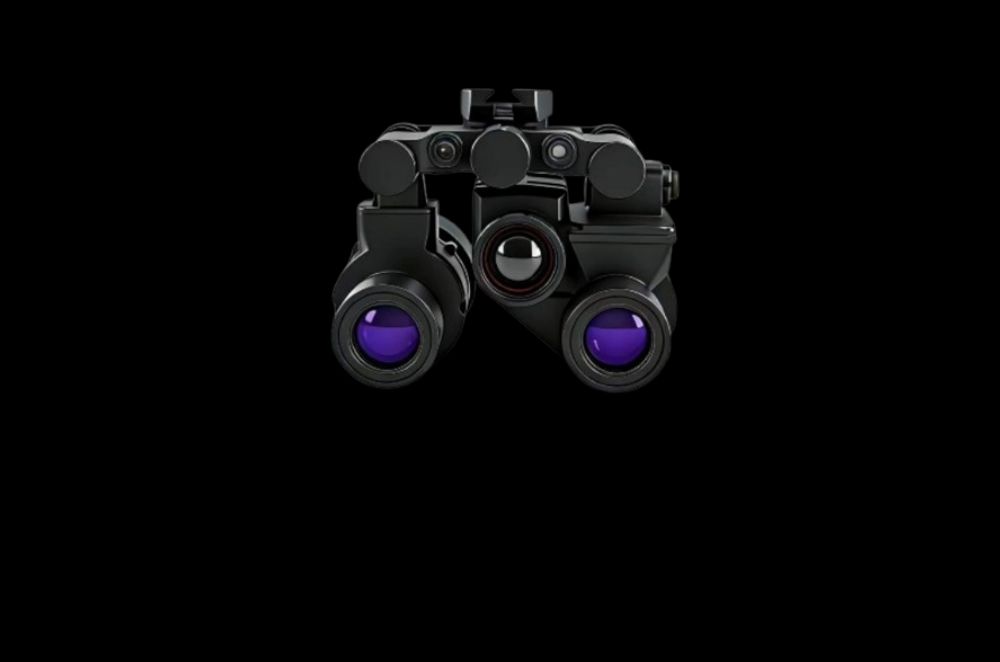
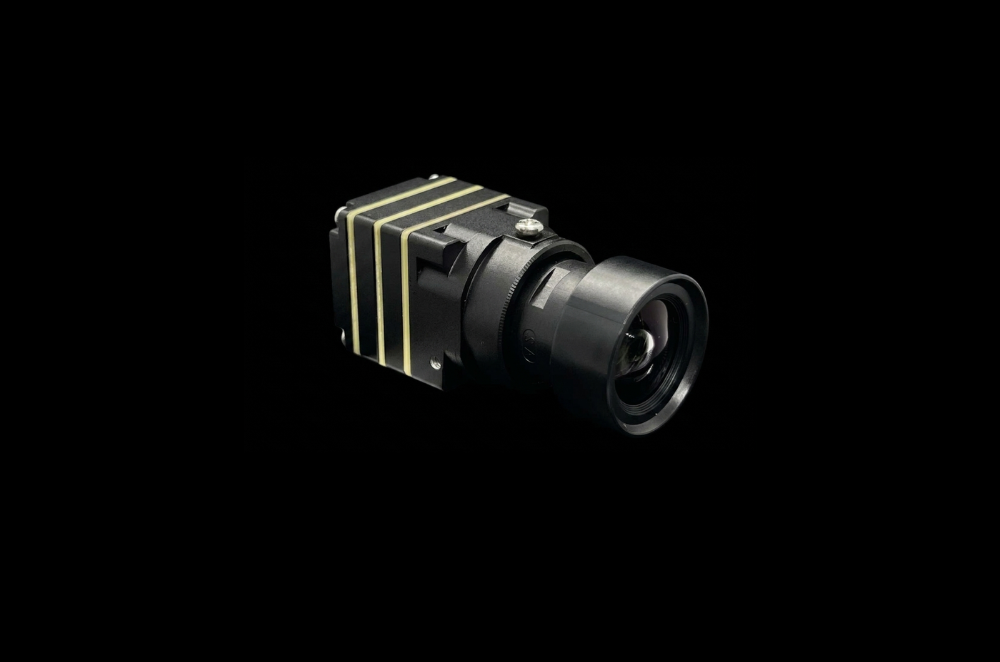
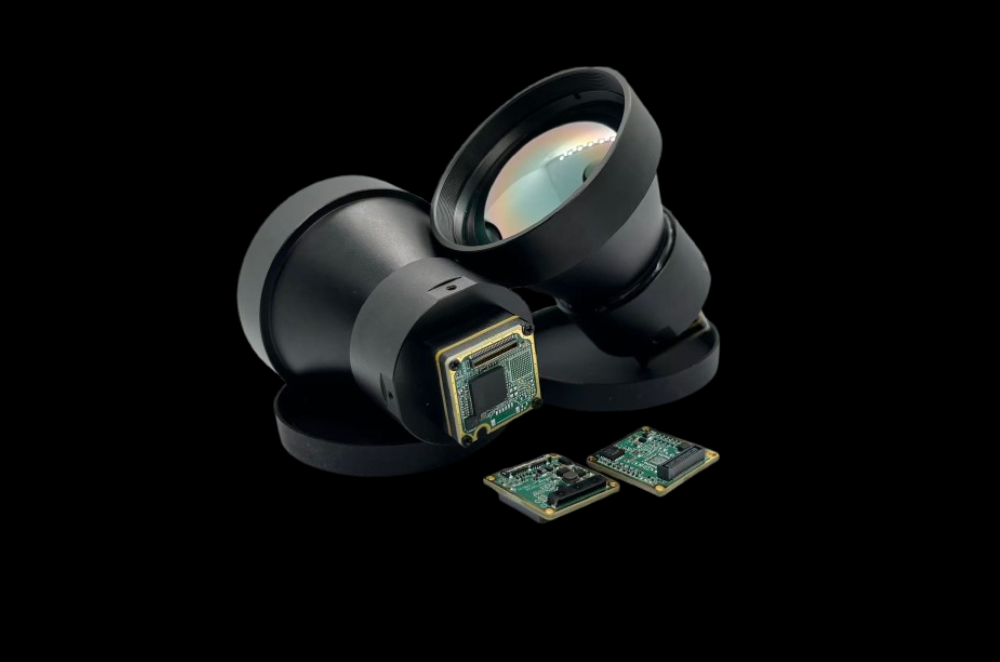
Star-Navi announces the completion of European multi-mode integration trials for the XHM4201GT guidance module, validating EO, laser, and thermal sensor fusion across the terminal engagement envelope.
HONG KONG, China, 22 April 2026 — Star-Navi (NDL) has announced the completion of multi-mode integration trials for the XHM4201GT High-Speed Guidance and Angular Measurement Module, confirming successful sensor fusion between the visible-spectrum EO seeker core and externally mounted laser rangefinder and thermal imaging channels across the full terminal engagement envelope. The milestone follows European field trials conducted in March 2026 and represents the final qualification gate before series production release of the expanded multi-mode seeker configuration.
Integration Scope and Trial Outcomes
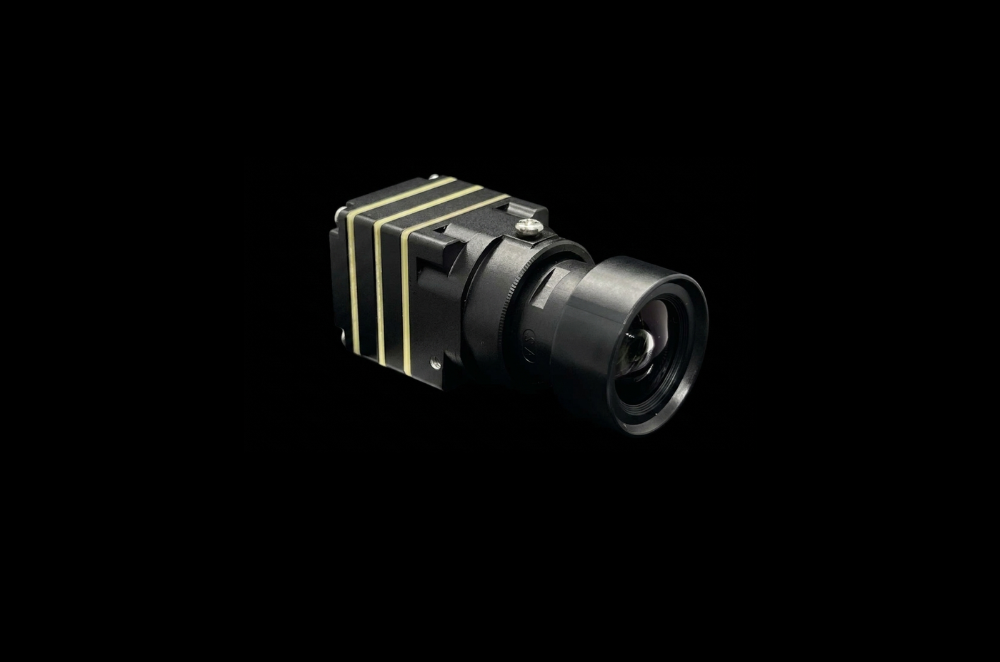
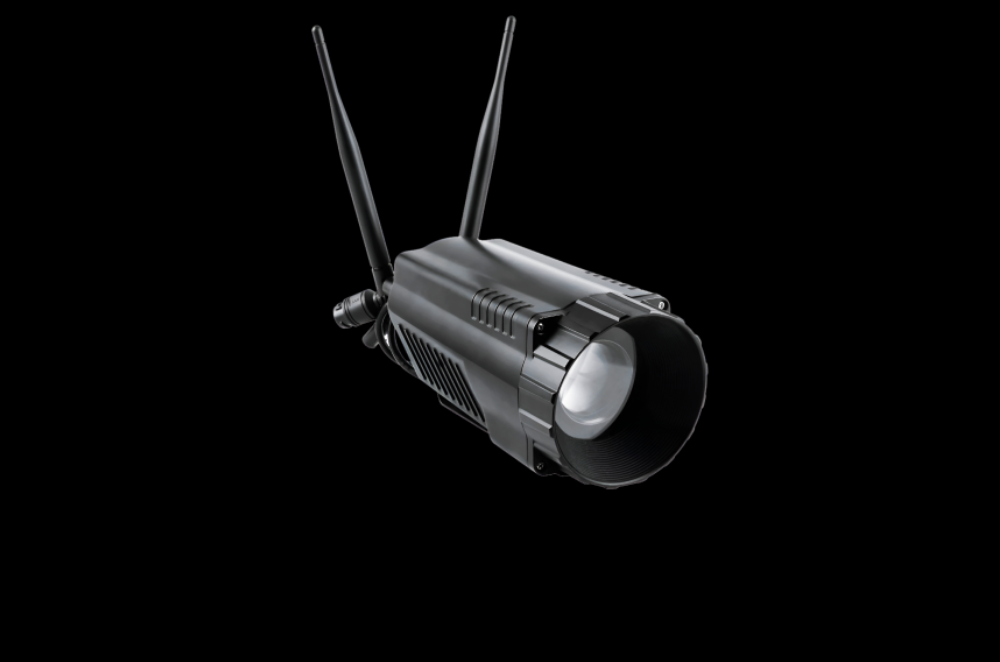
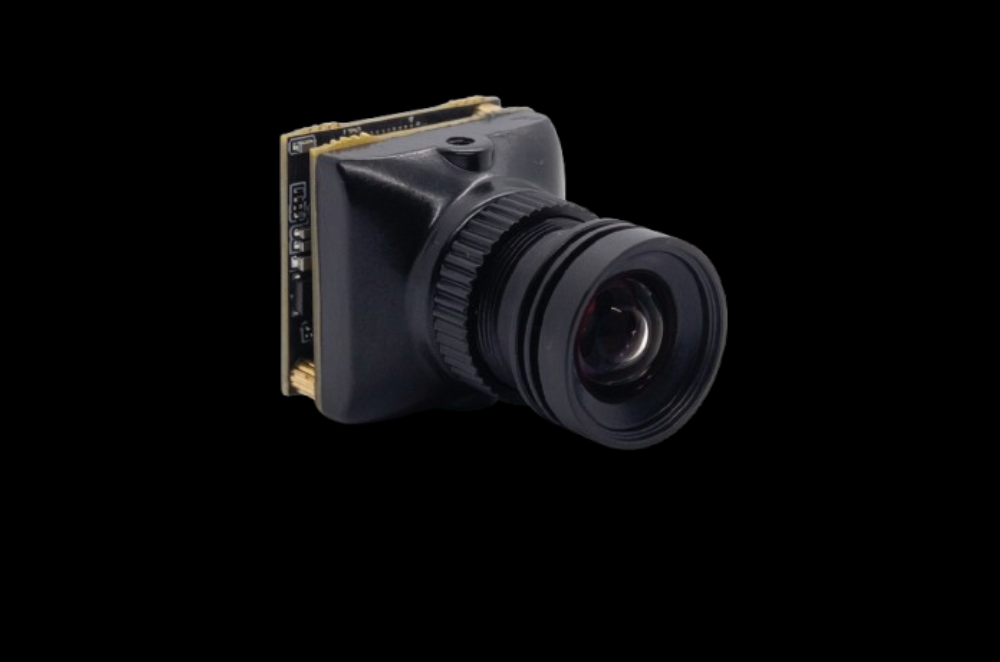
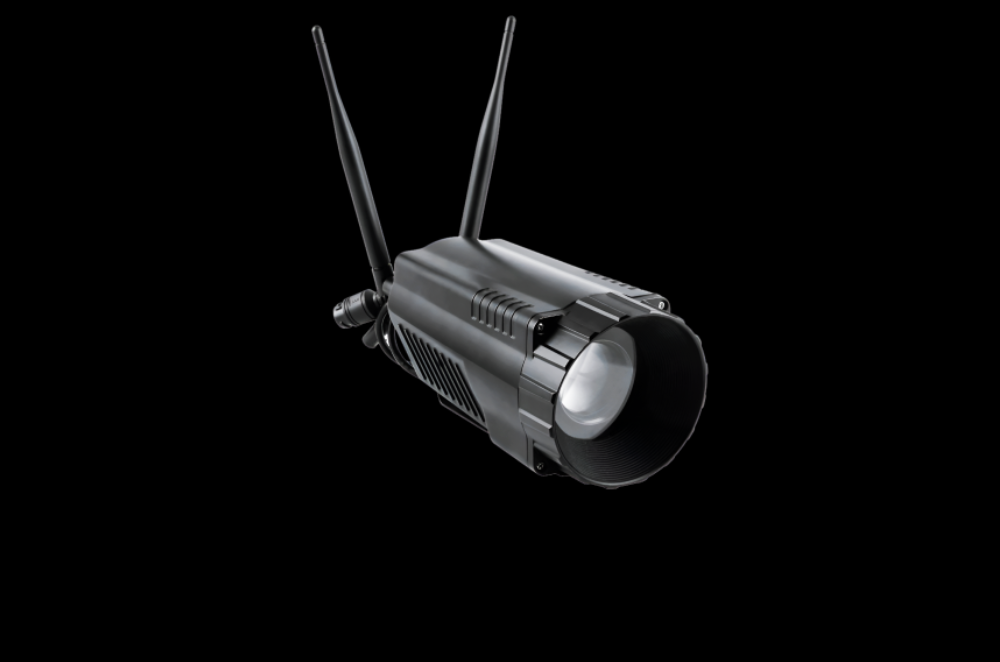
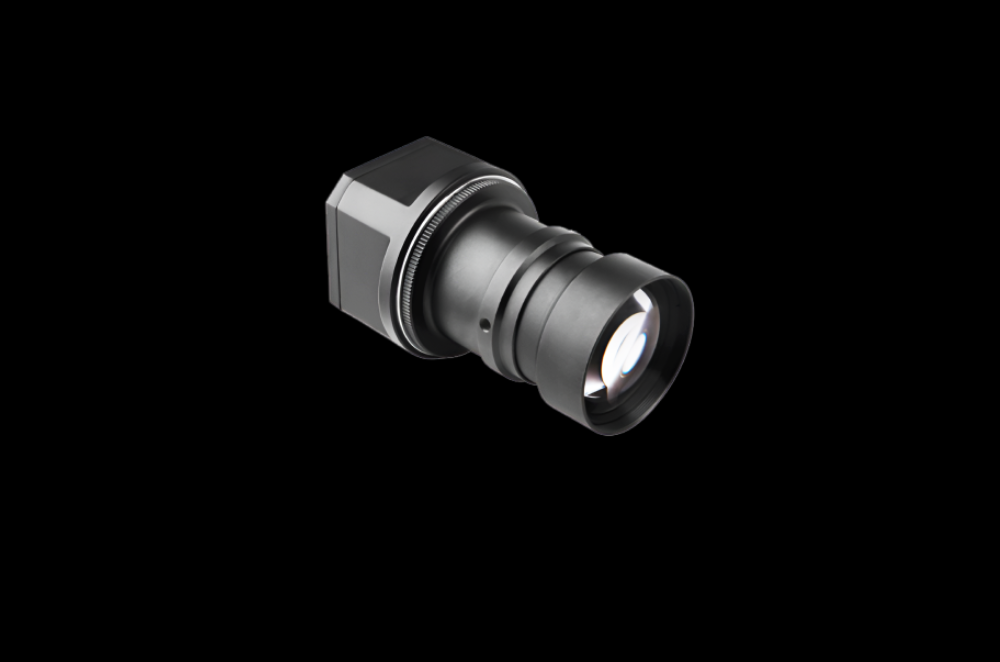
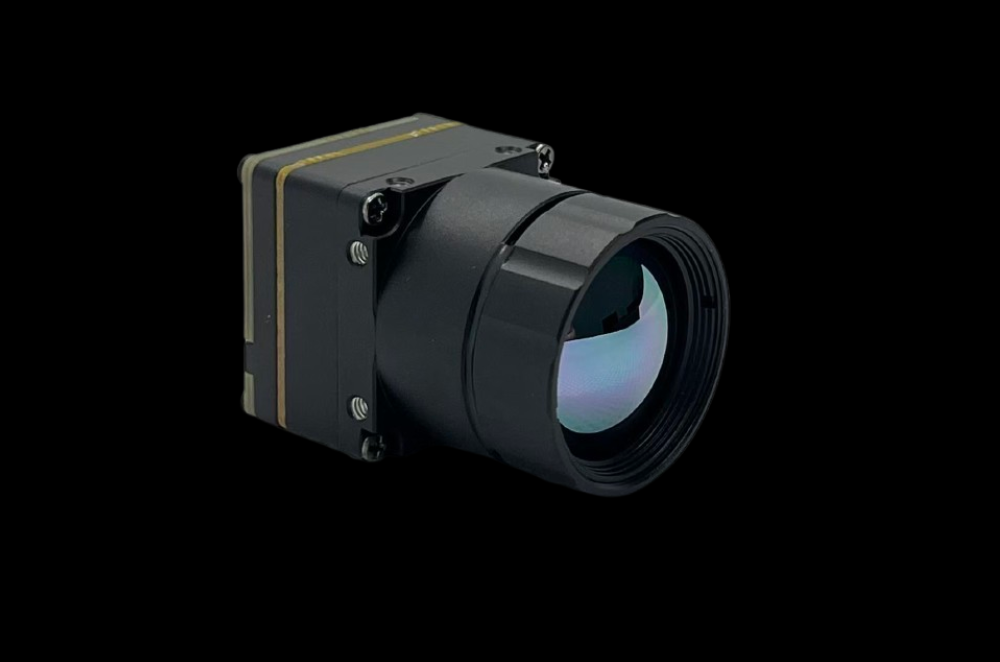
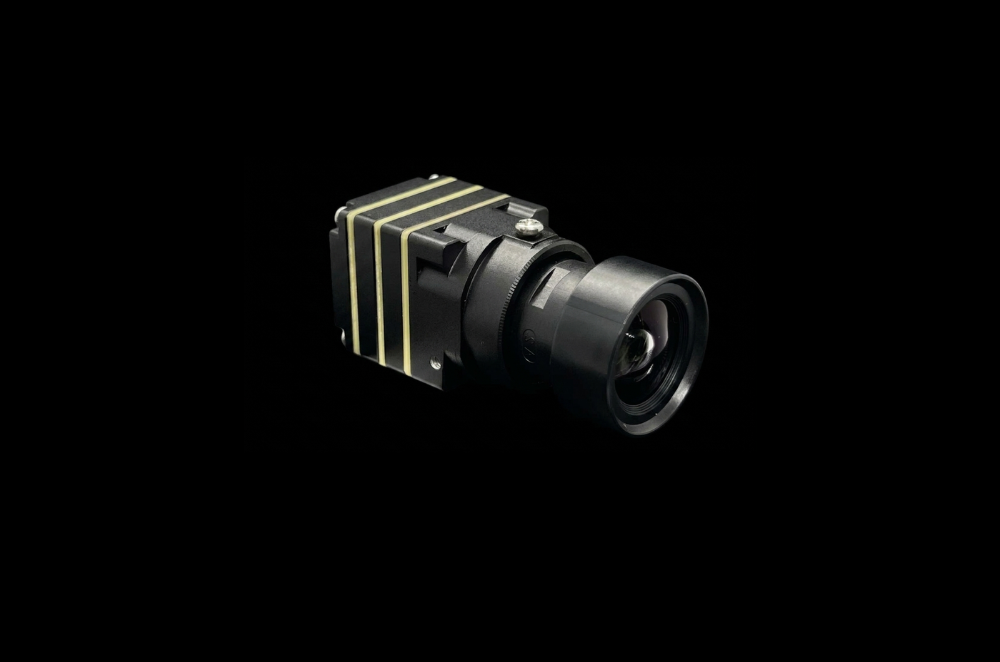
The XHM4201GT was initially released in late 2025 as a standalone visible-spectrum EO seeker module for OEM integration into 42 mm class precision-guided airframes, delivering angular accuracy of ≤ 0.7 mrad, vehicle detection to ≥ 1400 m, and target capture within ≤ 300 ms from a 4K CMOS array operating in the 0.4 to 0.7 µm waveband. The April 2026 integration milestone extends this baseline with a validated interface architecture allowing the seeker to receive and fuse target position data from co-mounted laser designation and thermal imaging payloads, enabling the module to maintain guidance continuity across smoke, dust, and target aspect transitions that would degrade single-sensor lock in terminal engagement scenarios.
European field trials in March evaluated the XHM4201GT in both standalone EO mode and multi-mode configuration against representative vehicle and multirotor UAV target sets at ranges from 800 m to 1400 m. Performance in memory tracking mode, which sustains guidance output for one second following loss of optical lock, was assessed under adverse environmental conditions including partial obscuration by smoke and terrain masking during the terminal approach phase. Trial results confirmed guidance continuity requirements across all evaluated engagement scenarios.
Market and Programme Relevance
Seeker integration programmes for loitering munitions, counter-UAS interceptors, and small-diameter precision-guided warheads have increasingly specified multi-mode terminal guidance capability as a programme requirement rather than an optional performance enhancement, driven by operational analysis of engagement failures attributed to single-sensor seeker vulnerability in contested environments. The XHM4201GT multi-mode configuration addresses this requirement at the 42 mm seeker bay form factor and ≤ 80 g mass constraint that defines the integration envelope for the majority of current lightweight precision-guided airframe programmes.
Executive Statement
"The March field trials gave us the data we needed to confirm that the fusion architecture performs as designed under conditions that actually occur in terminal engagements," said the Chief Engineer, Guidance Systems, at Star-Navi. "The memory tracking function was the element that trial evaluators scrutinised most closely, and it held guidance continuity across every scenario we ran against it. We are now in active discussions with several OEM airframe programmes about integration timelines for the multi-mode configuration."
Series production of the multi-mode XHM4201GT configuration is scheduled to begin in the third quarter of 2026, with initial OEM deliveries targeted for the fourth quarter.