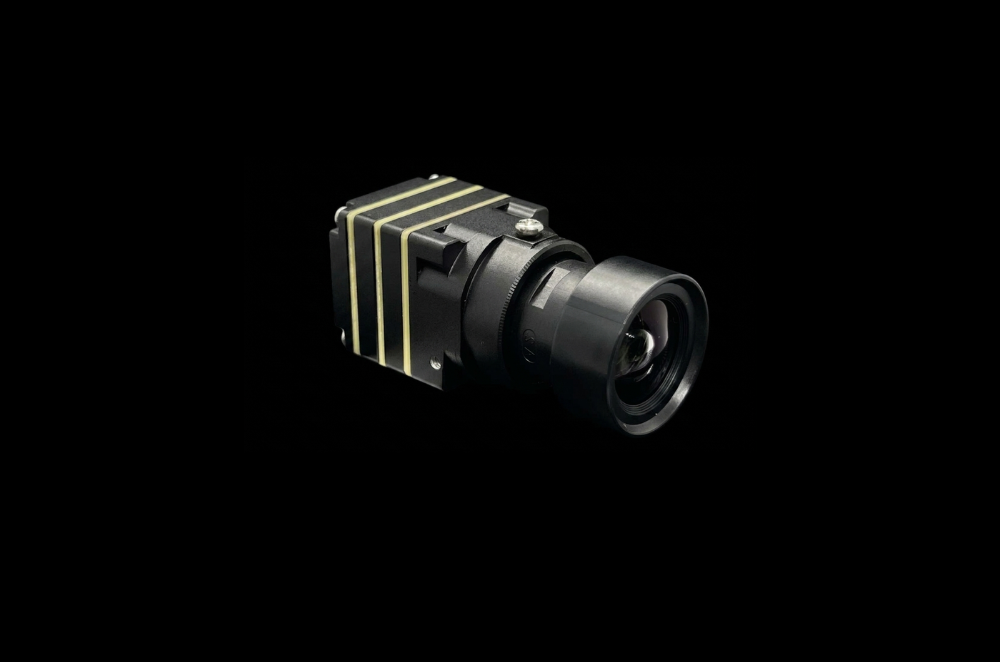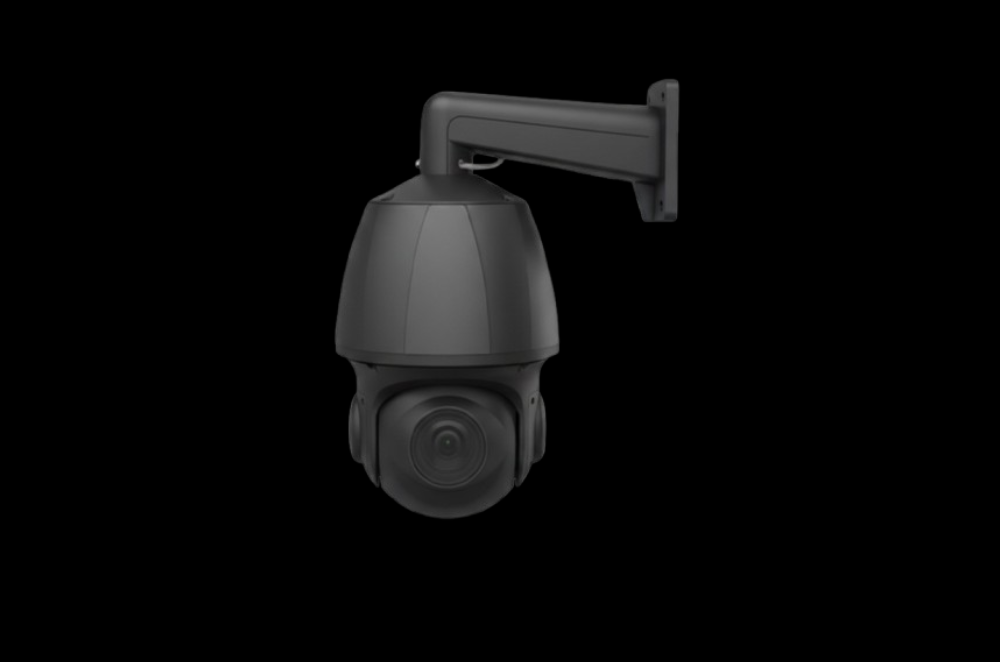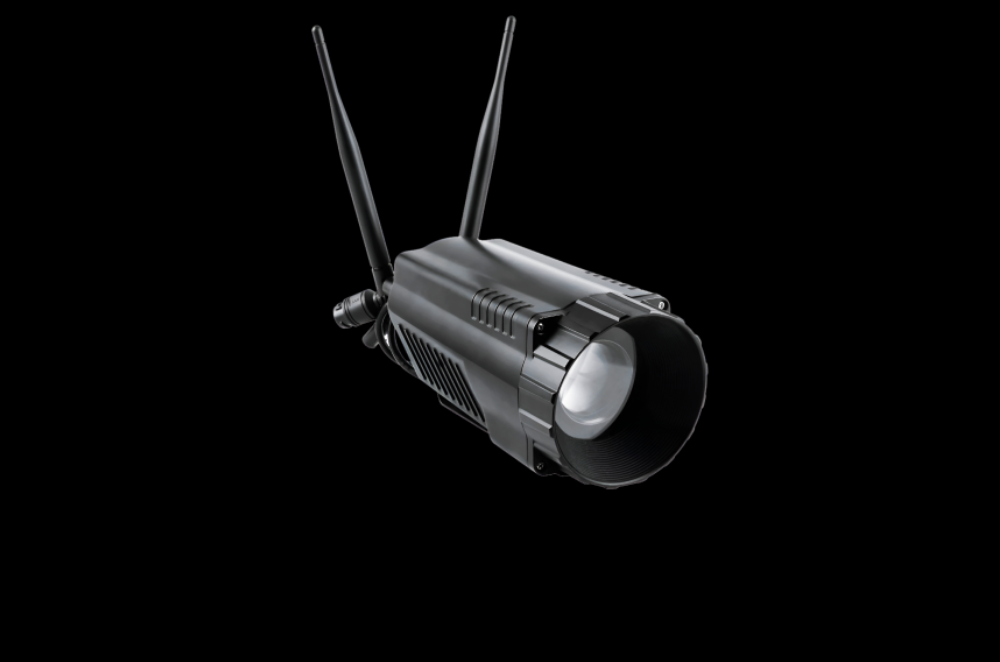
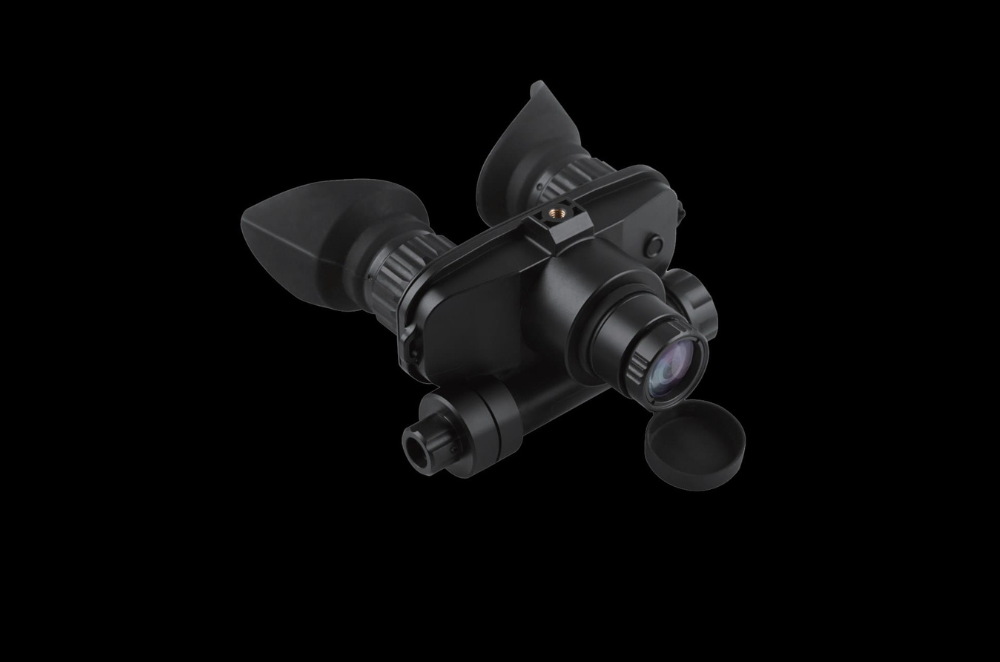
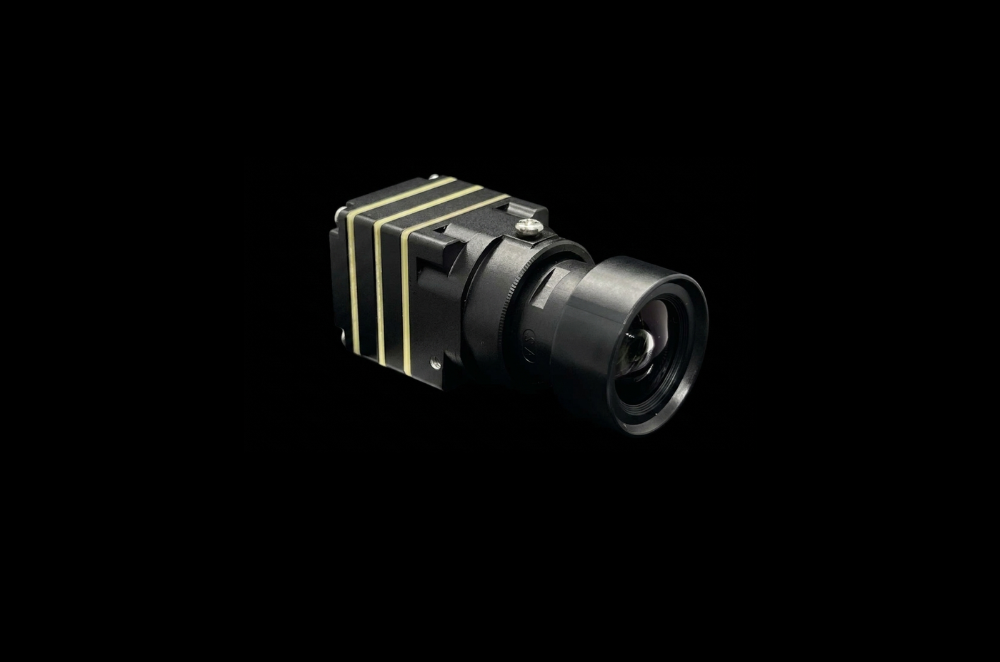
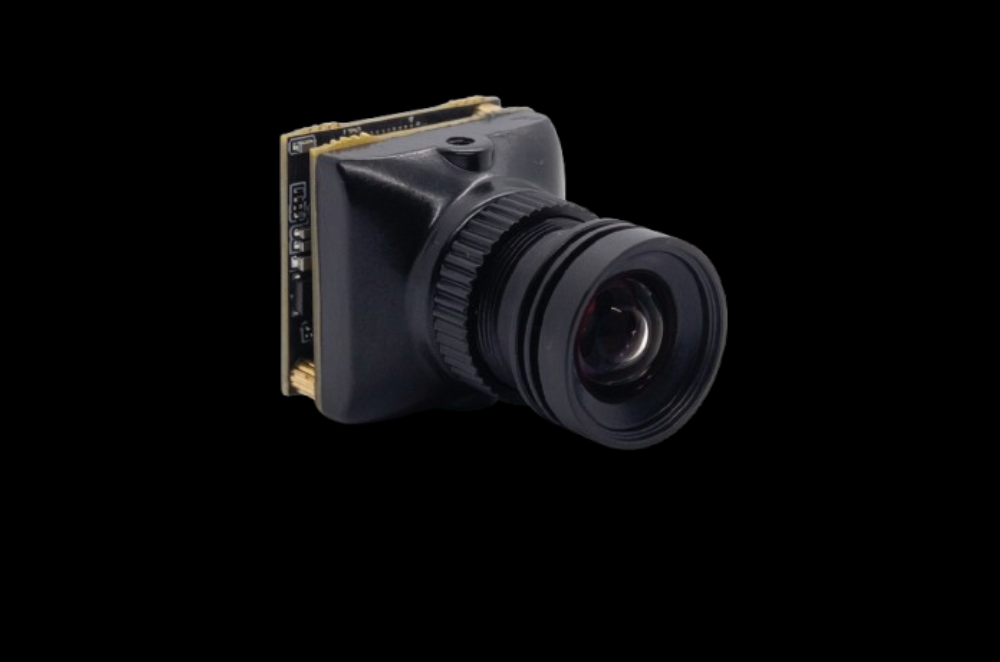
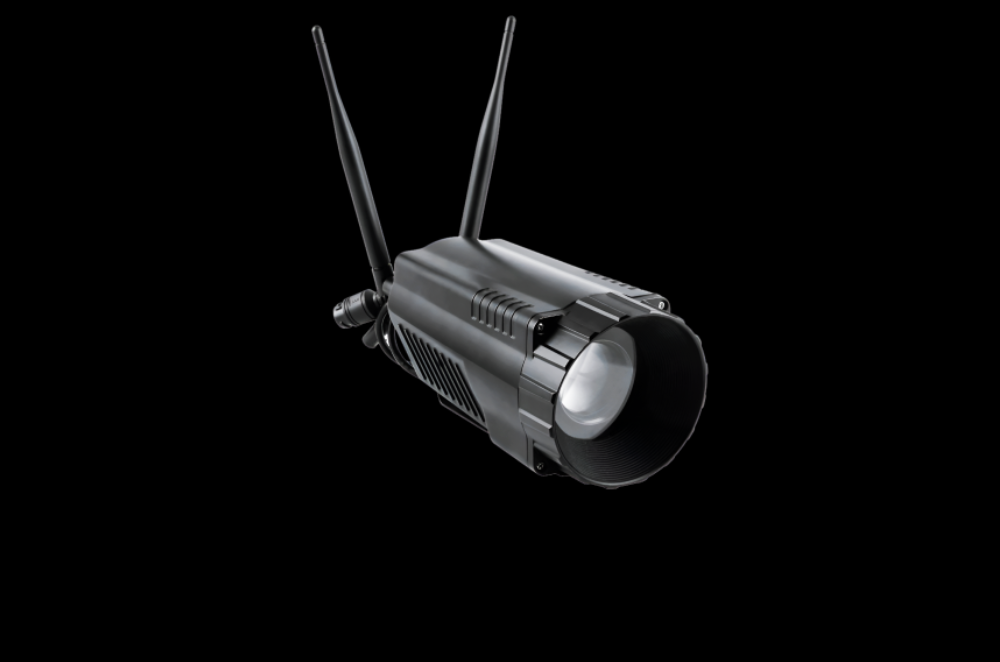
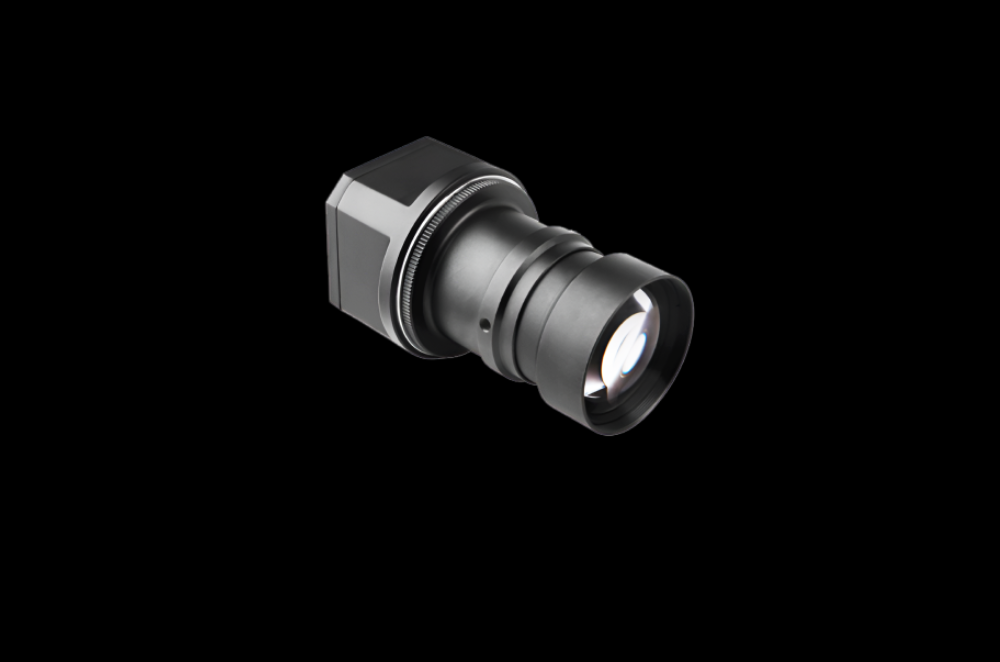
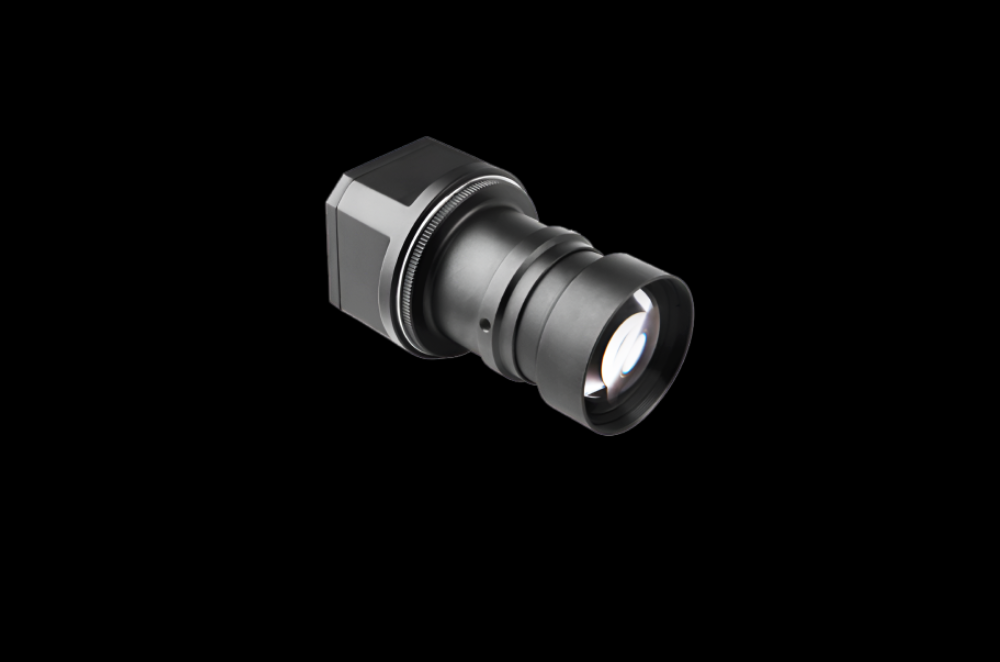
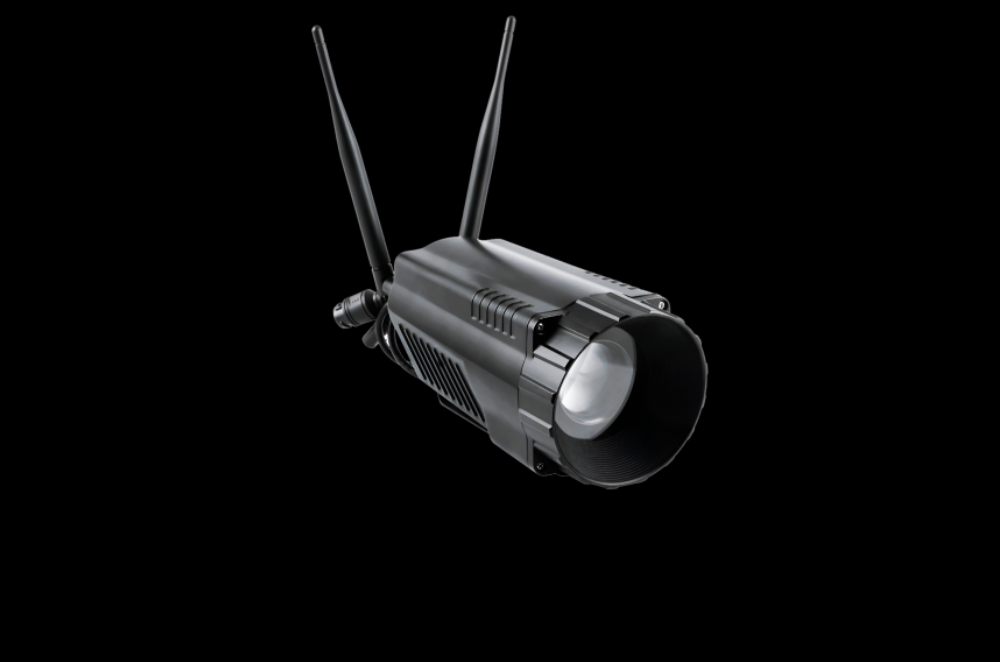
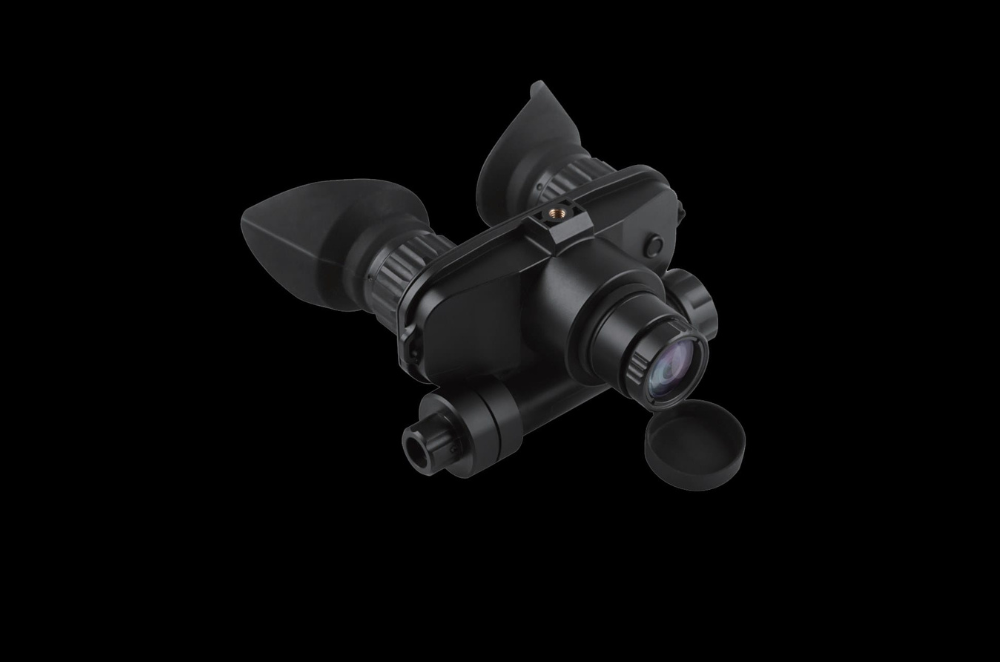
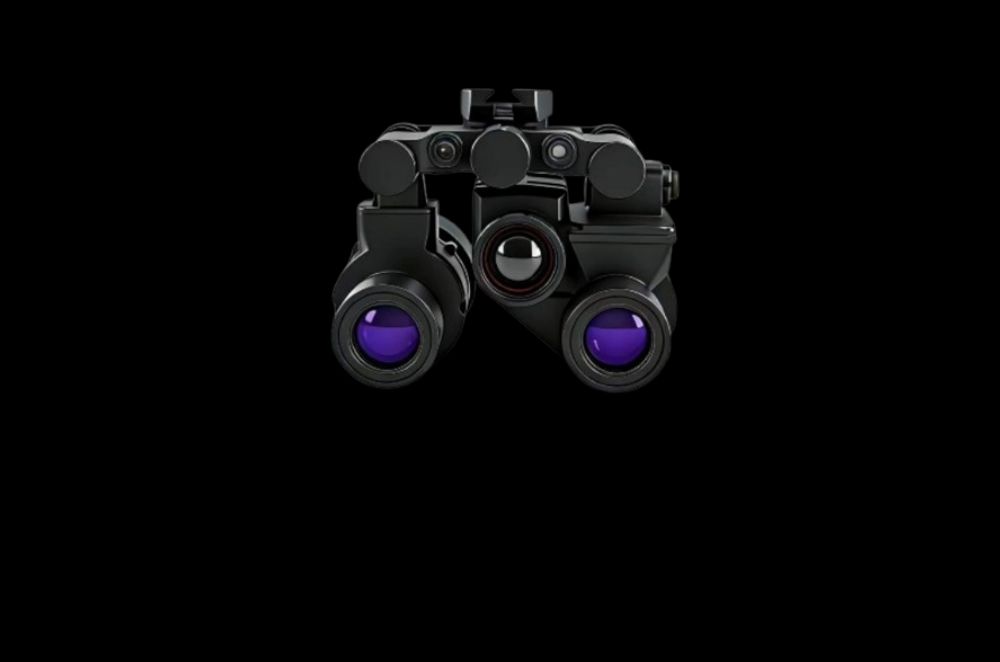
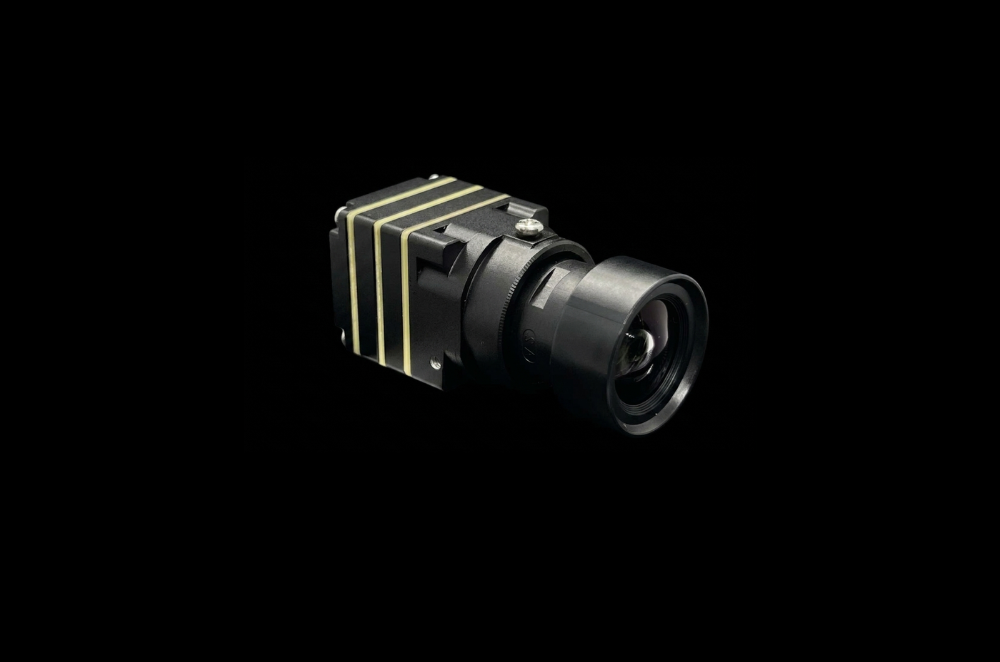
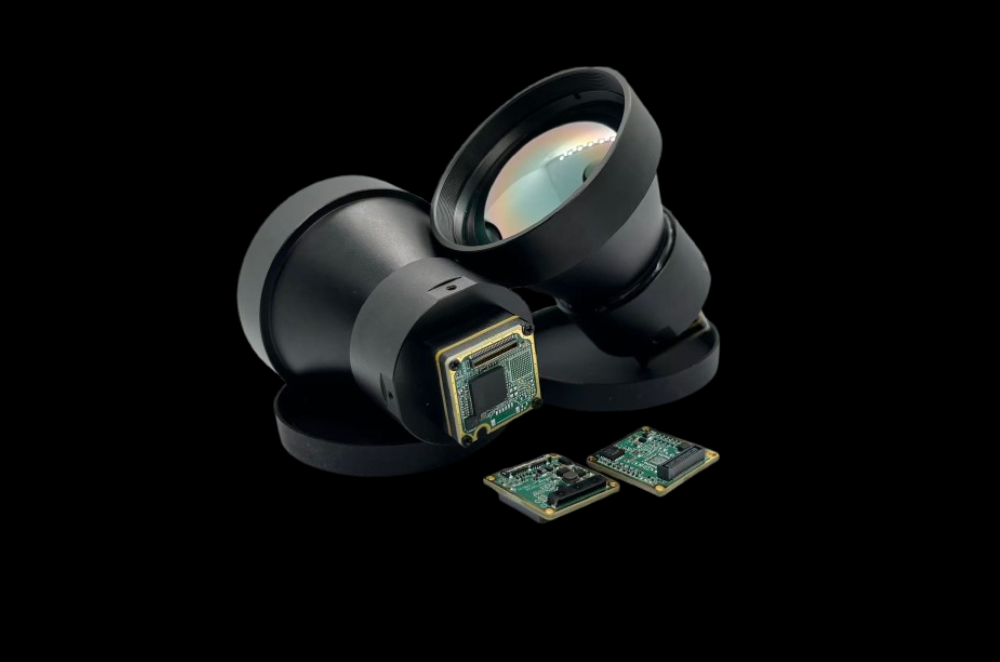
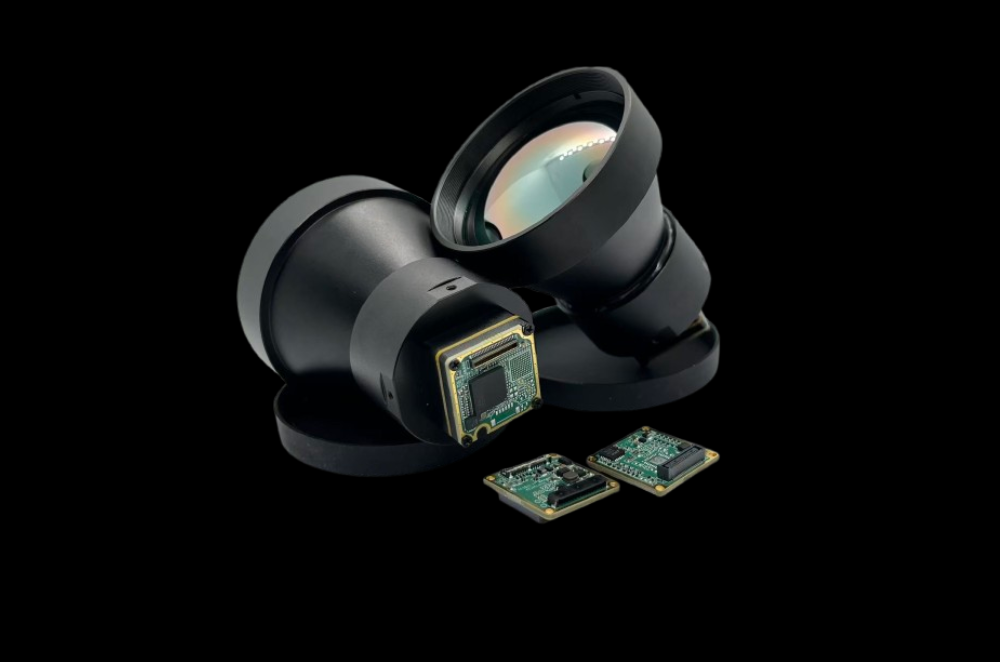
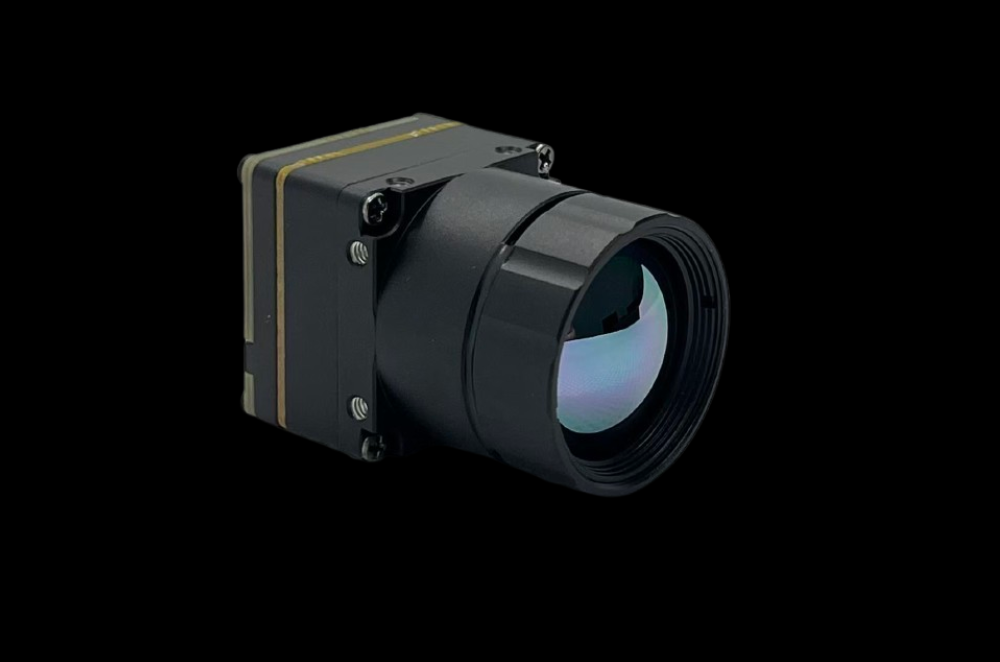
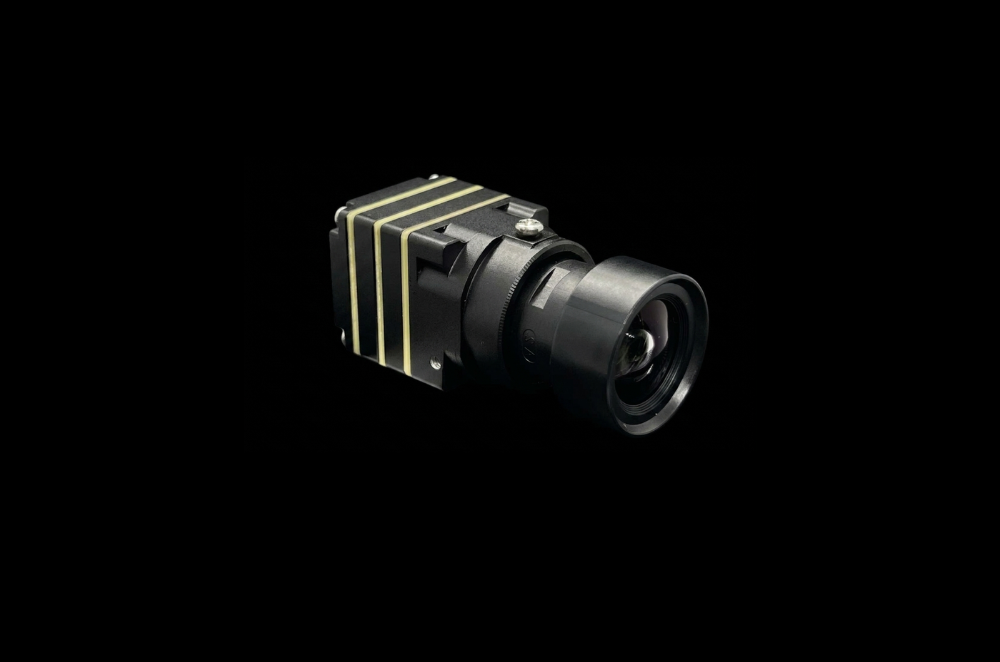
At 9000 m person detection with a 290 mm F1.7 auto-back-focus lens and 0.001 lux sensitivity, the XHC2290C-ABF challenges thermal imaging as the primary sensor for long-range fixed perimeter surveillance.
Perimeter security programmes protecting strategic infrastructure at large standoff ranges have long accepted thermal imaging as the only viable sensor technology for person detection beyond 5000 m. That assumption is being challenged as high-aperture telephoto electro-optical systems operating in the starlight sensitivity band achieve detection ranges that overlap with thermal long-range capability in clear-sky conditions, without the export licensing, power draw, and cost per unit that restrict thermal sensors to smaller deployed quantities in national programmes. At 9000 m rated person detection range, the XHC2290C-ABF represents a significant shift in what fixed electro-optical surveillance hardware can deliver.
9000 m Person Detection from a Fixed Surveillance Position
The XHC2290C-ABF uses a 290 mm F1.7 auto-back-focus telephoto lens on a starlight-class CMOS sensor rated to 0.001 lux at 5 fps. Vehicle detection extends to 18000 m, with person recognition at 4500 m and vehicle recognition at 9000 m under standard test conditions. The F1.7 aperture at 290 mm collects enough light in moonless conditions to generate usable detection-quality imagery at ranges that previously required cooled thermal imaging or active laser illumination, both of which add procurement complexity and recurring operating costs that fixed perimeter installations are designed to avoid.
Maritime and Border Standoff Surveillance Applications
Coastal observation posts monitoring approach corridors, strait chokepoints, and island perimeters require sensors that can provide early detection of surface contacts well before they enter the enforcement action radius. The XHC2290C-ABF provides the detection geometry for that early-warning role from a fixed tower or hilltop position, covering a maritime approach corridor of 9000 m depth in passive starlight imaging mode without transmitting radar or laser signals that would reveal sensor position or alert approaching contacts. Auto-back-focus compensation maintains sharpness at the 290 mm focal length through temperature transitions between overnight lows and daytime highs, a critical requirement for sensors operating in continuous-watch configurations over multi-day periods.
Competitive Position Against Thermal Alternatives
Fixed surveillance tenders that have historically been dominated by MWIR and LWIR thermal sensors are beginning to receive bids that propose ultra-long-range EO systems as primary sensors for detection roles, with thermal imaging repositioned as a secondary confirmatory sensor rather than the primary detection layer. This architectural shift reduces programme cost significantly where the number of primary sensor positions exceeds several dozen units. The XHC2290C-ABF is suited for evaluation in programmes exploring that rebalancing, particularly those where passive EO standoff detection range at 9000 m is sufficient to meet the early-warning timeline requirements specified in the tender.