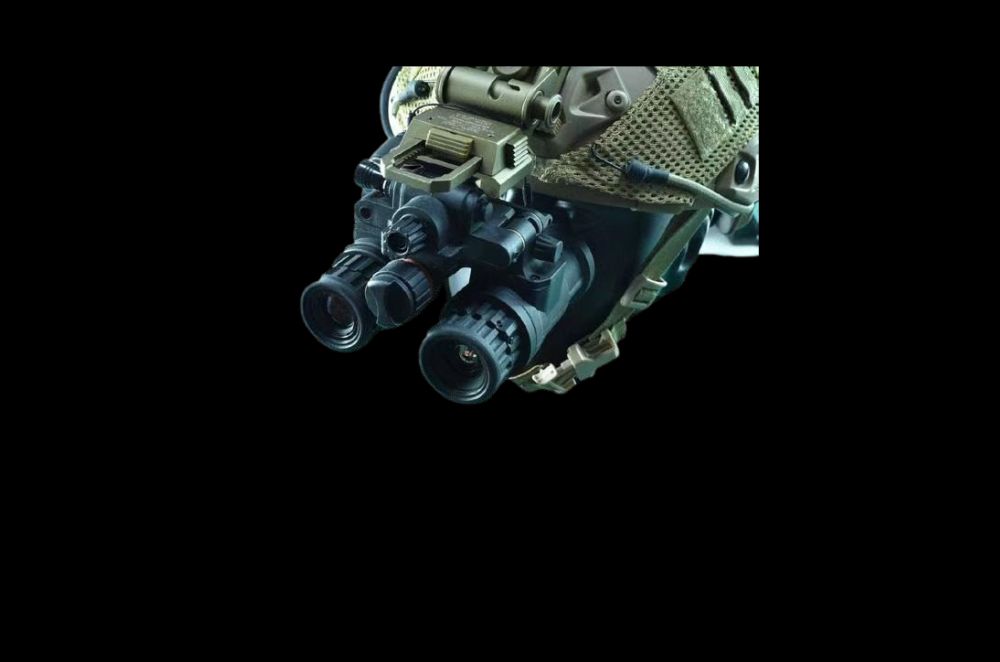
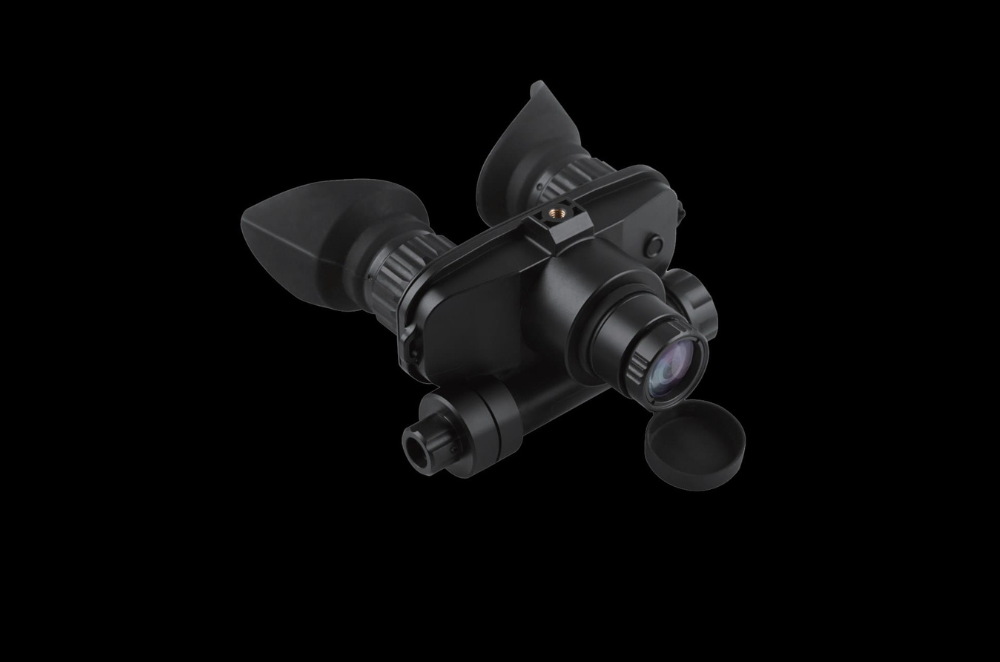
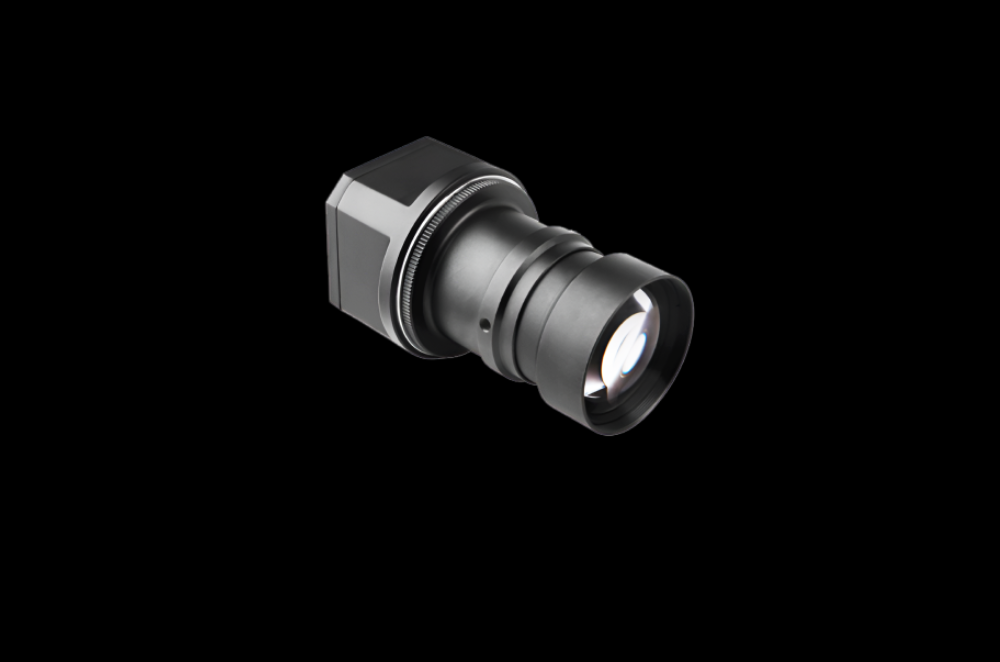
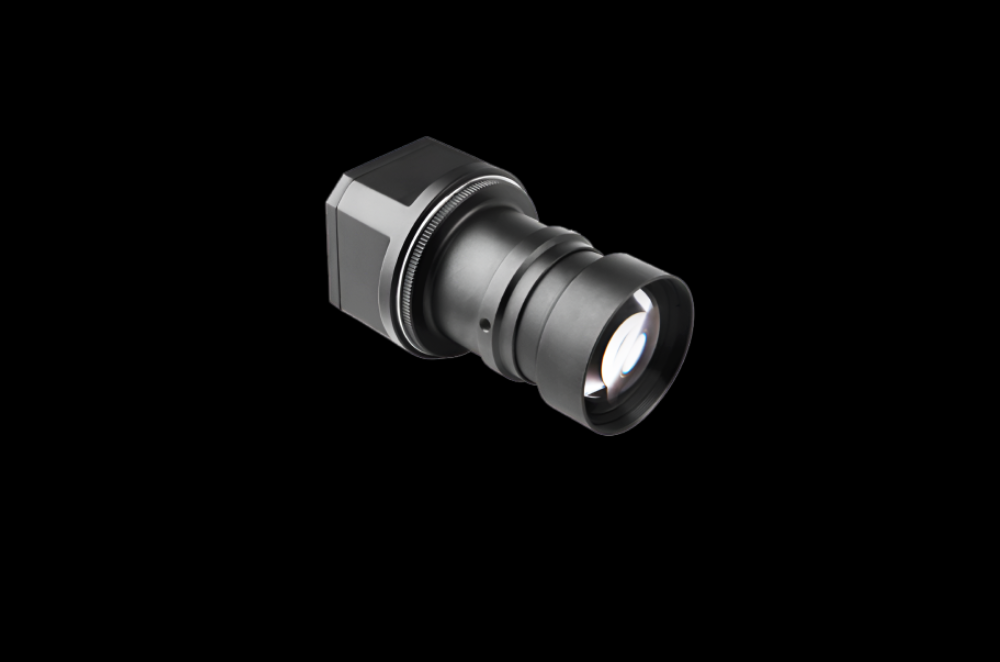
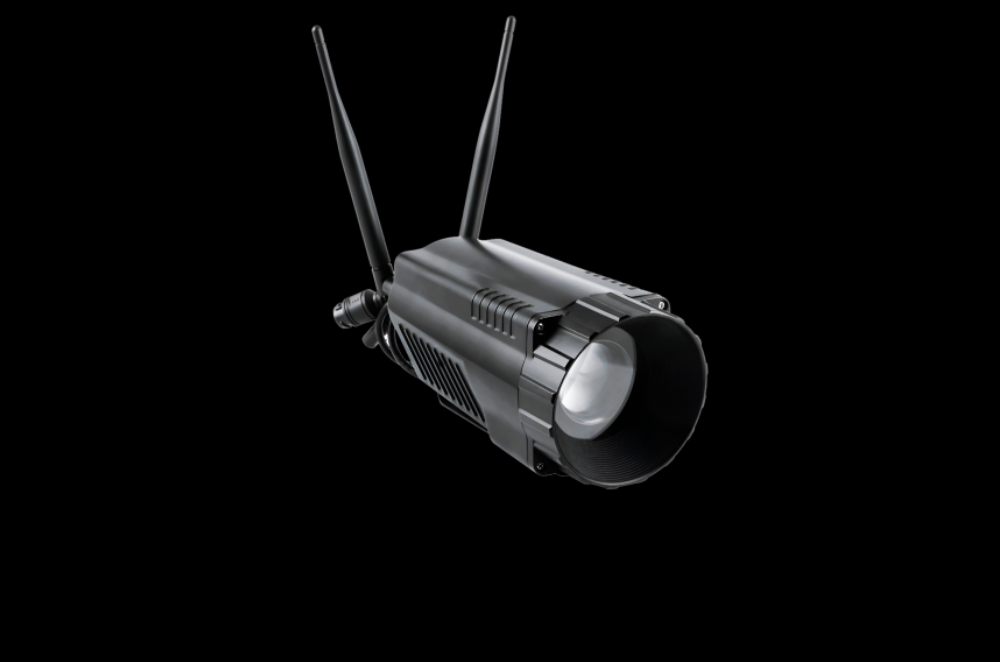
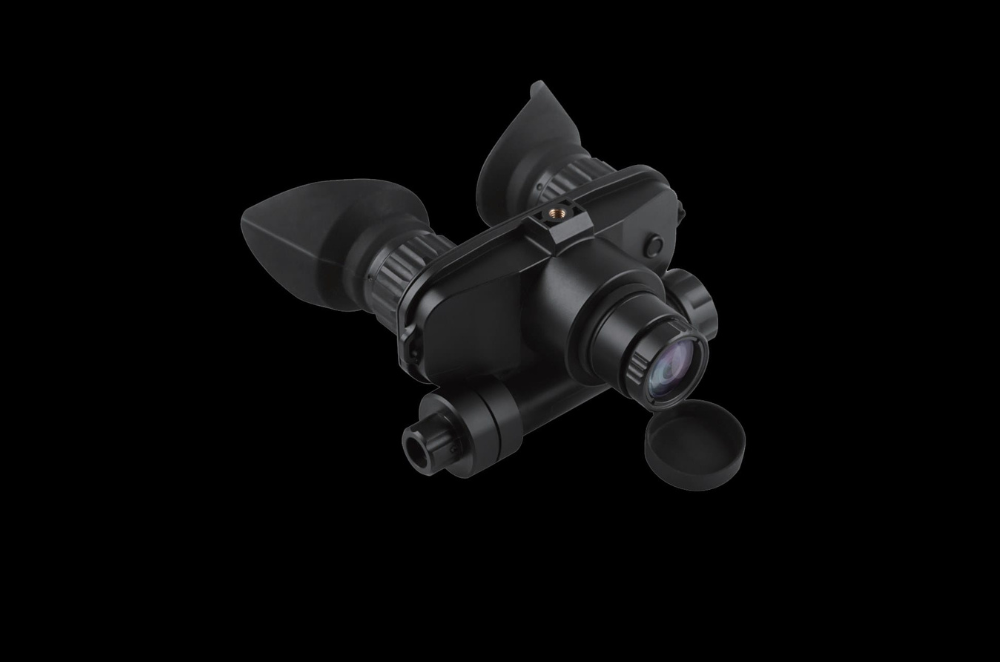
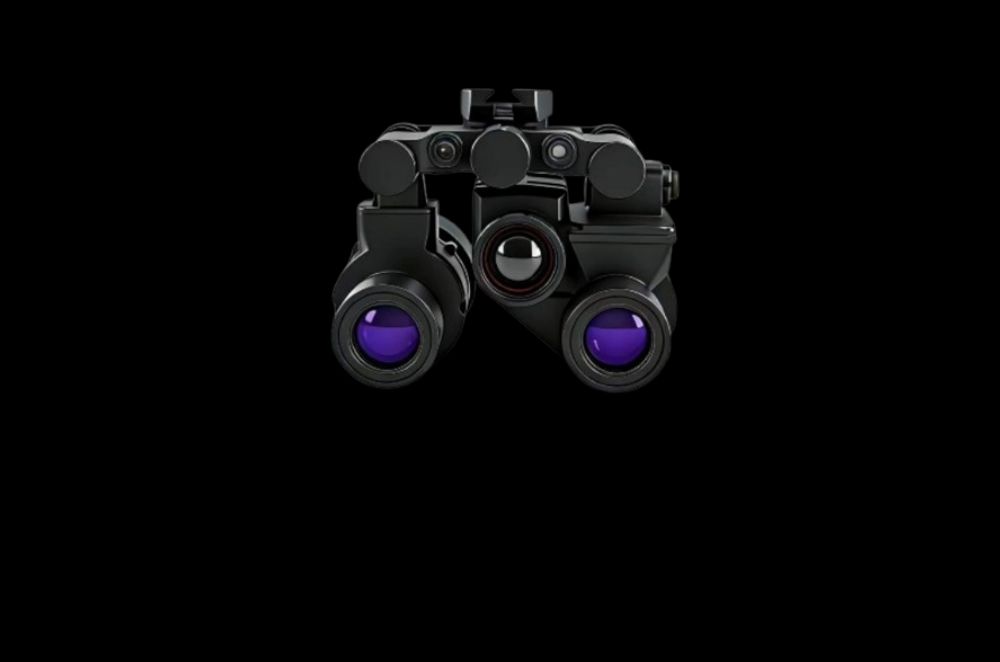
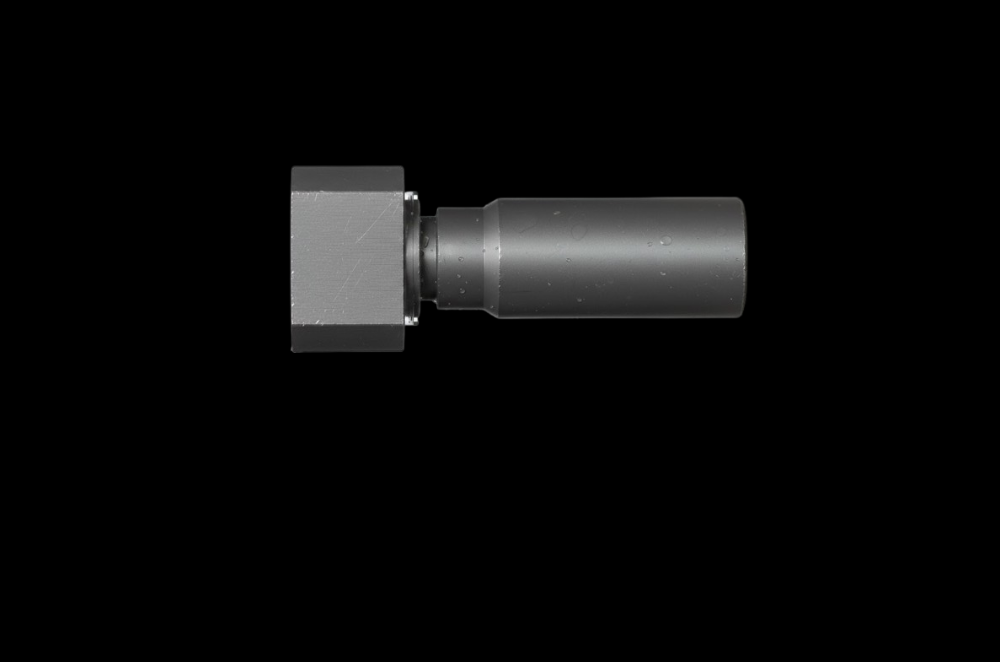
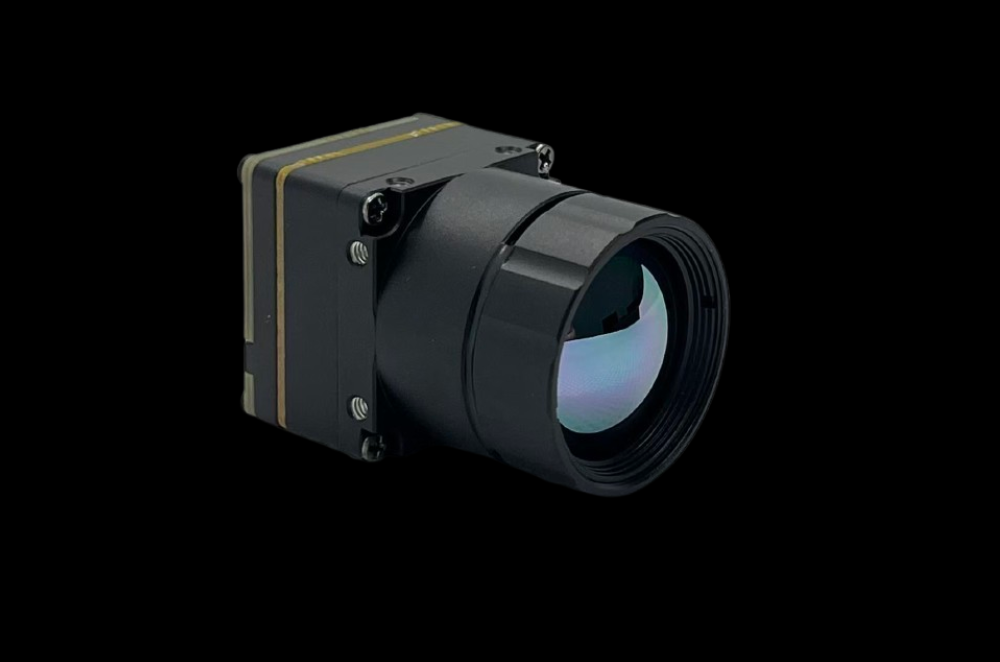
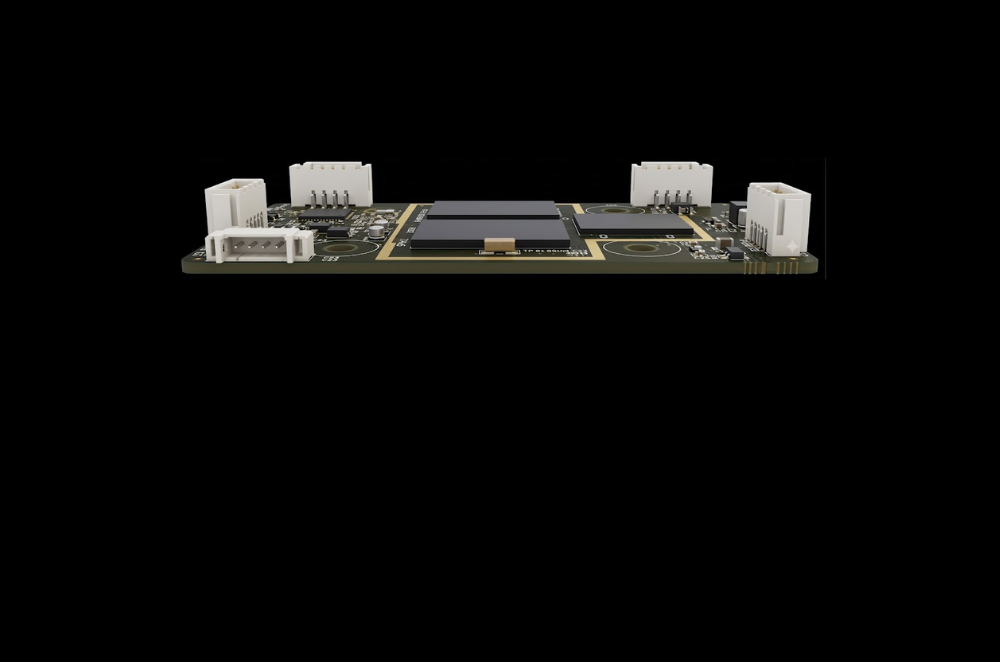
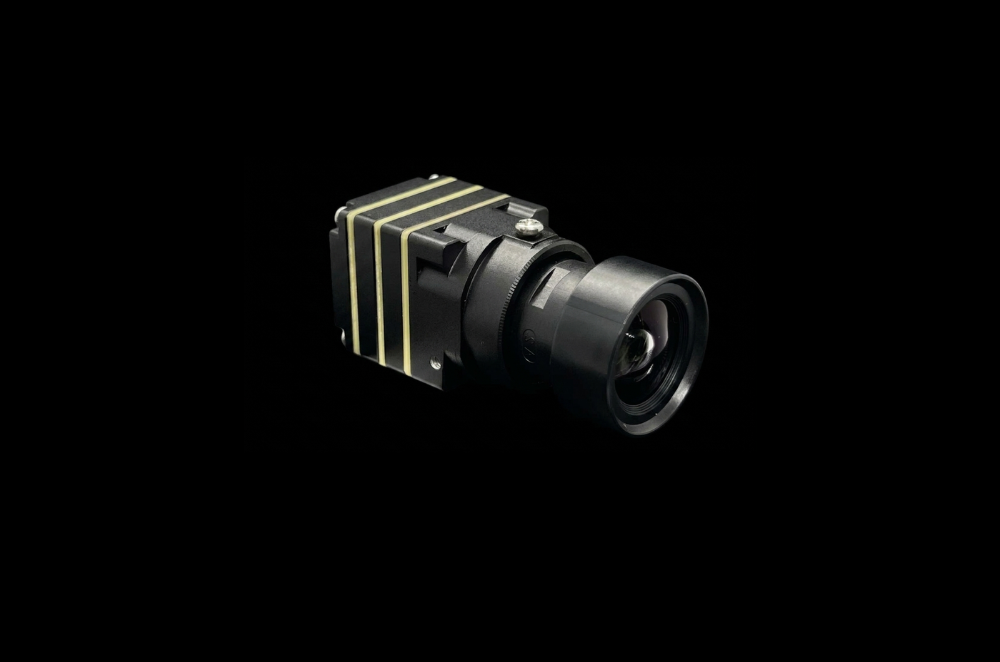
The XHS7-C11 delivers full-colour imaging to 0.001 lux and monochrome fallback to 0.0001 lux at 480 m person detection, targeting tactical units requiring colour night vision for urban operations and close-range threat discrimination.
Colour night vision has moved from an experimental capability to an active procurement specification across several military and law enforcement night operations programmes over the past three years. The operational case is straightforward: colour imagery in darkness enables faster target discrimination between armed and unarmed individuals, faster identification of vehicle markings and clothing colour codes used in coordinated operations, and reduced cognitive load on operators making time-critical decisions at the limits of their night vision device range. Monochrome devices continue to outperform colour alternatives in absolute minimum illumination, but the margin has narrowed as BSI CMOS technology has progressed, and programmes are beginning to specify colour capability as a standard rather than an optional feature.
Colour Starlight Imaging in a Tactical Goggle
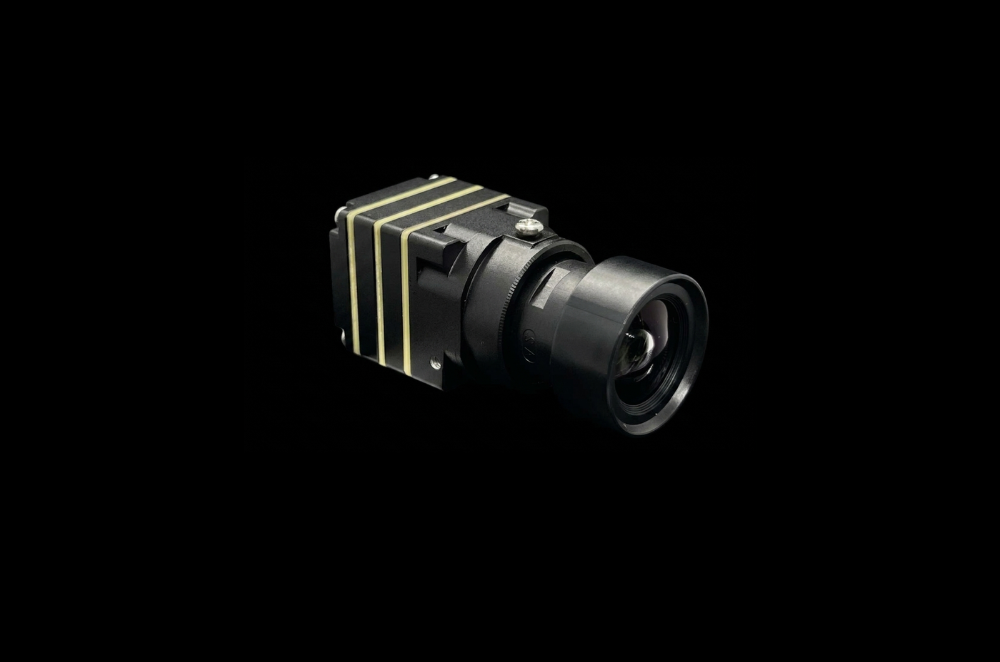
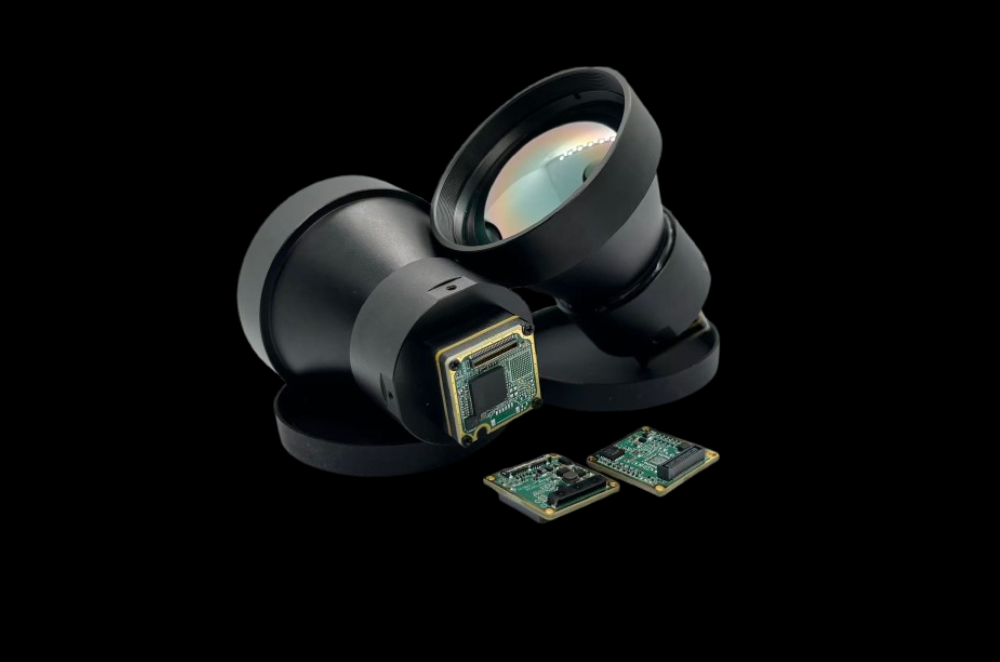
The XHS7-C11 delivers that colour capability in a tactical head-mount goggle format with an 11 mm lens on a BSI CMOS sensor rated to 0.001 lux minimum illumination in colour mode and 0.0001 lux in monochrome fallback. Person detection reaches 480 m and vehicle detection 1080 m, matching the range performance of the monochrome XHS7-B11 while adding full-colour rendering at ambient illumination levels from dim urban lighting down to near-total rural darkness near the 0.001 lux threshold. The automatic colour-to-monochrome transition as illumination drops below the colour threshold ensures the operator always receives maximum-sensitivity imagery without manual mode switching during the critical moments when lighting conditions change suddenly.
Urban Operations and Law Enforcement Applications
Urban tactical operations, close protection details, and law enforcement entry teams working in partially illuminated environments benefit most directly from colour night vision capability, where the presence of artificial lighting from windows, streetlights, and vehicle headlamps frequently provides the 0.001 to 0.01 lux ambient illumination needed for full-colour rendering at relevant operational ranges. The XHS7-C11 exploits that available light to deliver colour imagery at ranges where monochrome devices provide only grey-scale contrast, supporting faster discrimination between persons, objects, and background elements in complex urban scenes where speed of identification determines operational outcome. The goggle format maintains compatibility with standard helmet mounts and communications equipment, preserving the equipment integration that tactical units depend on for coordinated operations.
Procurement Transition Toward Colour-Capable Night Vision
Programme offices that have evaluated colour tactical NVG alongside monochrome alternatives in operational trials consistently report that colour identification speed advantage outweighs the modest sensitivity reduction at illumination levels above 0.001 lux, which covers the majority of actual urban and semi-urban operational environments. The XHS7-C11 addresses that procurement direction with a goggle format that delivers both colour performance where ambient light permits and monochrome fallback where it does not, providing a single device that covers the full illumination range encountered across mixed-environment tactical programmes without requiring operators to carry separate colour and monochrome devices.