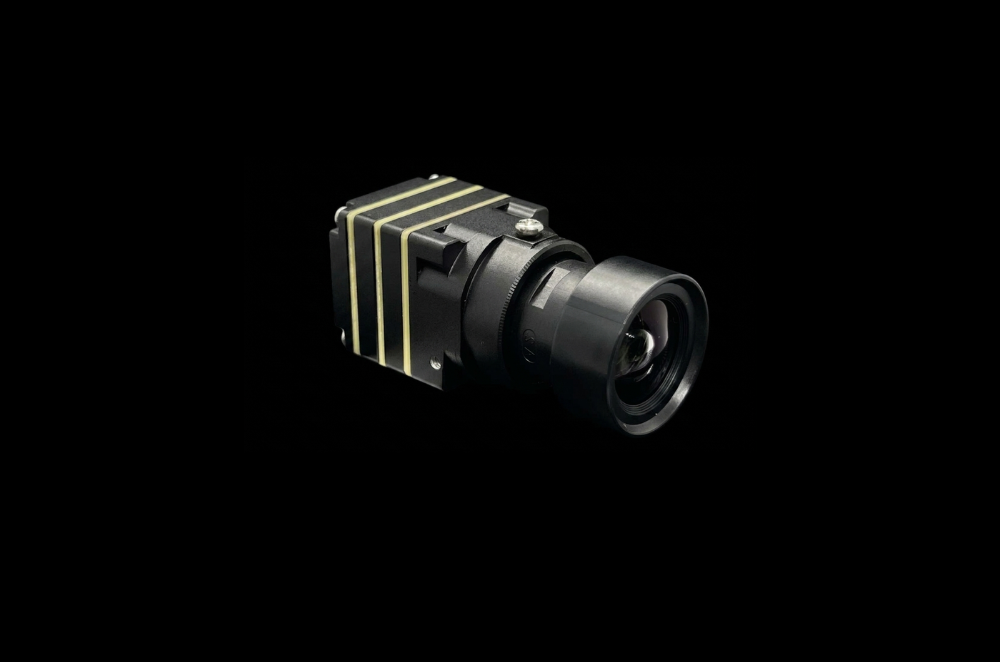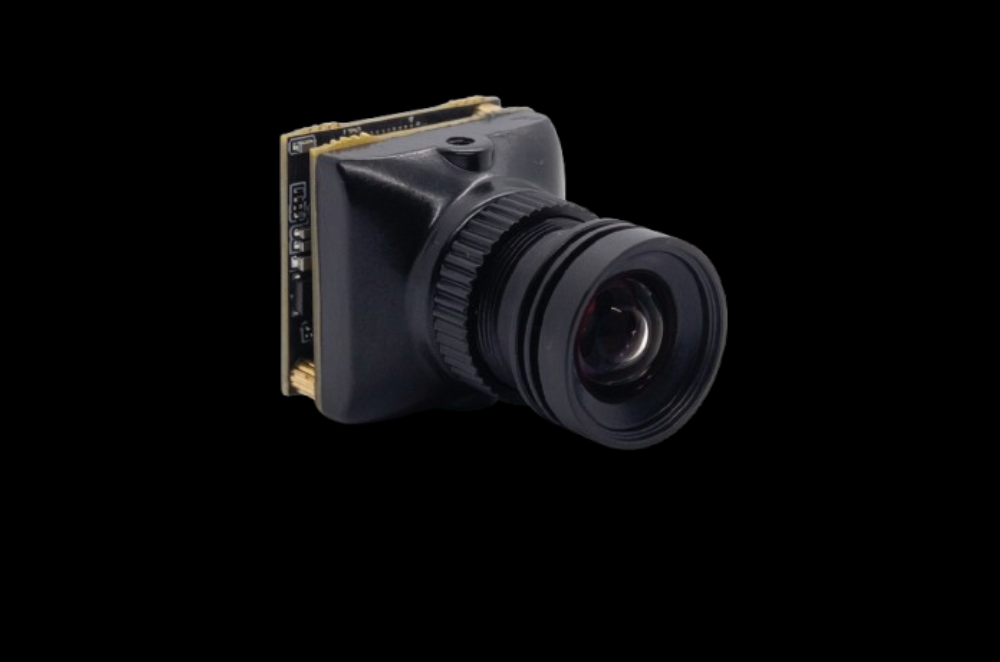
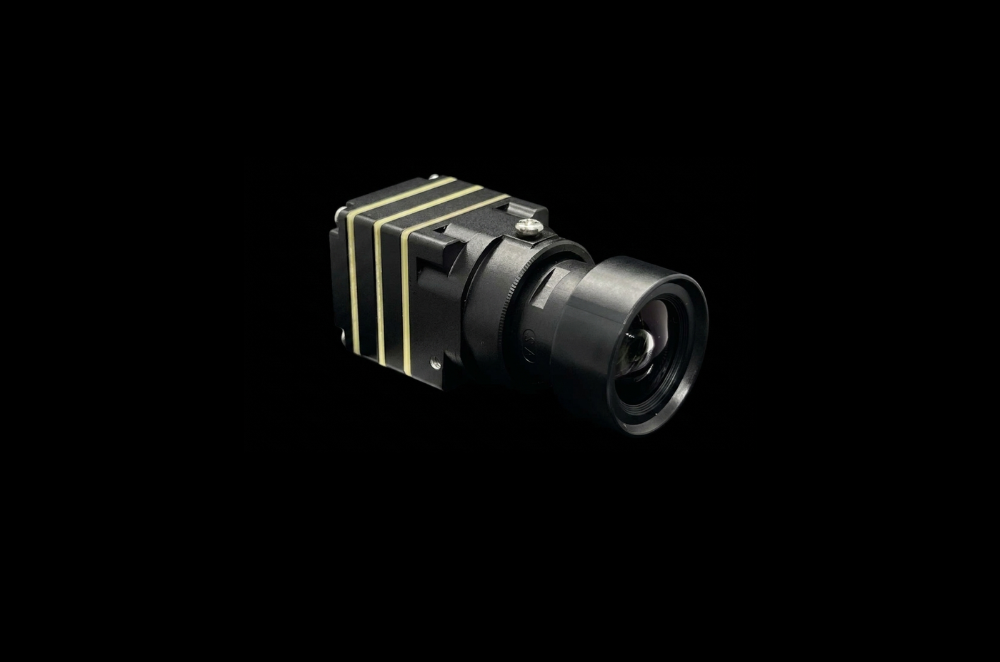
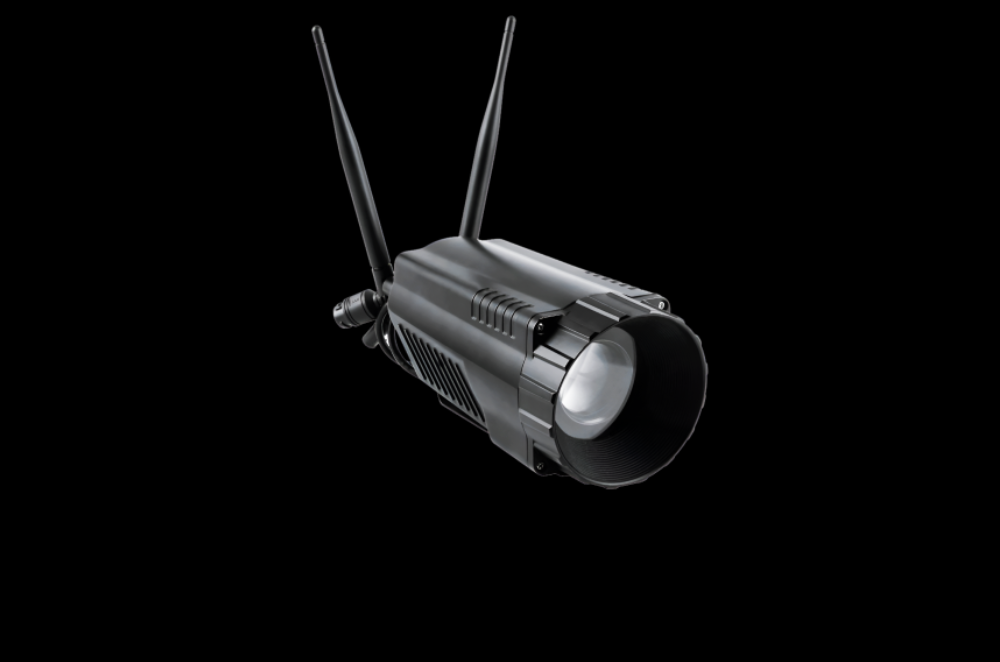
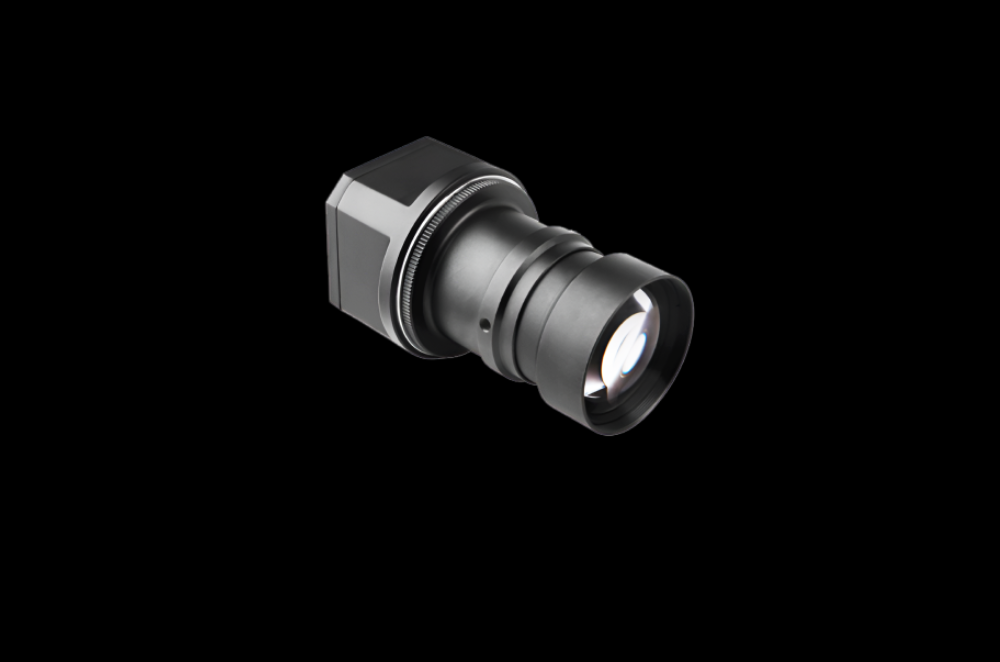
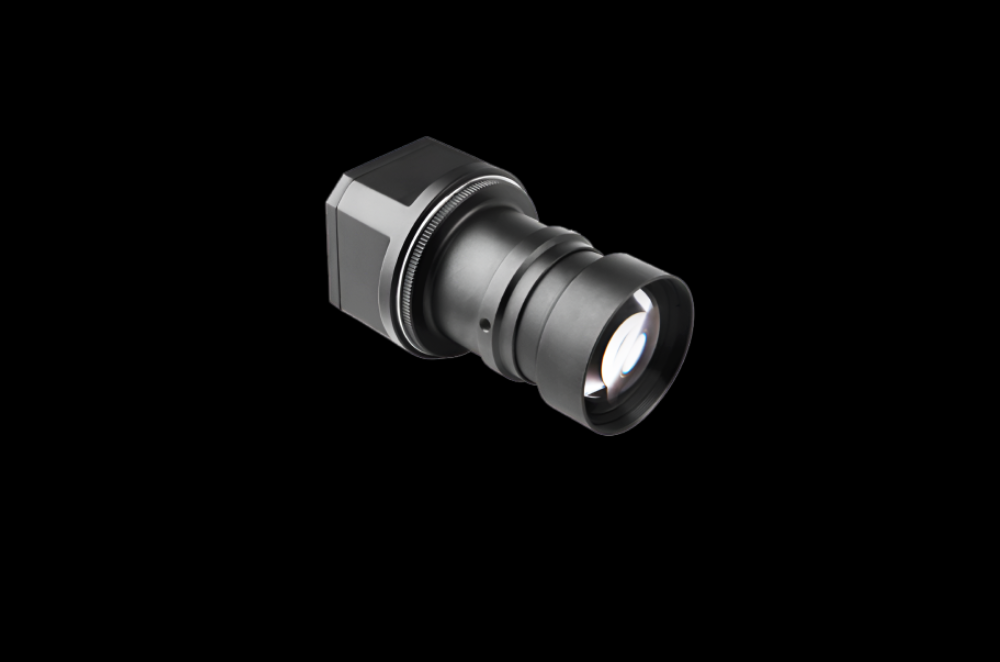
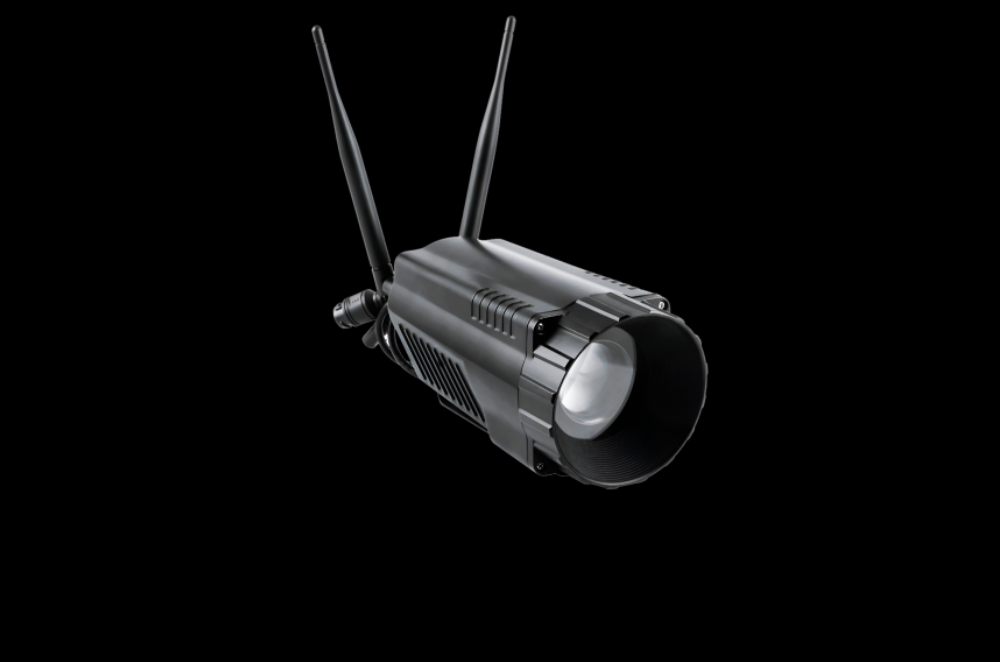
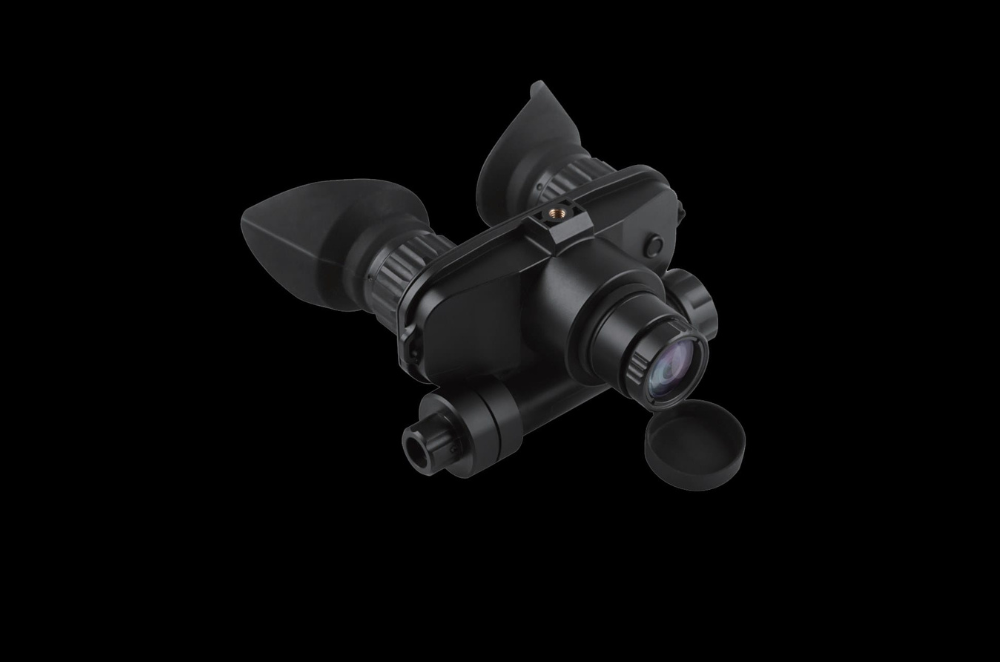
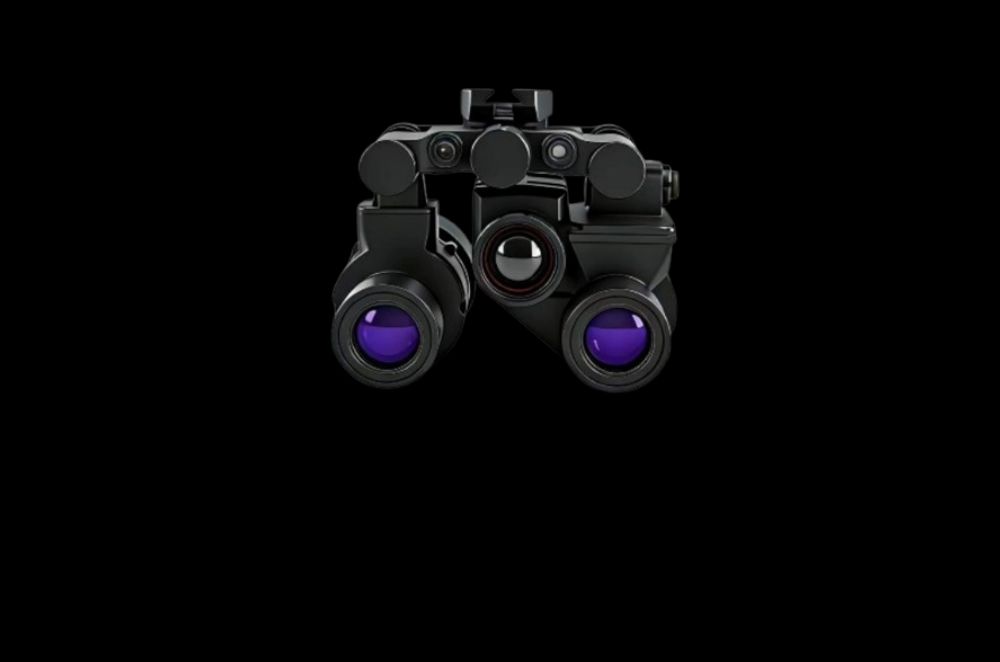
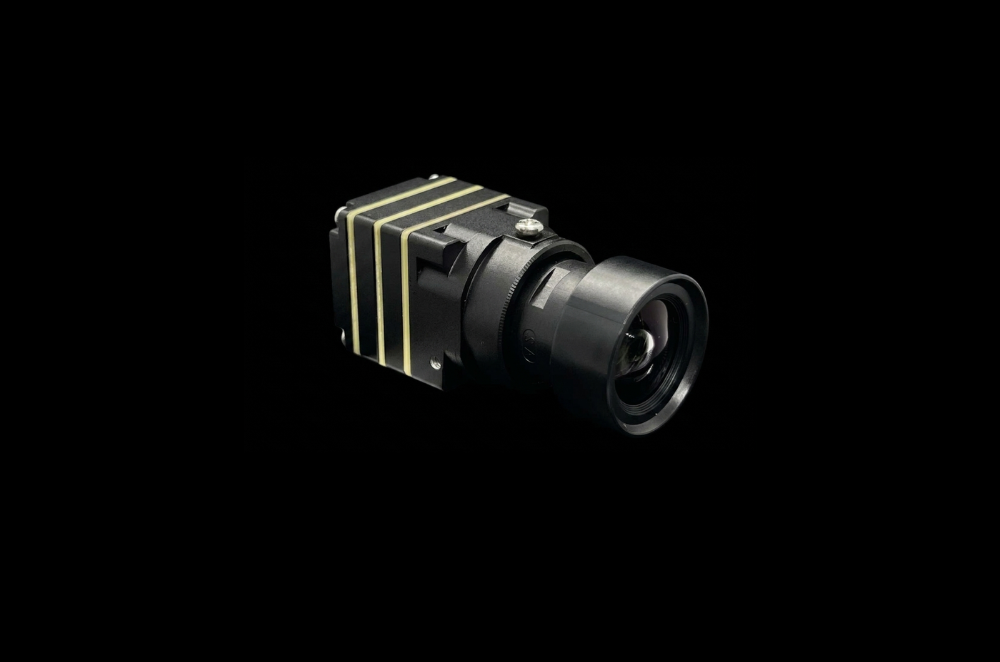
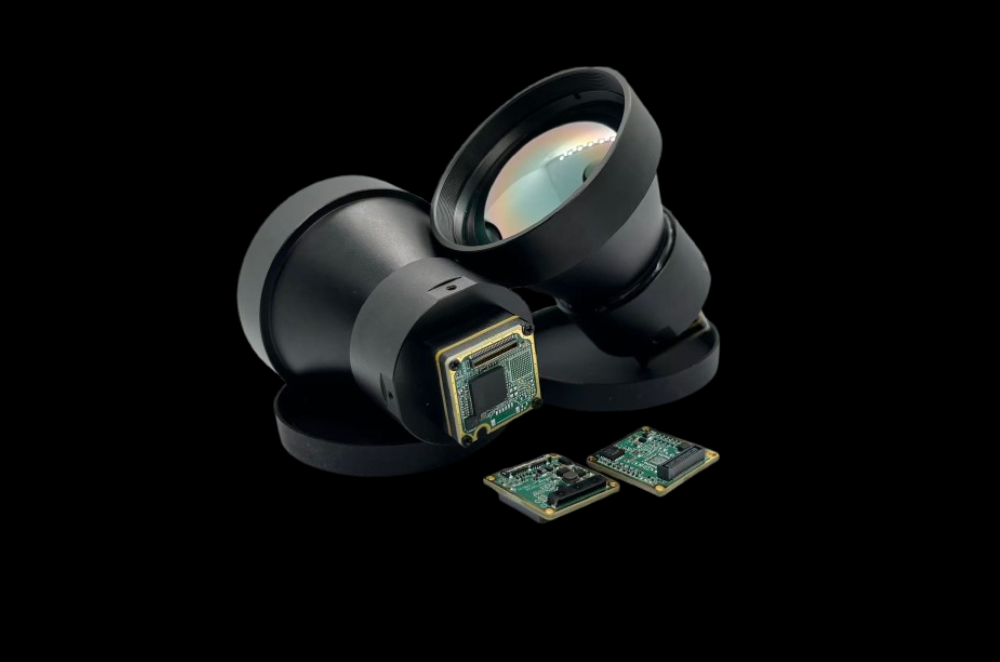
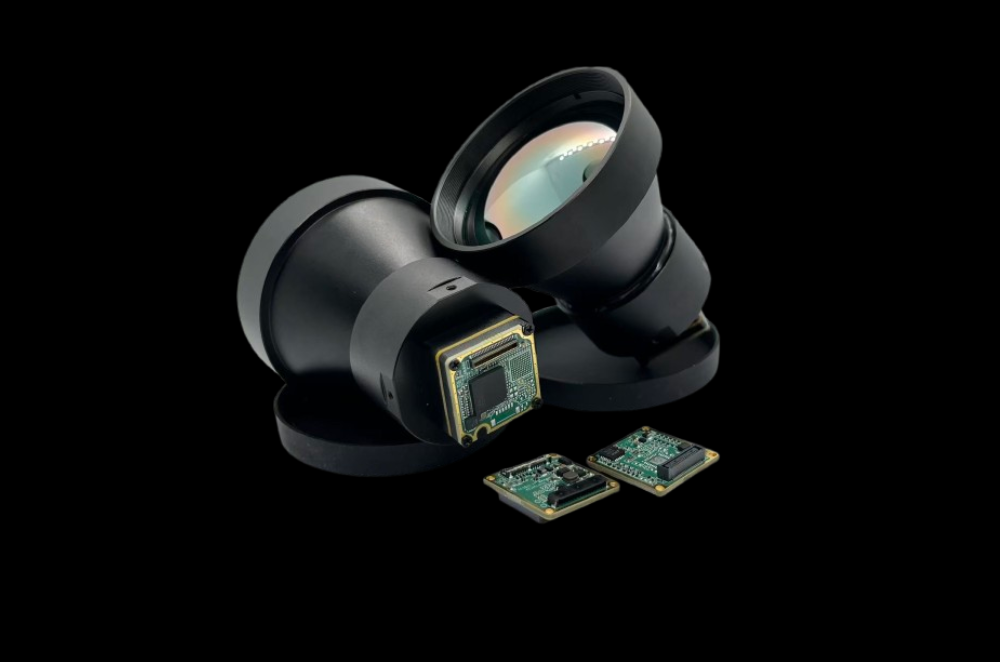
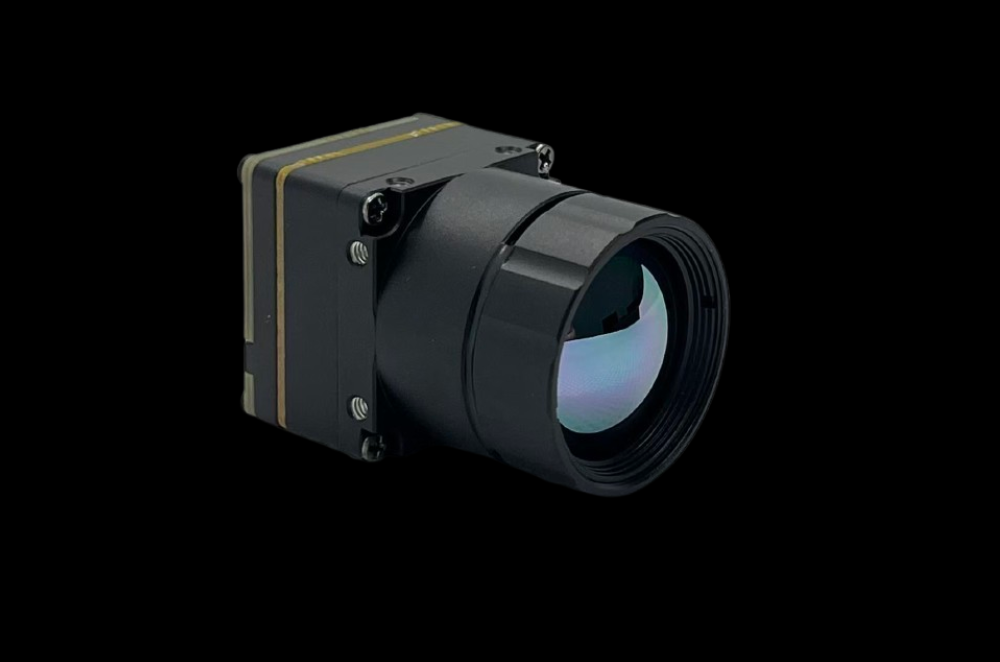
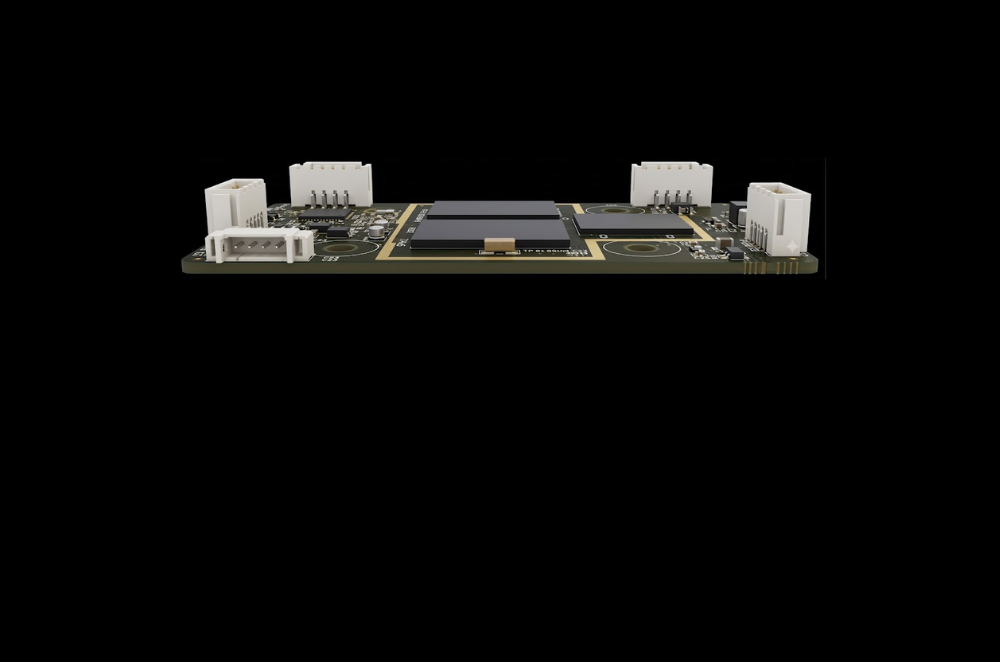
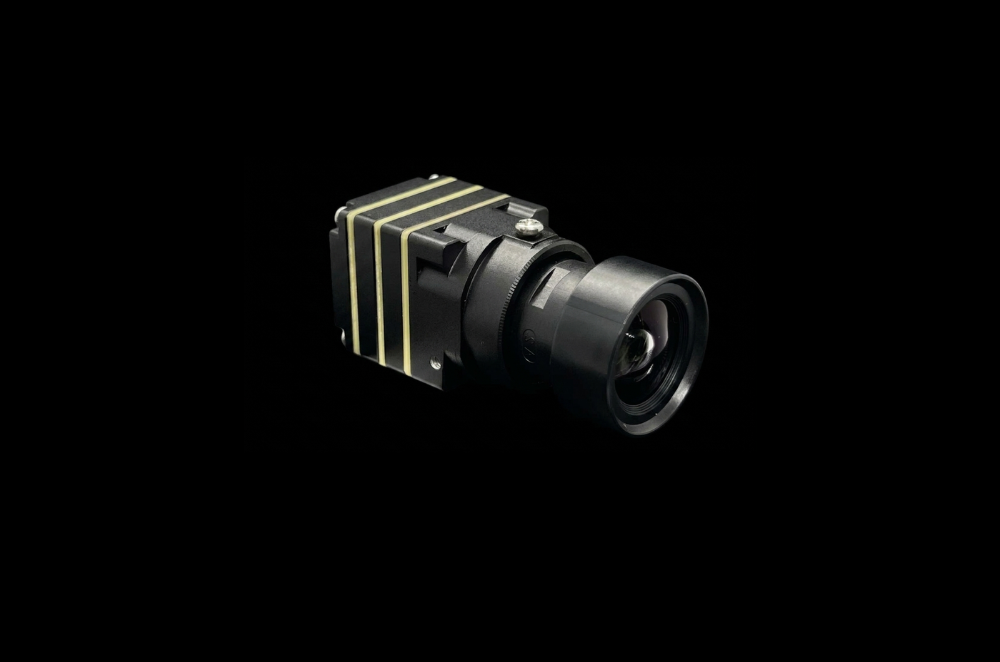
The XHC2012C delivers 0.0009 lux 24/7 passive imaging and 1200 m person detection via a wide-angle 12 mm lens, covering checkpoint approach corridors and perimeter sectors without active illumination.
Forward checkpoint and gate security positions in military installations, border crossings, and critical facility perimeters have a sensor requirement that is deceptively straightforward: continuous passive imaging across a 200 to 1200 m observation arc, available around the clock in any ambient light condition, without active illumination that would compromise position concealment or conflict with night-vision equipment carried by security personnel. Meeting that requirement with a single sensor that avoids complex integration overhead has been difficult, because the cameras that achieve 1200 m detection range have typically used narrower lenses that require motorised slewing to maintain area coverage.
Wide-Arc Coverage at Medium Range in a Passive System
The XHC2012C addresses that requirement with a 12 mm F1.0 wide-angle lens on a starlight-class CMOS sensor rated to 0.0009 lux at 10 fps. Person detection reaches 1200 m with recognition at 630 m, and the 12 mm focal length delivers a wide horizontal field of view that covers a full arc sector without mechanical slewing. The 24/7 designation reflects proven performance in both full-colour daylight imaging and monochrome low-light operation, transitioning between modes without operator intervention as ambient illumination drops below the colour threshold during dusk and recovers at dawn.
Fixed Checkpoint and Perimeter Post Deployment
Security positions managing vehicle and personnel access at military installation entry control points require a sensor that provides continuous positive identification coverage from the outermost approach lane to the checkpoint barrier. At 1200 m person detection, the XHC2012C covers the approach geometry of most facility entry corridors in a single fixed-mount configuration, allowing security personnel to assess and react to approaching contacts well before they reach the controlled access zone. Standard video output and IP connectivity allow the system to feed directly into existing video management and access control infrastructure without specialised middleware or proprietary integration hardware.
Integration into Layered Perimeter Networks
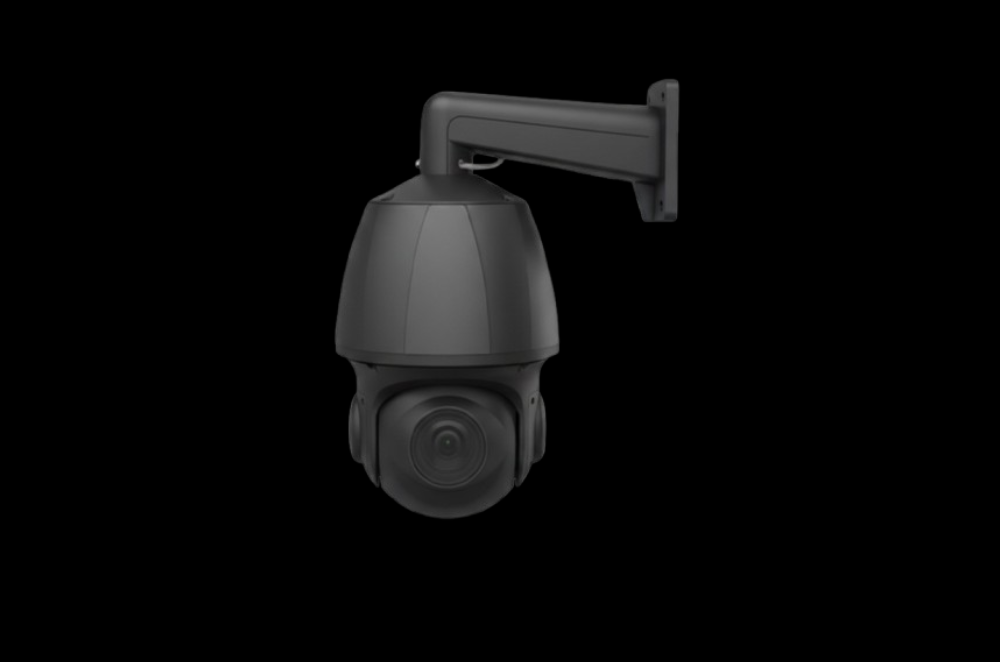
Perimeter security designs that layer multiple sensor types across detection, recognition, and identification bands can position the XHC2012C as the recognition-range layer between short-range access control cameras and the long-range detection systems that provide outer boundary coverage. The 12 mm passive EO sensor fills a practical coverage gap at 400 to 1200 m where active infrared illuminators attract attention and thermal sensors are often oversized for the recognition task. Its compatibility with standard pan-tilt platforms extends its utility to mobile checkpoint configurations and temporary observation posts where fixed-mount sensor performance is required without the weight or power demands of larger surveillance payloads. For programme offices standardising a tiered perimeter network across multiple sites, the XHC2012C provides a cost-effective recognition-range solution that integrates into the same infrastructure already supporting long-range detection systems.