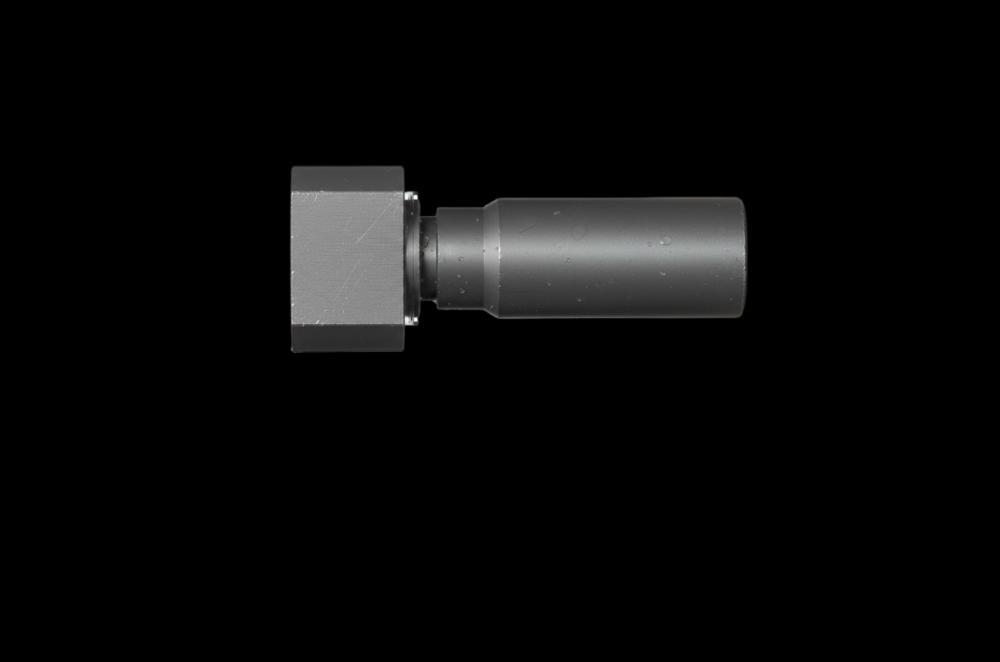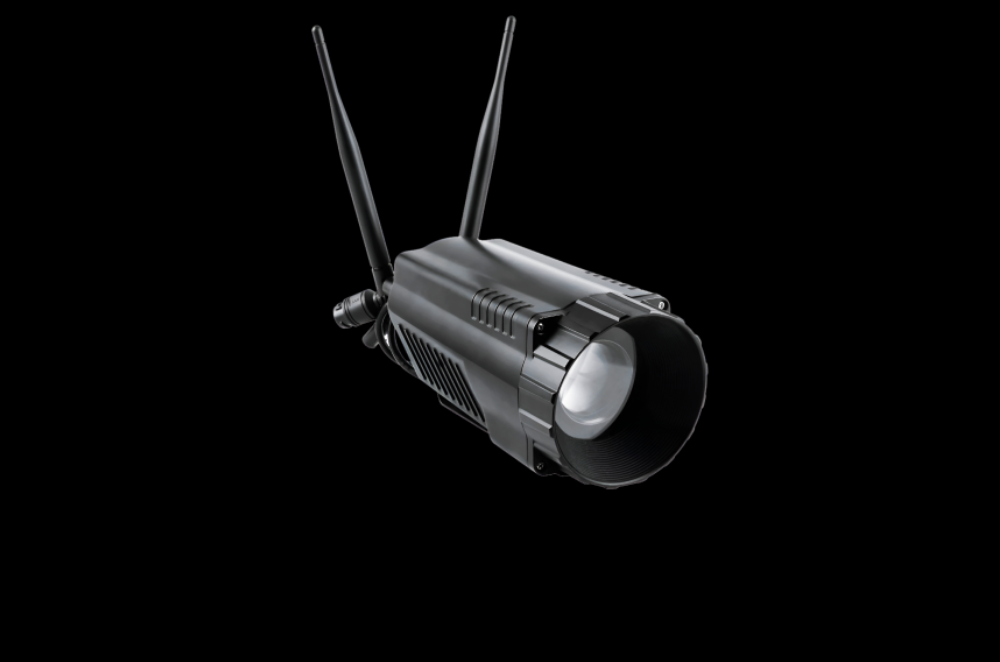
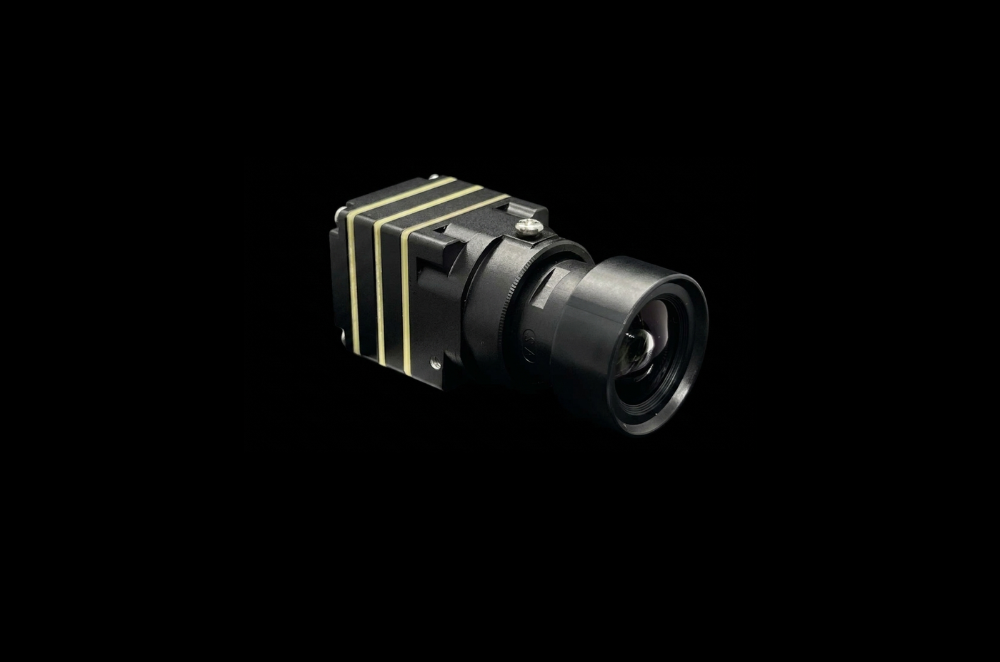
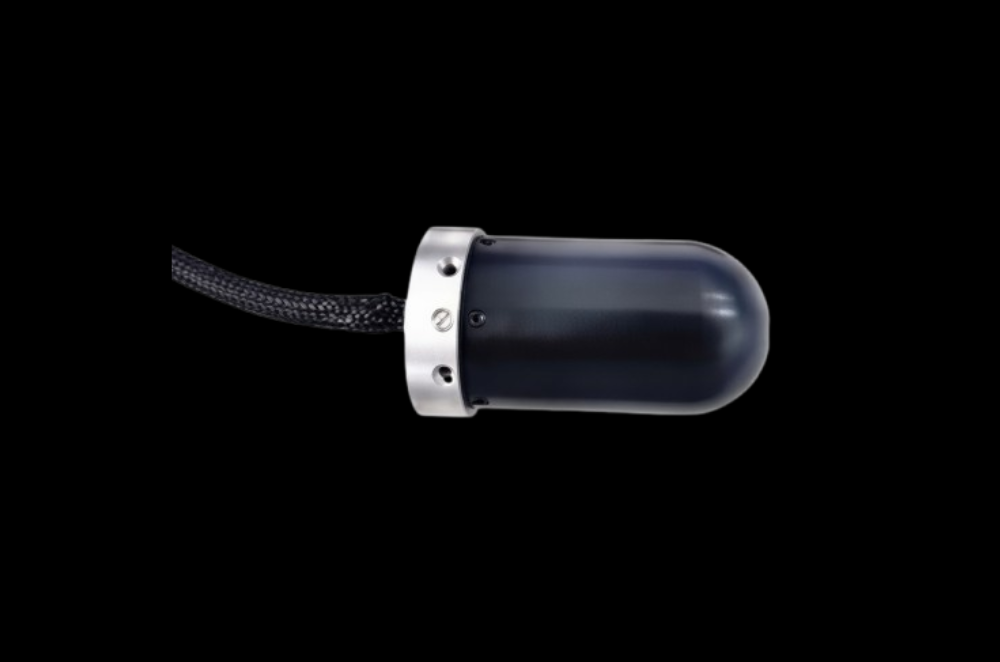
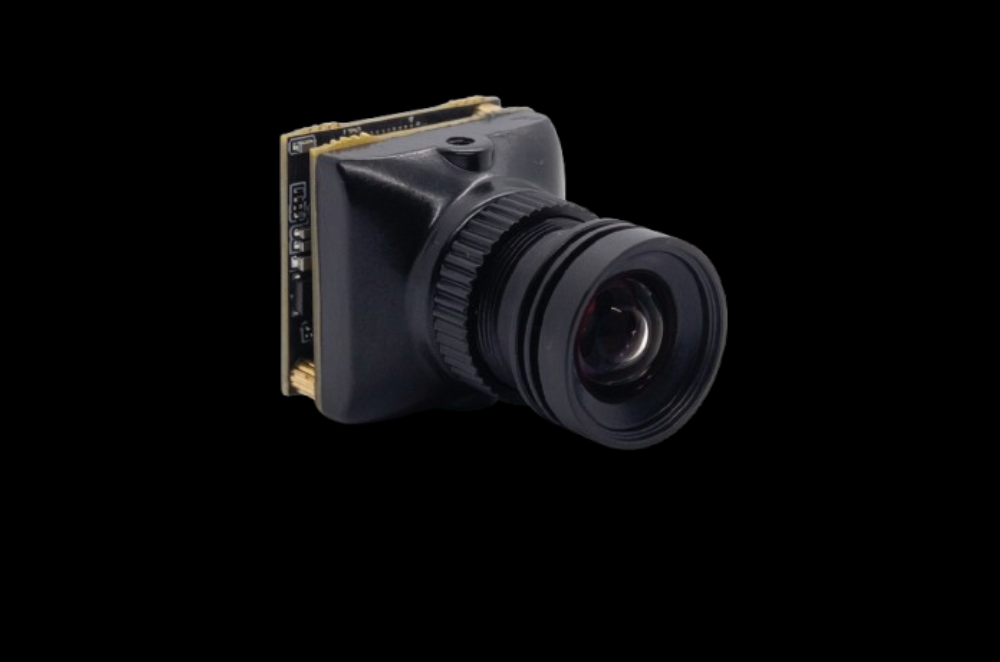
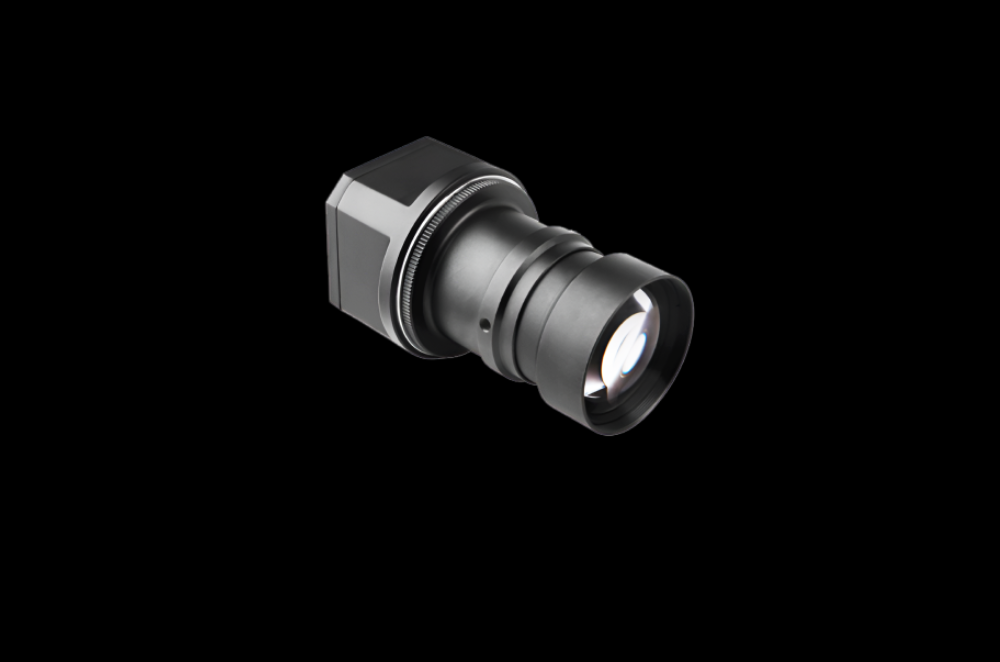
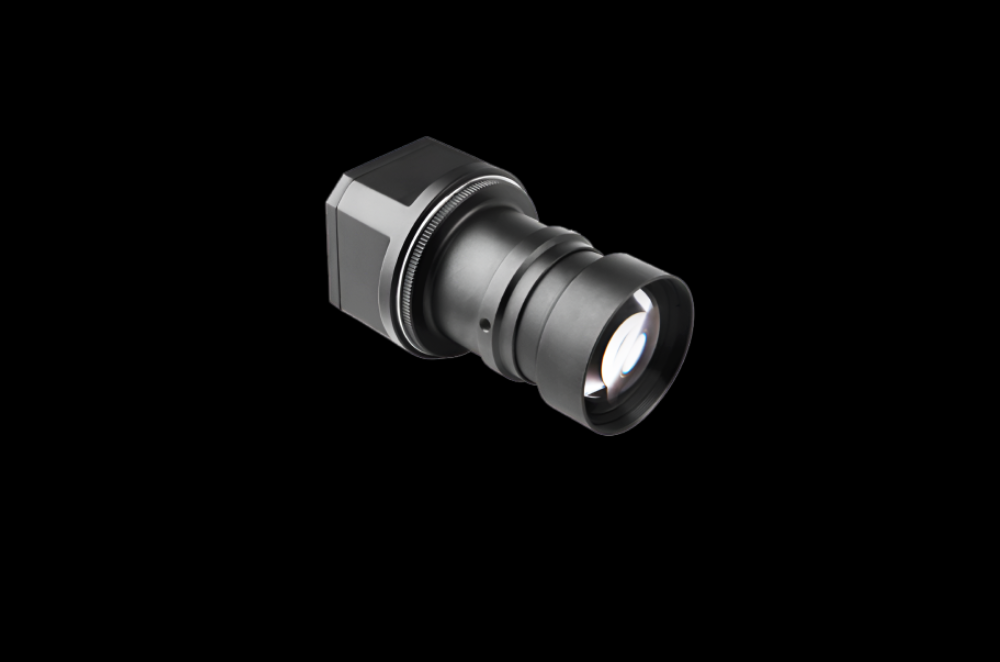
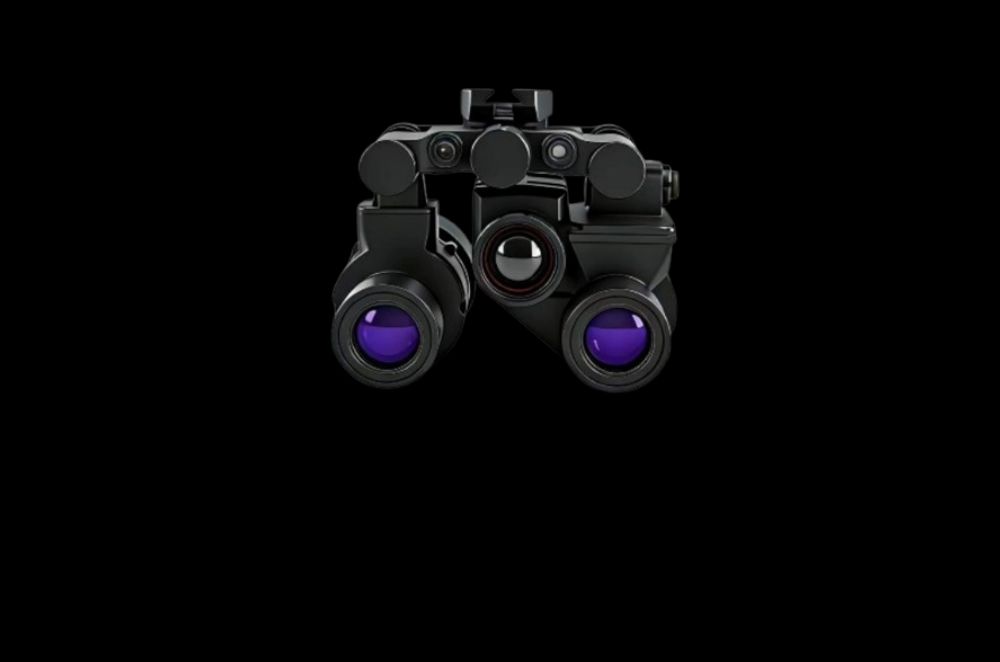
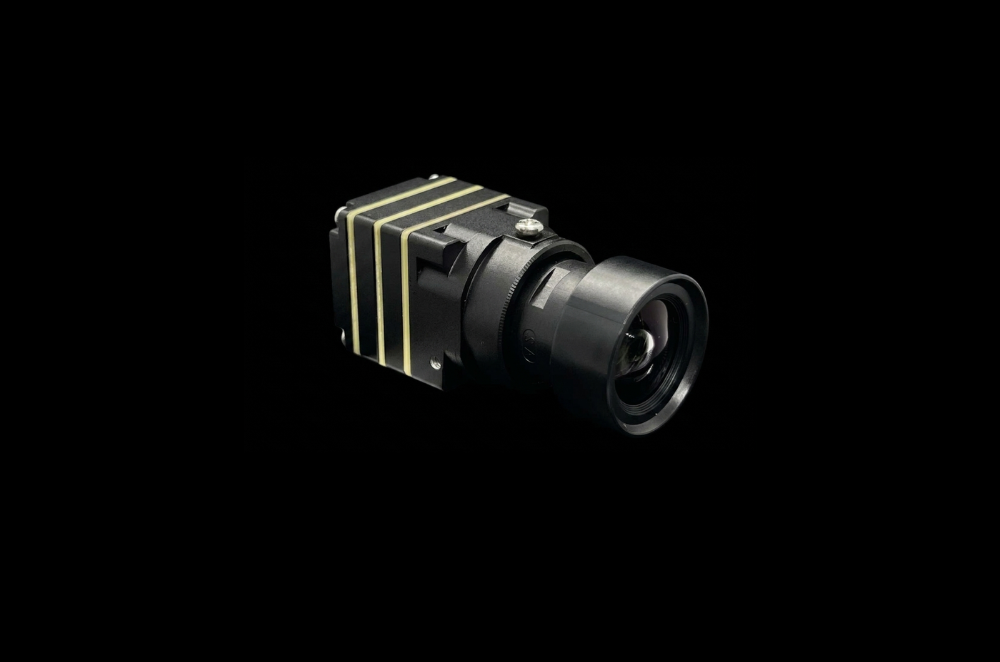
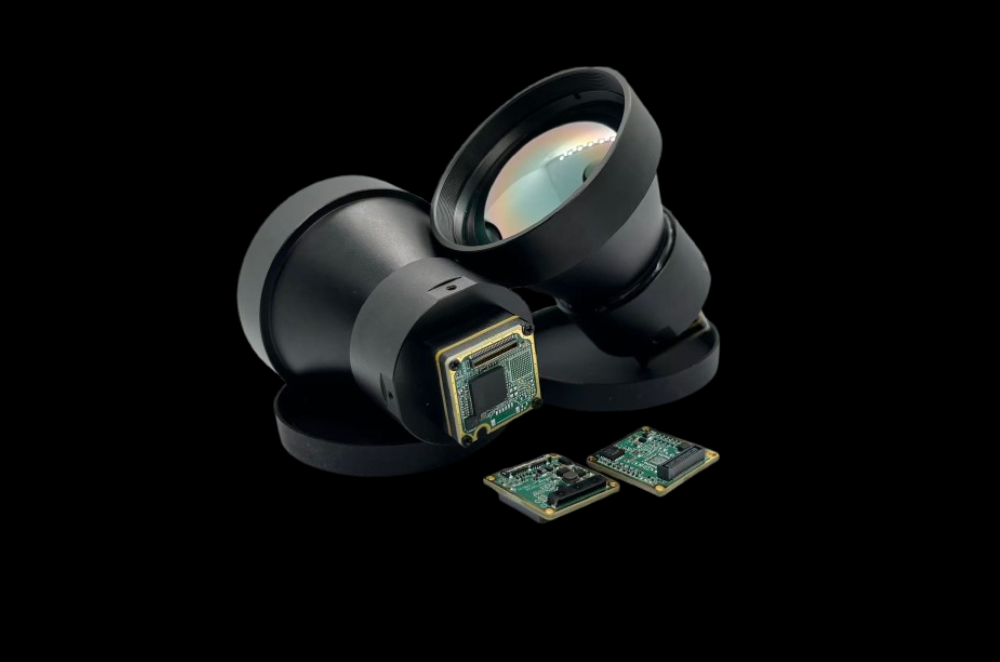
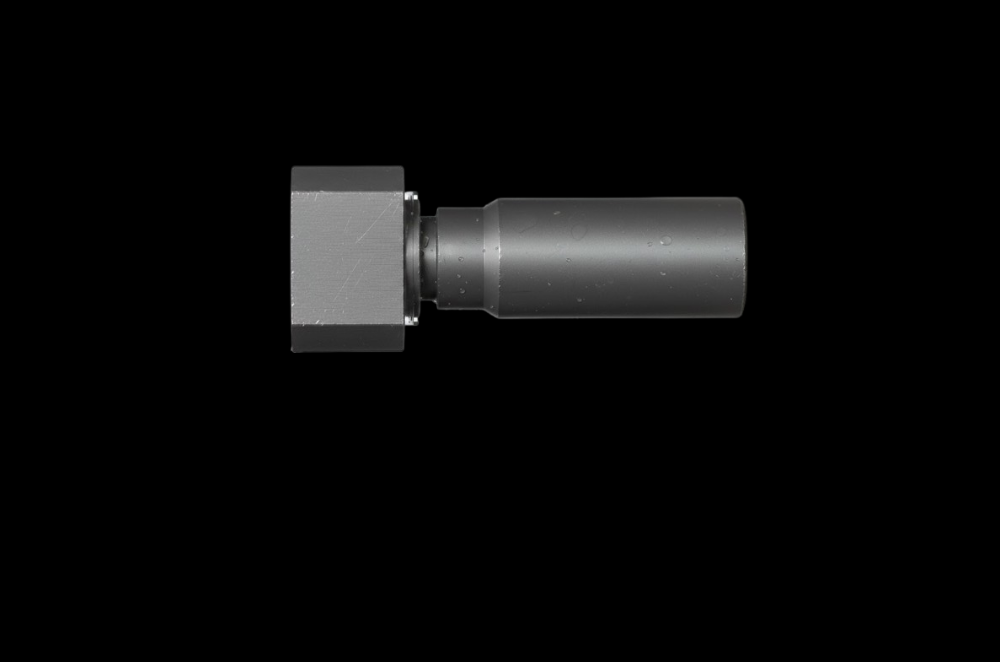
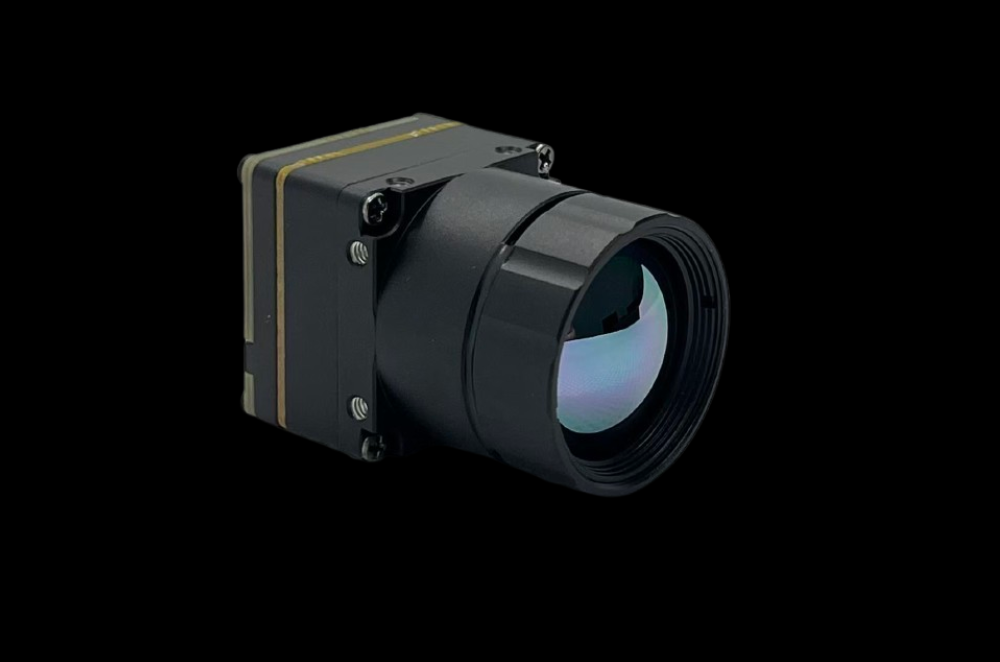
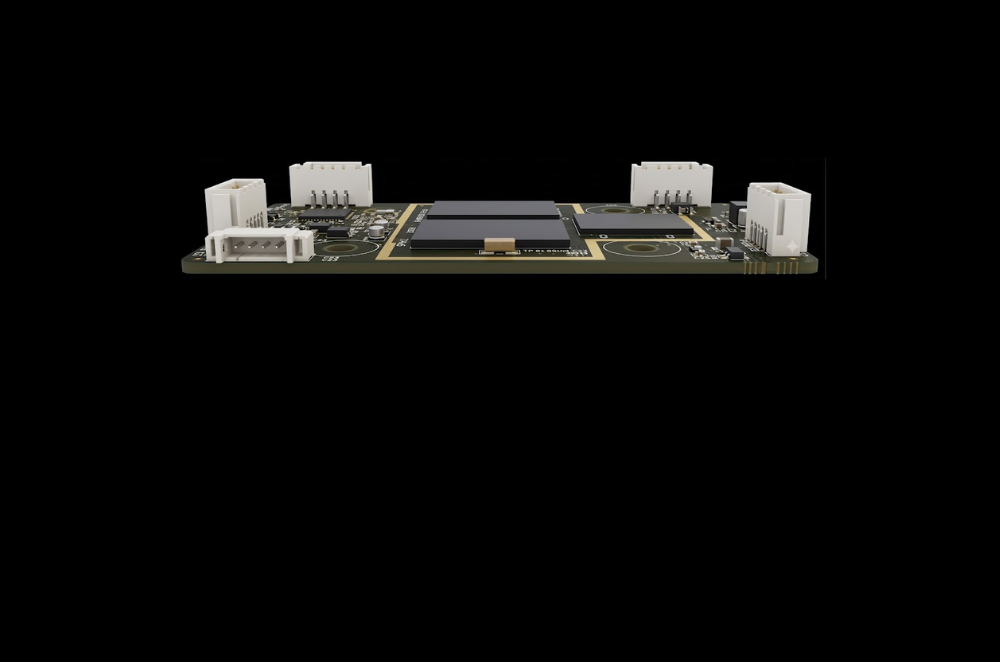
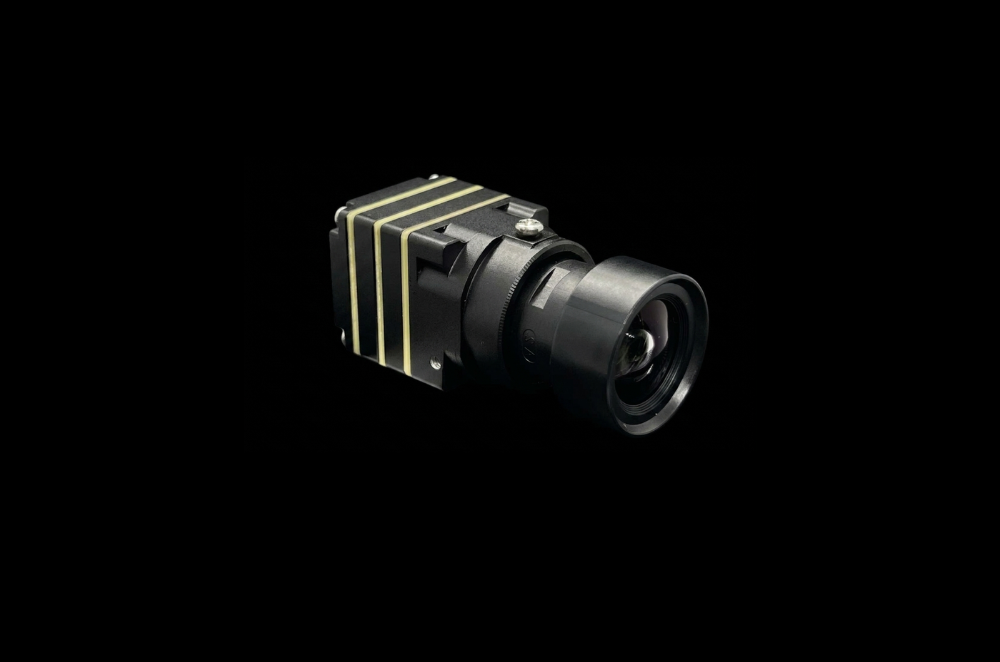
Star-Navi officially launches the XHF-A6M19B and XHF-A6M19C, its first CVBS analogue night vision FPV cameras designed to military sensitivity standards for tactical drone reconnaissance programmes.
HONG KONG, China, 28 April 2026 — Star-Navi (NDL) officially launched the XHF Series of 24/7 night vision FPV camera modules, introducing the XHF-A6M19B and XHF-A6M19C as the company's first products specifically engineered for the tactical FPV drone market. The launch makes Star-Navi one of a small number of defence-oriented sensor manufacturers to address the FPV analogue CVBS camera segment with sensors designed to military sensitivity specifications rather than adapted from consumer camera technology.
Product Family Overview
Both XHF Series models share a 19 mm × 19 mm compact module form factor and a CVBS analogue output interface, maintaining direct compatibility with the full ecosystem of FPV video transmitters, flight controller OSD overlays, and analogue pilot goggle systems used across tactical FPV platforms without requiring a digital encoding stage that would introduce latency into the video pipeline. The XHF-A6M19B provides monochrome imaging rated to 0.001 lux minimum illumination in colour mode with a 1920 × 1080 resolution at 50 fps, with true starlight monochrome performance for operations in near-total darkness below the colour threshold. The XHF-A6M19C adds full-colour night vision capability at 0.001 lux, with automatic colour-to-monochrome transition as ambient illumination drops below the colour performance threshold, providing a single sensor that covers the complete illumination range from full daylight to near-total darkness without operator intervention.
Both models operate at 50 fps, matching the frame rate standard used across FPV racing and tactical drone platforms to maintain the smooth video feed that real-time FPV piloting and target observation depend on. The 19 mm lens delivers the forward-facing field of view geometry suited to navigation and target observation at the flight speeds and altitudes used in tactical FPV reconnaissance, strike coordination, and close-range surveillance operations.
Market Context and Programme Relevance
Tactical FPV programmes have expanded significantly over the past eighteen months as military and border security operators have adopted small FPV platforms for reconnaissance, target observation, and electronic warfare support roles that previously required larger and more expensive platform types. Night operational capability has been identified as the primary gap in most FPV fleet assessments, with existing FPV camera options either providing inadequate low-light sensitivity for passive night navigation or requiring digital video systems that introduce latency penalties inconsistent with real-time FPV control. The XHF Series is designed specifically to close that gap by delivering defence-grade sensitivity on an analogue CVBS interface that preserves the low-latency video architecture that operational FPV platforms require.
Executive Statement
"We designed the XHF Series around what tactical FPV operators actually experience at night, which is the choice between a camera sensitive enough to navigate with and a camera compatible with their existing video system," said the Head of New Product Development at Star-Navi. "That should not be a trade-off. The XHF-A6M19B and XHF-A6M19C are our answer to that, and they are built to the same sensitivity standards as our ISR camera modules, not to consumer FPV camera specifications."
The XHF Series entered production in April 2026 and is available immediately through Star-Navi's authorised distributor network. Evaluation units are available to qualified programme offices and system integrators on request through the company's defence sales channels.