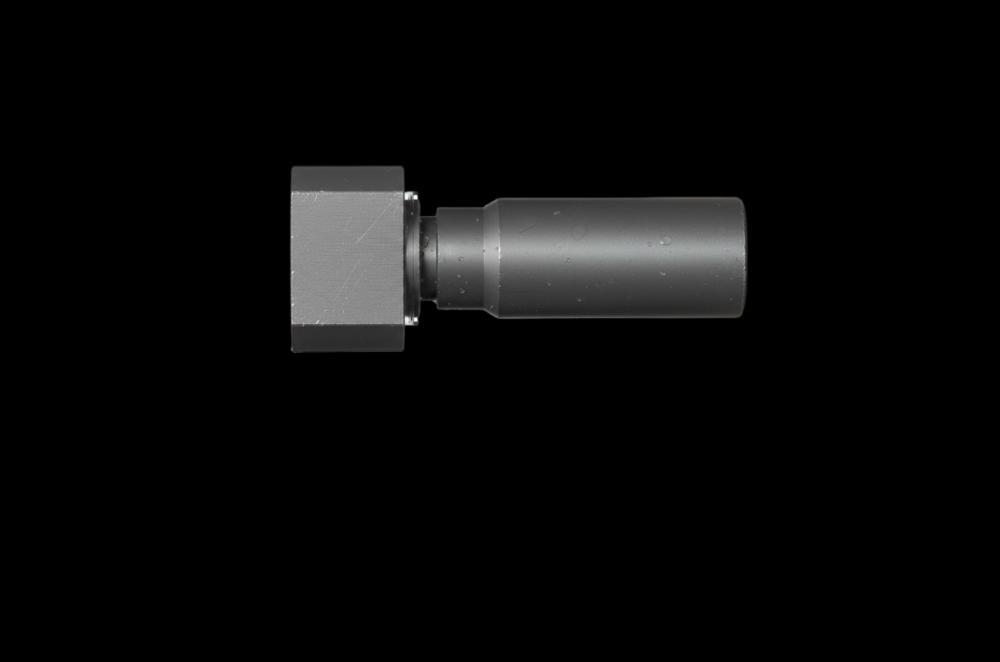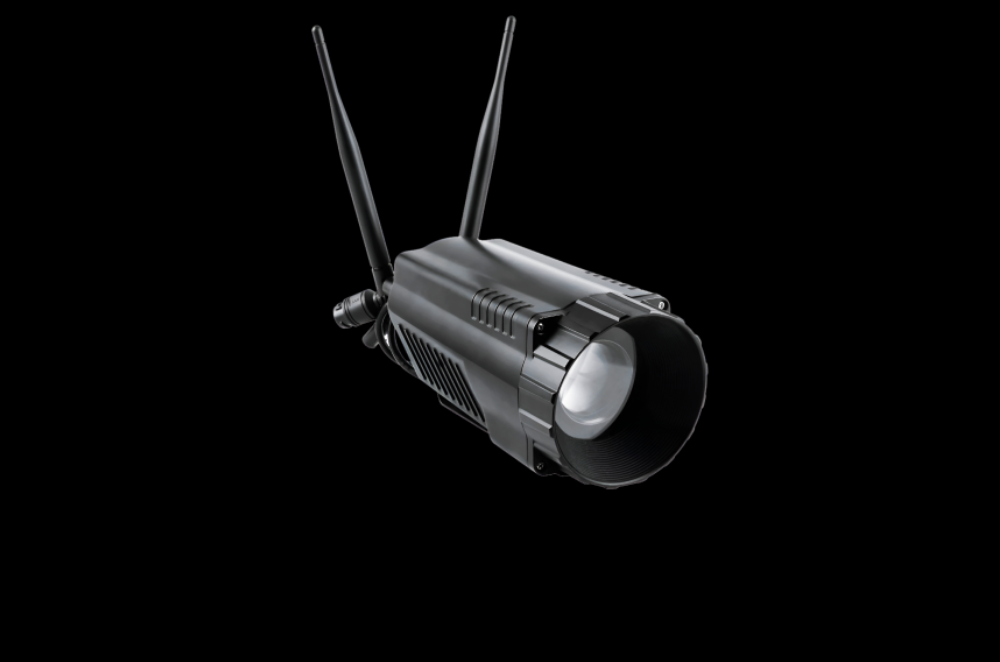
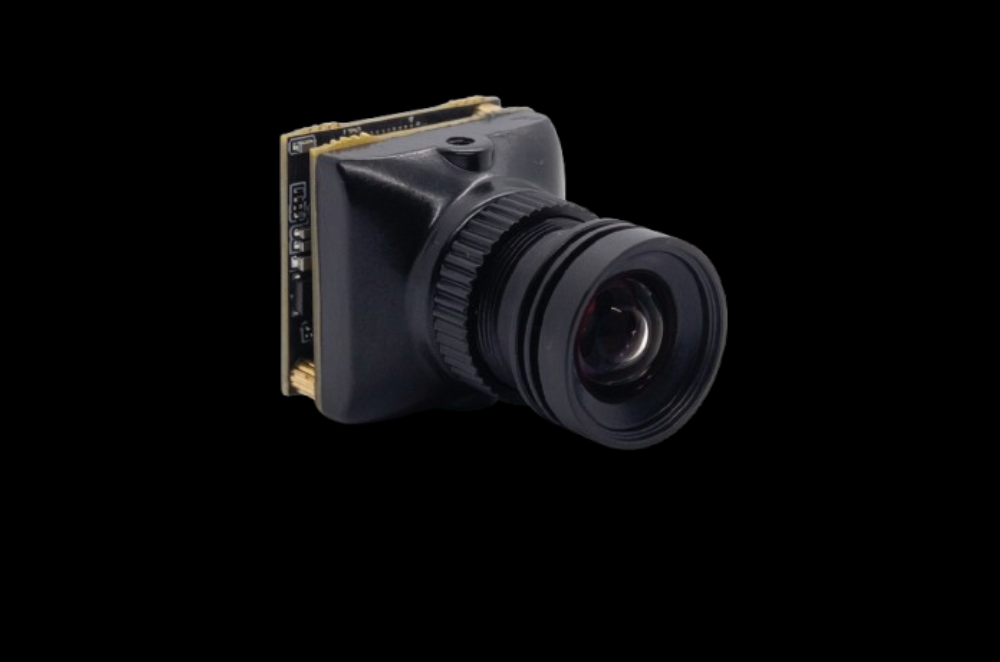
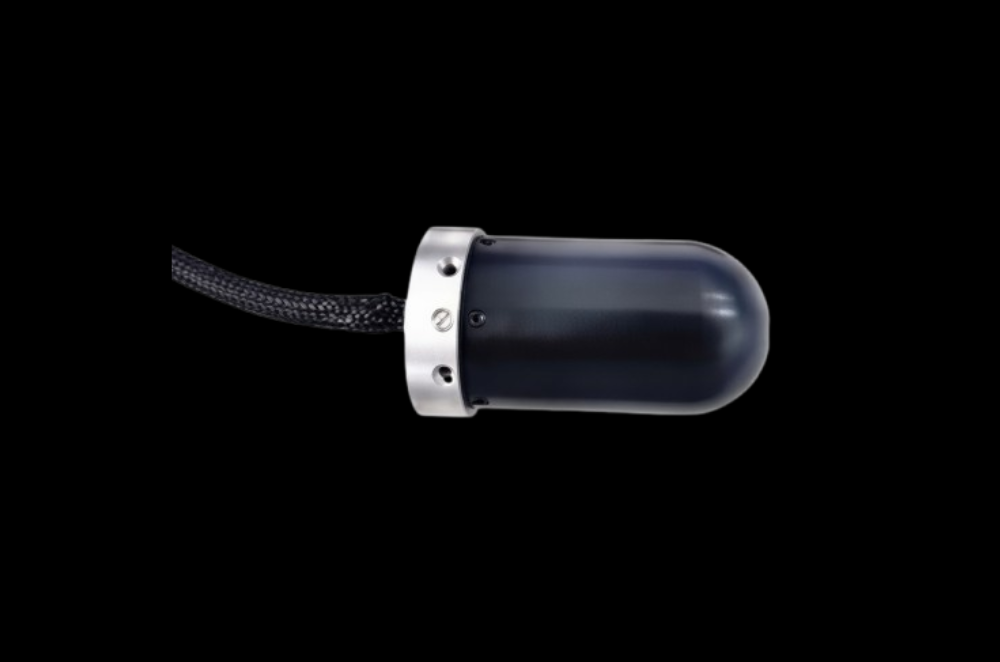
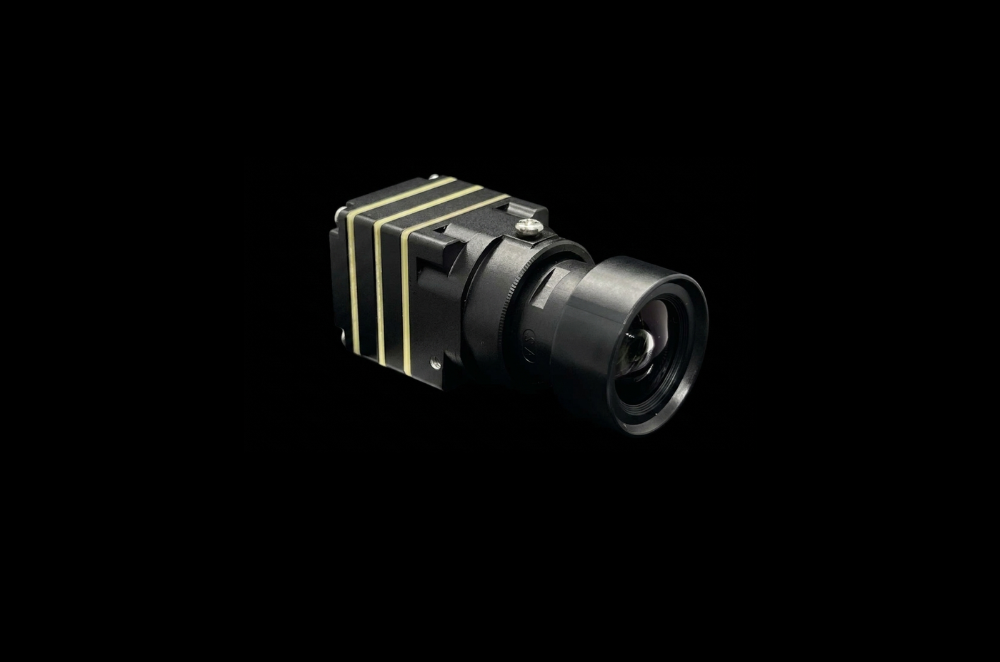
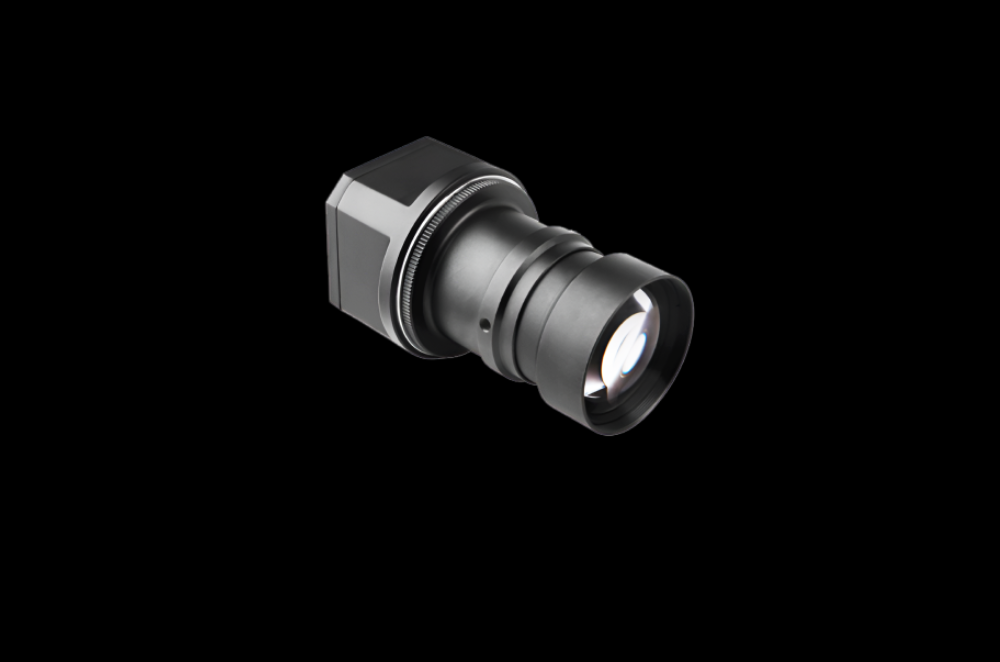
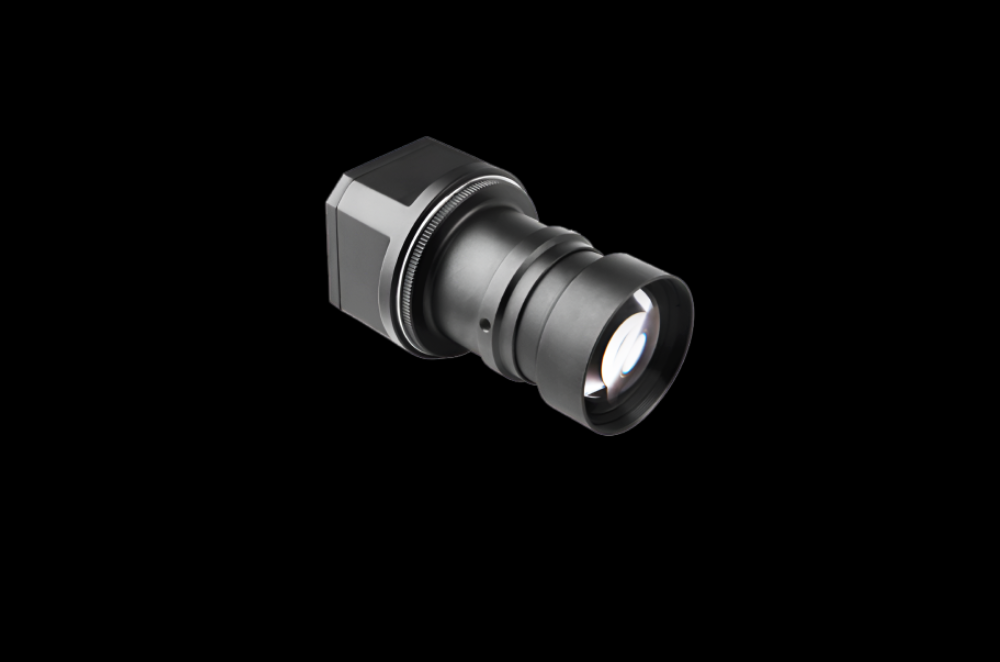
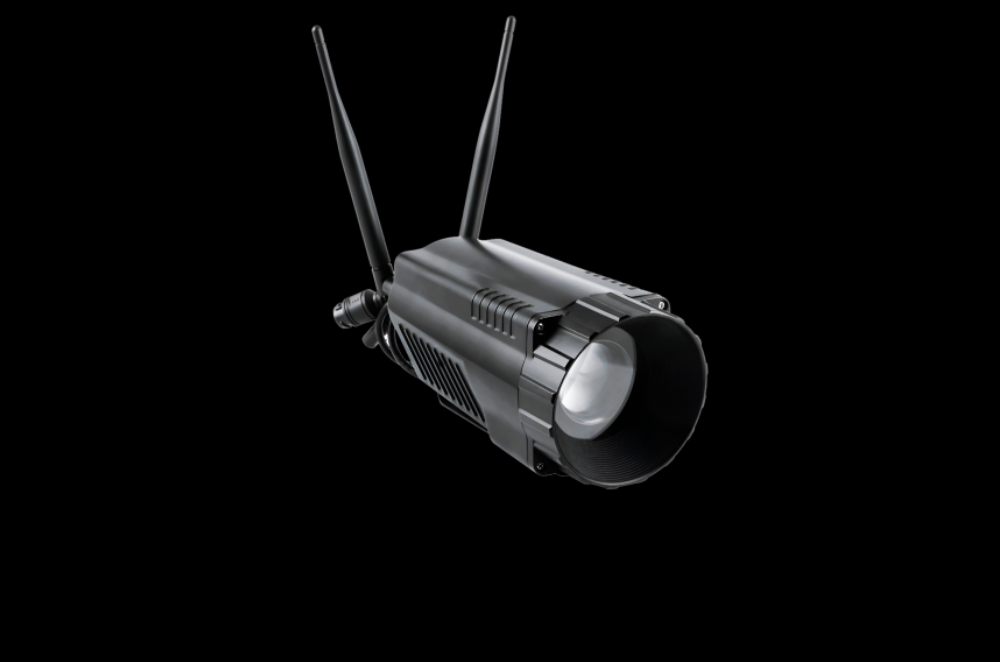
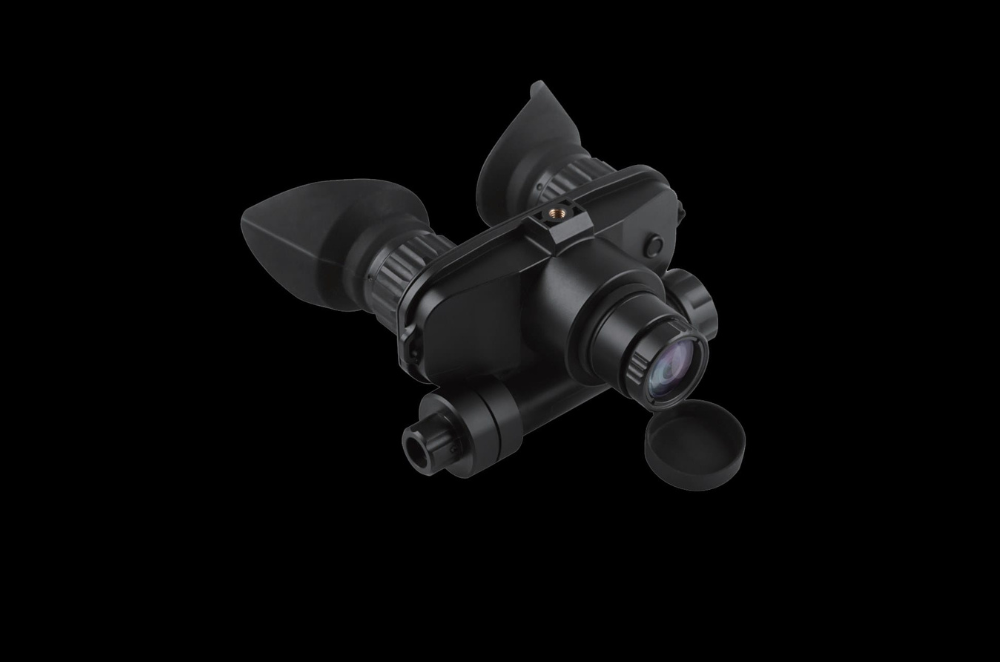
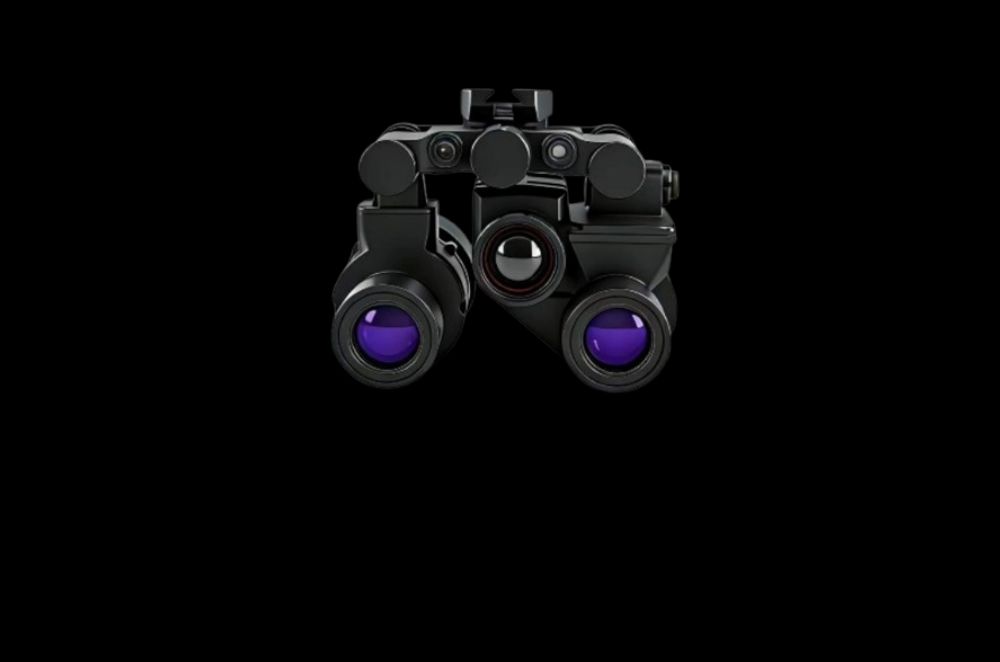
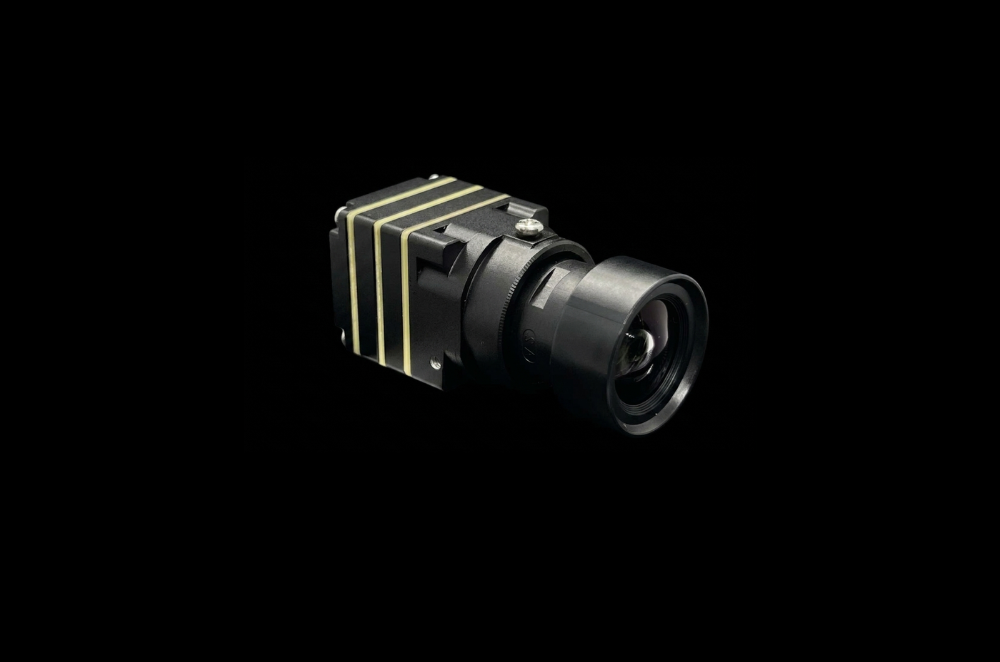
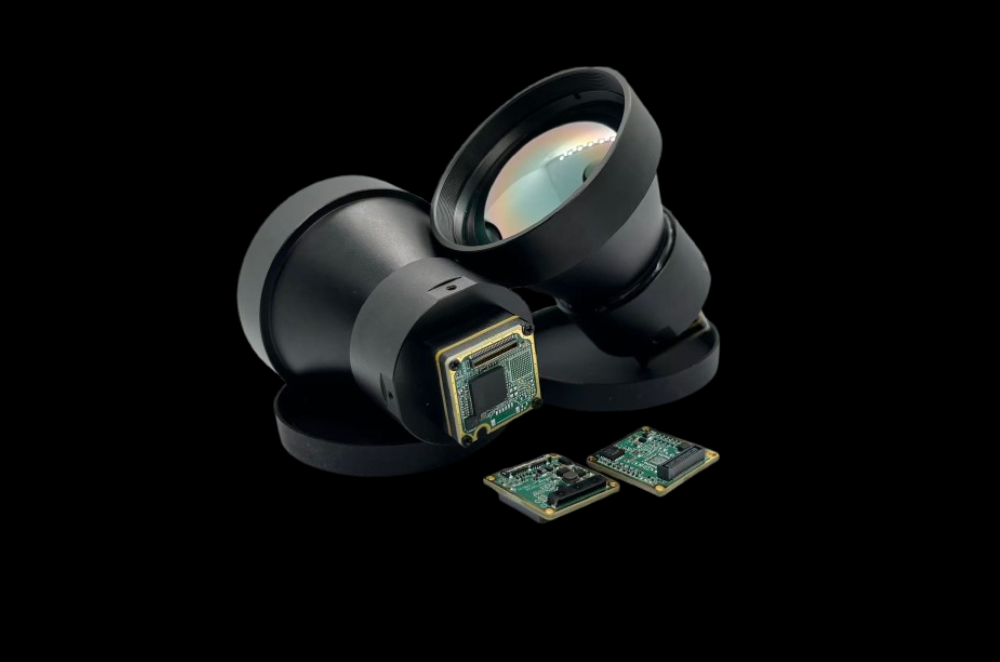
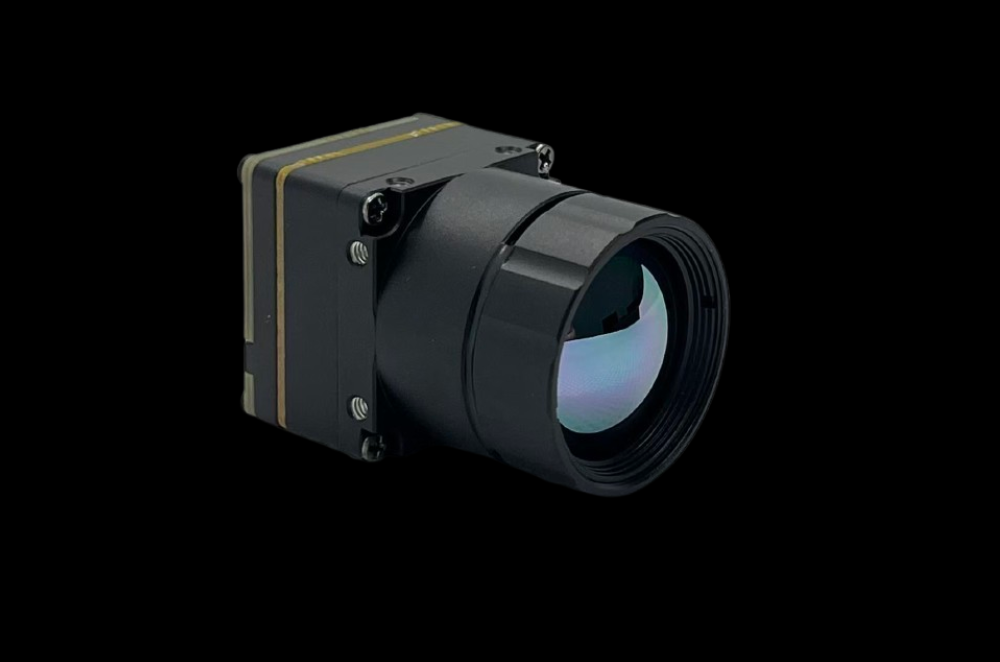
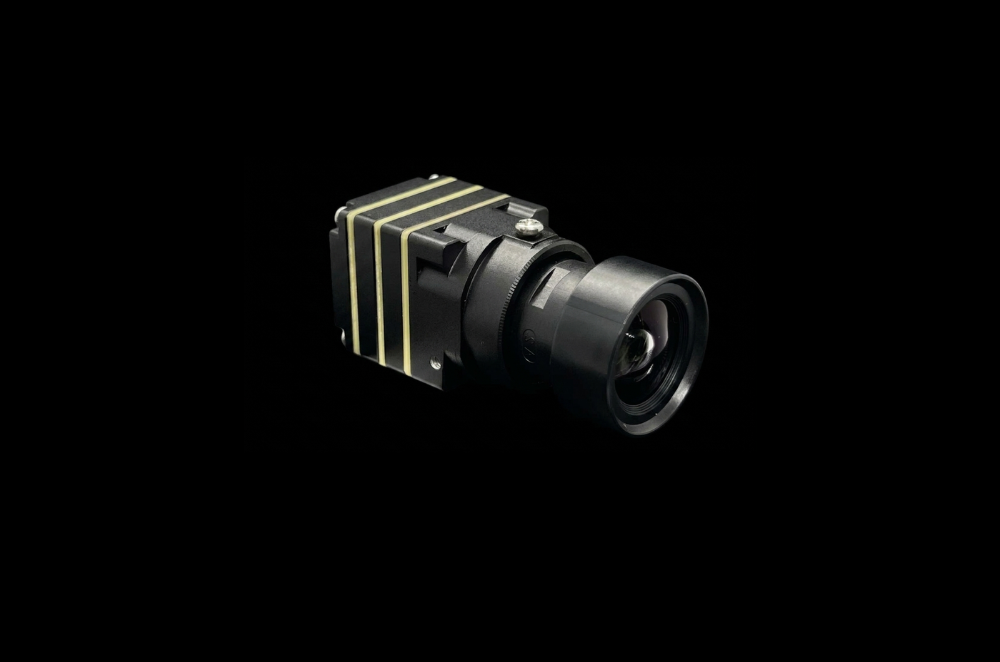
The XHF-A6M19B delivers 0.0001 lux passive starlight imaging via analogue CVBS output on a 19 mm lens, providing zero-latency night vision for tactical FPV reconnaissance drones operating in near-total darkness.
First-person-view drone operators conducting night reconnaissance and strike-coordination missions face a sensor constraint that standard ISR camera systems do not address: the analogue CVBS video interface used across the vast majority of FPV flight controller and video transmission ecosystems is incompatible with the digital MIPI and USB camera modules that deliver the low-light sensitivity needed for useful night imagery. FPV pilots navigating at speed in darkness using digital HD cameras face latency penalties from encoding pipelines that are operationally unacceptable in time-critical reconnaissance and tactical support roles, while analogue CVBS cameras with adequate sensitivity for night FPV have historically provided poor image quality that limits their usefulness for anything beyond basic navigation.
CVBS Night Vision Camera at 0.0001 Lux for FPV Platforms
The XHF-A6M19B resolves that compatibility gap as a 24/7 night vision FPV camera module with a CVBS analogue output interface, rated to 0.0001 lux minimum illumination in monochrome mode. The 19 mm lens delivers a field of view suited to forward-facing FPV navigation and target observation at the flight speeds and altitudes used in tactical FPV reconnaissance operations, providing passive starlight imaging without active illumination that would compromise the low observable profile of the platform. The CVBS interface connects directly to standard FPV video transmitters and flight controller OSD systems without an encoding stage, preserving the near-zero latency analogue video pipeline that FPV pilots depend on for real-time navigation and operator awareness at speed.
Tactical FPV Reconnaissance and Target Observation Applications
Tactical FPV platforms assigned to night reconnaissance taskings require a camera that provides usable navigation imagery in near-total darkness while outputting to the analogue video chain that keeps end-to-end latency below the threshold where platform control becomes impractical. The XHF-A6M19B delivers both requirements simultaneously, providing the 0.0001 lux sensitivity that passive night FPV navigation demands alongside the CVBS output that keeps the video pipeline analogue from sensor to pilot goggles. Target observation from a hovering or slow-flying FPV platform benefits from the 19 mm focal length geometry, which provides enough angular resolution to assess personnel and vehicle contacts at close to medium range during the dwell phase of a reconnaissance pass where the operator transitions from navigation to observation mode.
Integration Into FPV Platform Ecosystems
The XHF-A6M19B is compatible with the full range of standard FPV video transmitter systems and OSD-equipped flight controllers used across tactical FPV platforms, requiring only a standard CVBS connection to integrate into an existing FPV electronics stack without hardware modification or firmware changes. At a compact module size and mass consistent with the weight budget of racing and tactical FPV airframes, the camera adds night vision capability to platforms already configured for daytime FPV operation without requiring structural modification to the airframe or payload bay. As tactical FPV programmes continue expanding their operational scope into night and low-light mission profiles, passive CVBS night vision cameras at 0.0001 lux represent the lowest-friction upgrade path for FPV fleets transitioning from daytime-only to 24/7 operational capability.