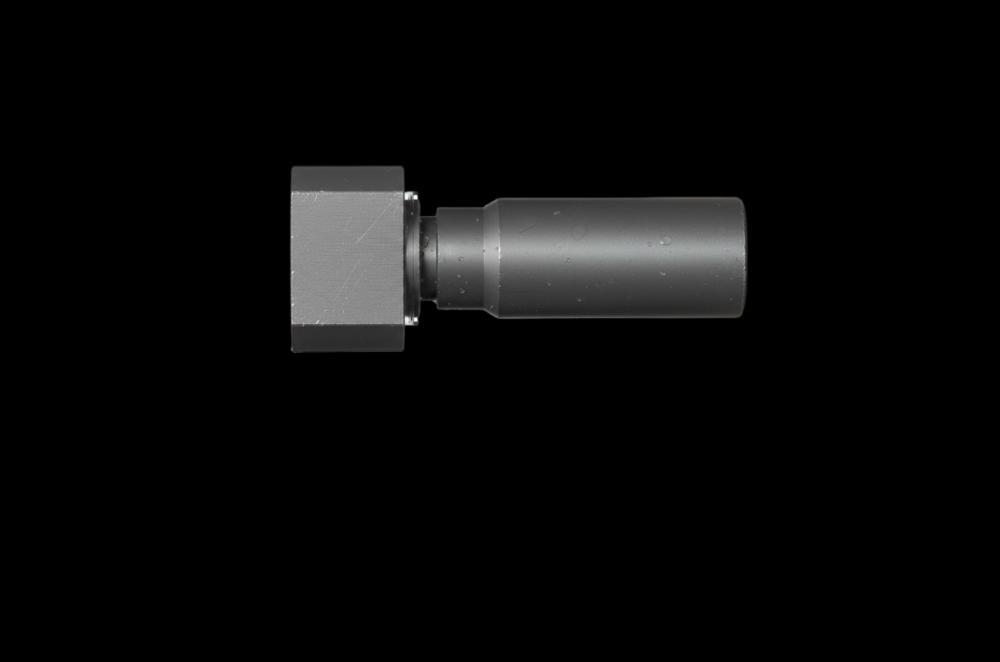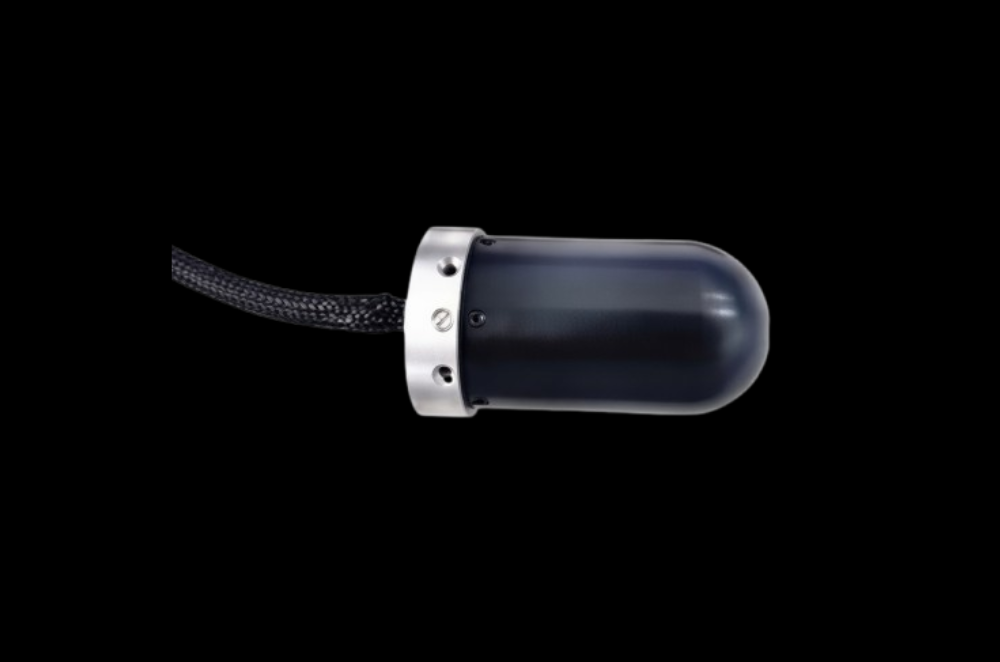
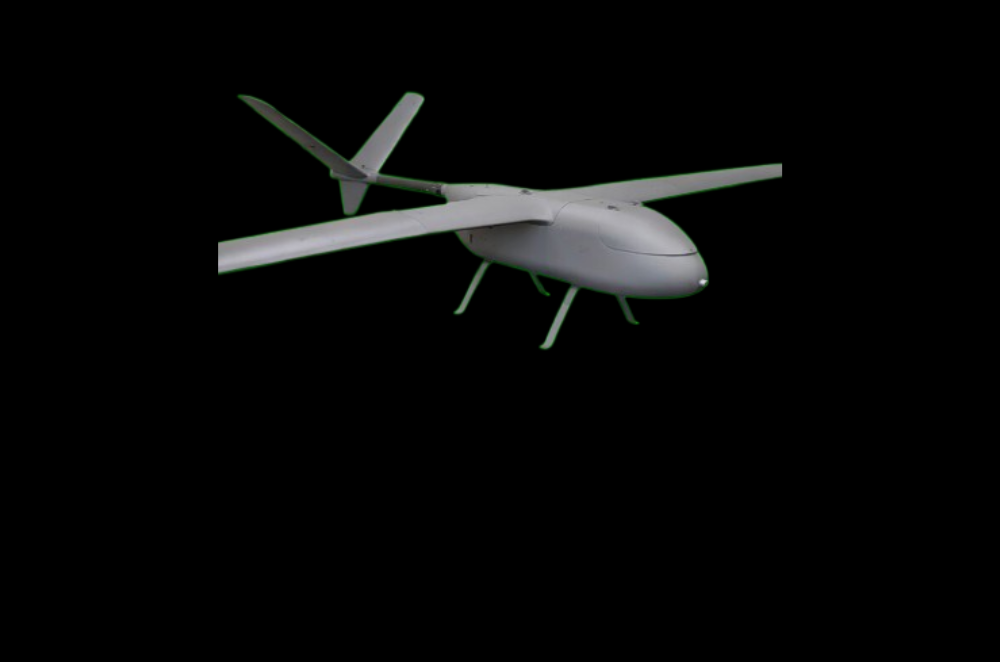
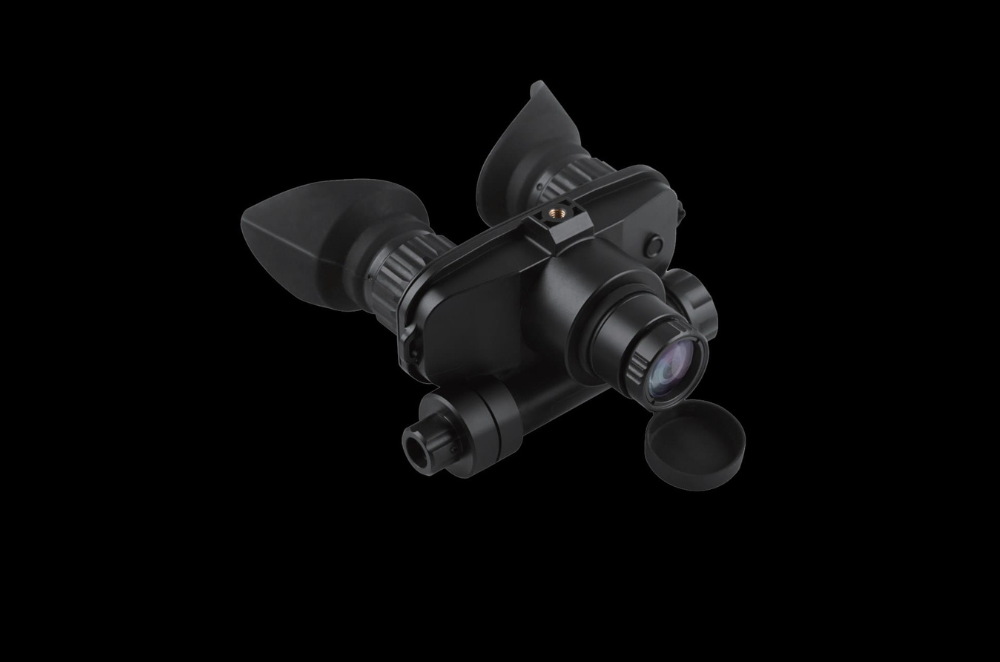
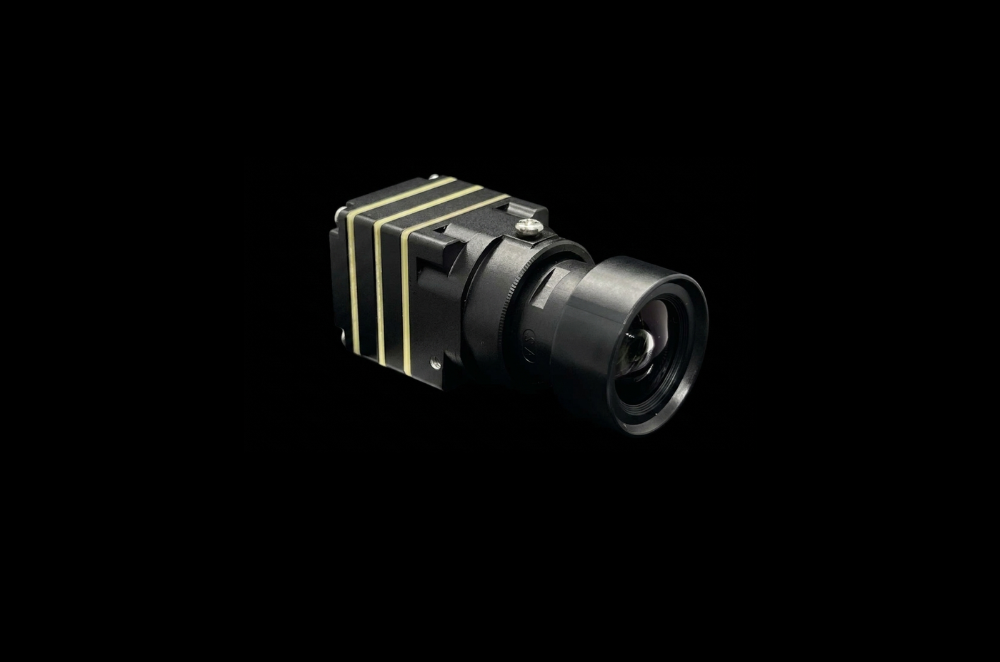
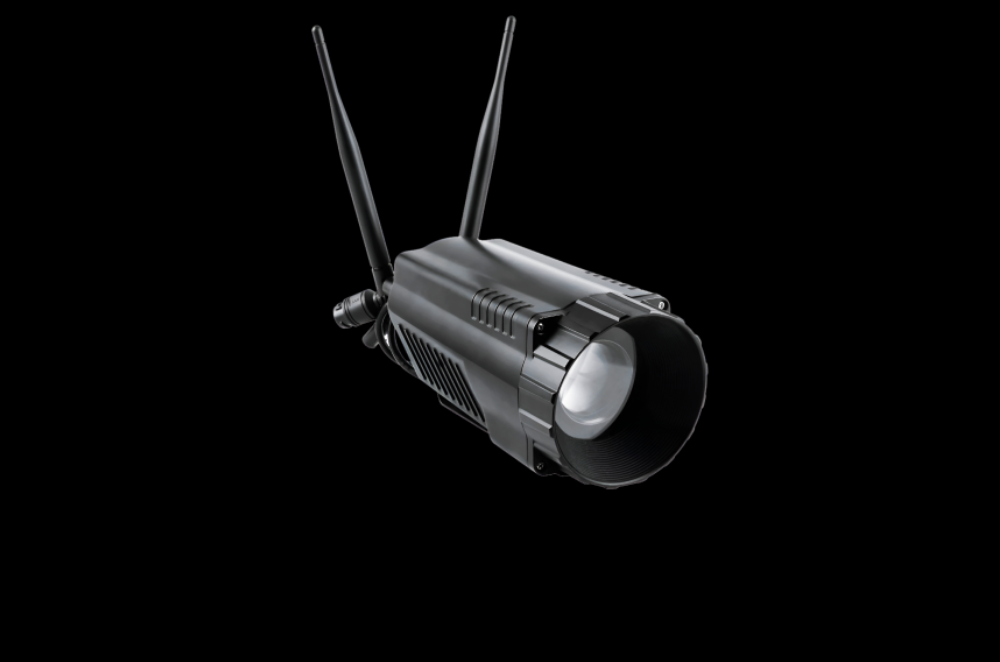
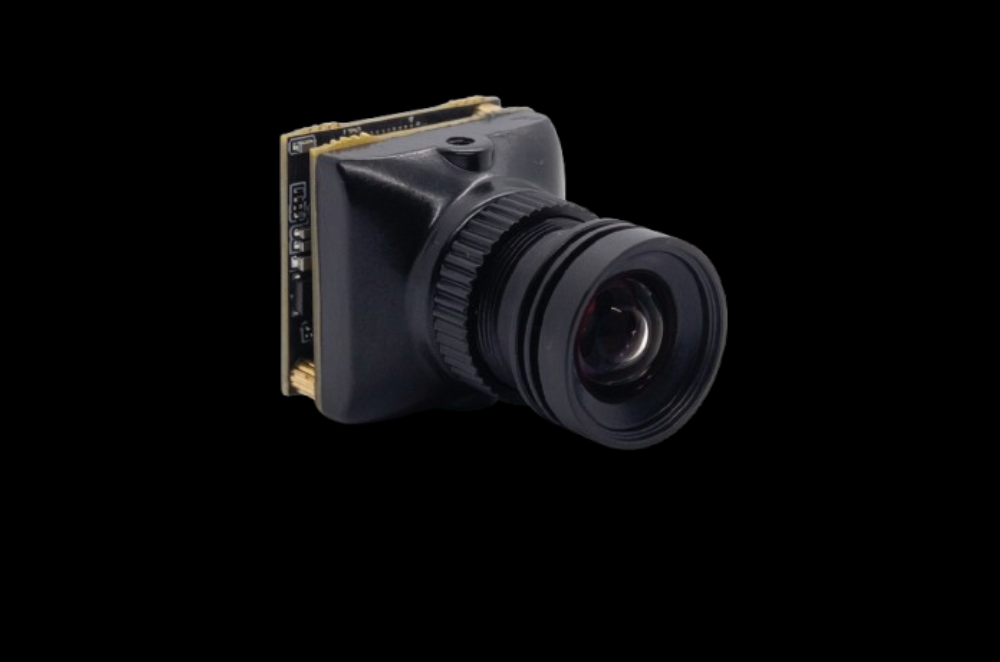
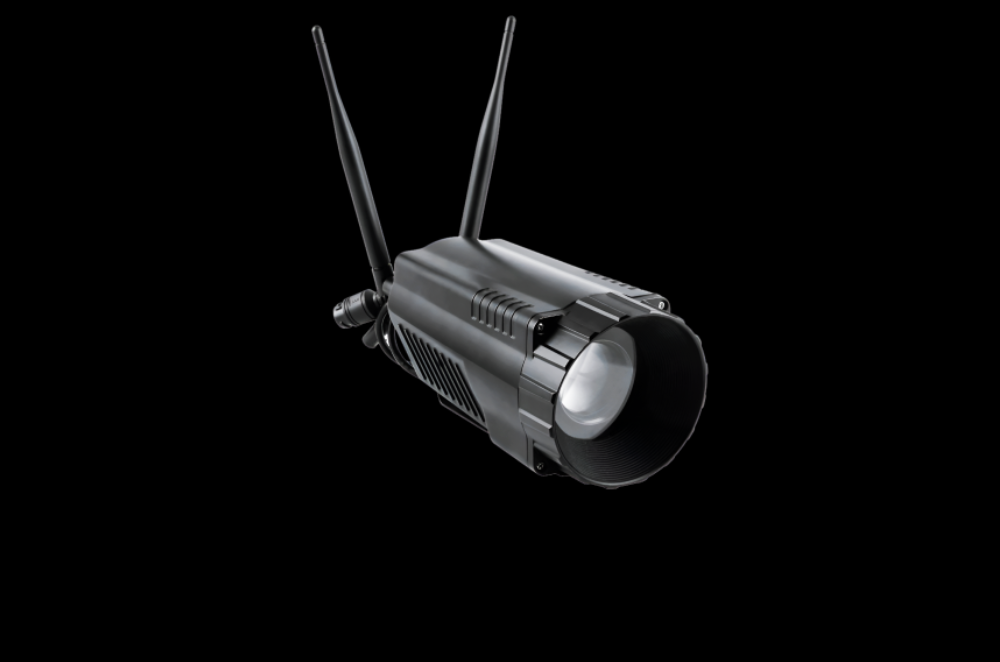
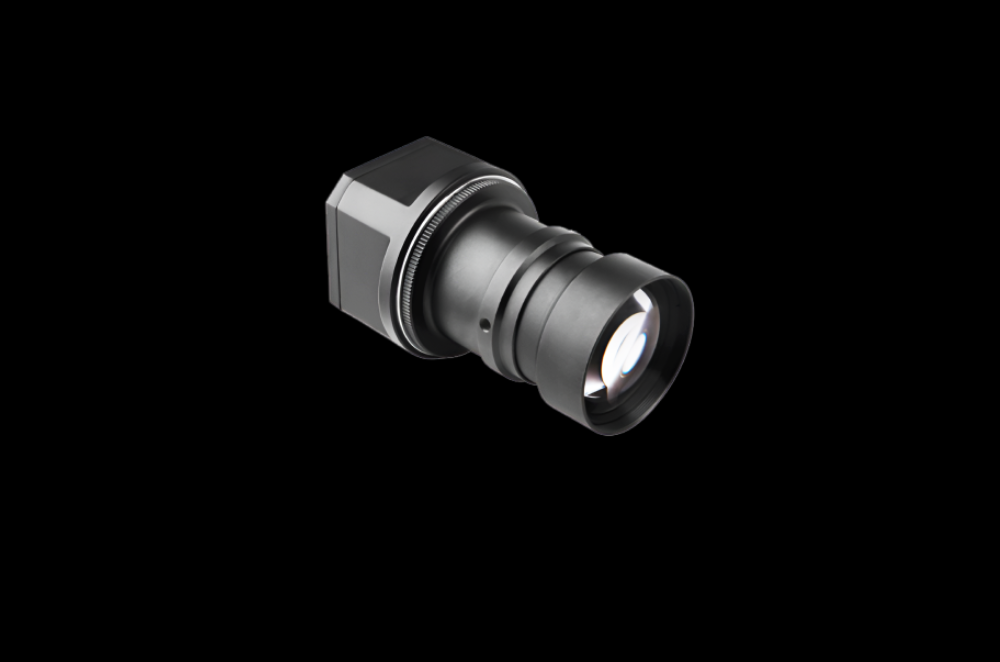
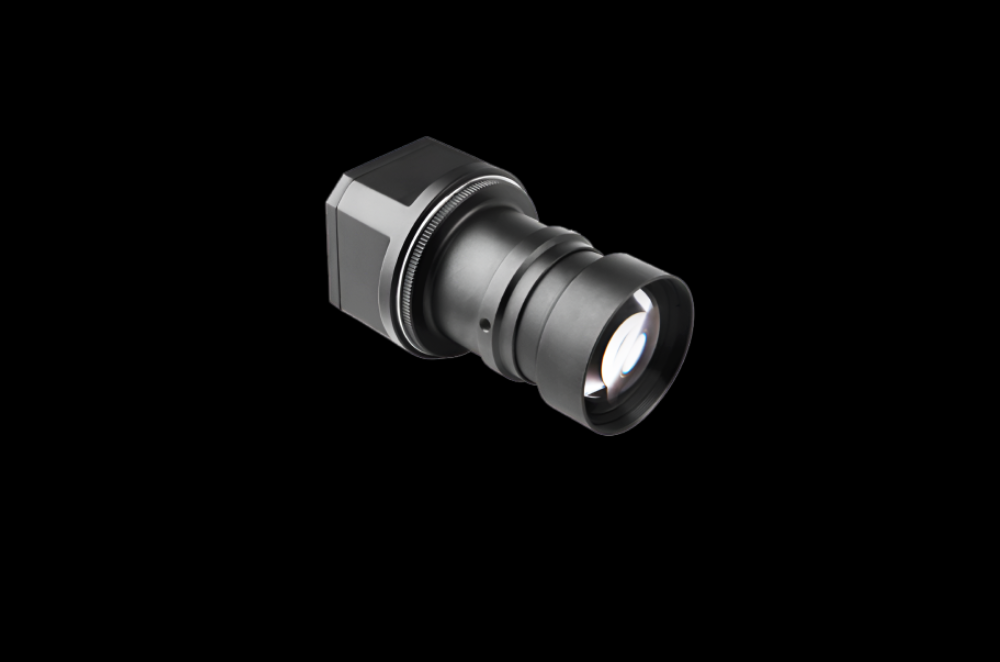
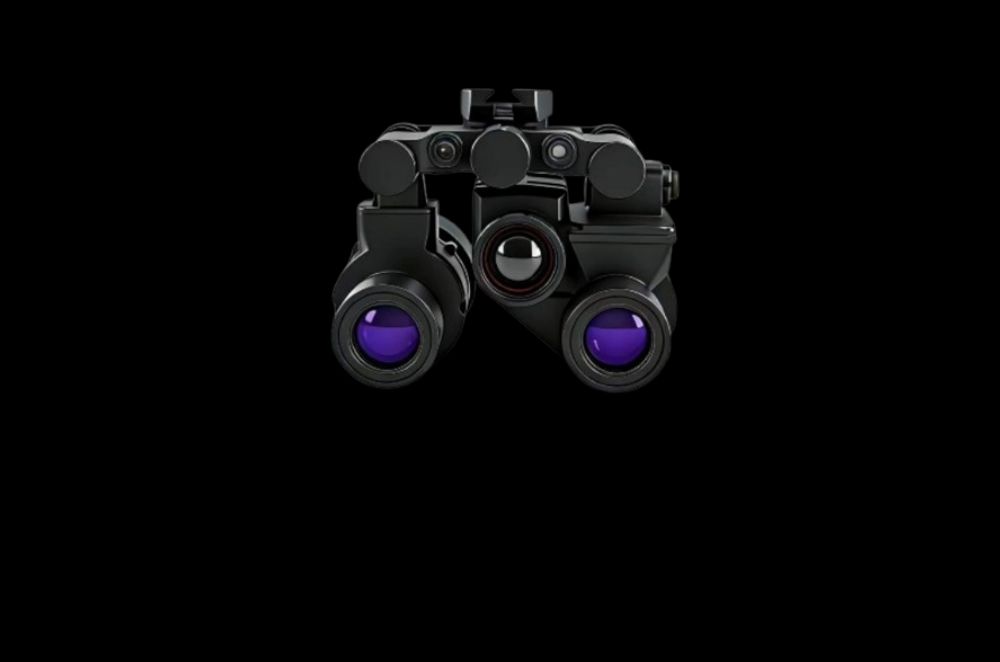
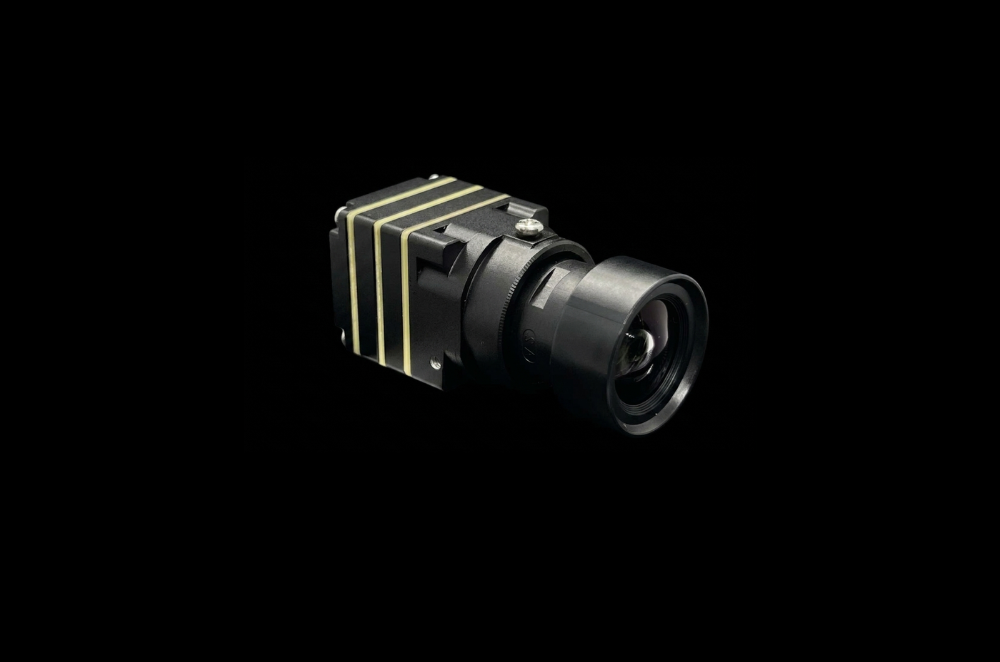
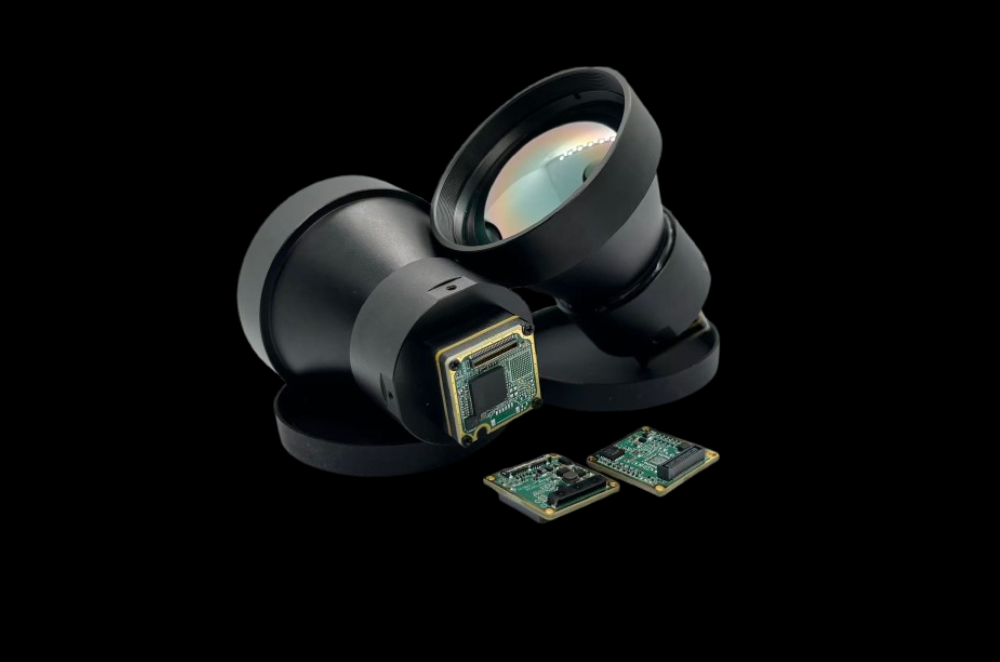
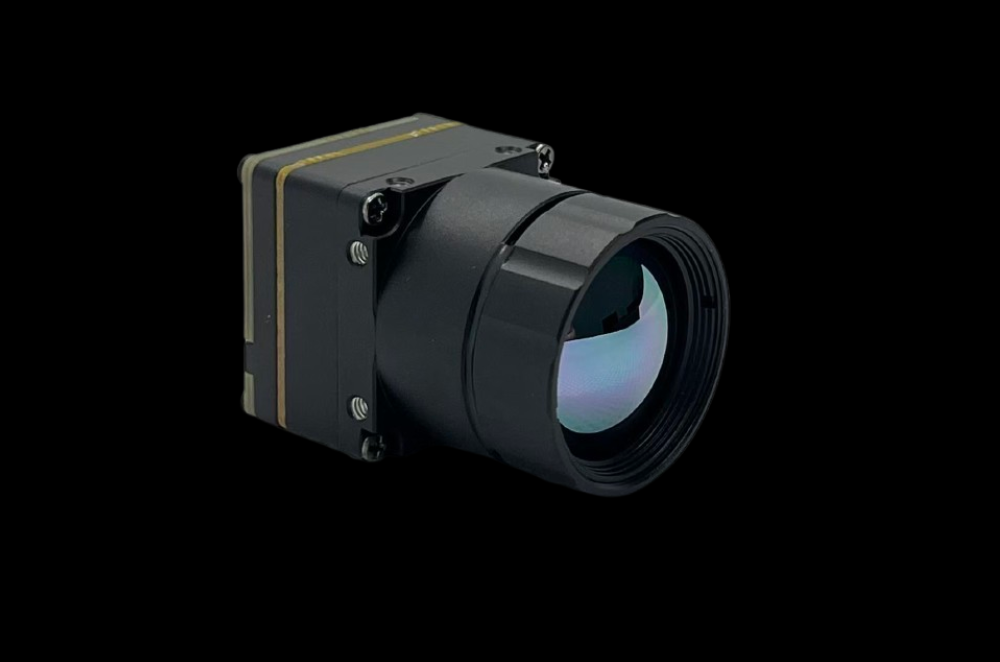
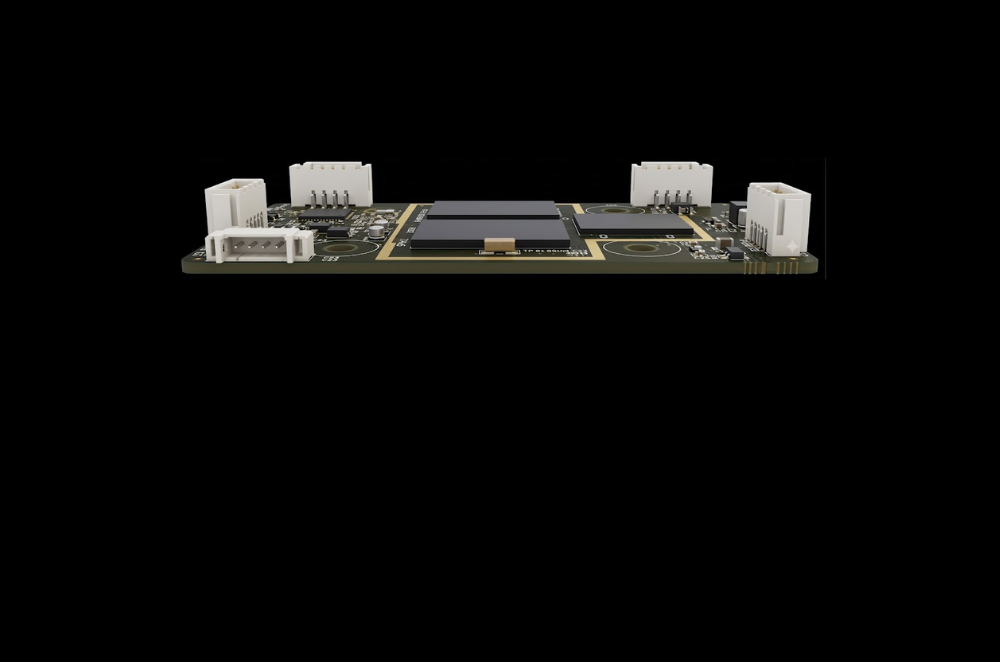
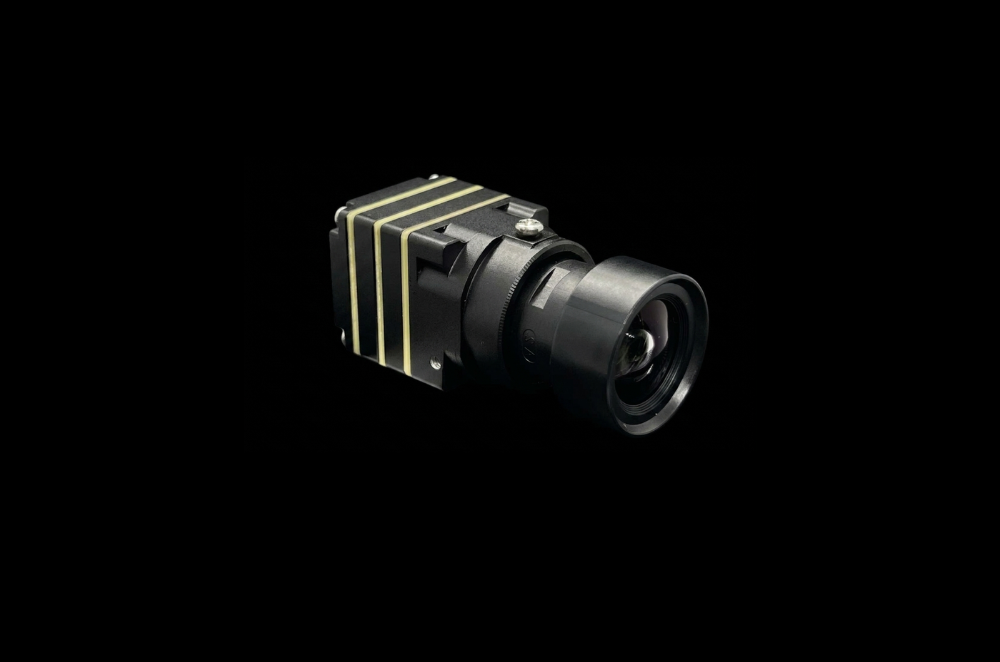
The XHC1604U07C delivers Full HD 0.0007 lux imaging at 750 m person detection via USB 3.0, targeting UGV forward vision systems, compact ISR drone payloads, and plug-and-play perimeter sensor node integration.
A quiet but significant shift is underway in how embedded vision engineers specify camera modules for unmanned ground vehicles, perimeter sensor nodes, and compact airborne platforms. The move from proprietary CSI-2 designs toward USB 3.0 as the primary camera interface has been driven by the maturing of UVC-compliant driver stacks across all major embedded Linux and RTOS platforms, eliminating the custom driver development overhead that previously made USB cameras a secondary choice for performance-demanding ISR applications. As that integration barrier falls, low-light USB cameras with full HD resolution are being reconsidered for roles that once required MIPI-only solutions.
Full HD Low-Light Imaging Over USB at 7 mm Focal Length
The XHC1604U07C enters this expanding USB camera market as a Full HD 1920 × 1080 low-light module rated to 0.0007 lux minimum illumination in monochrome mode, interfacing via USB 3.0 with standard UVC driver compatibility across NVIDIA Jetson, Raspberry Pi Compute Module, and equivalent embedded platforms. The 7 mm F1.0 lens delivers a horizontal field of view suited to medium-range surveillance and reconnaissance at drone altitudes of 80 to 150 m, with person detection reaching 750 m under clear-sky near-darkness conditions. At ≤ 45 g and USB-powered operation, the module fits the payload and integration constraints of lightweight unmanned platforms without a separate power regulation stage or capture card requirement.
UGV Forward Vision and Perimeter Node Applications
Unmanned ground vehicle programmes that have standardised on embedded Linux compute platforms use the USB camera interface as the default forward vision sensor connection precisely because no board-level customisation is required between sensor procurement and field deployment. The XHC1604U07C fits that integration model with a 7 mm focal length that provides the medium-range field of view suited to UGV navigation in open terrain and structured perimeter environments, where the vehicle must detect obstacles and personnel contacts at ranges of 500 to 750 m to allow adequate reaction time at patrol speeds. Fixed perimeter sensor nodes benefit from the USB-powered architecture, which allows the camera to be powered and controlled from a single cable connection to the host compute module, reducing installation complexity at remote sensor positions where additional power infrastructure is impractical.
Fleet Serviceability and Forward Maintenance Advantages
Programmes managing large numbers of sensor nodes or UGV platforms across dispersed operating areas have begun weighting field serviceability in camera module procurement decisions alongside optical performance, recognising that sensor replacement without driver reinstallation or board-level rework reduces maintenance burden significantly at the fleet scale. The XHC1604U07C plug-and-play USB compatibility supports that serviceability requirement, allowing forward maintenance teams to replace a failed sensor module without software tools or specialist engineering support, restoring full sensor capability from a cold-swap in minutes rather than hours. For programmes where total cost of ownership across a multi-year operational deployment factors into procurement scoring, that maintenance simplicity represents a measurable lifecycle cost advantage over MIPI-interface alternatives at comparable optical performance.