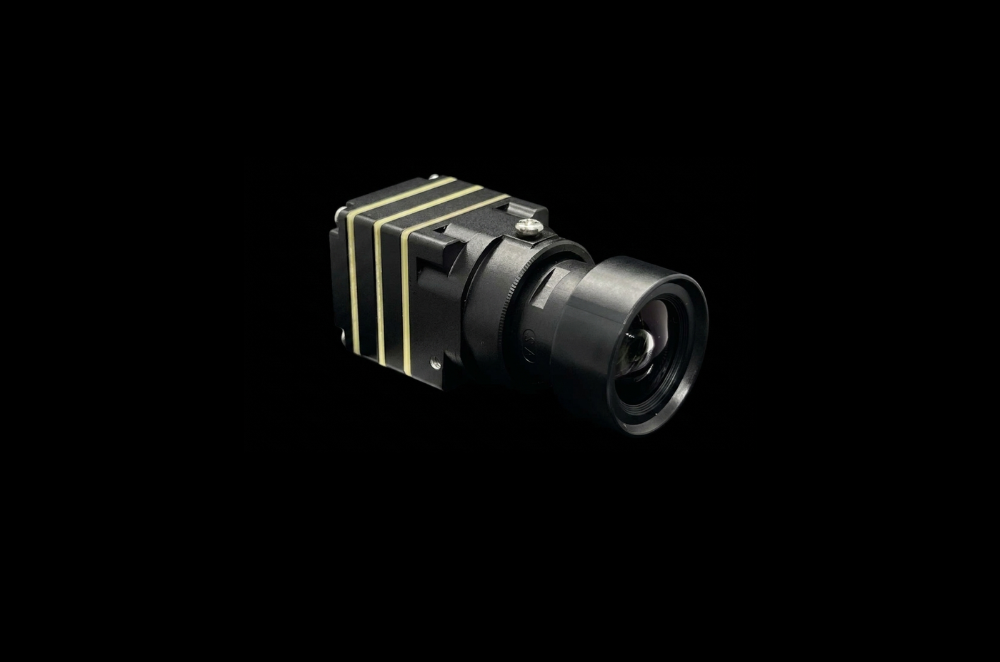
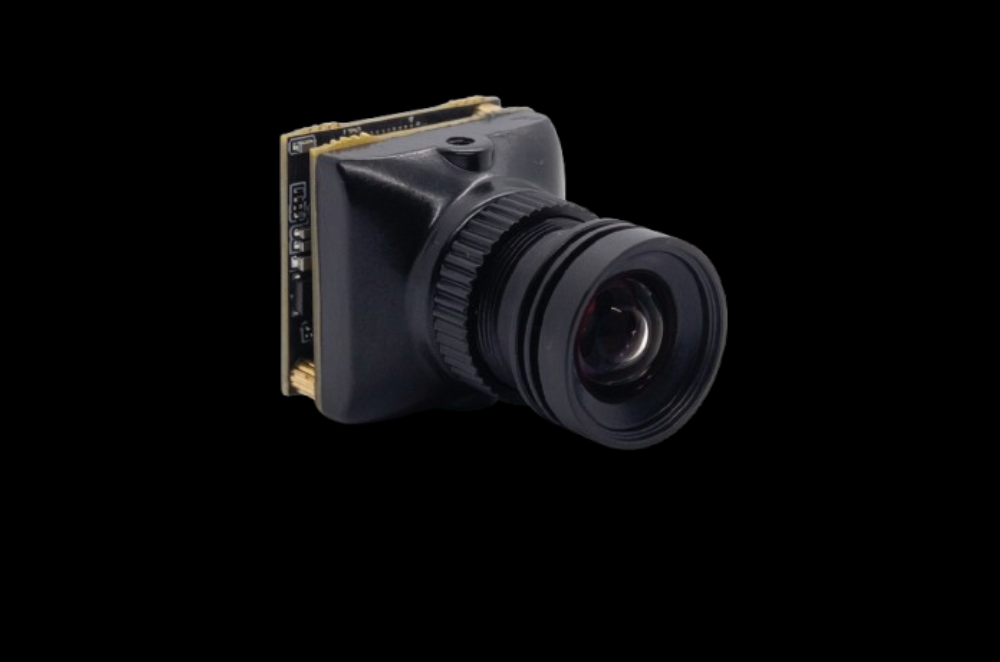
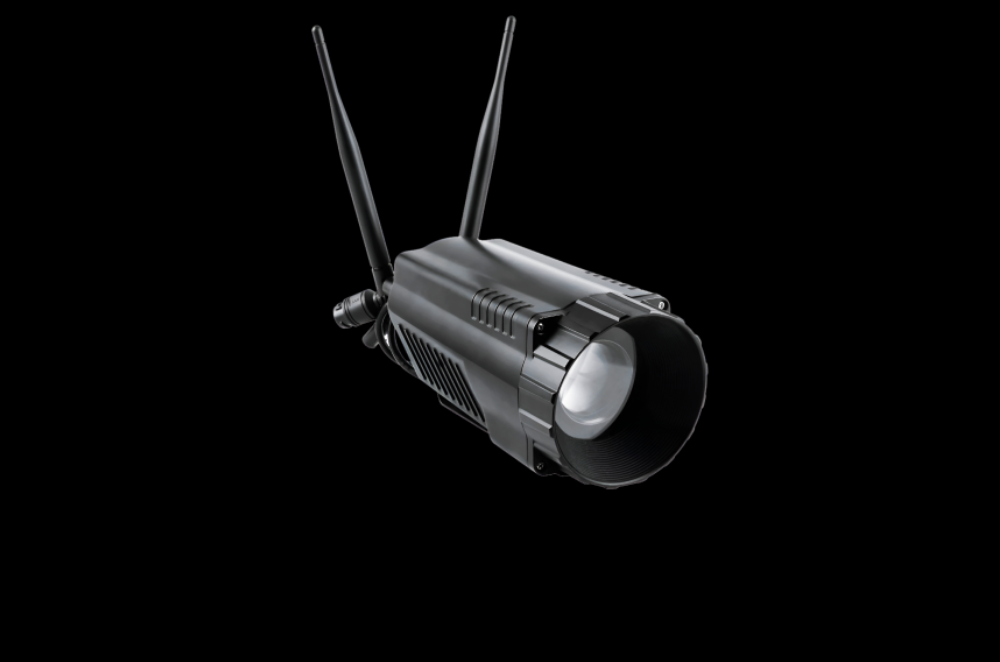
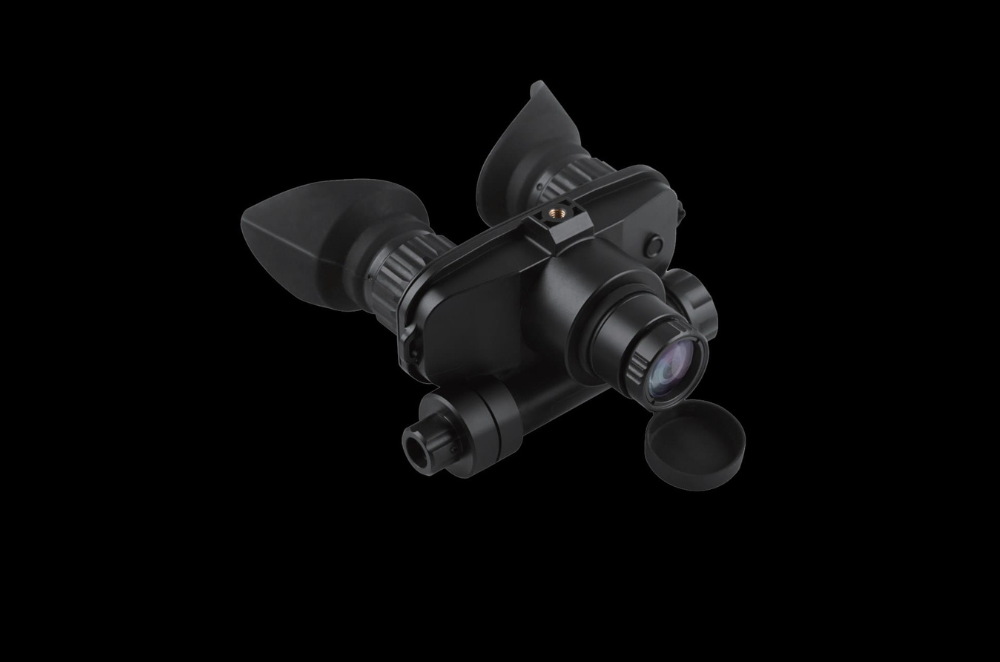
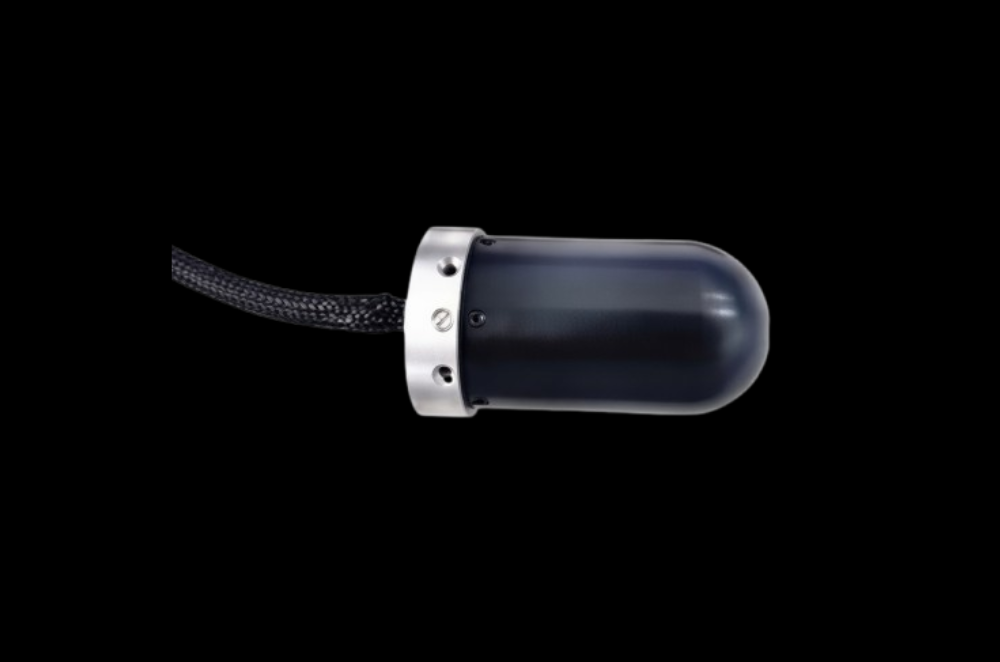
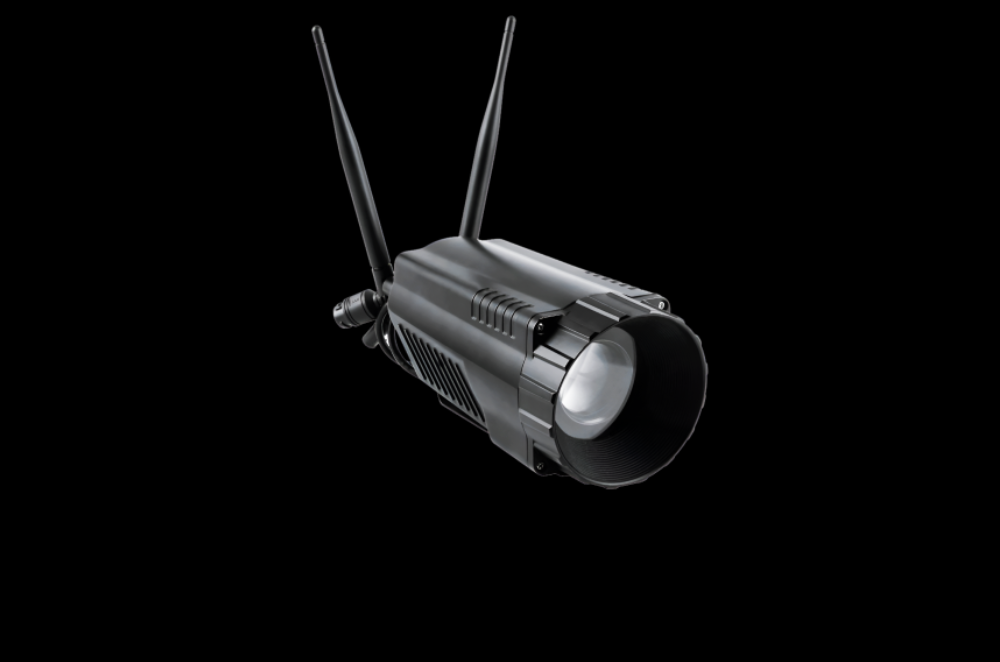
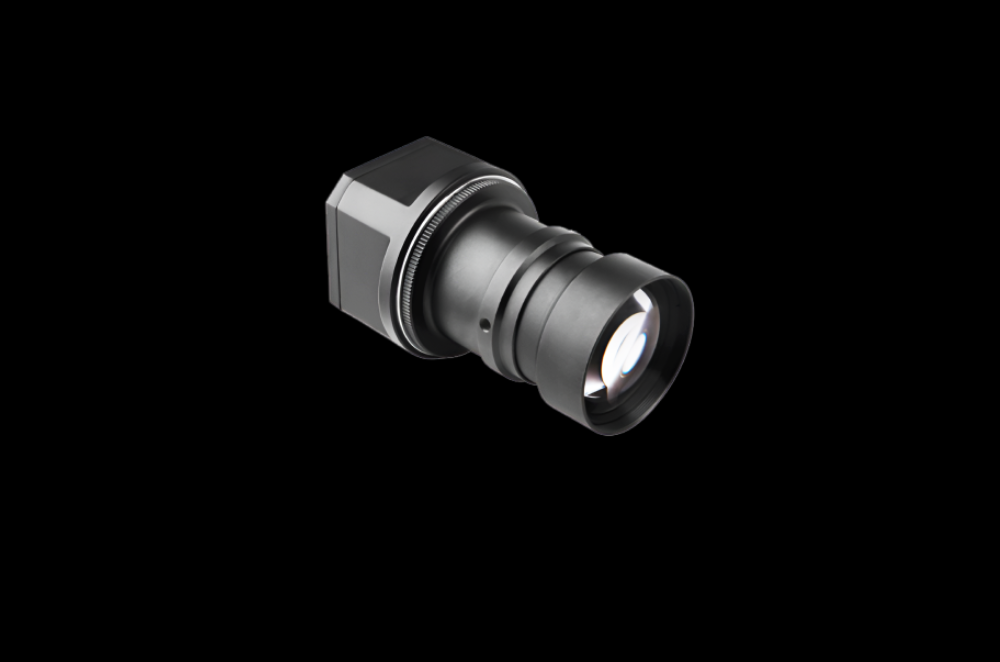
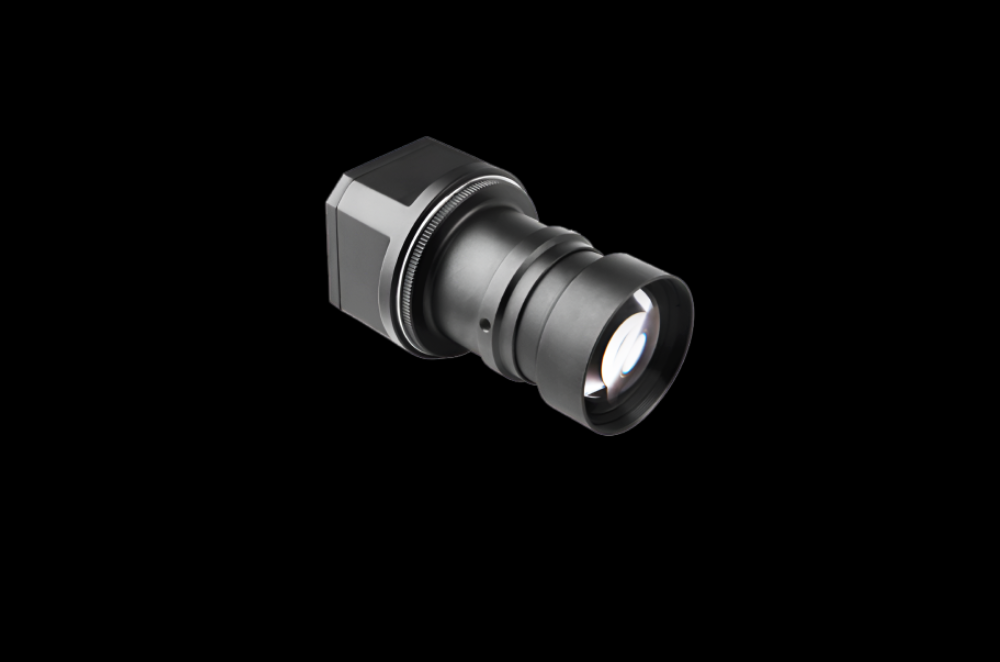
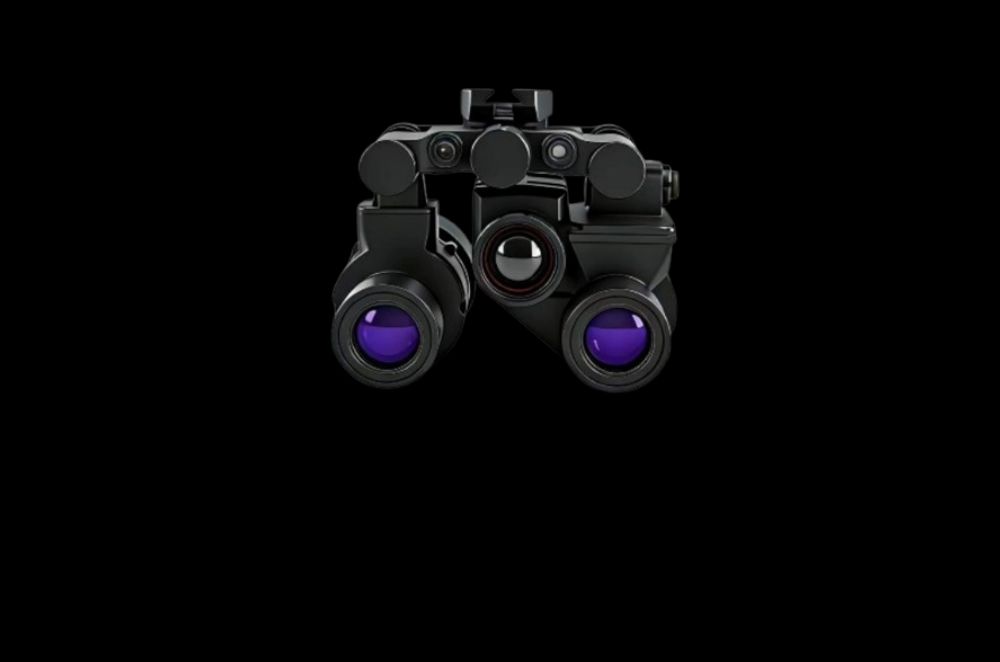
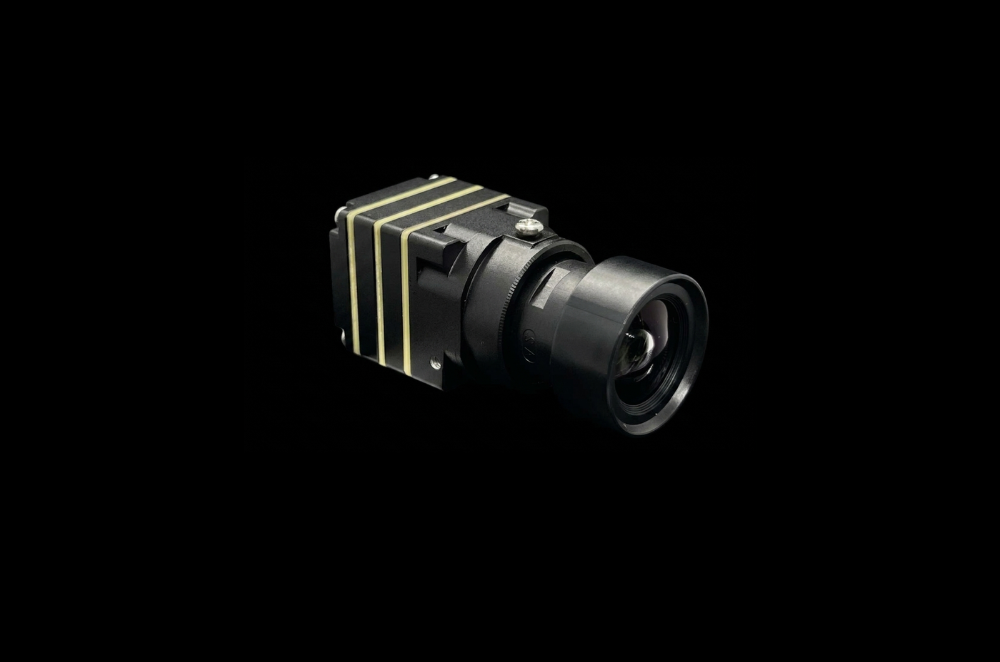
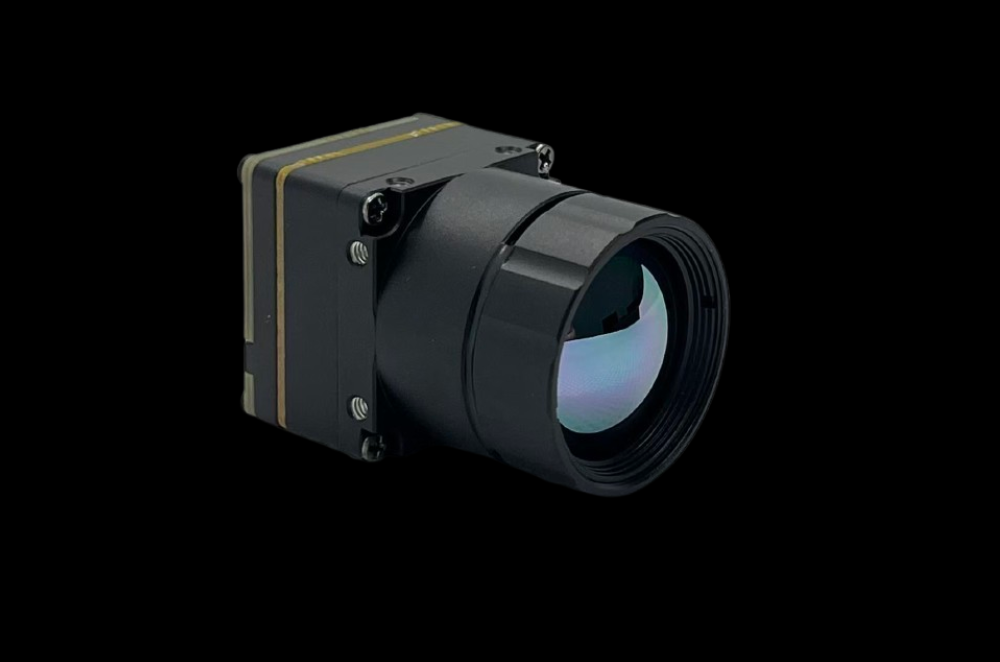
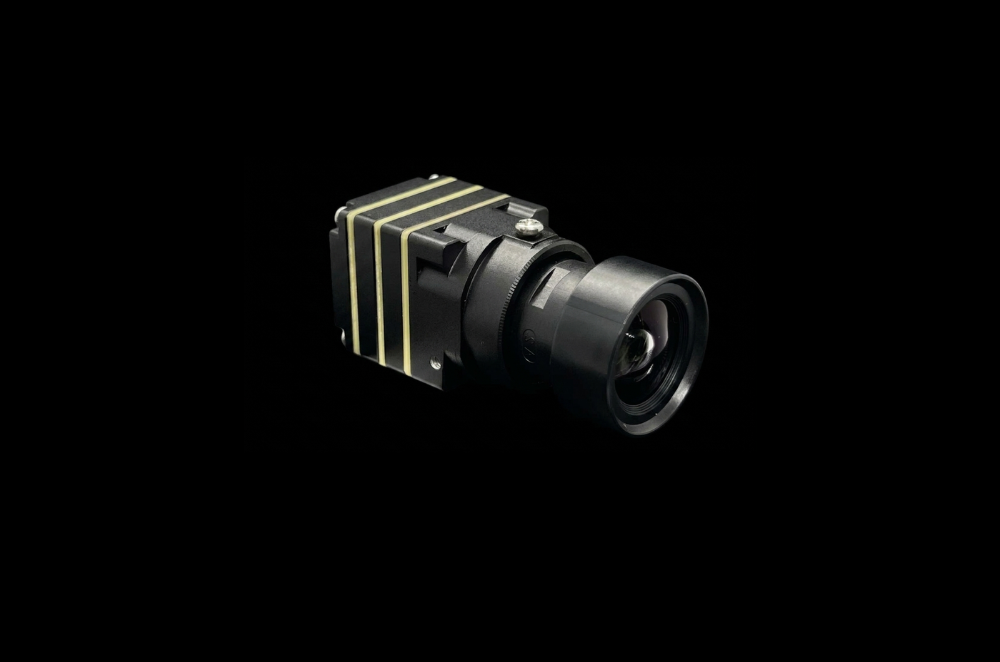
The XHF-A6M19C delivers 0.001 lux colour and 0.0001 lux monochrome CVBS night vision on a 19 mm lens, providing target colour discrimination for tactical FPV drones operating across mixed-illumination urban reconnaissance environments.
Colour video capability in tactical FPV platforms has moved from a daytime-only feature to an active operational requirement as programme offices recognise that colour imagery during twilight and partially illuminated night conditions provides target discrimination information that monochrome cameras cannot deliver regardless of sensitivity. The FPV camera market has responded with colour-capable CMOS sensors at progressively lower minimum illumination thresholds, but the combination of colour performance, analogue CVBS output, and sub-millilux sensitivity in a single compact module has remained elusive for platform integrators working within the tight mass and volume constraints of tactical FPV airframes.
Colour CVBS Night Vision for Tactical FPV Operations
The XHF-A6M19C delivers that combination as a 24/7 colour night vision FPV camera with CVBS analogue output, rated to 0.001 lux minimum illumination in colour mode and 0.0001 lux in monochrome fallback, on a 19 mm lens suited to forward-facing FPV navigation and target observation geometry. Colour imagery at 0.001 lux covers the twilight, dusk, and partially illuminated urban night environments where most tactical FPV reconnaissance operations occur, providing colour identification information that allows operators to discriminate between uniformed and civilian contacts, identify vehicle types by colour marking, and assess terrain features that appear visually similar in monochrome. The automatic colour-to-monochrome transition as illumination drops below 0.001 lux ensures the operator always receives the maximum available image quality without manual mode switching during operations that span the full dusk-to-dawn cycle.
Urban Night Operations and Multi-Illumination Environment Missions
Urban reconnaissance FPV operations encounter the widest illumination variability of any tactical environment: streetlighting, building interior light spill, vehicle headlamps, and emergency lighting create pockets of 0.01 to 1 lux ambient illumination surrounded by unlit zones near 0.001 lux or below. The XHF-A6M19C navigates that variability with automatic gain control and colour-to-monochrome transition that tracks ambient illumination changes in real time, providing colour imagery in illuminated zones and monochrome sensitivity in dark zones without operator intervention during a continuous reconnaissance pass. The CVBS output maintains the analogue video pipeline that keeps end-to-end latency below the navigation control threshold, preserving the real-time pilot situational awareness that FPV operations in complex urban terrain demand.
Colour FPV Capability as a Fleet Standard
Tactical FPV programmes that have evaluated colour versus monochrome CVBS cameras in operational trials report that colour capability in partially illuminated environments reduces target misidentification rates significantly enough to justify standardising colour-capable sensors across the fleet rather than assigning them only to specialist platforms. The XHF-A6M19C provides that fleet-standard colour FPV capability with a CVBS interface that integrates into existing FPV electronics stacks without hardware modification, allowing programme offices to upgrade their FPV fleets to colour night vision capability through a direct sensor swap that requires no changes to video transmission, OSD, or pilot goggle infrastructure. As colour night vision transitions from a specialist option to a baseline expectation in tactical FPV procurement, the XHF-A6M19C is positioned to define the colour CVBS night camera standard for the next generation of operational FPV platforms.