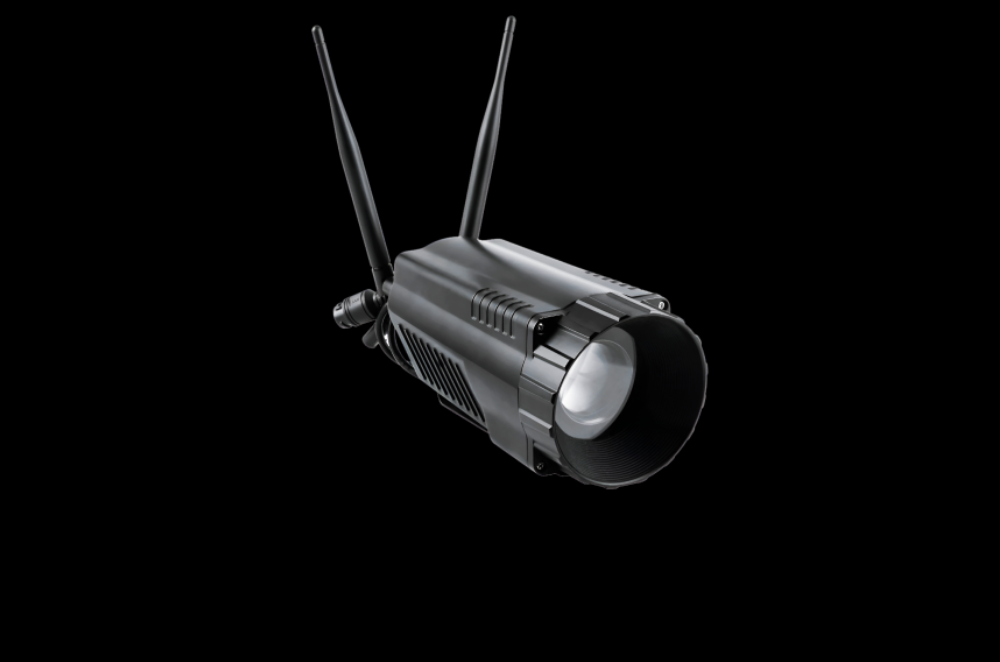
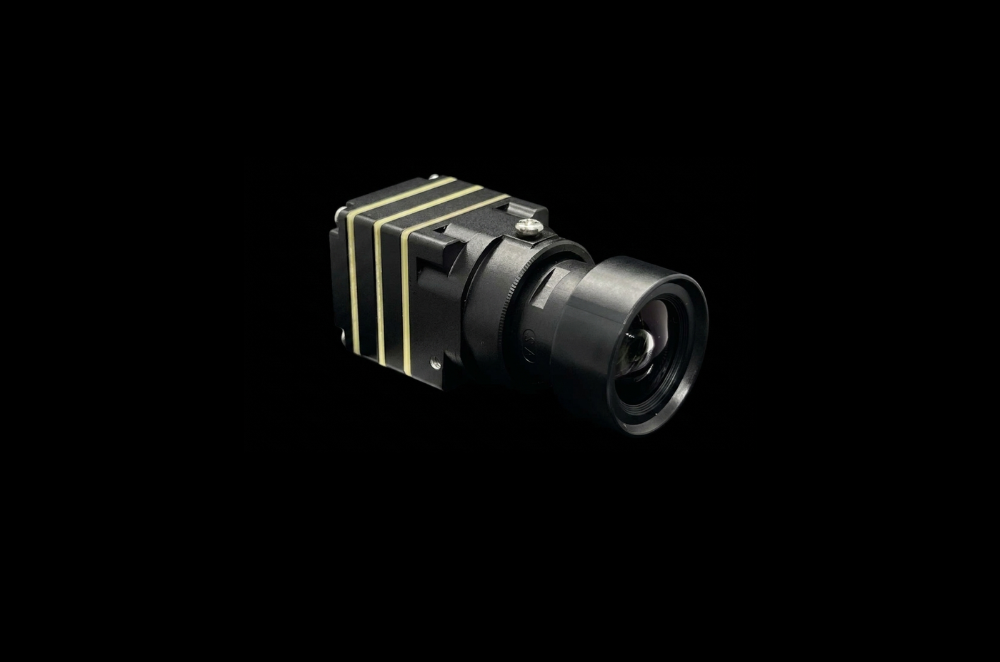
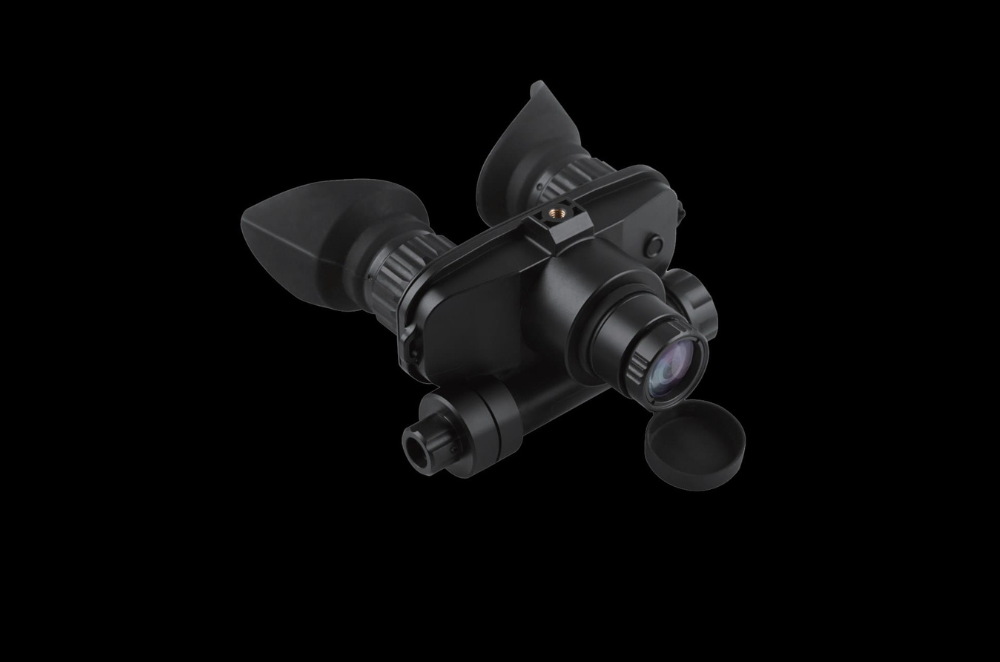
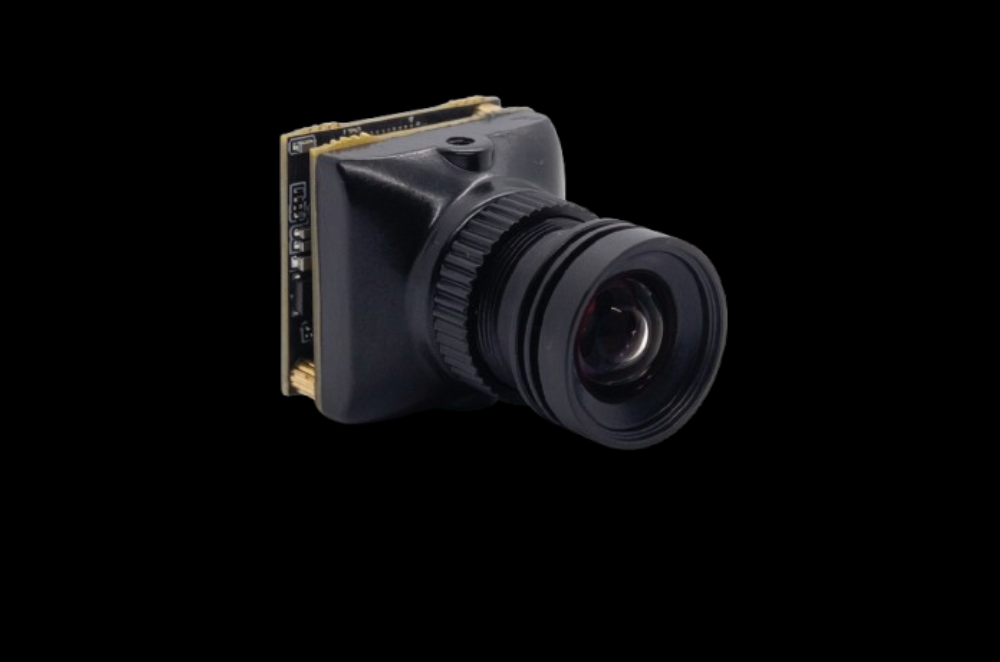
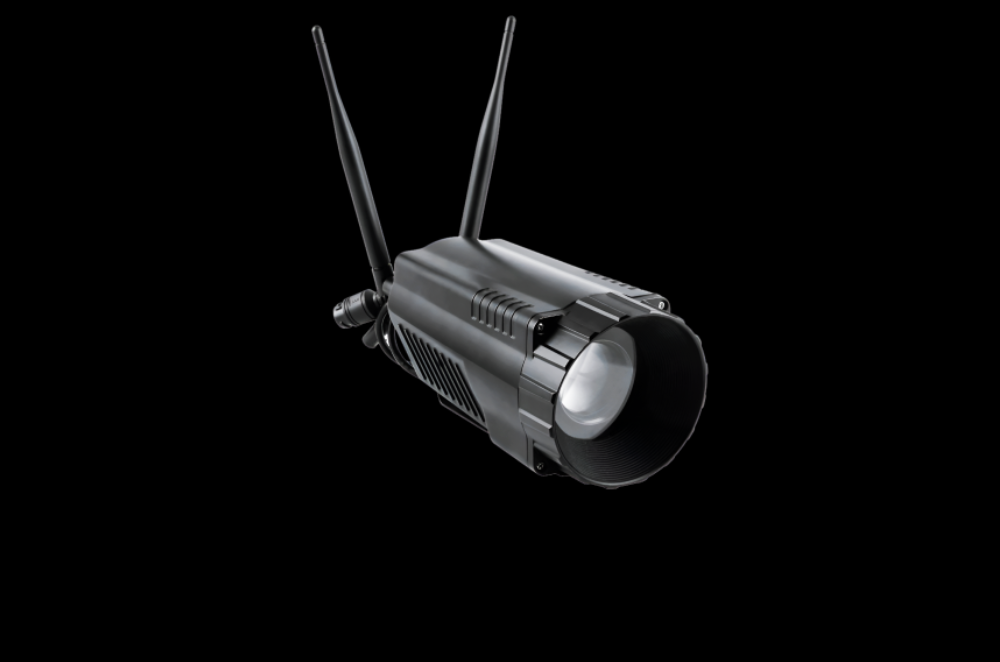
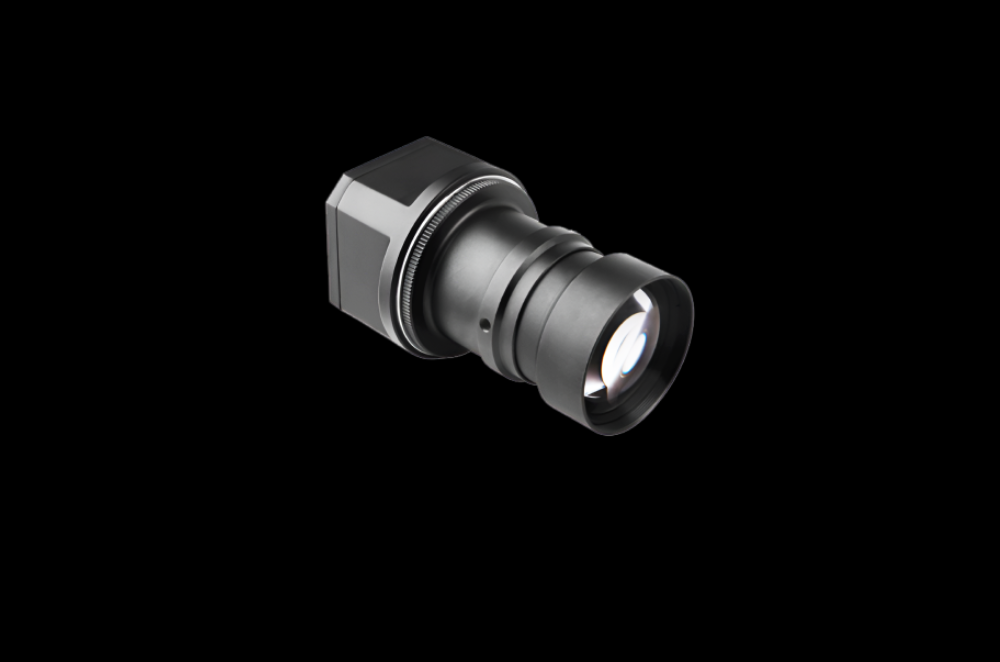
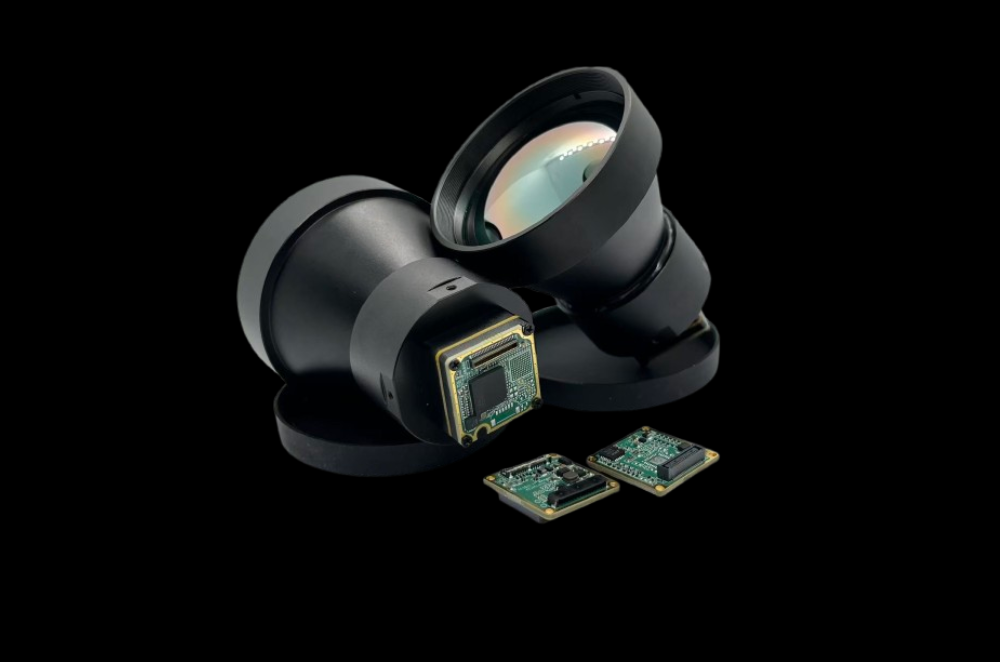
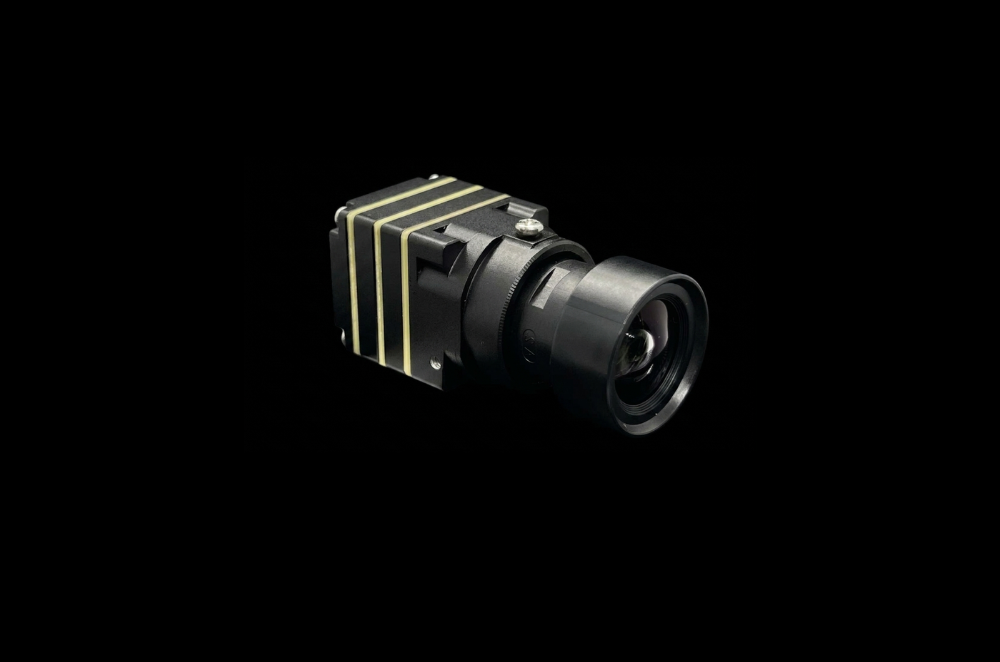
Star-Navi's XHV3001AT moves AI target detection and tracking onboard UAVs and autonomous platforms, cutting reliance on ground-station video links.
Counter-UAS and autonomous platform developers have spent the last two years chasing the same constraint: how much onboard intelligence can you fit into a payload bay that was never designed to carry it. Flight controllers still need raw video piped to a ground station for a human to make sense of, and that round trip costs precious seconds an interceptor or loitering system doesn't have. Star-Navi's new XHV3001AT vision processing module is built around closing that gap directly on the airframe.
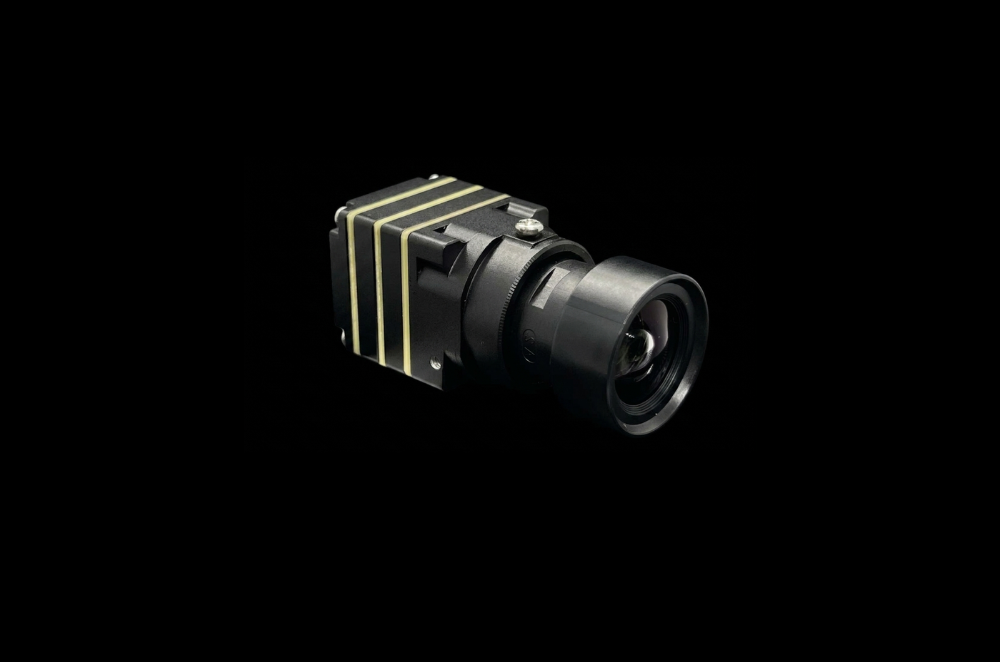
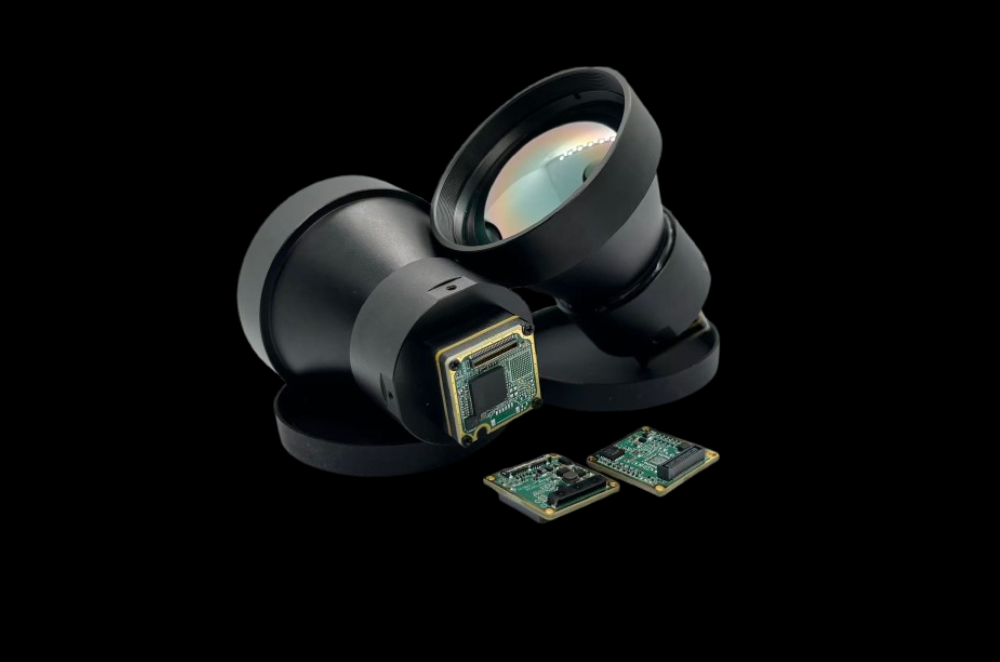
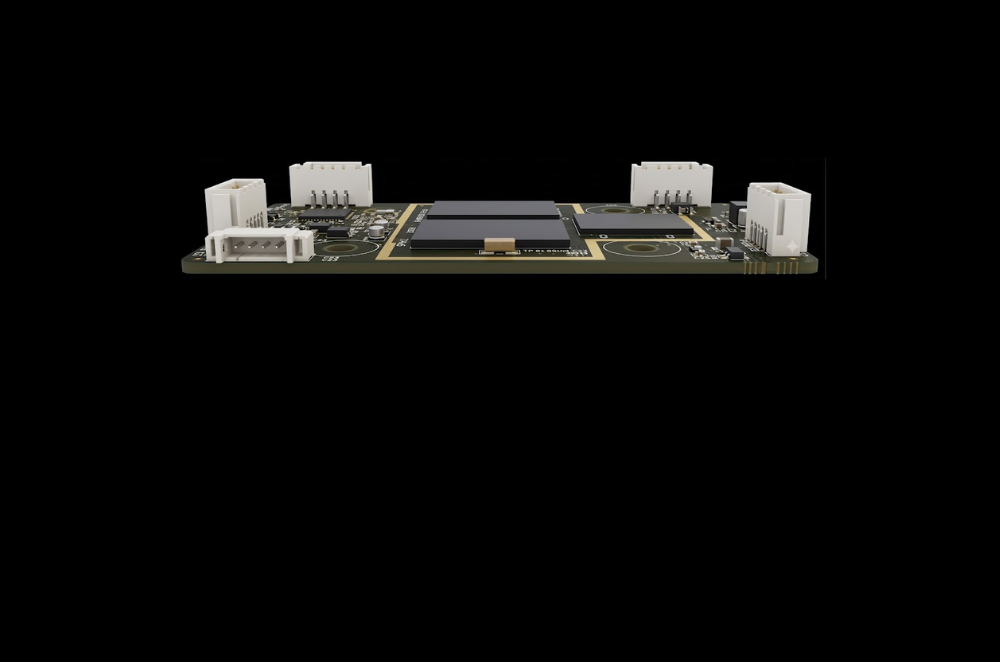
The XHV3001AT is a bare OEM module, just 60mm by 45mm, that pairs dual MIPI camera inputs with an onboard AI engine rated up to 4 TOPS INT8. Rather than streaming raw footage downstream for analysis, the module performs detection, classification, and tracking locally, then pushes structured recognition data out over SPI or UART to whatever flight controller, mission computer, or ground control software sits downstream. For a UAV or loitering munition operating at the edge of a communications link, that distinction between sending video and sending decisions matters.
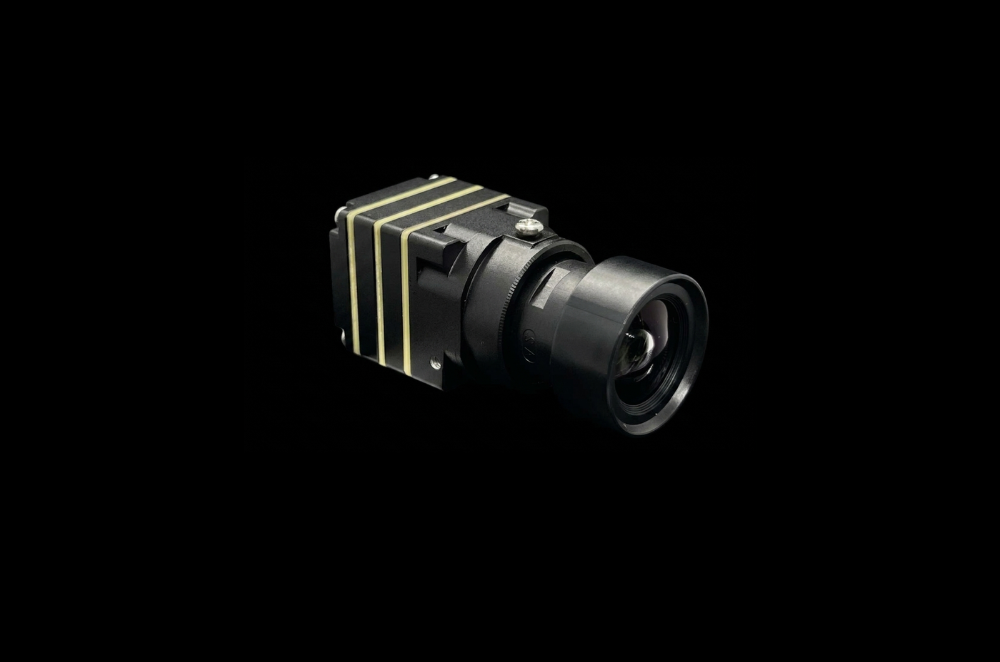
Dual-camera synchronization, handled through hardware FSYNC, lets integrators pair a wide field-of-view sensor with a narrower tracking lens, or run stereo configurations for depth-aware target acquisition, without the timing drift that plagues software-synced setups. An integrated image signal processor and H.264/H.265 hardware codec handle the video pipeline independently of the AI workload, so recognition tasks don't compete with encoding for compute headroom. A CVBS analog output is included for legacy ground station compatibility, alongside USB 2.0 for development and Ethernet for debugging.
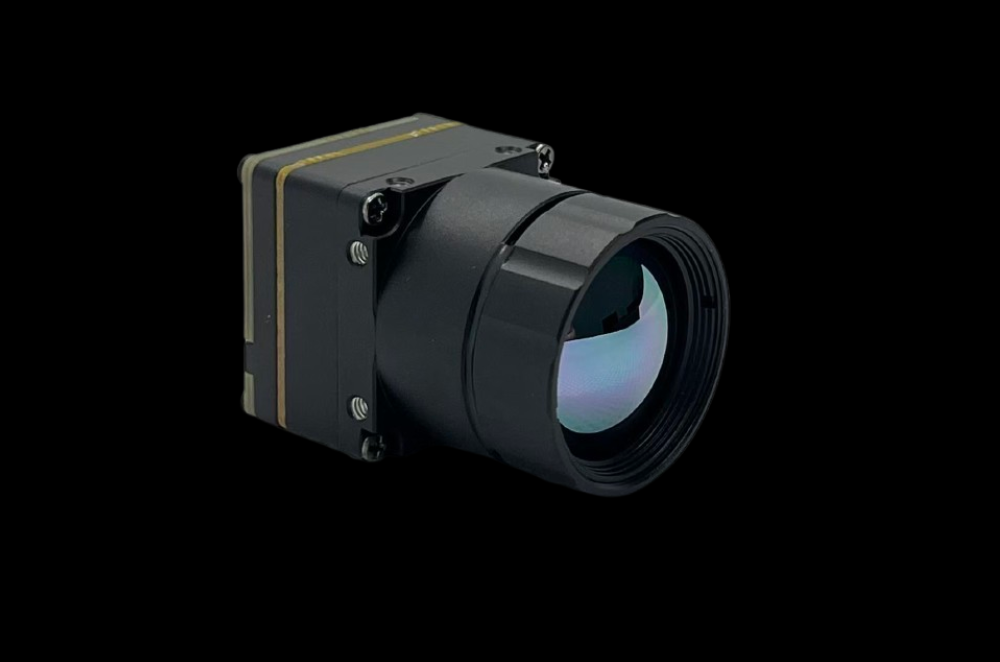
What makes the module notable isn't any single spec but where Star-Navi expects it to sit in the supply chain. It ships without housing, sealing, or camera modules attached, a deliberate choice that puts mechanical integration, environmental protection, and final camera selection in the hands of system integrators building for their own platform requirements. That approach suits the counter-UAS and ISR drone manufacturers who need an AI core they can drop into an existing airframe rather than a finished product that dictates the form factor around it.
As autonomous platforms move further from teleoperation and closer to onboard decision-making, modules like the XHV3001AT represent a quiet but consequential shift in where the intelligence actually lives. The compute is no longer a ground station luxury; it rides in the aircraft.