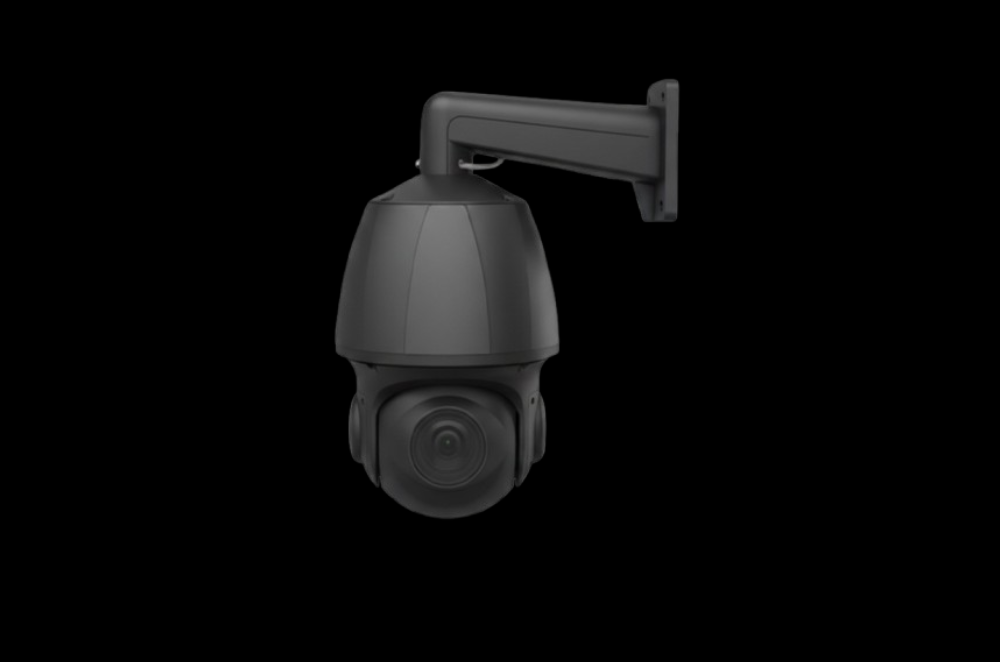
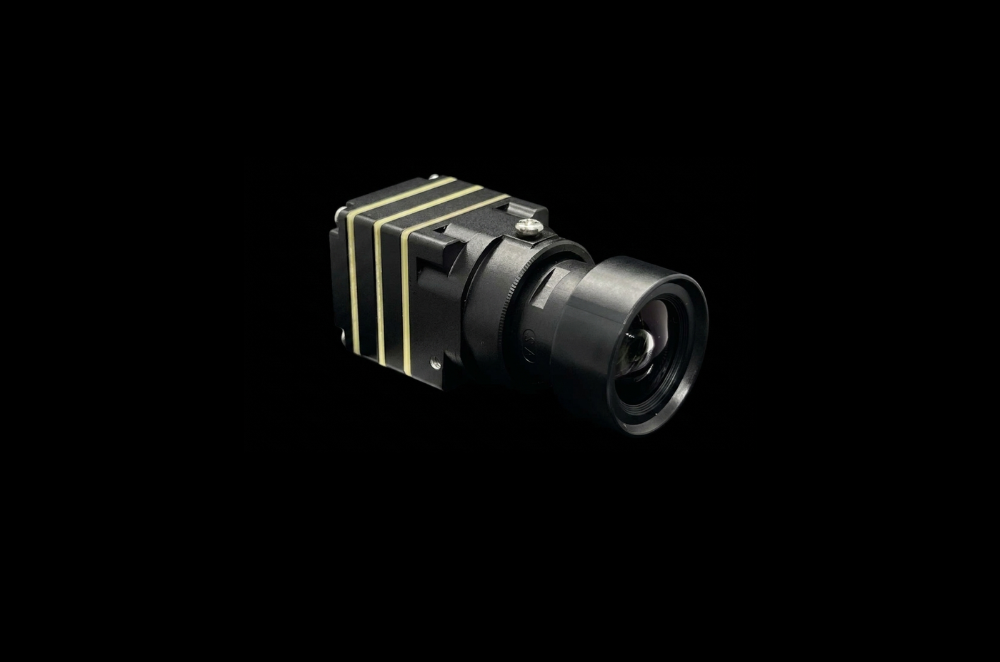
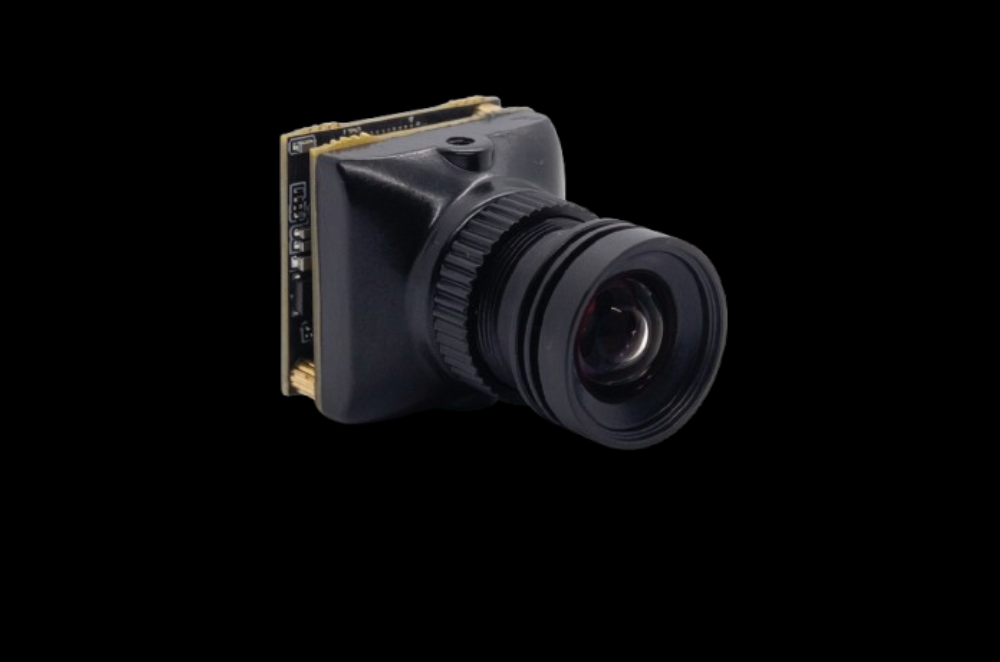
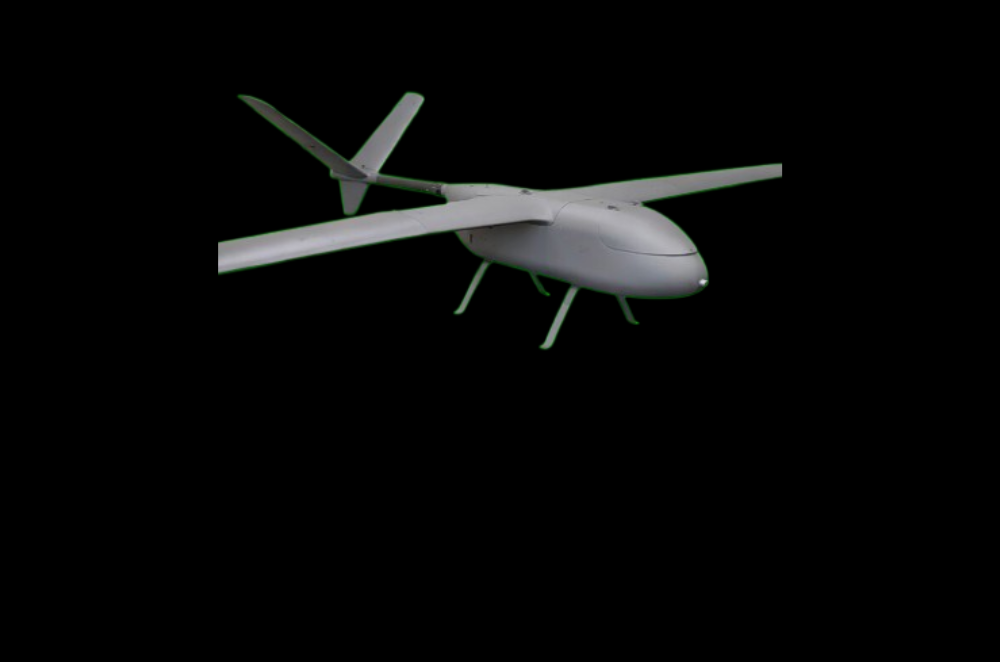
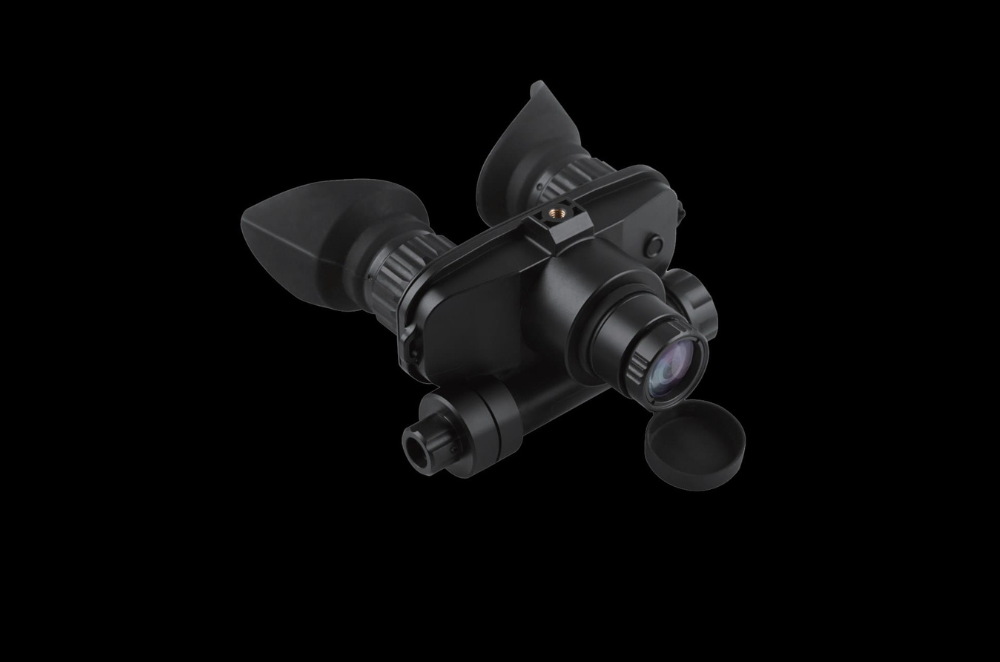
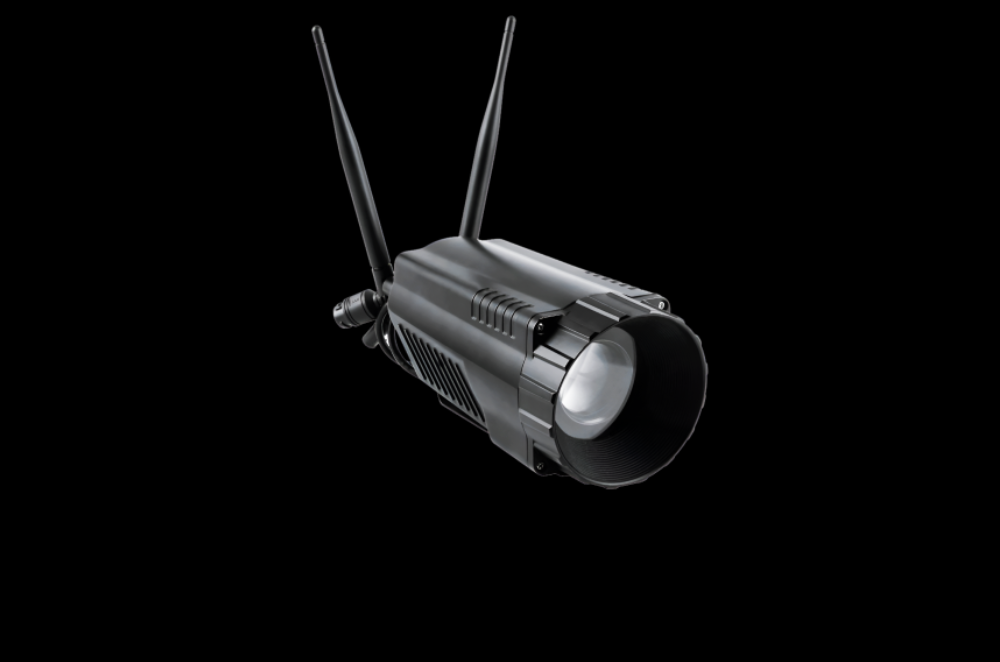
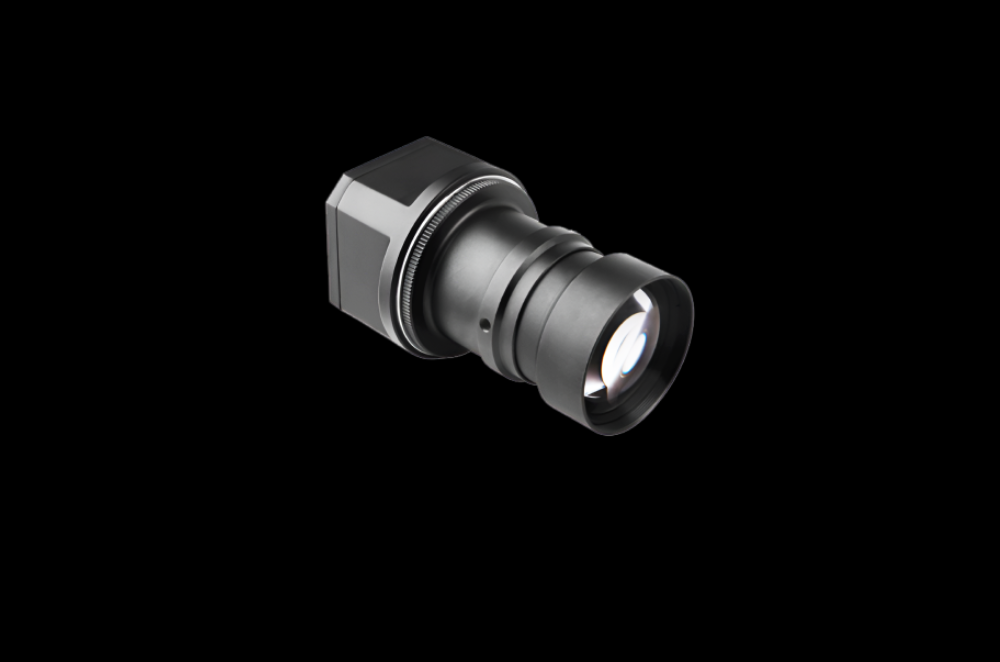
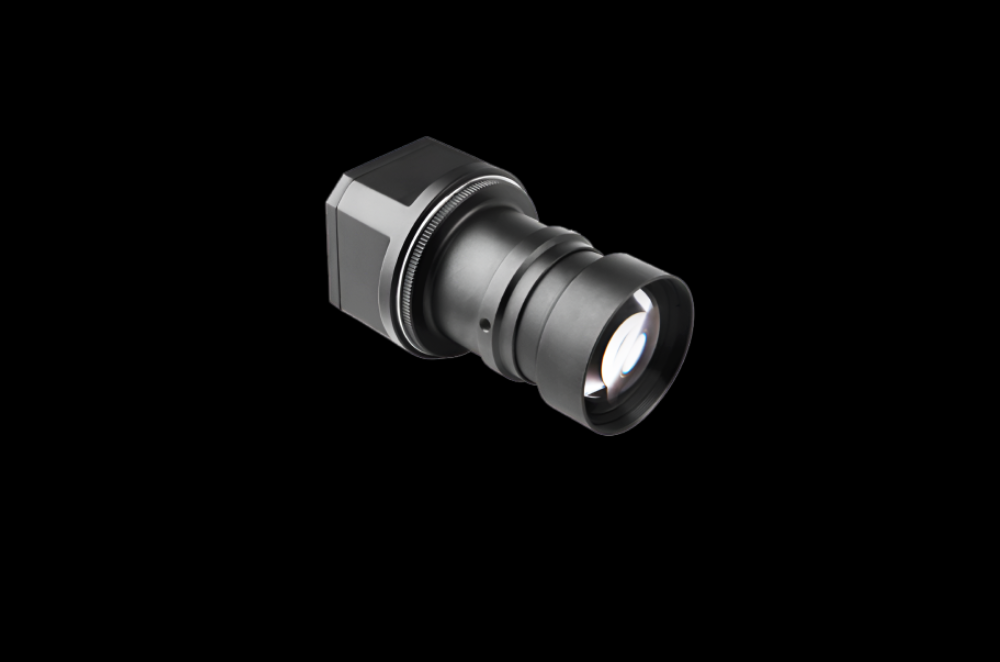
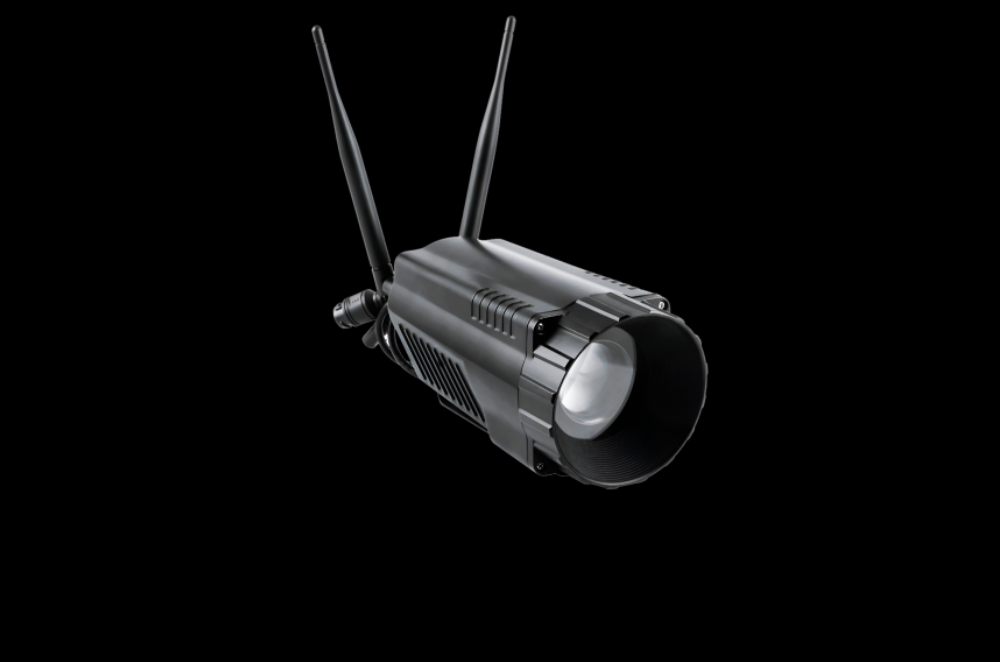
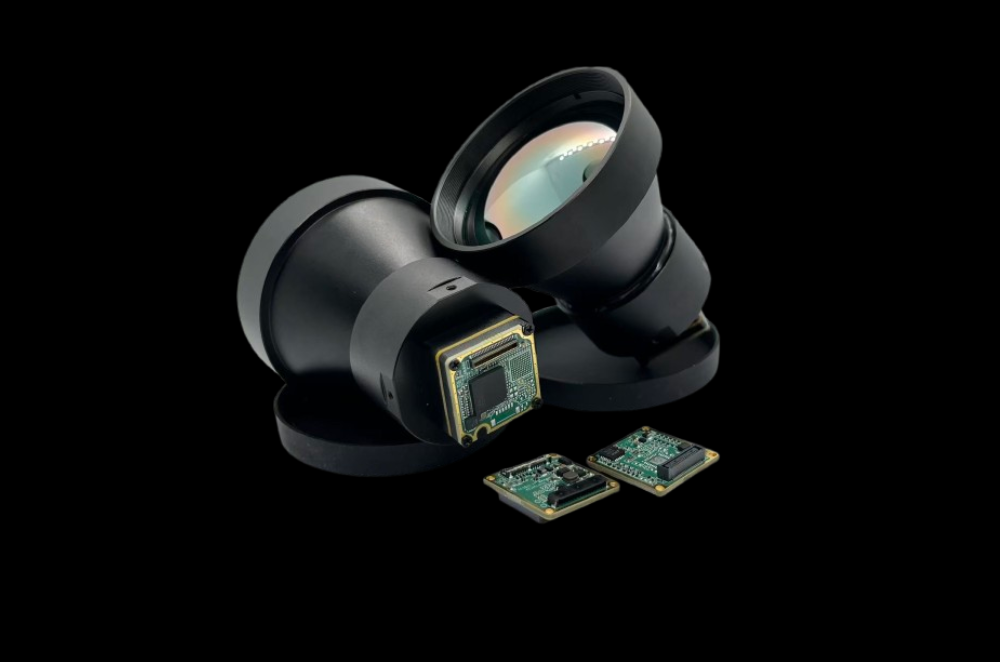
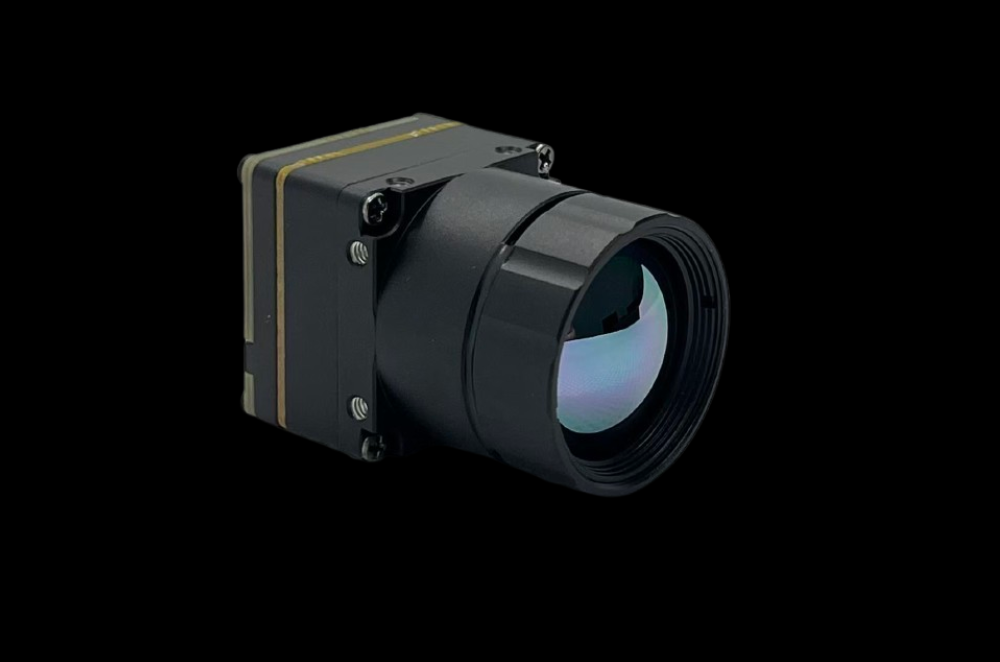
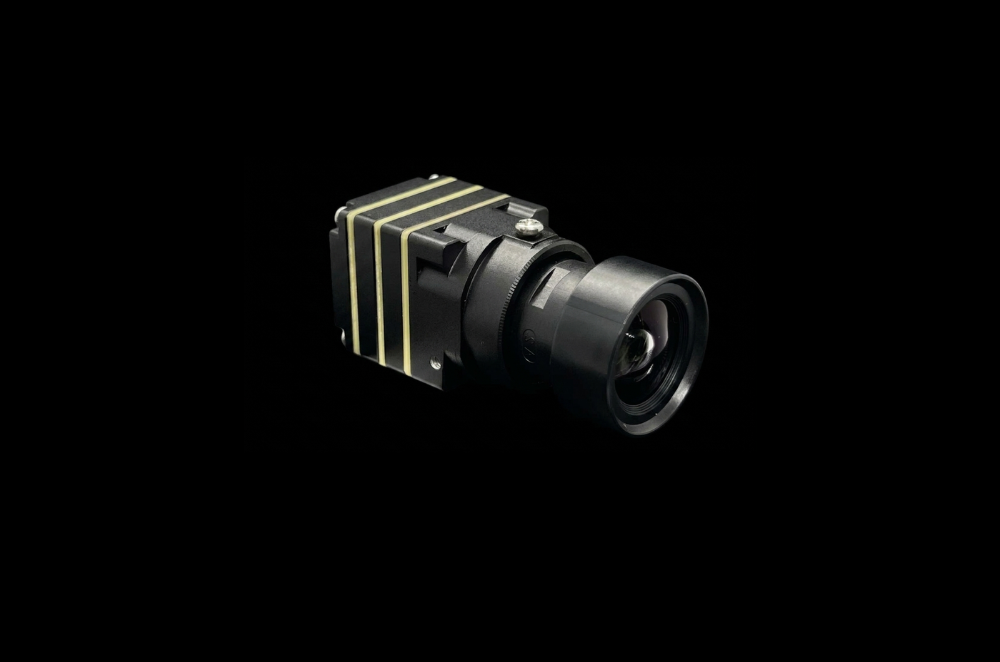
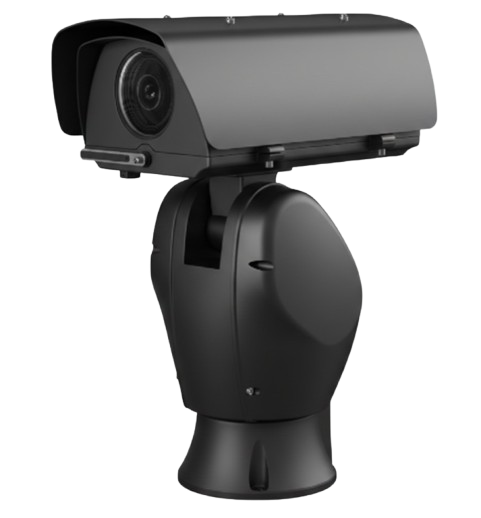
The XHP3-HZ-P pedestal PTZ camera delivers hybrid-zoom starlight imaging to 5,500 meters detection, built for tower-mounted perimeter and coastal surveillance.
Large-perimeter surveillance programmes have been shifting procurement language away from static wide or narrow field cameras and toward hybrid platforms that can hold a wide watch and then close to a tight zoom on demand, without swapping hardware or losing color imaging after dark. That shift toward hybrid-zoom PTZ procurement is what the XHP3-HZ-P was built to satisfy. The pedestal-mounted platform combines Star-Navi's Super Night Vision imaging technology with a hybrid optical-plus-digital zoom engine and a high-speed pan-tilt drive, holding full-color video under starlight without infrared or white-light assistance.
Range and Motion Performance
The XHP3-HZ-P reaches a detection distance between 1,650 and 5,500 meters depending on zoom position, with recognition out to 1,380 meters and identification to 860 meters under NVESD test methodology. A stepper-motor drive delivers 360 degree continuous horizontal rotation at up to 100 degrees per second, with 255 presets and supported patrol, cruise, and watchman routines, giving a single pedestal unit the coverage that would otherwise take several fixed cameras to replicate across a wide perimeter.
Deployment on Towers and Remote Perimeters
Coastal observation posts, critical infrastructure sites, and industrial perimeter installations frequently rely on tower or pole-mounted platforms where a technician visit is costly, and the XHP3-HZ-P's IP66 housing and minus 40 to plus 70 degree Celsius operating range are built around exactly that unattended, weather-exposed condition. Onboard AI detection covering human, face, vehicle, and animal classes, paired with global and cross-border alert modes, lets a single tower position run continuous perimeter watch and hand off only confirmed events to an operator, rather than pushing raw PTZ video to a control room around the clock.
Strategic Outlook
RS485 with PELCO-D and PELCO-P support, alongside ONVIF and RTSP over RJ45, keeps the XHP3-HZ-P compatible with existing command center software, so a programme replacing static cameras with hybrid-zoom PTZ units is not also rebuilding its VMS integration. As perimeter contracts continue moving toward fewer, more capable sensors per kilometre of coverage rather than dense arrays of fixed cameras, pedestal PTZ platforms with this range and mobility profile are positioned to take on more of that coverage load.