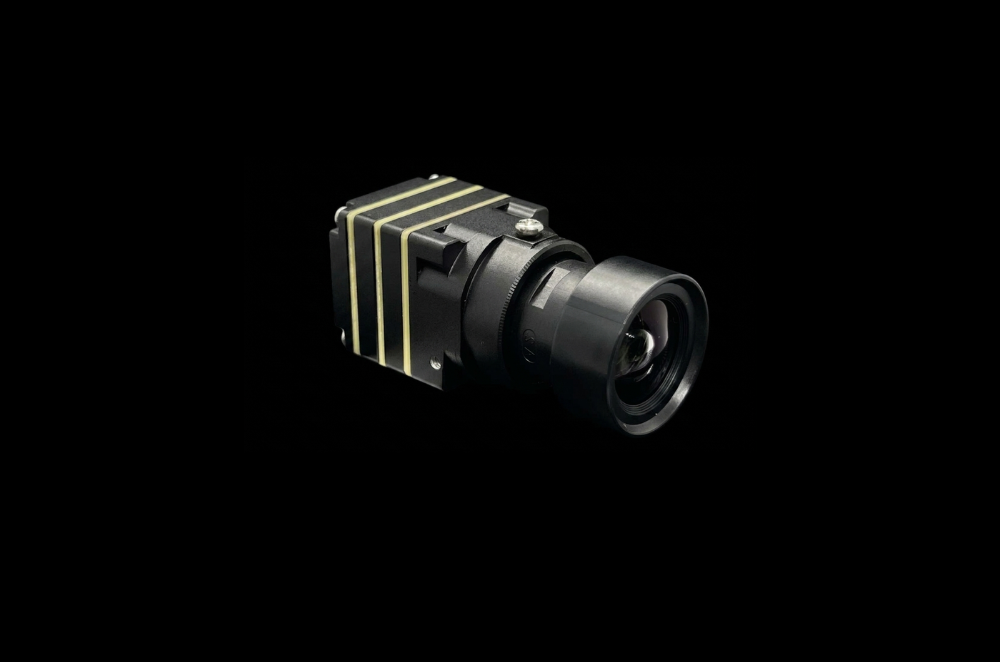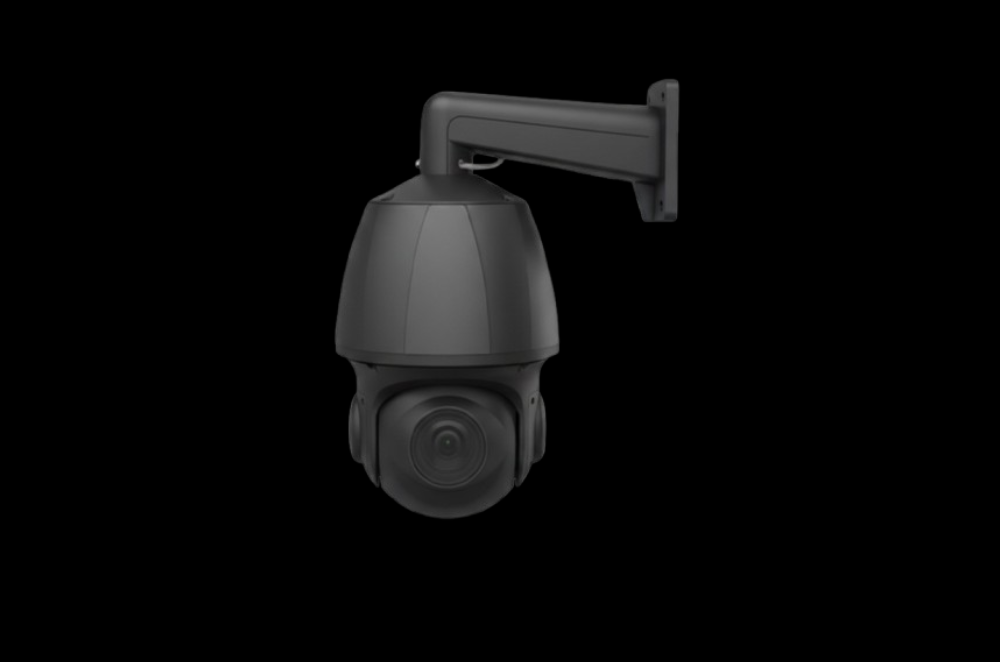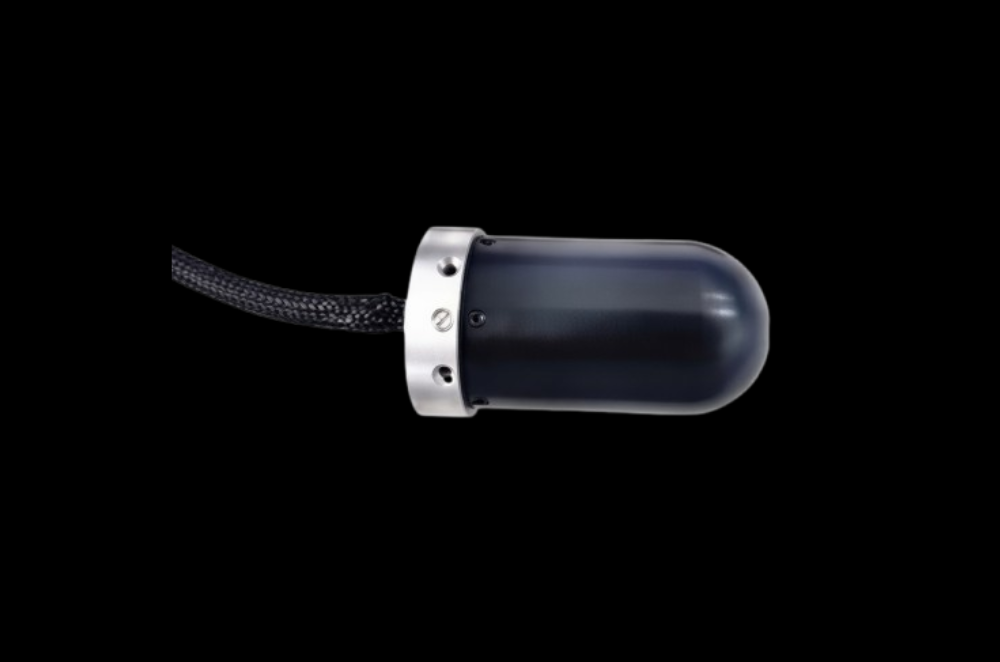
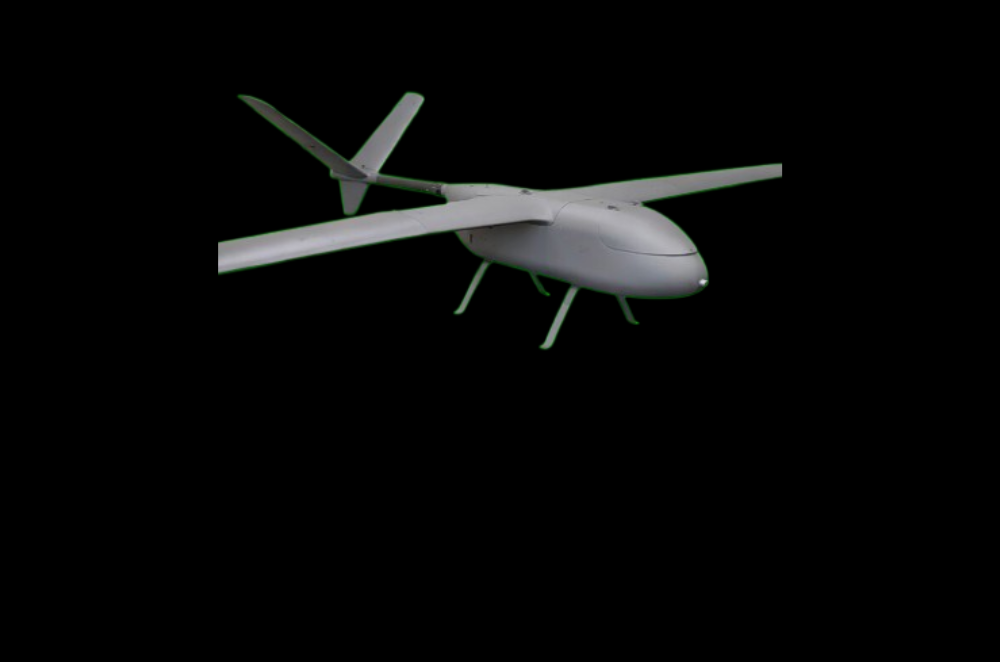
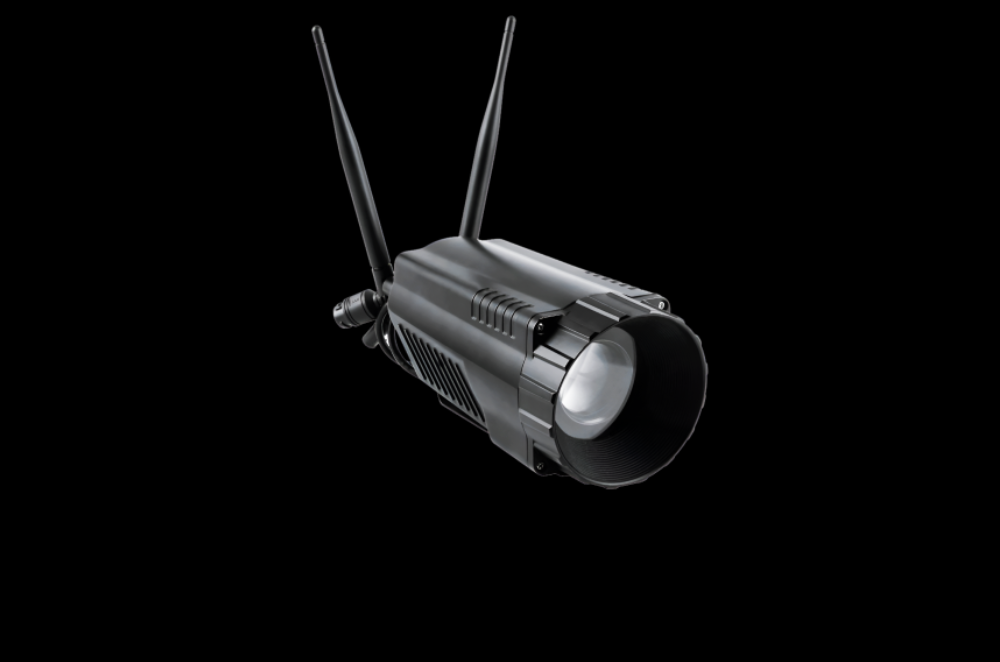
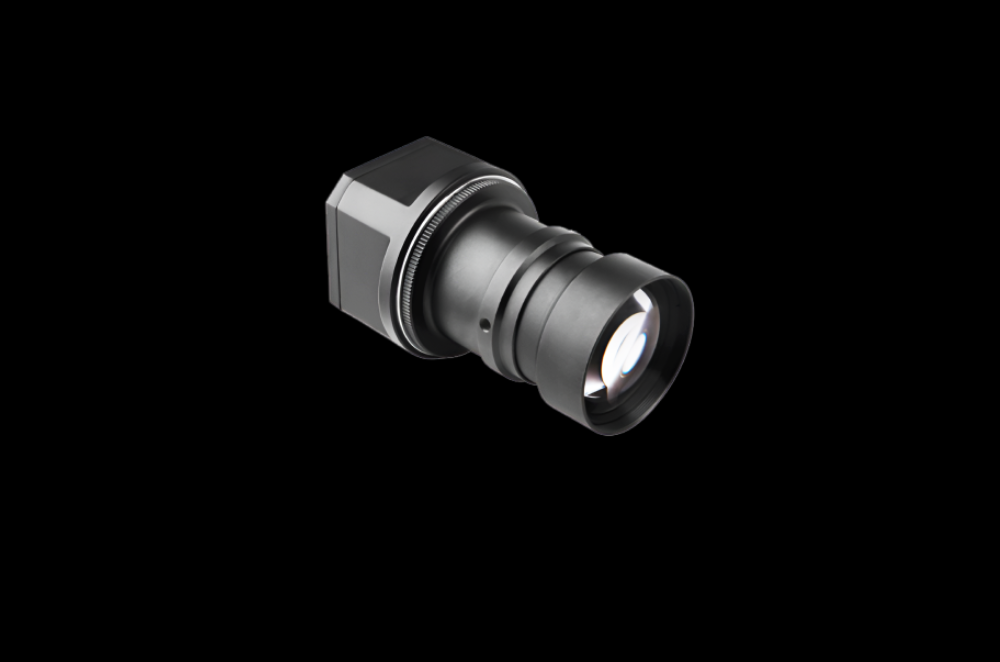
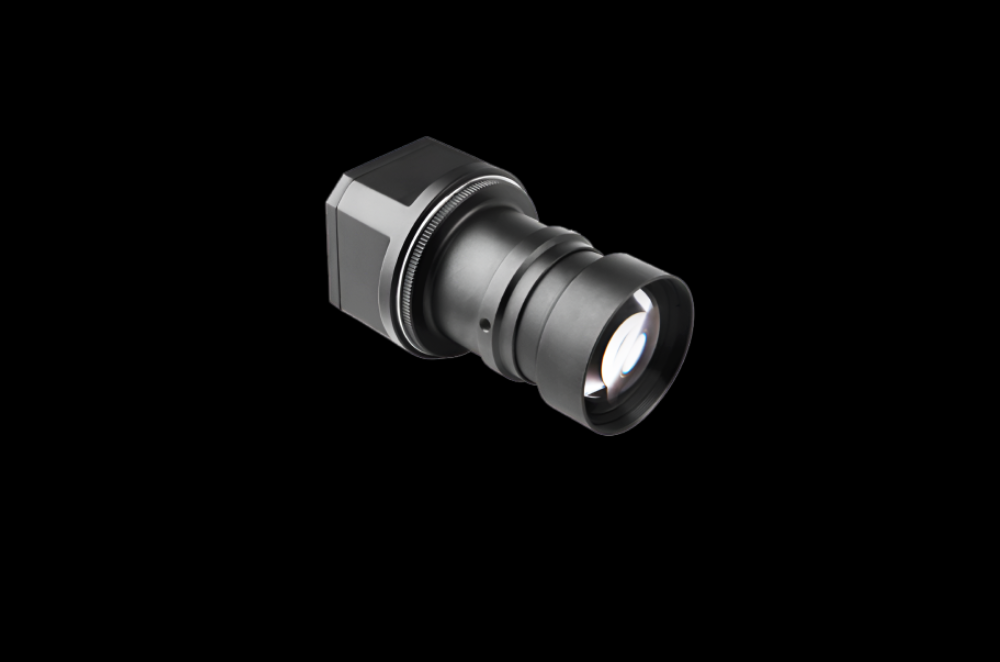
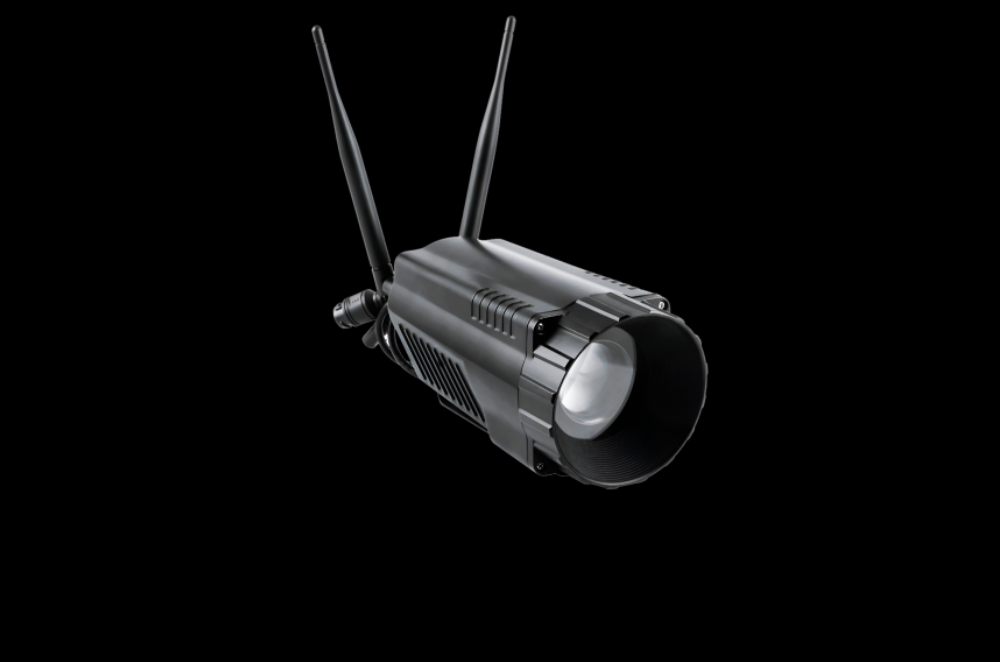
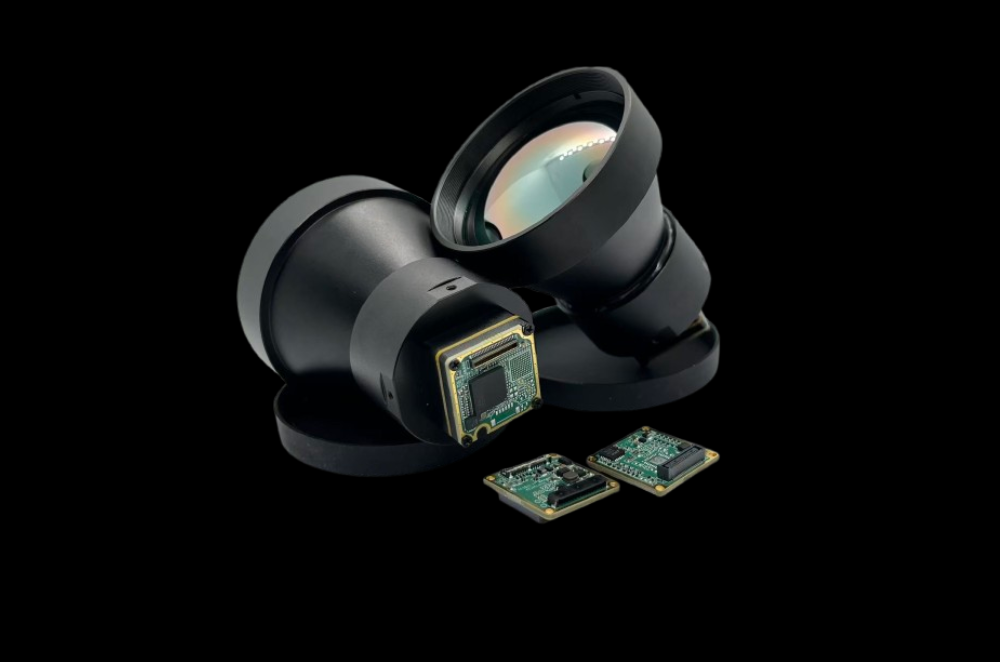
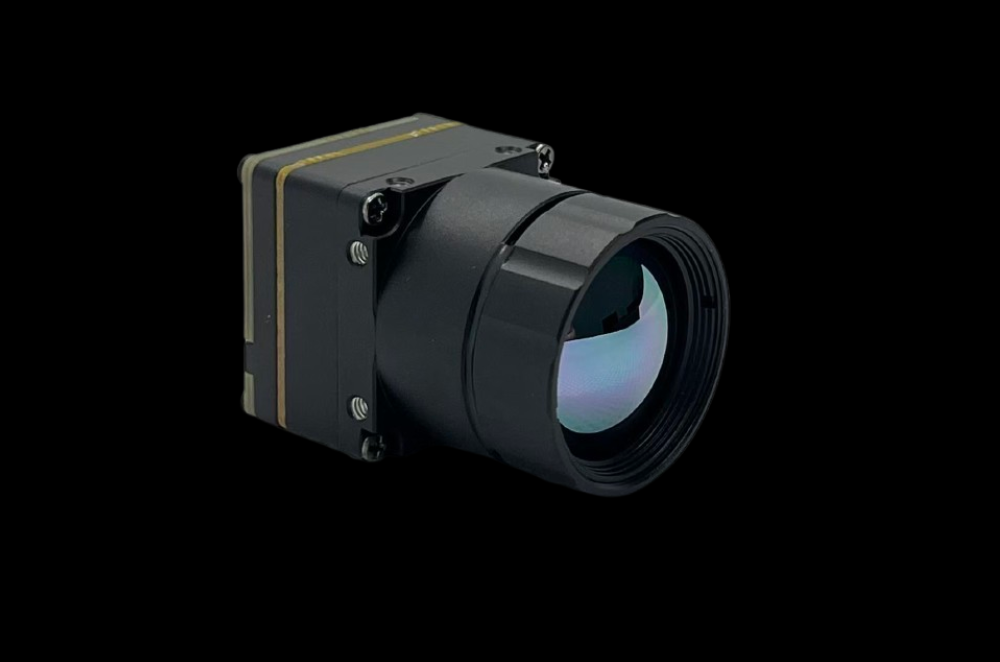
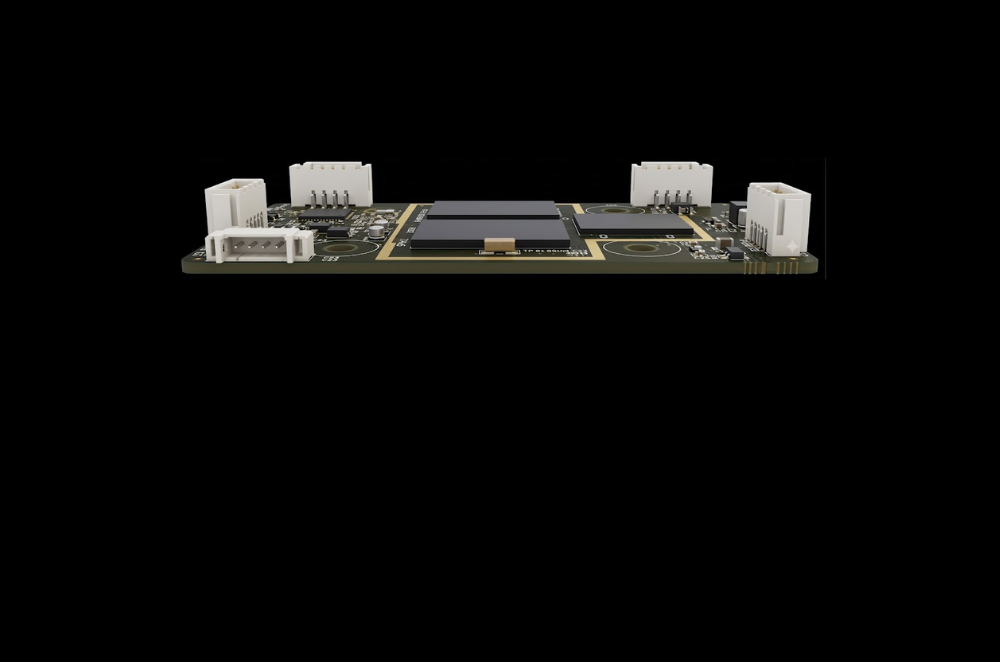
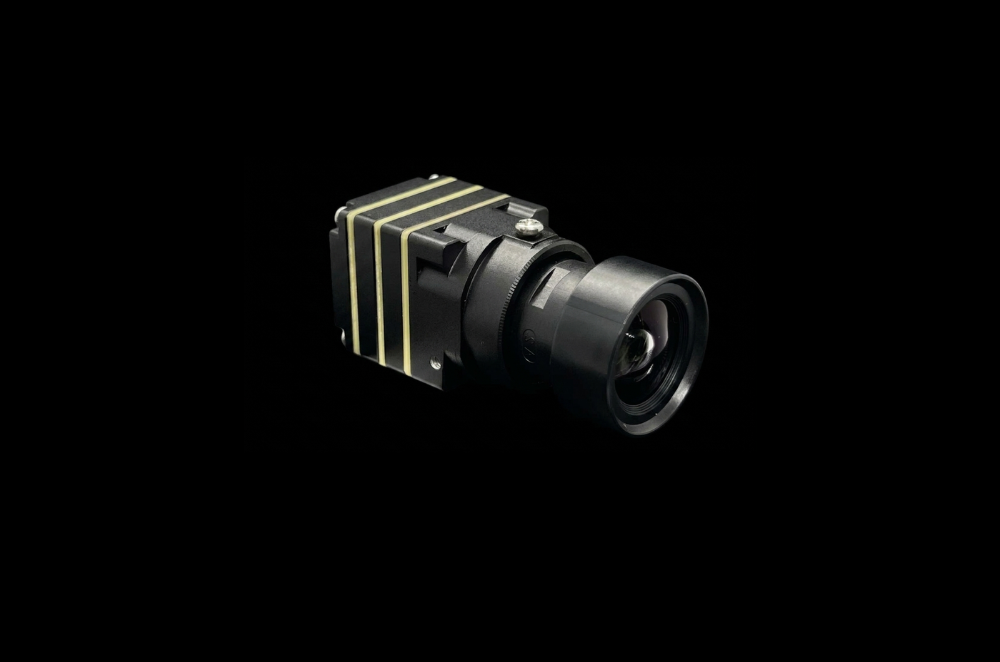
Star-Navi announces the XHV3001AT, a compact dual-camera AI processing module for OEM integration into UAV and robotic platforms.
Star-Navi today announced the release of the XHV3001AT, a dual-camera AI vision processing module designed for OEM integration into unmanned aerial vehicles, robotic systems, and intelligent surveillance platforms. The module is built to give system integrators an onboard engine for real-time target detection, recognition, and tracking, reducing dependence on ground-based processing for time-critical missions.
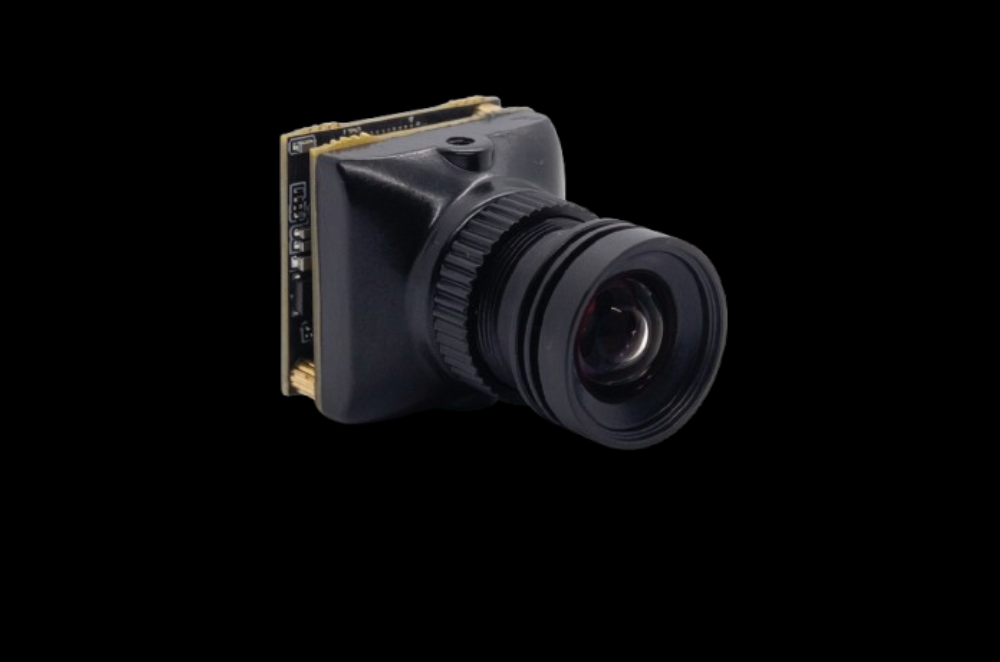
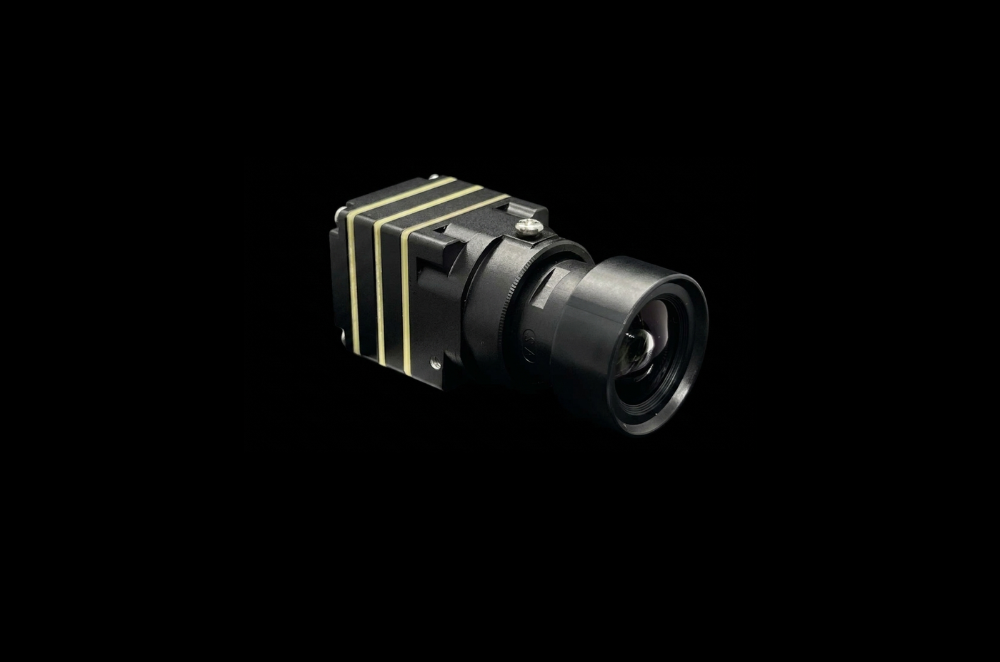
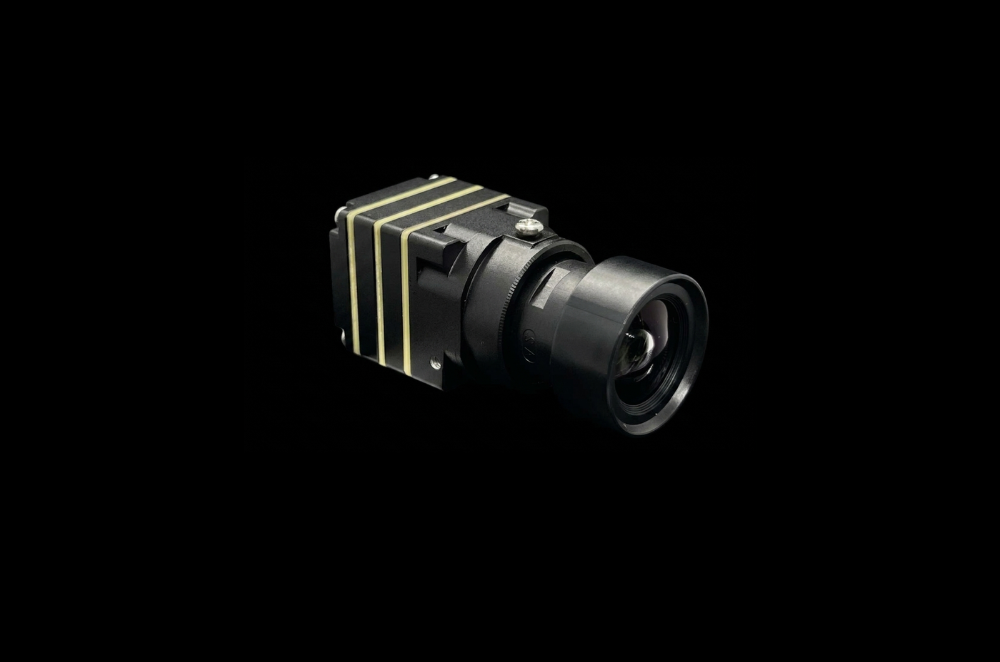
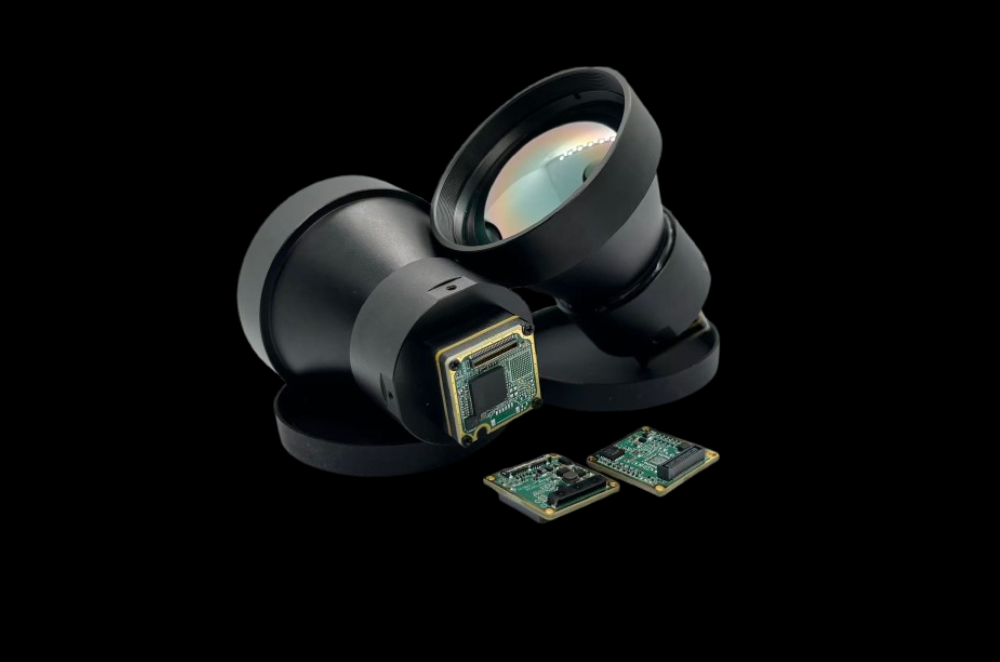
The XHV3001AT combines a multi-core AI processing platform delivering up to 4 TOPS INT8 performance with dedicated image signal processing and hardware H.264/H.265 video encoding. The module supports dual MIPI camera inputs with FSYNC-based synchronization, along with a CVBS analog video output for compatibility with existing ground systems. Communication and integration options include SPI, UART, USB 2.0, and Ethernet, giving OEMs flexibility in how the module connects to flight controllers, mission computers, or host processors.
\"The XHV3001AT was designed around a simple premise: integrators need AI compute that fits inside an existing airframe, not a finished product that forces a redesign around it,\" said a Star-Navi spokesperson. \"By shipping this as a bare module, we let our OEM partners control the camera selection, housing, and environmental protection that fit their specific platform.\"
The module ships without external housing, environmental sealing, or camera hardware, placing mechanical integration and system-level validation in the hands of the integrator. Star-Navi positions the XHV3001AT for developers building next-generation UAVs, loitering munitions, counter-UAS systems, and autonomous robotics platforms that require compact, embedded AI vision capability.
The XHV3001AT is available now for OEM evaluation. Technical documentation and SDK access are available through Star-Navi's sales team.