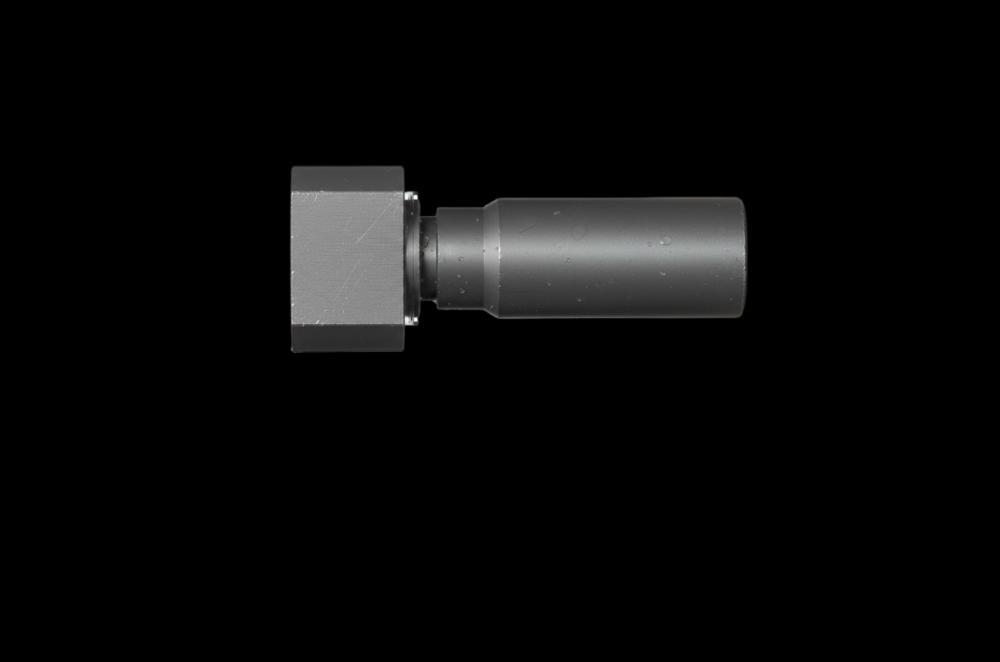
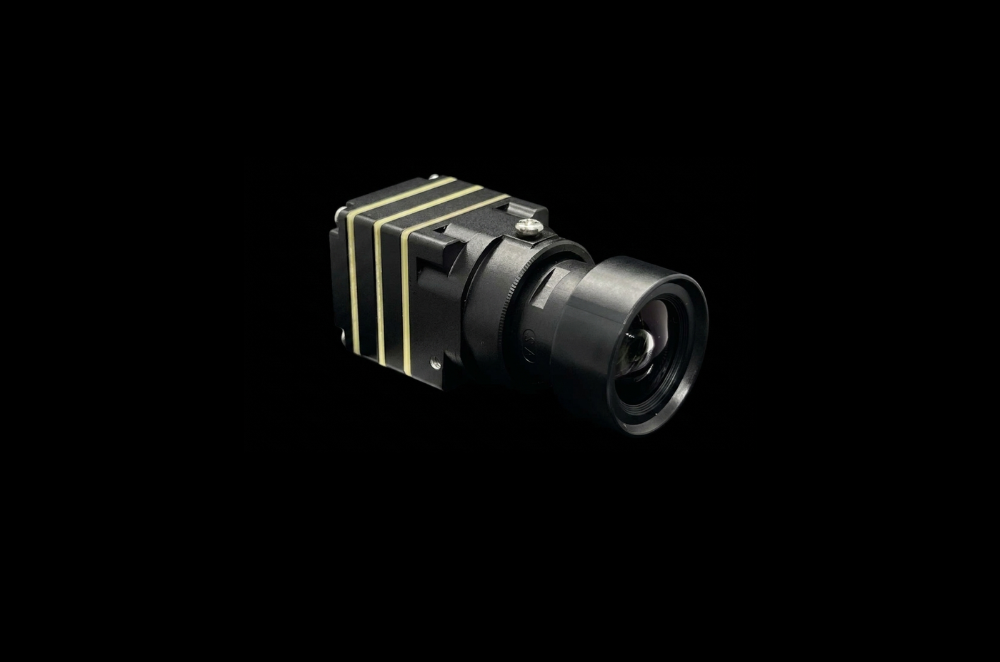
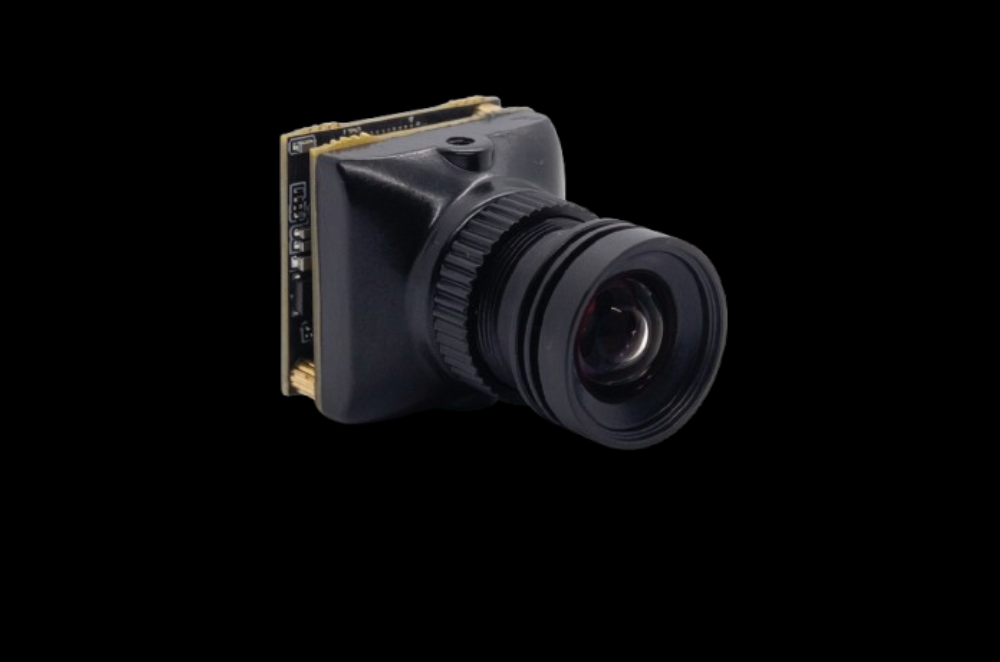
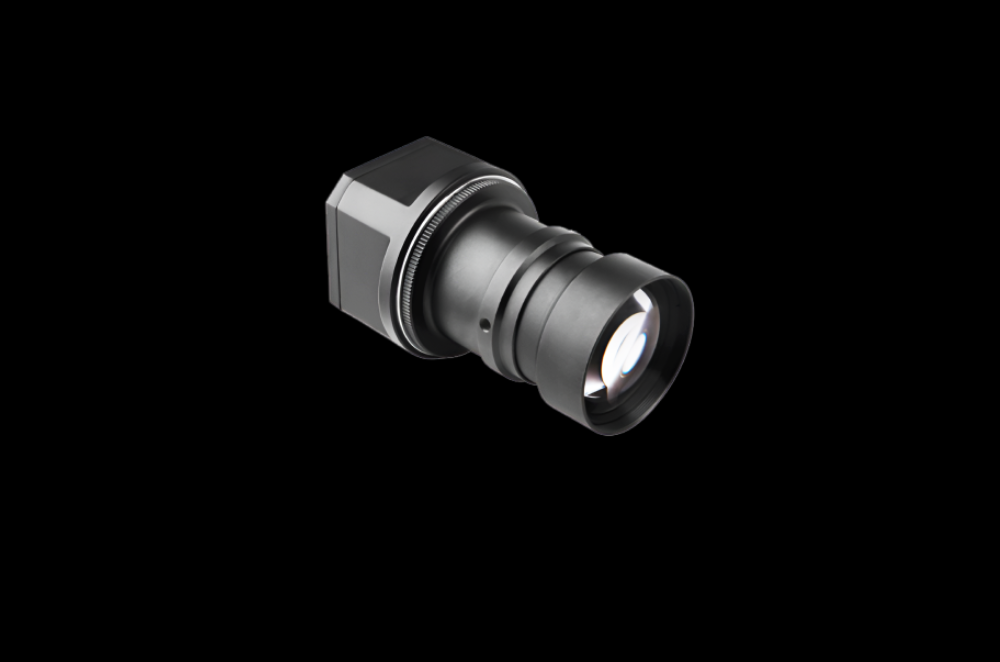
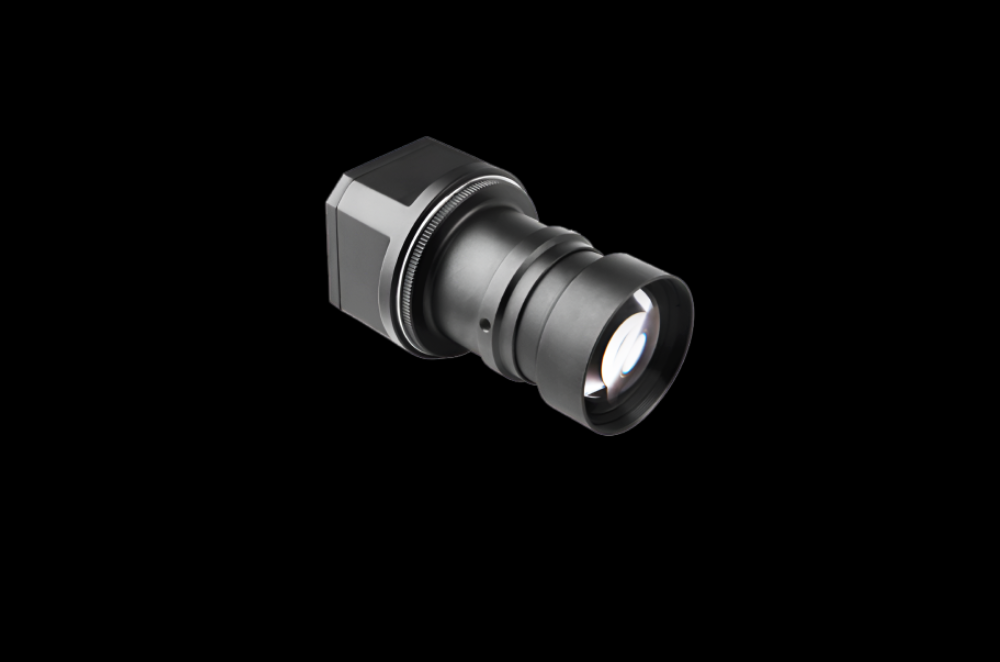
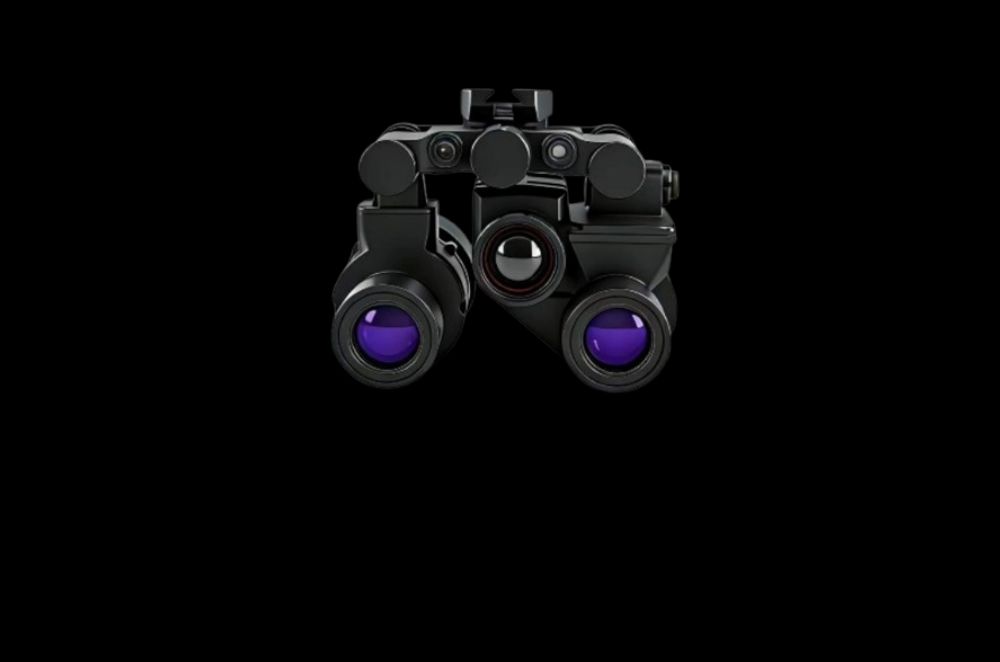
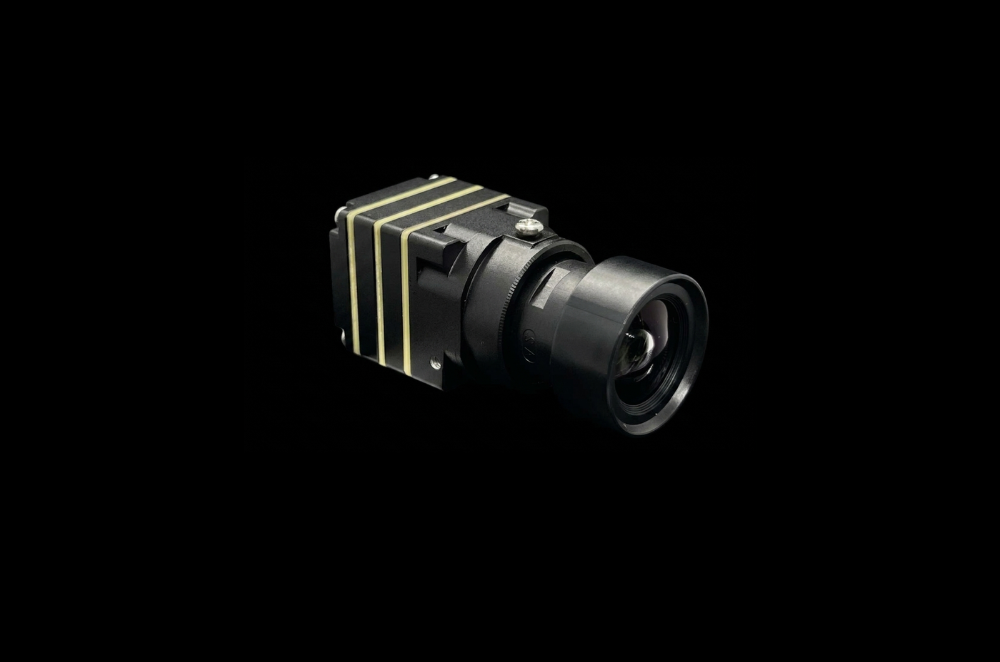
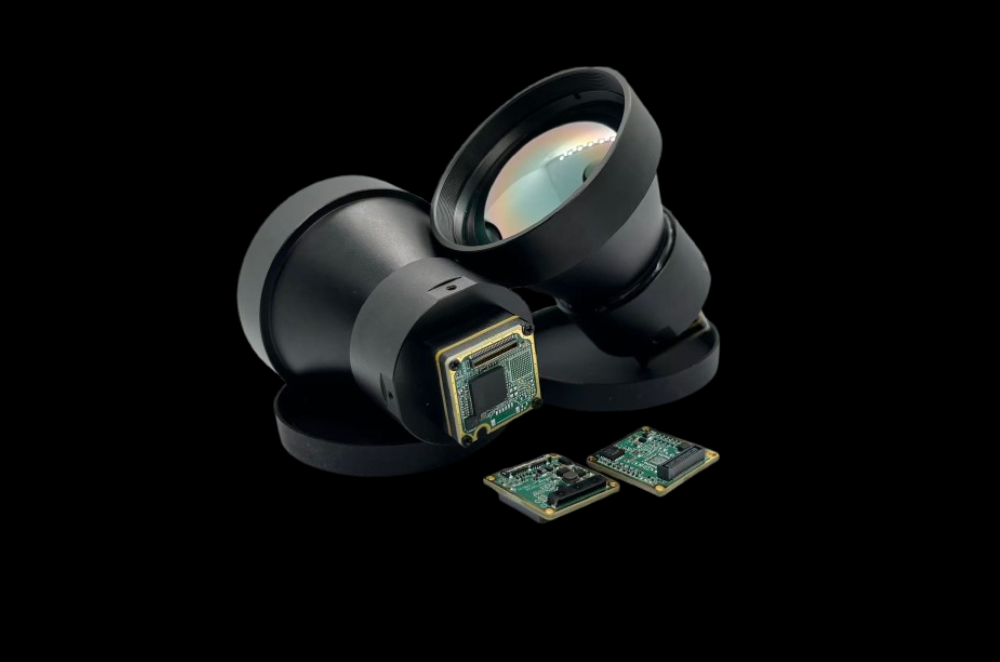
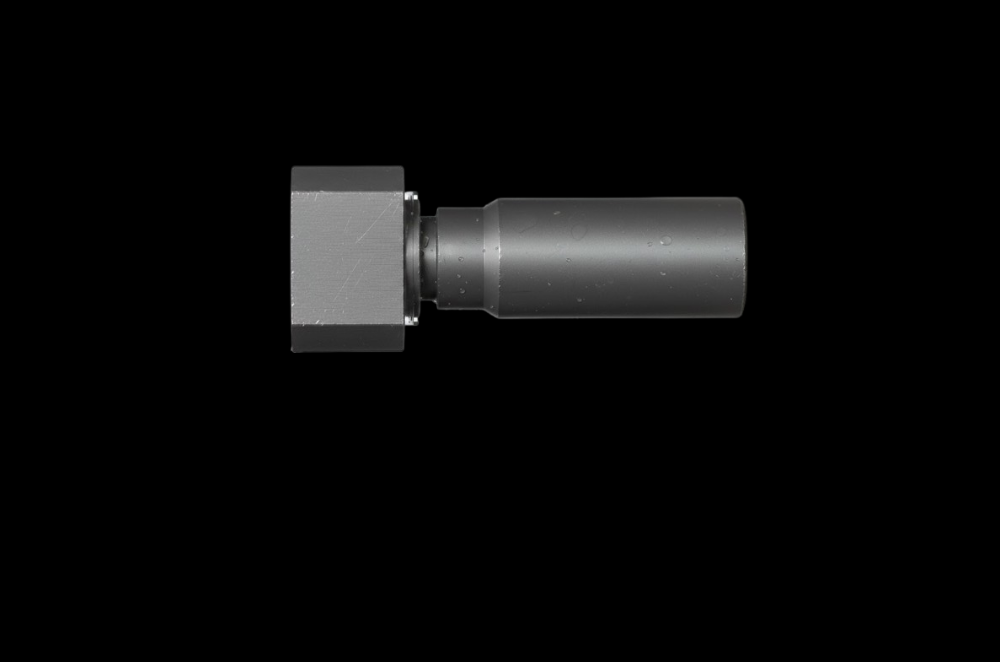
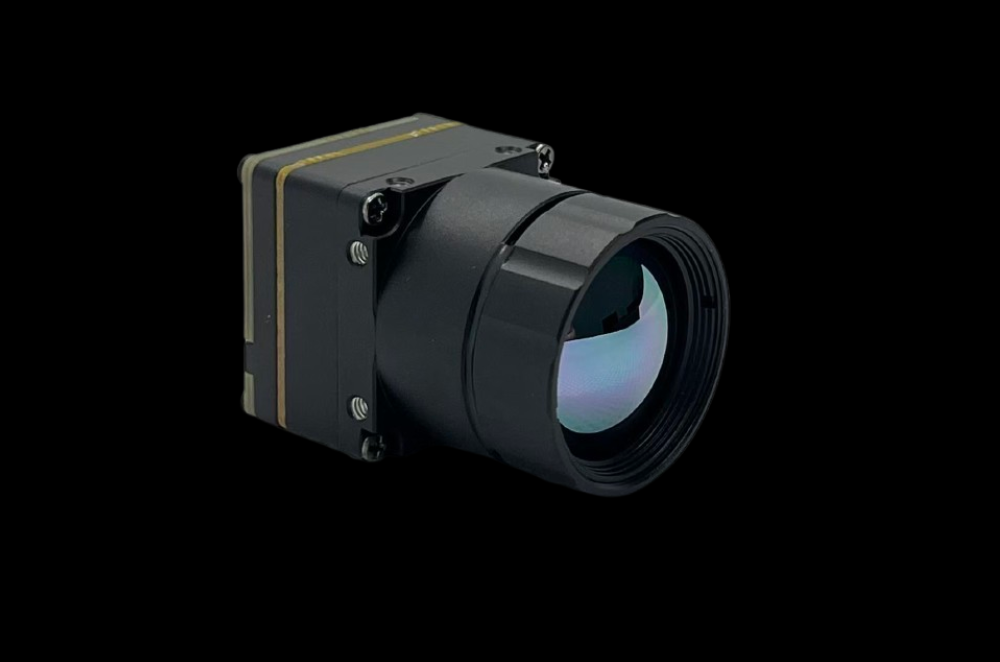
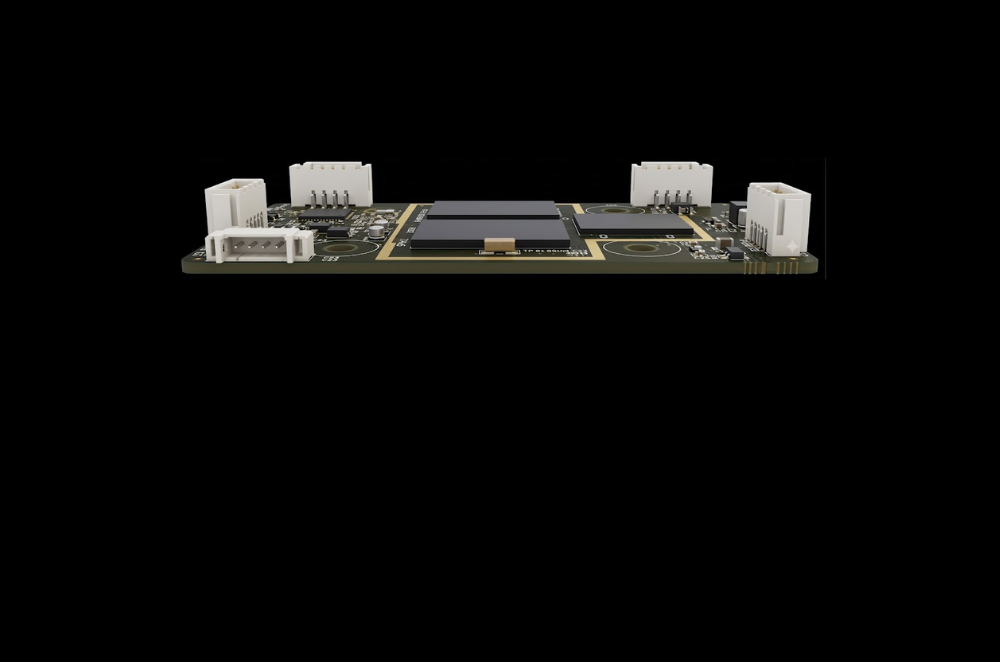
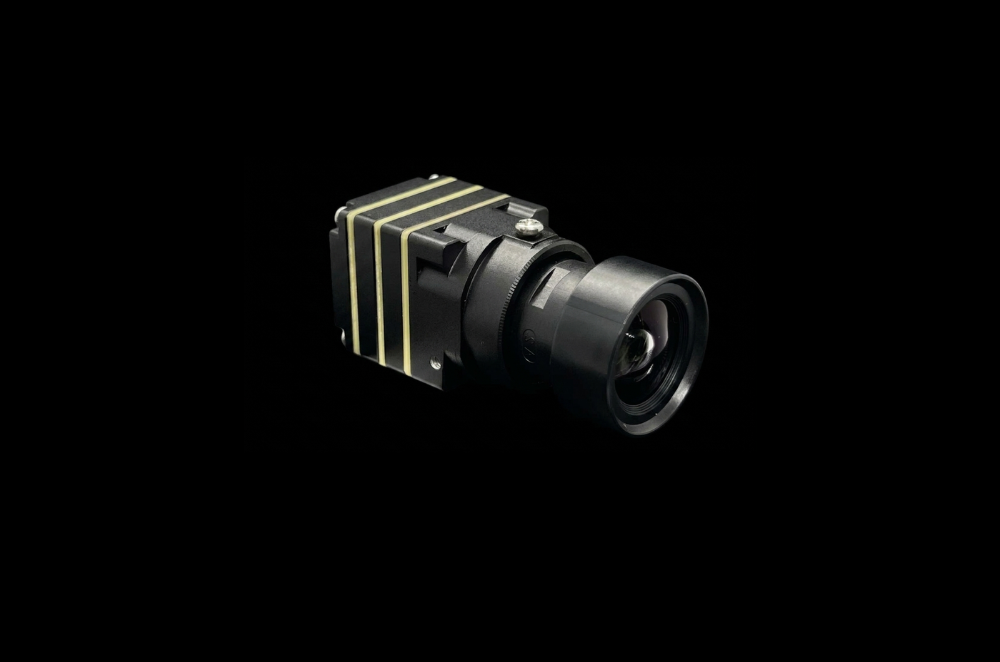
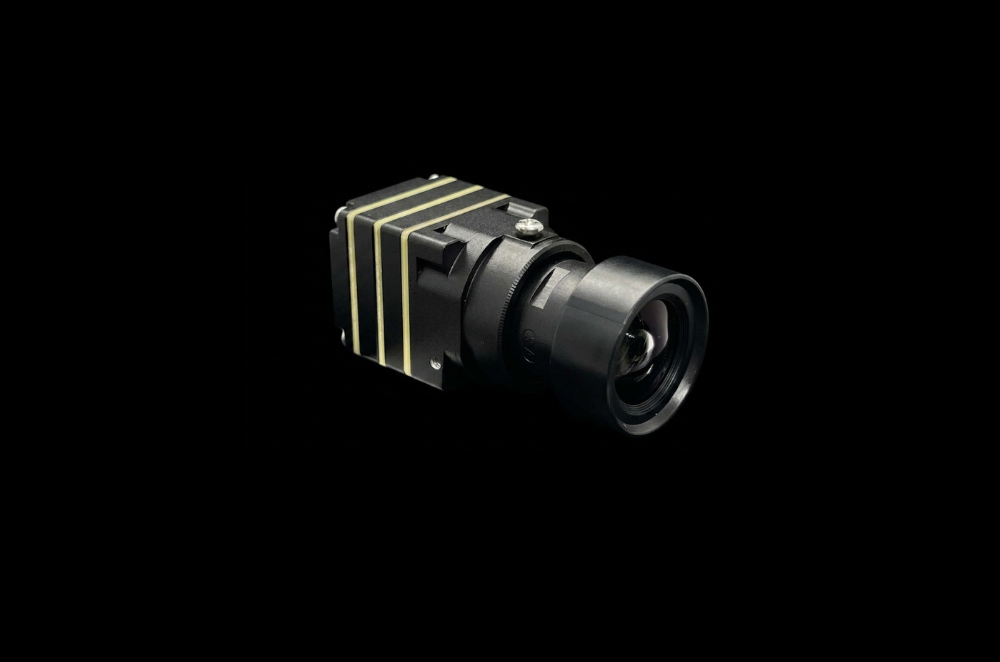
The XHC1602-L20M516 delivers 0.0004 lux passive imaging at 65° FOV, balancing scene coverage and classification fidelity for UAV corridor surveillance and border patrol missions.
Border surveillance missions at medium detection ranges face a persistent trade-off between field of view and angular resolution. Wide-angle sensors provide broad area coverage but lack the resolution to classify personnel at 800 m, while telephoto options narrow the scene until cued slewing is required for each tracked contact. The challenge is particularly acute for unmanned aerial platforms on corridor patrol patterns, where a single fixed-lens sensor must balance zone coverage against target classification fidelity across the full patrol segment.
Balanced-Range Starlight Imaging in the L20M Series
The XHC1602-L20M516C/B occupies the medium-range band of the XHC1602 family with a 5 mm F1.0 lens on the same BSI CMOS sensor that underpins the wider-FOV 416 variant. The 5 mm focal length delivers a 65° horizontal field of view at 1280 × 1024, positioning the module between close-range wide-area coverage and narrow-field observation. Minimum illumination remains 0.0004 lux in monochrome and 0.001 lux in colour, preserving the passive starlight capability that defines the L20M series without adding active illumination mass to the payload.
UAV Platform Integration for Corridor and Perimeter ISR
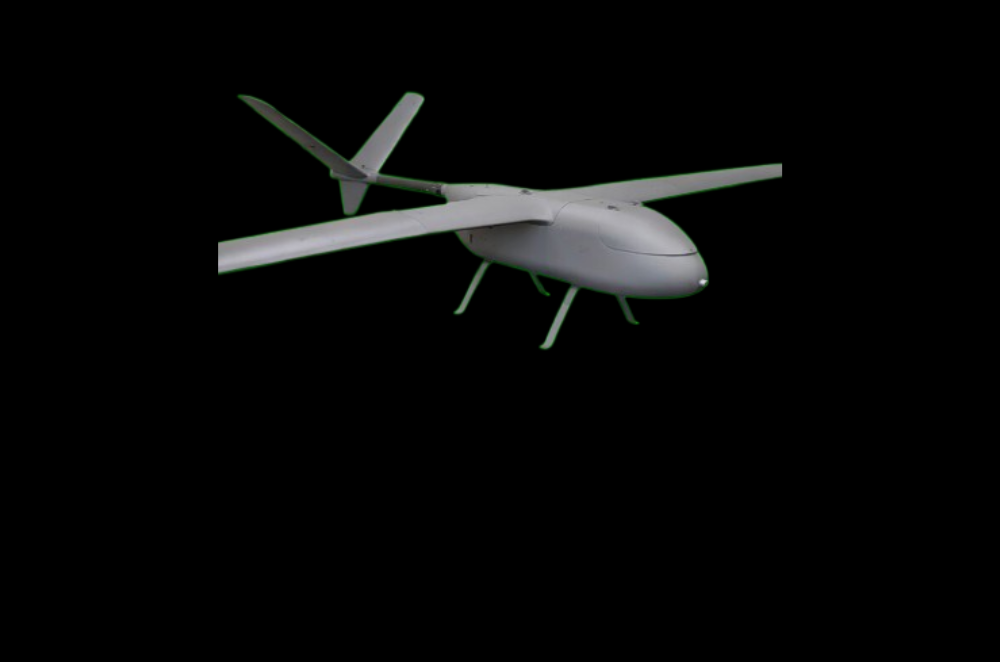
The XHC1602-L20M516C/B interfaces with host platforms via 4-Lane MIPI CSI-2 in YUV422 8-bit format with UART ISP control, maintaining electrical and mechanical compatibility with XHC1602 family hosts already certified for the 416 or 816 variants. System integrators can transition between focal length variants without redesigning the carrier board, reducing qualification burden in multi-role UAV programs where the same airframe covers both area-search and corridor-patrol tasks. At ≤ 30 g and 1.2 W, the module fits directly into existing lightweight gimbal assemblies used on Group 1 and Group 2 ISR platforms.
Classification Range and Operational Outcomes
Border programs that have deployed fixed sensor towers at 500 m spacing report that airborne sensors must classify personnel at distances between 600 m and 1000 m to enable ground force cueing before targets reach covered terrain. The 5 mm lens on the XHC1602-L20M516C/B provides the angular resolution to support this requirement while retaining a field of view wide enough to reduce re-cueing frequency during corridor patrol. Multi-camera synchronisation across external sensors is supported through the MIPI CSI-2 sync architecture, enabling paired 416 and 516 configurations on twin-sensor airborne platforms assigned to simultaneous wide and medium-range coverage roles.