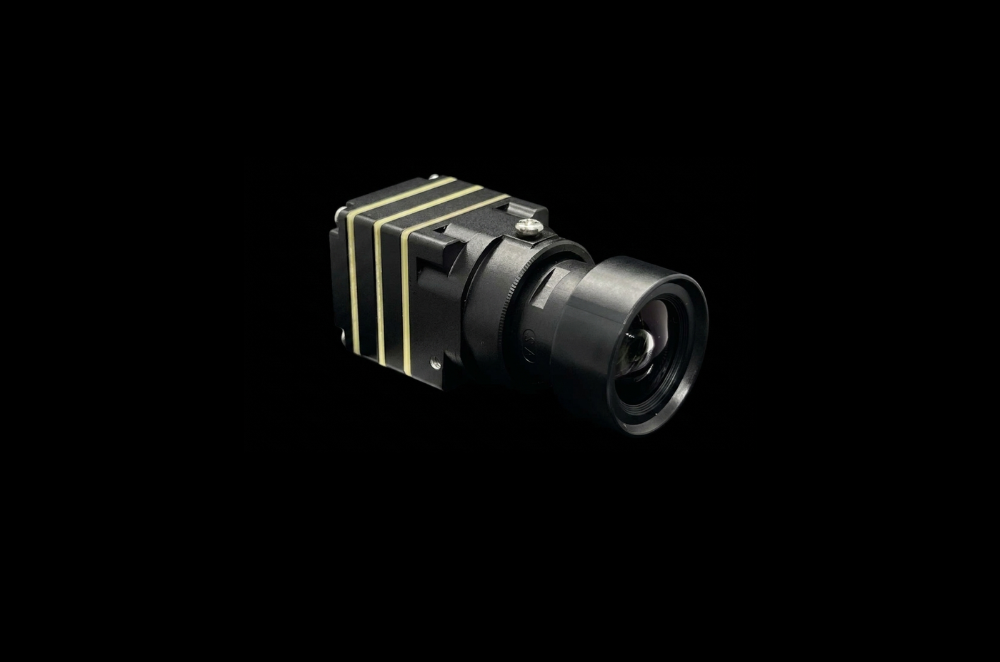
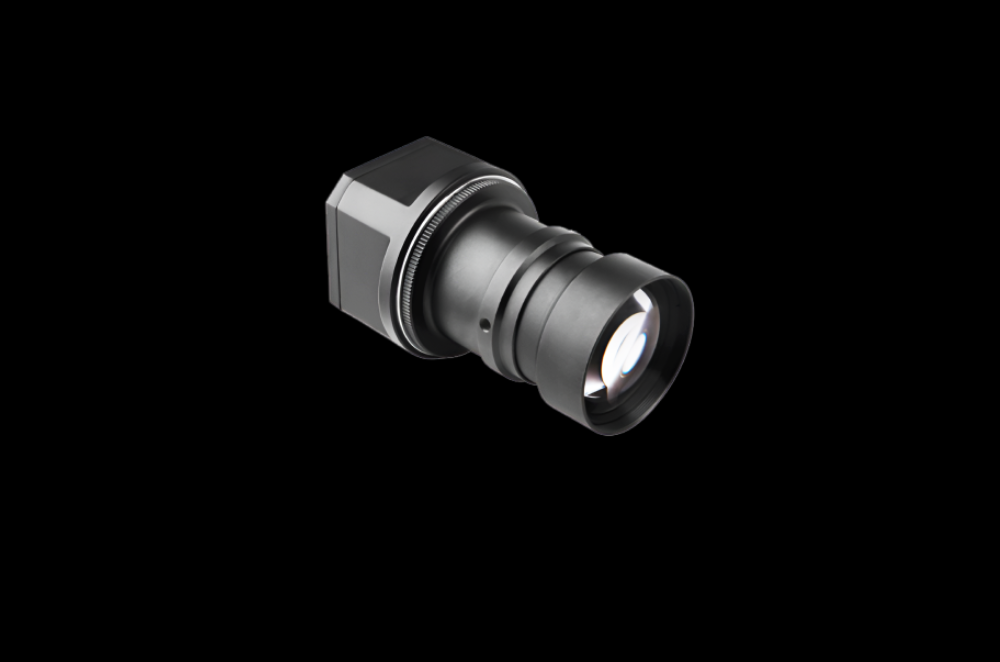
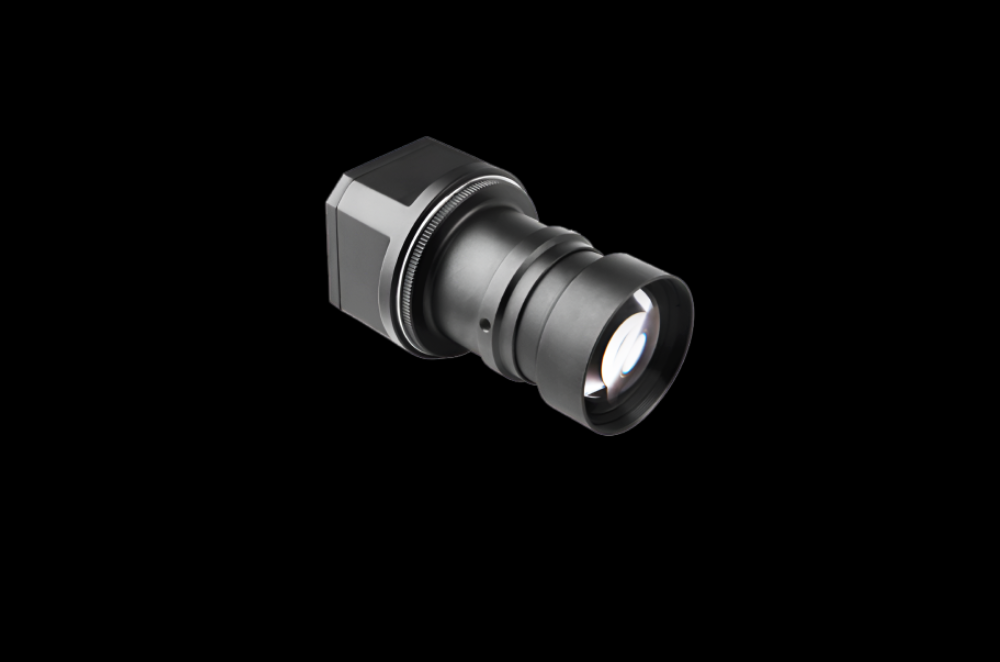
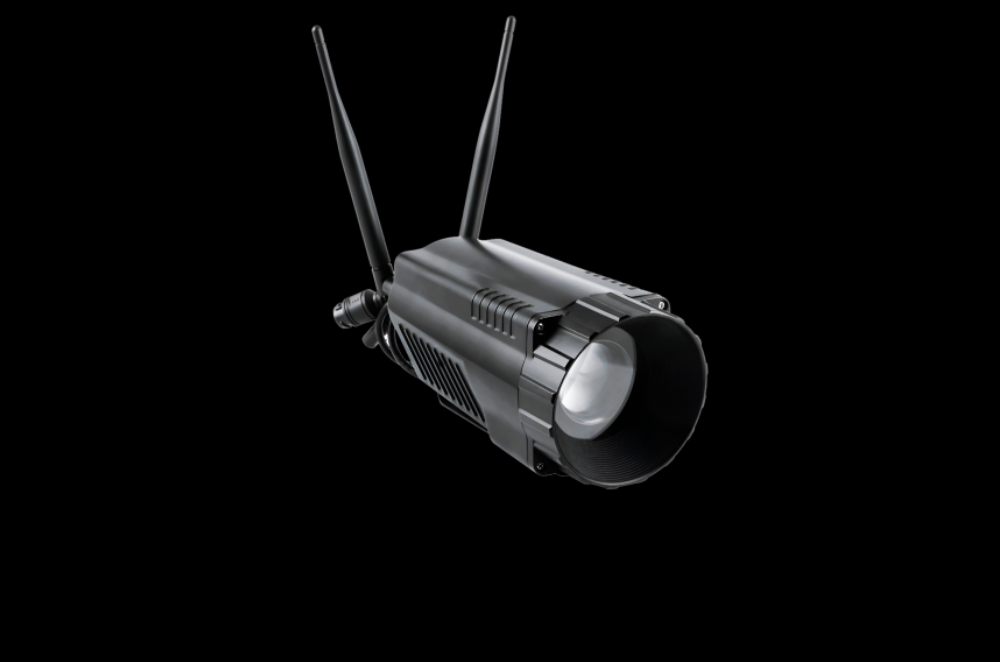
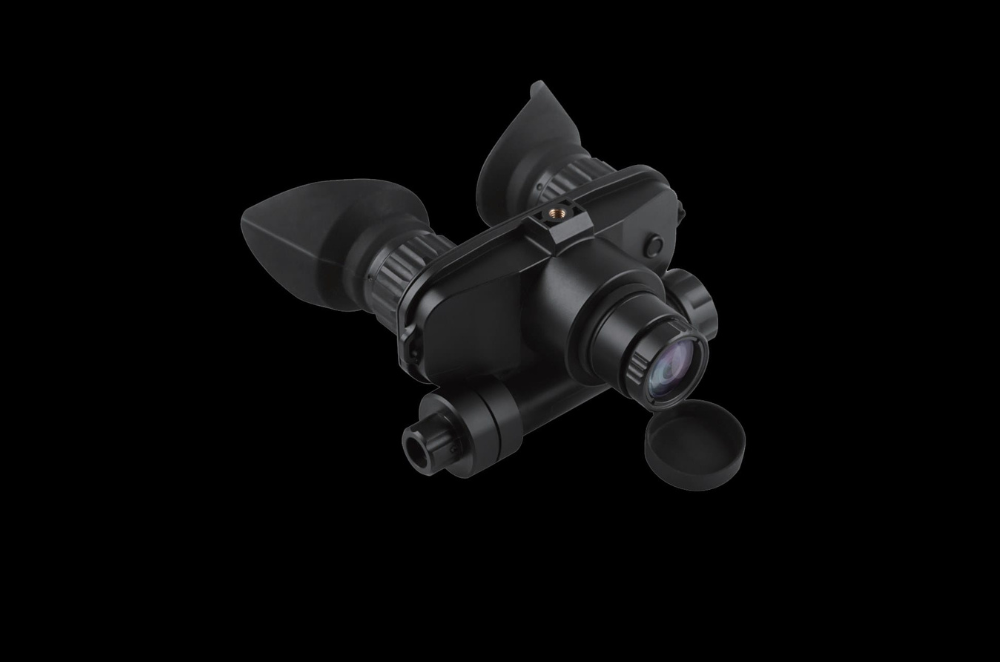
Star-Navi confirms the XHC1602 Series of ultra-low-light UAV camera modules has entered active service across border patrol, maritime reconnaissance, and perimeter ISR programmes in January 2026.
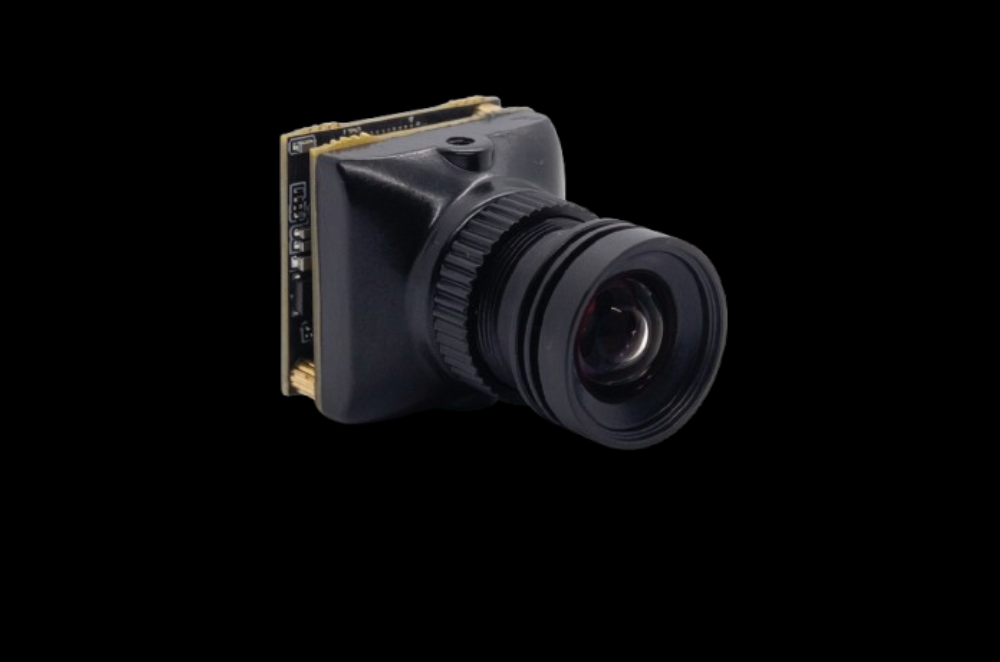
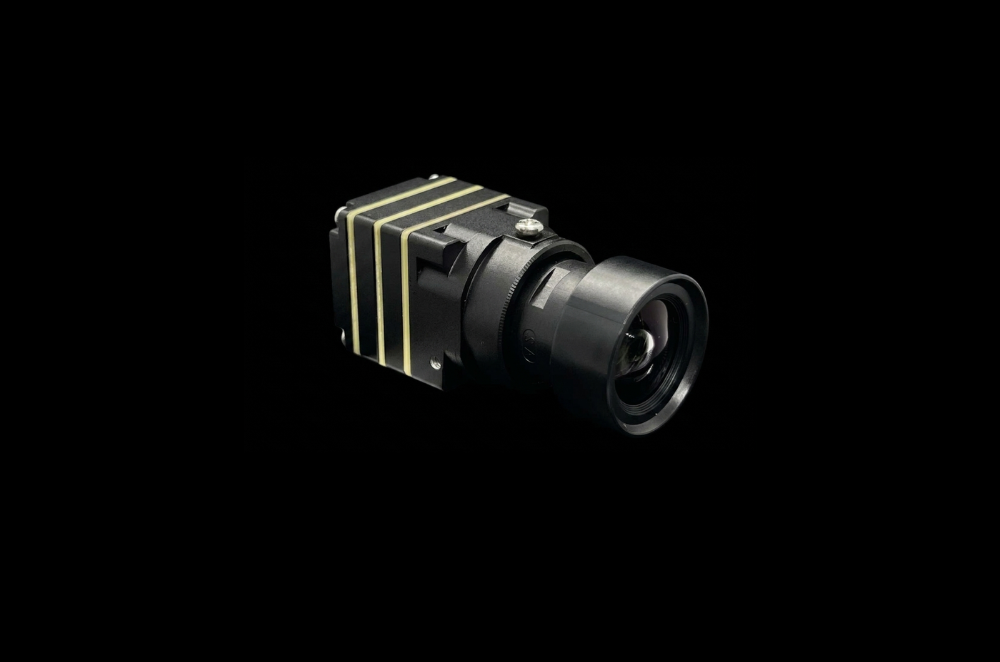
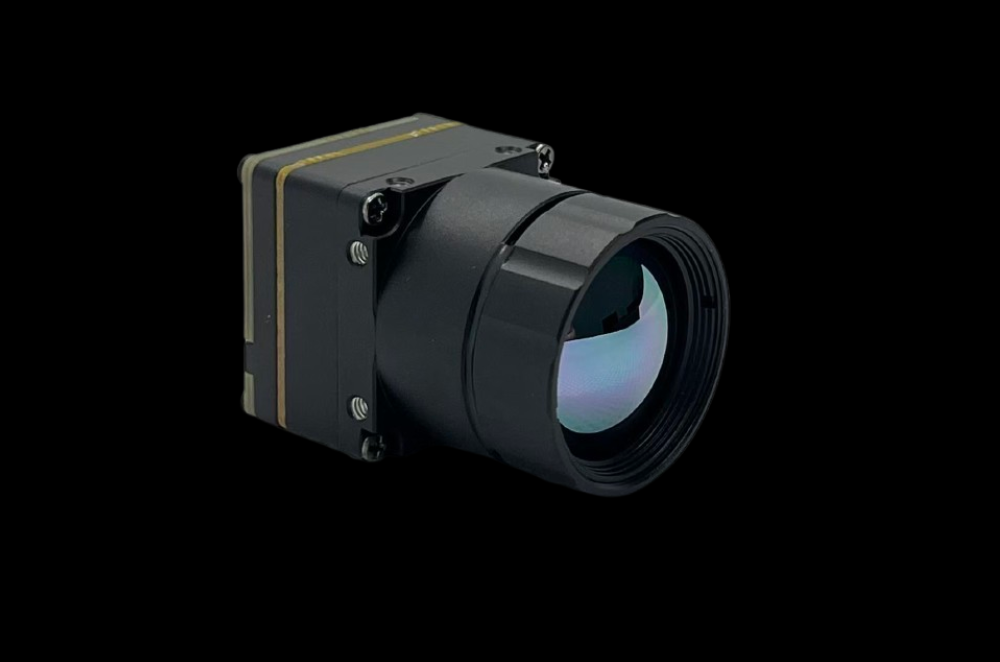
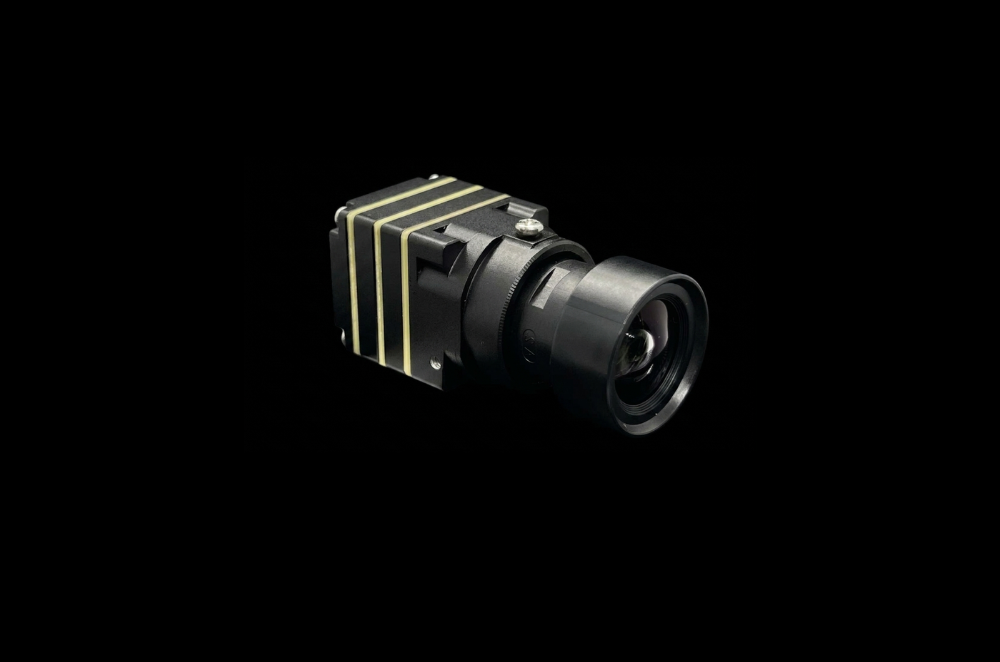
HONG KONG, China, 19 January 2026 — Star-Navi (NDL) confirmed that the XHC1602 Series of ultra-low-light UAV camera modules has entered active service across multiple unmanned aerial surveillance programmes following commercial release in 2025. Initial deployments span border patrol, maritime reconnaissance, and perimeter ISR applications across three operator programmes, with the XHC1602-L20M416C/B, XHC1602-L20M516C/B, XHC1602-L20M816C/B, and the USB-interface XHC1602-L20U416, L20U516, and L20U816 variants all confirmed in active payload integration.
Deployment Configuration and Operational Context
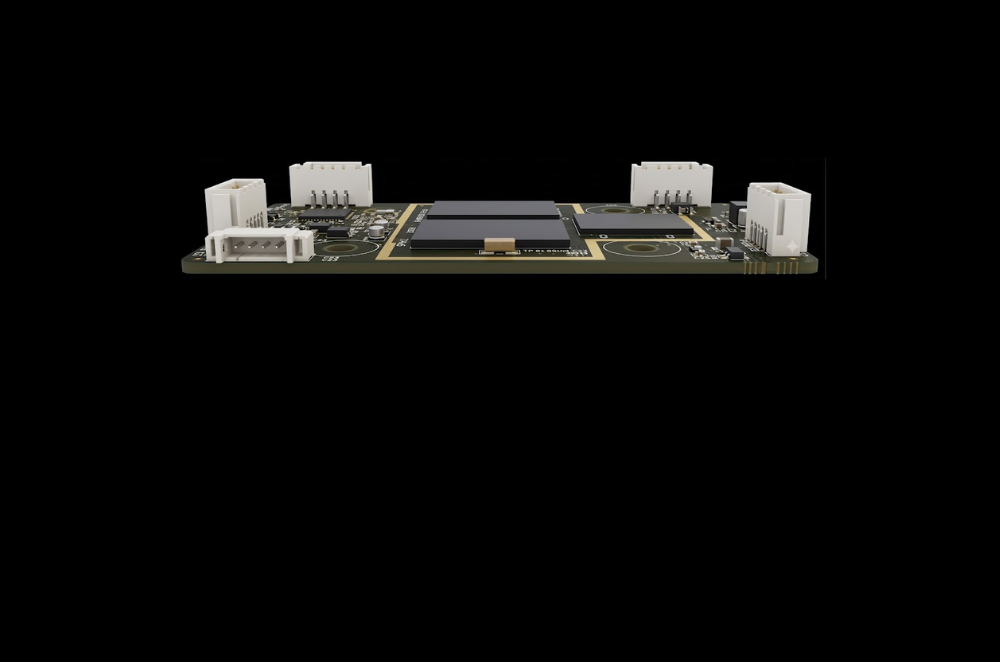
The XHC1602 Series was developed to address the passive low-light imaging gap in Group 1 and Group 2 UAV ISR payloads, where active infrared illumination is either mass-prohibitive or operationally inappropriate for covert reconnaissance taskings. All six deployed variants achieve 0.0004 lux minimum illumination in monochrome mode, providing passive starlight imaging across the full dusk-to-dawn cycle without illuminator hardware that would add mass, power draw, or optical signature to the platform. The three MIPI CSI-2 variants interface with SoC and FPGA-based payload computers through 4-Lane MIPI, while the three USB variants connect via USB 3.0 with standard UVC drivers, covering the two dominant embedded compute interface standards used across current-generation tactical ISR drone platforms.
Focal length coverage across 4 mm, 5 mm, and 8 mm within each interface family allows programme managers to assign detection range by mission type without changing the host board or driver stack, a feature that has been cited by deploying operators as a significant logistics advantage for fleets conducting both area-search and corridor-surveillance taskings from the same airframe class. Person detection ranges across the deployed variants extend from 660 m on the wide-angle 4 mm L20U416 to 1320 m on the telephoto 8 mm L20U816, covering the operational range band required by the majority of border and coastal patrol UAV programmes currently active.
Operational Feedback and Programme Acceptance
Early operational feedback from deploying programmes has focused on the module's performance in pre-dawn conditions where thermal sensors previously provided the primary detection capability. Operators report that the XHC1602 Series delivers usable classification-quality imagery in the 0.001 to 0.01 lux range that overlaps with the lower sensitivity threshold of uncooled thermal sensors, providing a passive EO alternative for missions where thermal sensor procurement timelines, export considerations, or unit cost constraints have delayed or prevented thermal sensor integration.
Executive Statement
"The reception from the first programmes to integrate the XHC1602 Series has confirmed that the market for passive low-light UAV cameras at sub-30 g was significantly larger than the legacy active-illumination product alternatives suggested," said the Director of UAV Sensor Products at Star-Navi. "Having MIPI and USB variants across the same focal length range means we cover both the SoC-based payloads and the Jetson-based payloads without asking operators to make an interface compromise. That flexibility has been the primary reason we have seen adoption across multiple programme types simultaneously."
Production capacity for the XHC1602 Series has been expanded to meet demand from programmes entering procurement in the first half of 2026.