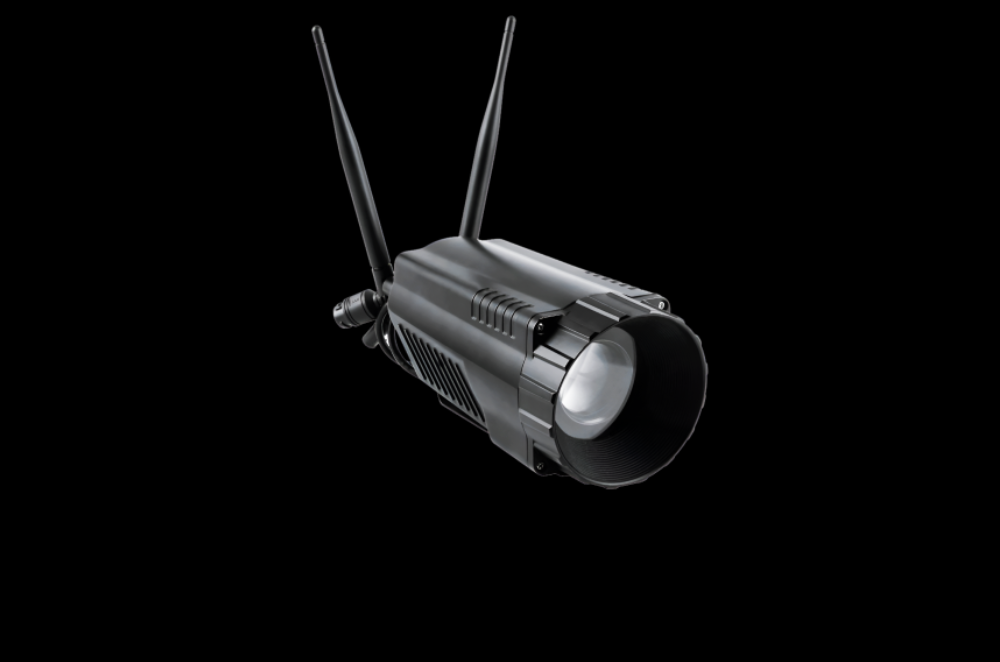
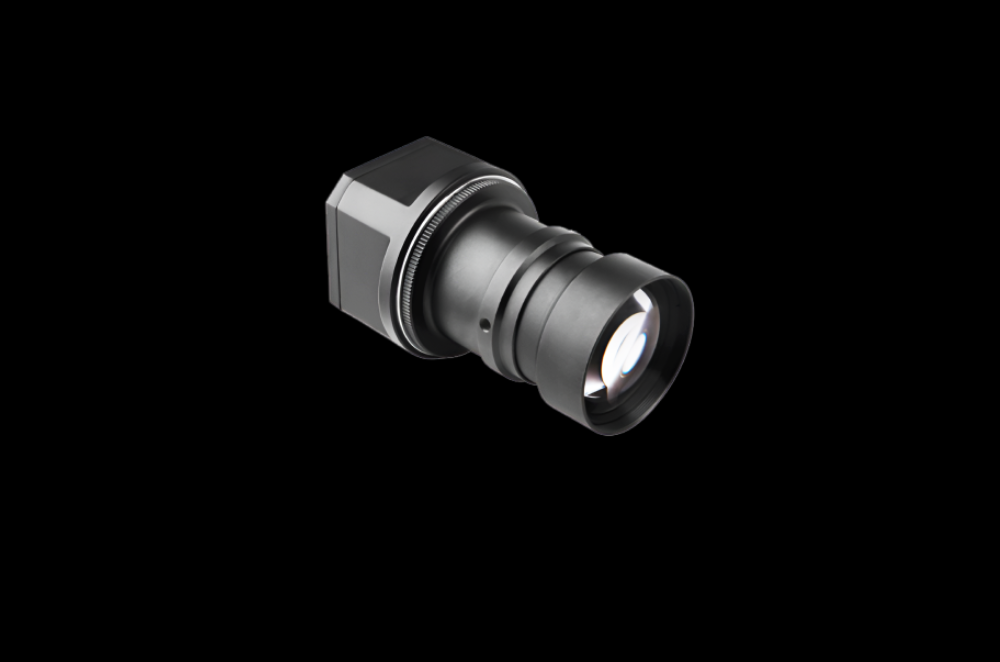
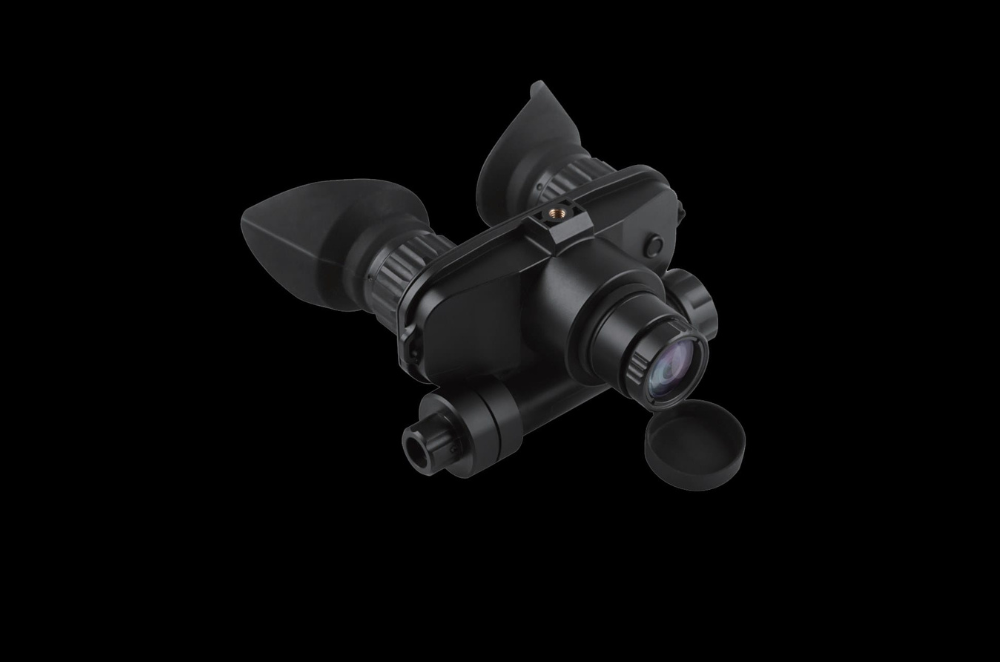
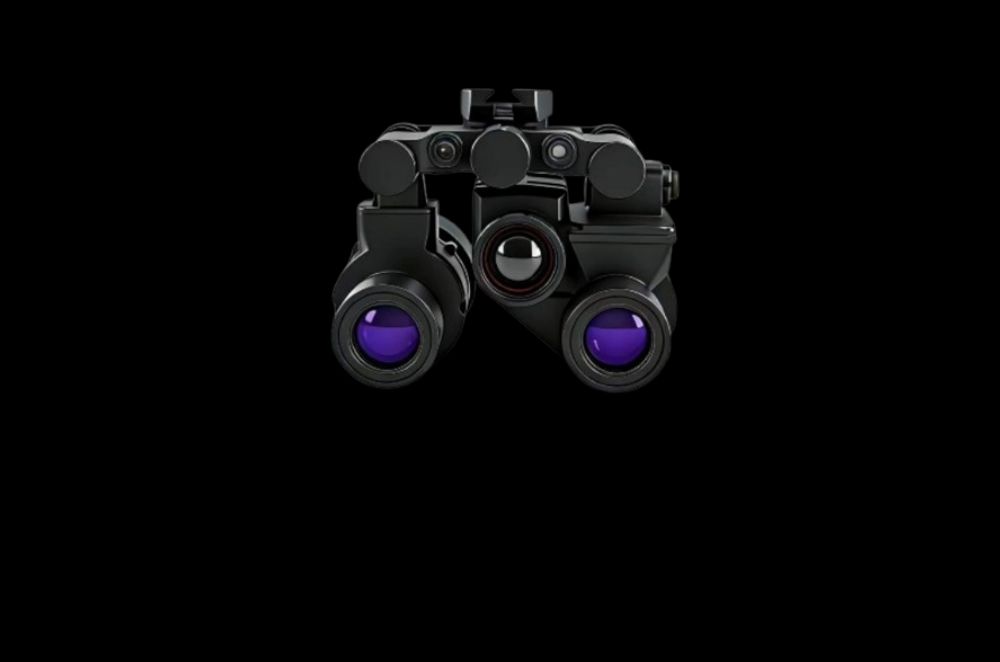
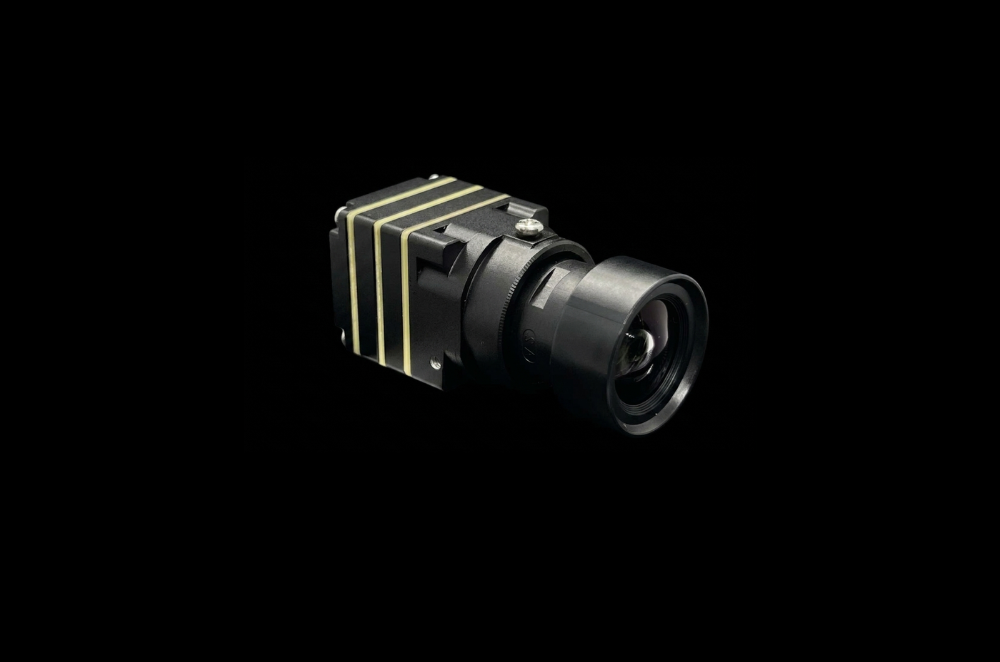
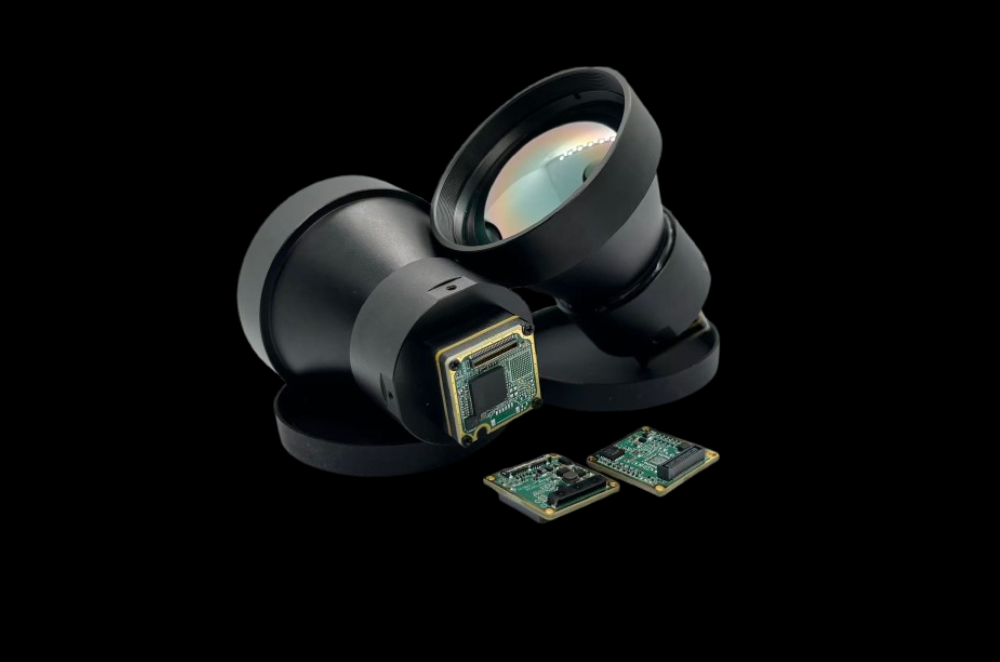
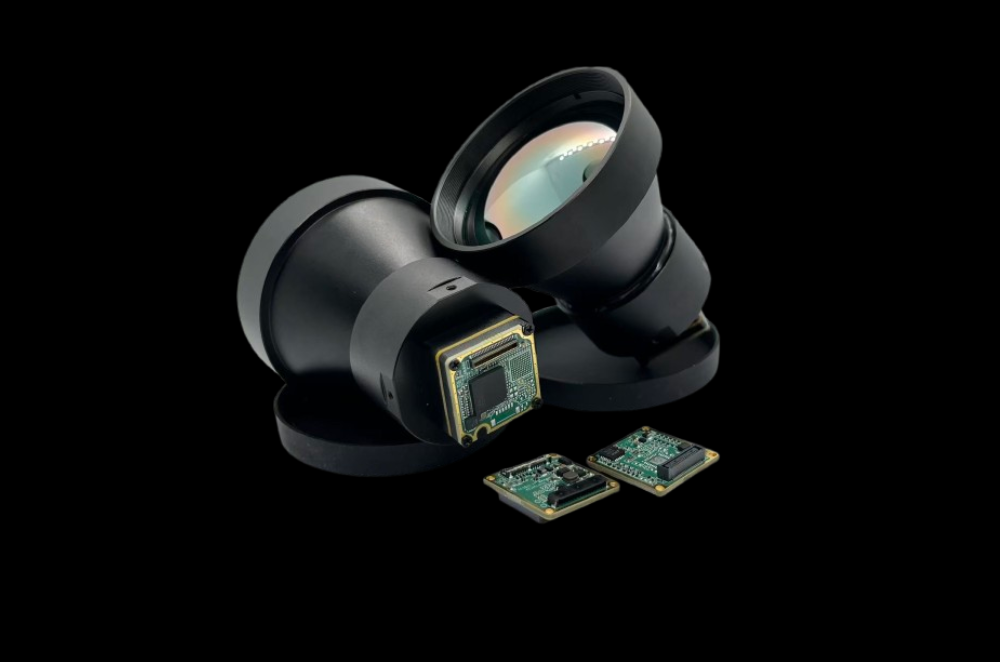
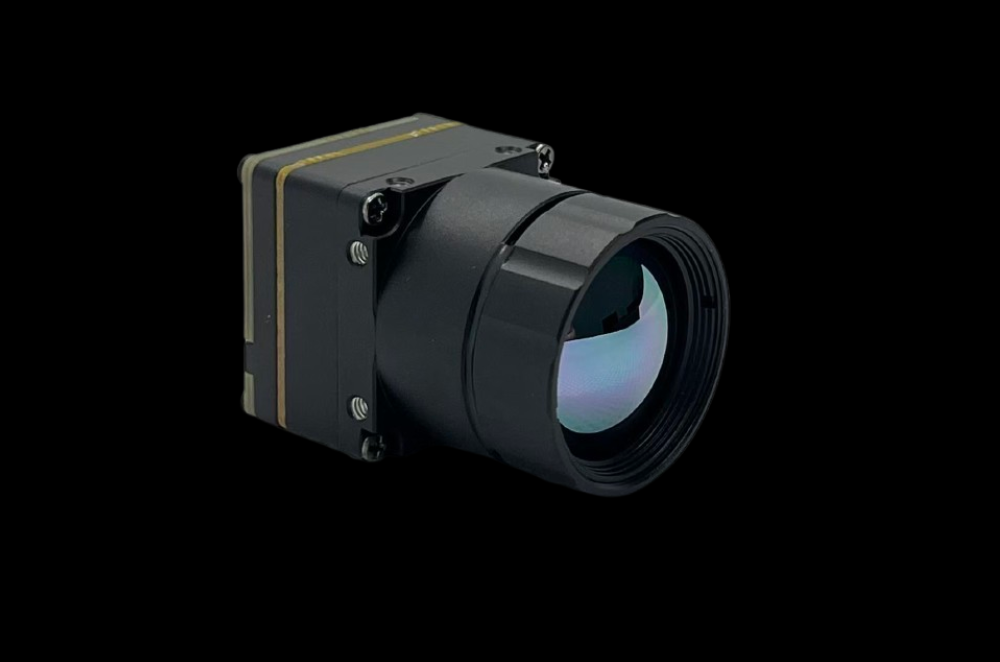
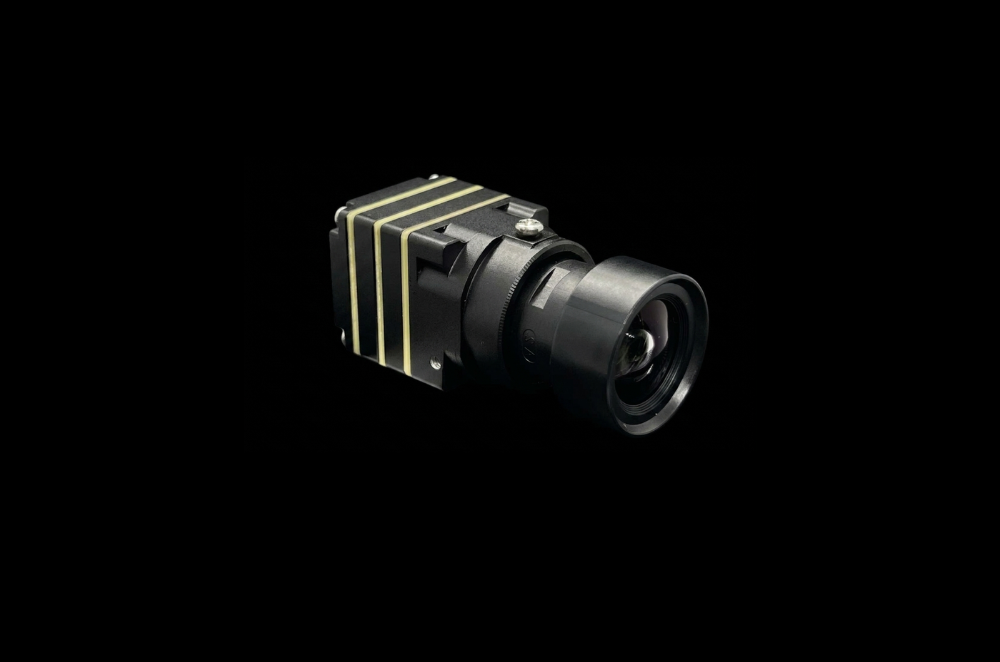
Star-Navi's new XUW4008C-B binocular stereo camera gives AUVs, UUVs, and ROVs true depth perception for safer navigation in low-visibility water.
An ROV pilot working a subsea pipeline route in near zero visibility water is fighting a problem divers have dealt with for decades: a single camera feed shows what is ahead, but not how far away it actually is. In turbid coastal water or at depth, that gap between seeing an obstacle and judging its distance is where collisions with structure, debris, or the seabed happen. Star-Navi's newly released XUW4008C-B binocular stereo camera was built specifically to close that gap for underwater robotic platforms.
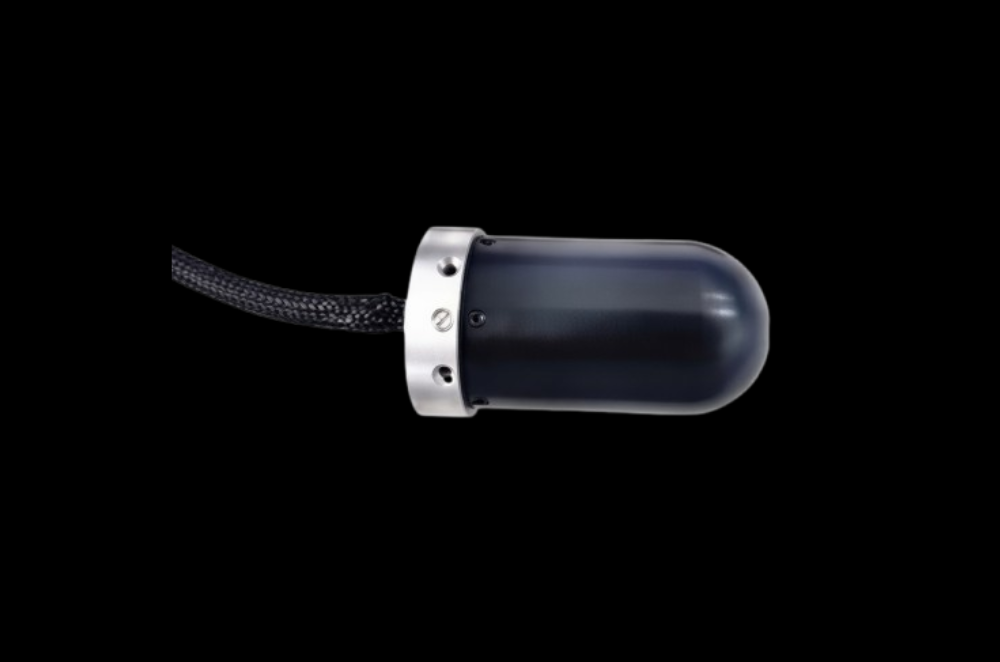
The XUW4008C-B pairs two independent full-color imaging channels inside a single titanium-alloy, sapphire-glass housing, giving AUVs, UUVs, and ROVs genuine stereo depth perception rather than a flat two dimensional feed. Each channel covers a wide 170 degree field of view at 1920 by 1440 resolution, and autofocus keeps both channels sharp as a vehicle closes on a target. Integrated white-light LEDs with PWM dimming extend usable range into water where ambient light has already disappeared, and the system still resolves a scene at 0.001 lux with the lights off.
Built for the pressure, not just the water
Depth is as much a mechanical problem as an optical one. The housing carries a 500 meter pressure rating with a 1.5 safety factor, and the sapphire front window is built to survive abrasion from silt and repeated handling over a service life measured in years rather than months. Two waterproof connectors, one per channel, carry both DC power and 100Base-TX Ethernet, so integrators can wire the camera into an existing vehicle harness without adding a separate junction box.
On the software side, the camera speaks ONVIF and RTSP natively and encodes in H.264 or H.265, so it drops into most existing vehicle autonomy and mission control stacks with minimal integration work. Thirty two gigabytes of onboard storage lets a vehicle log video independently of its topside link, which matters on long duration missions where bandwidth to the surface is limited or intermittent. Star-Navi pairs the hardware with its own VMS client for teams that want a turnkey viewing and recording setup out of the box.
For operators running pipeline inspection, port and harbor security work, or obstacle avoidance on autonomous underwater platforms, the practical shift is less about any single spec and more about what stereo vision changes operationally. A vehicle that can judge range on its own is a vehicle that can be trusted closer to the structure it is inspecting. As subsea inspection and underwater security programs move toward more autonomous, less remotely piloted operation, that kind of onboard depth awareness is quickly becoming a baseline requirement rather than a premium feature.