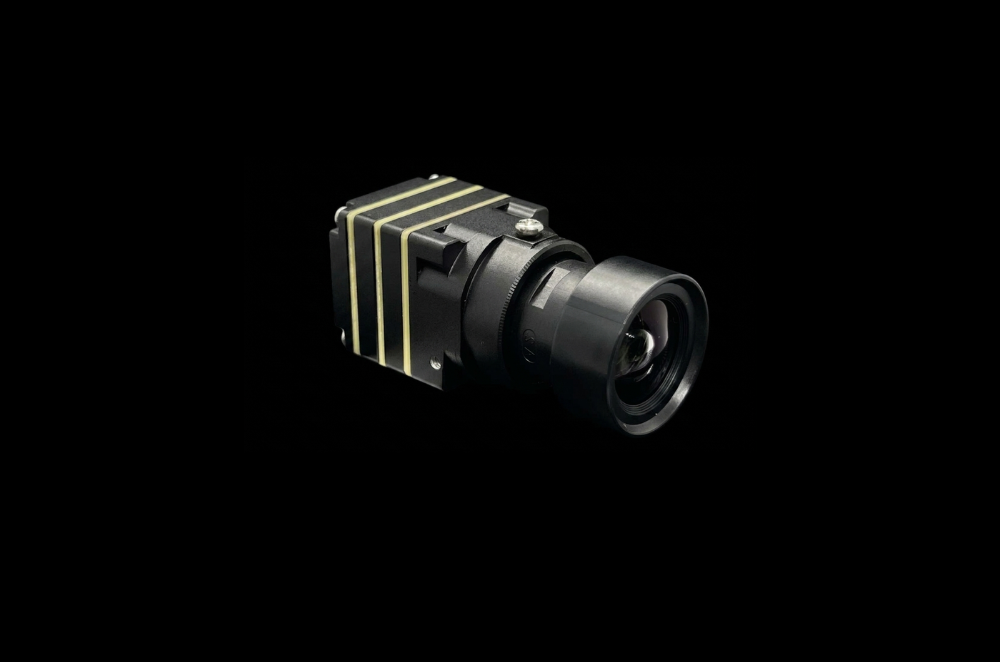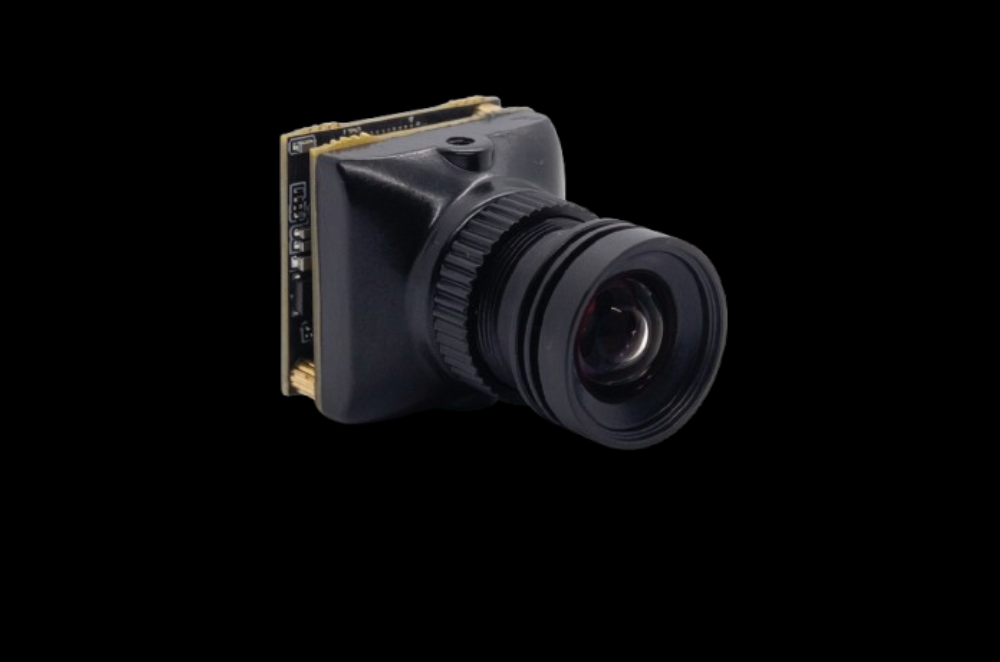
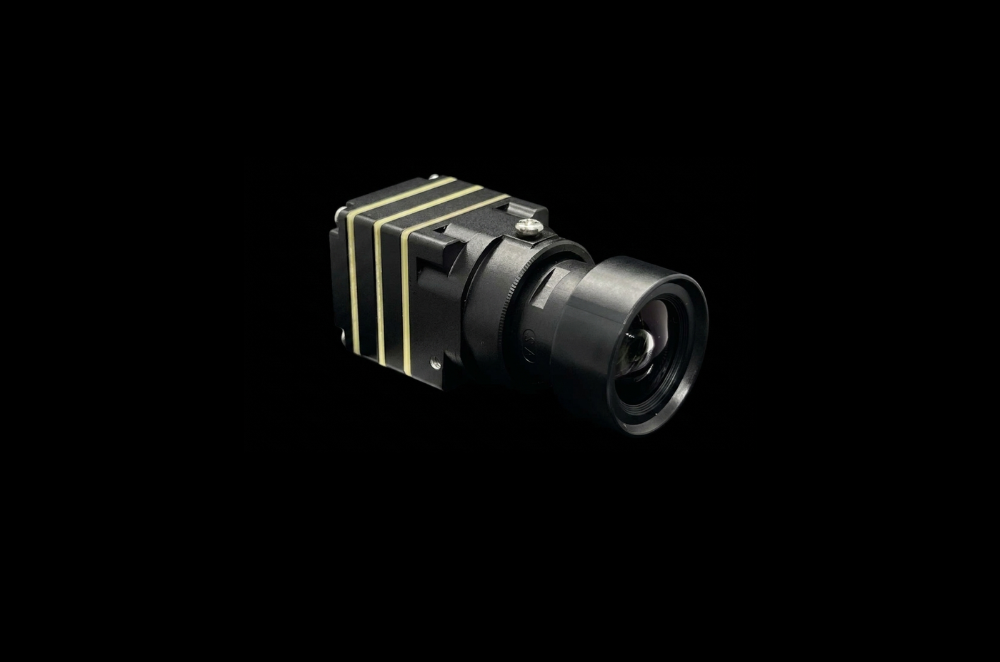
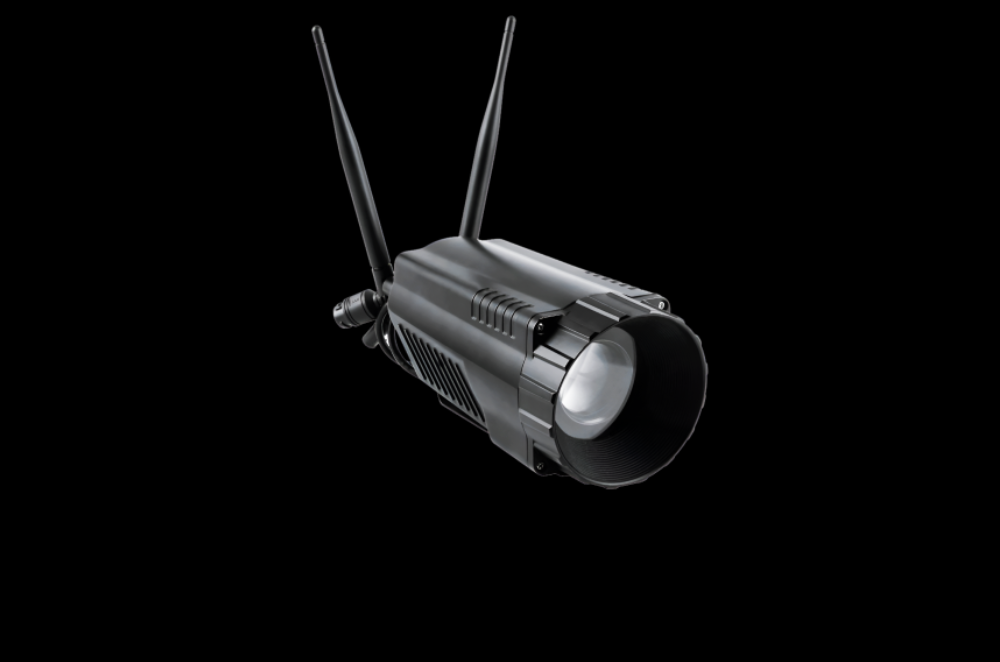
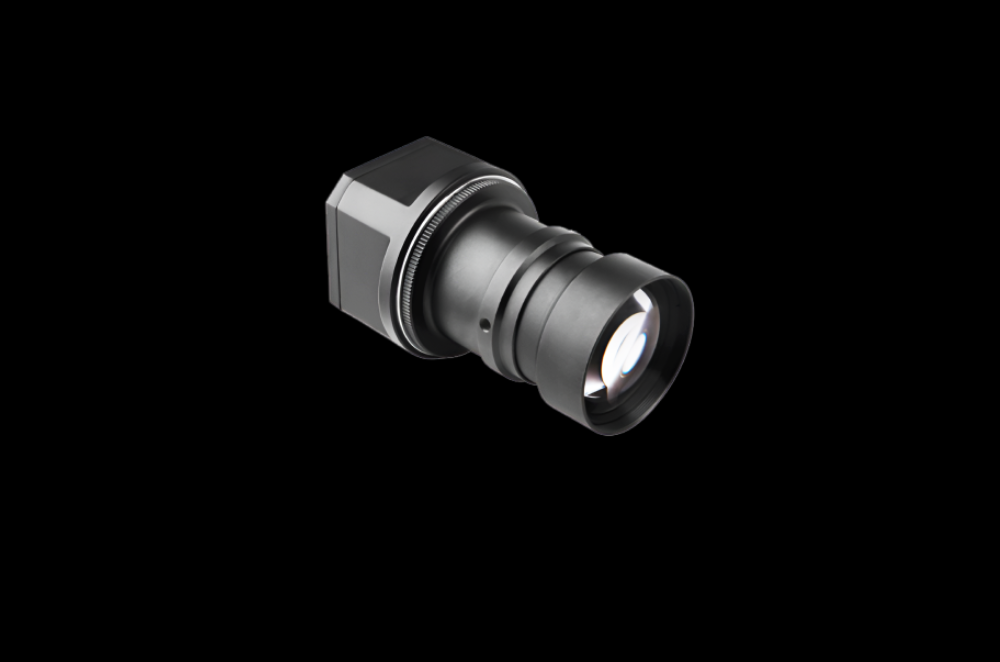
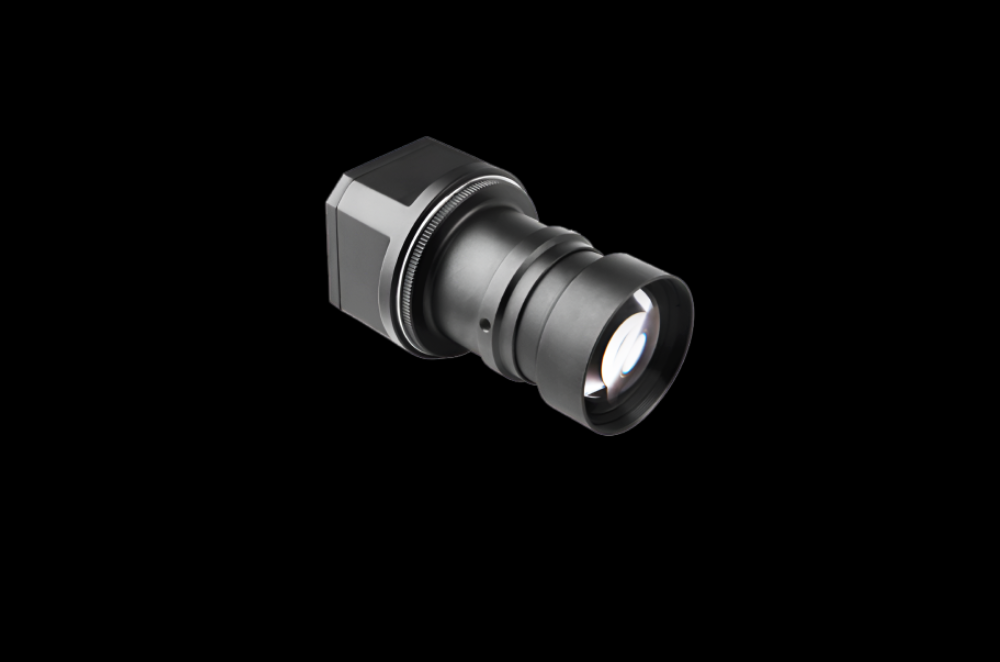
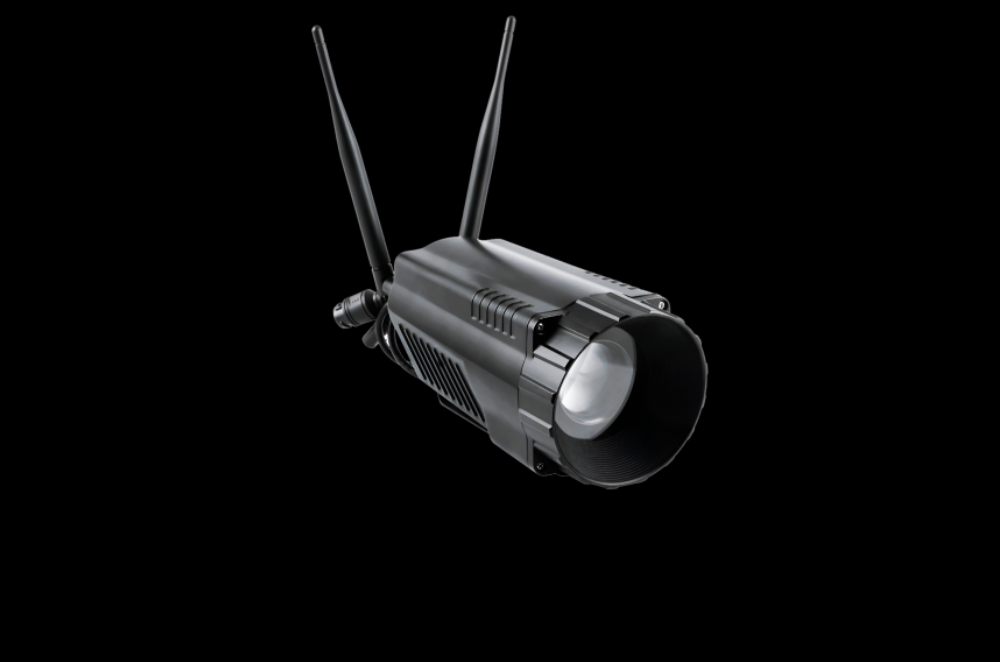
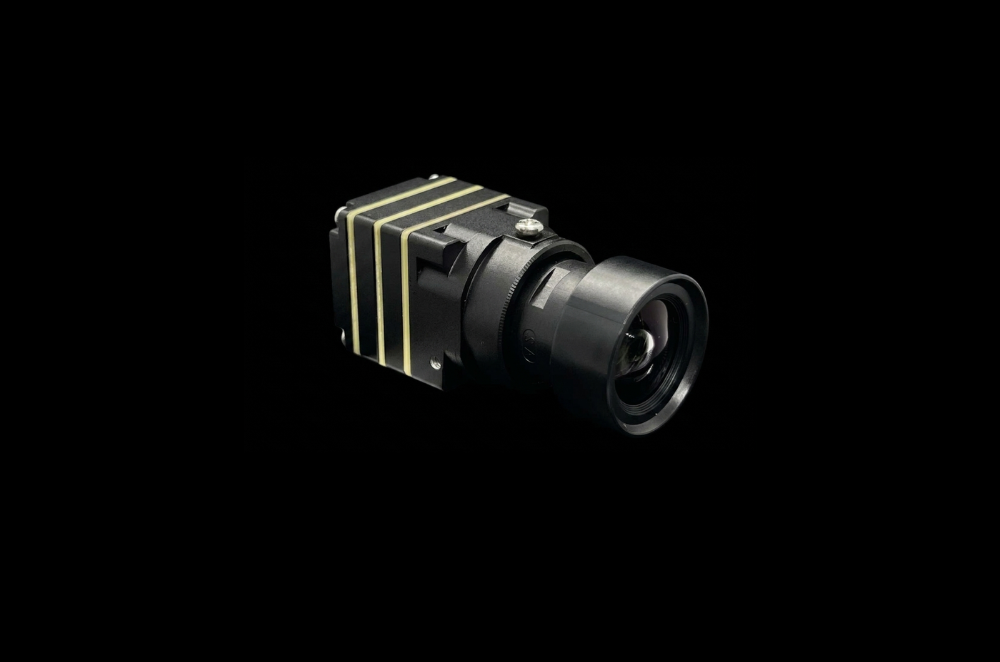
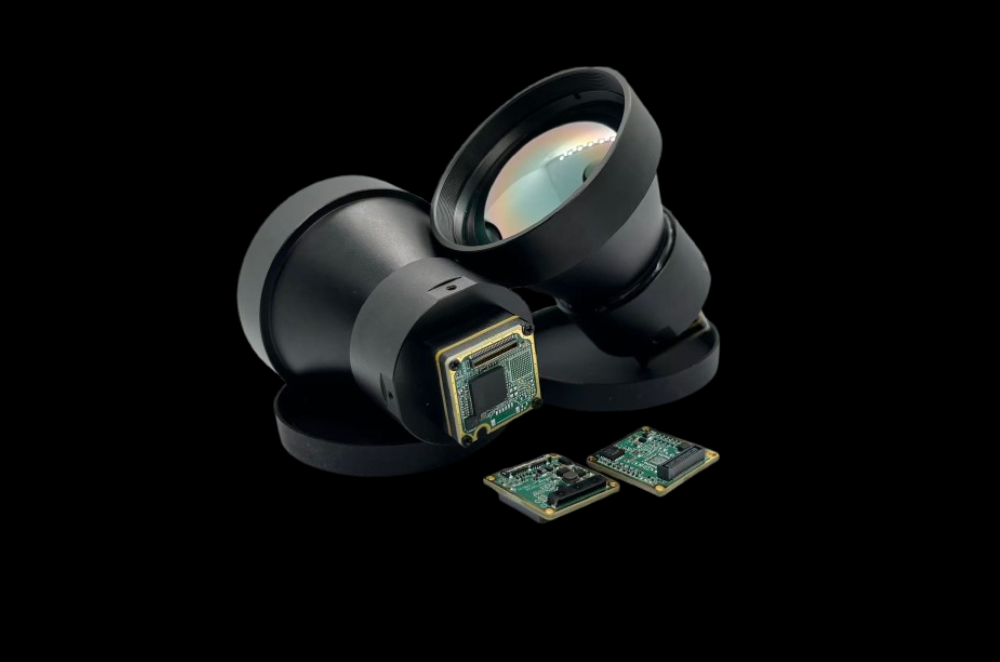
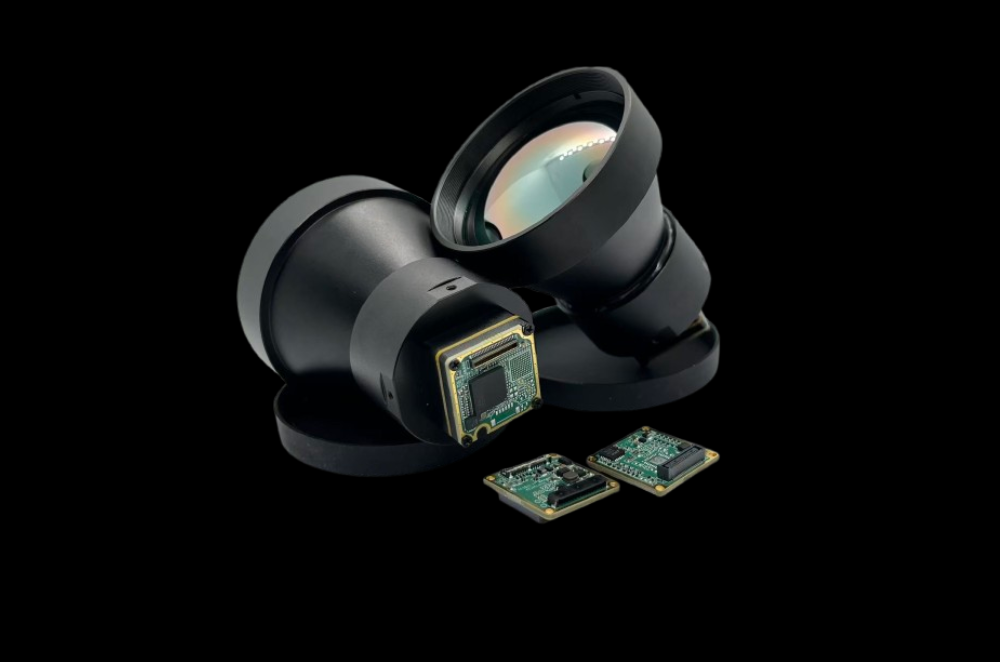
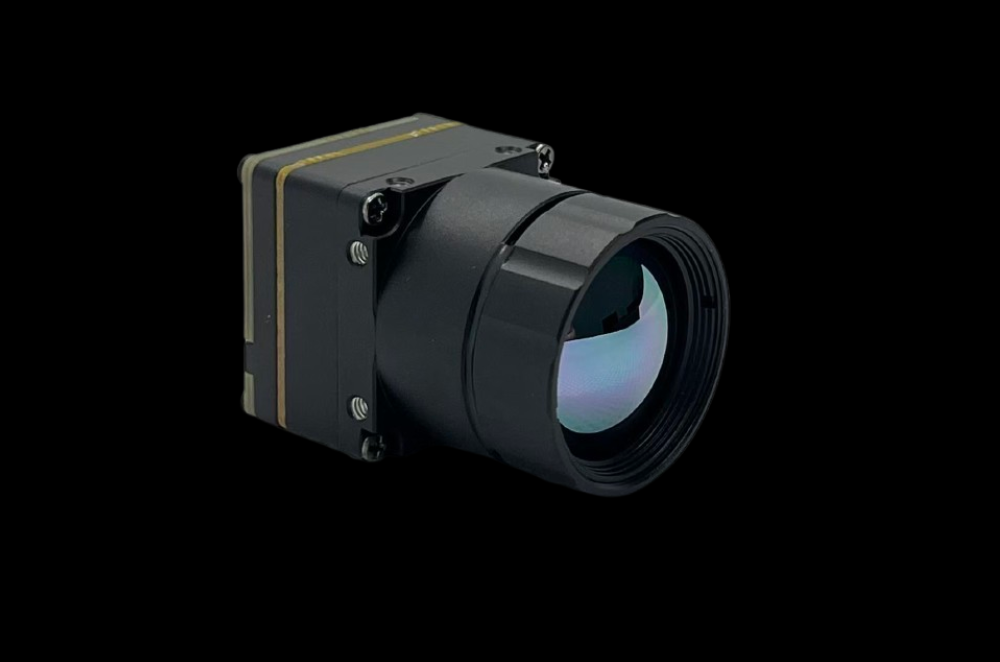
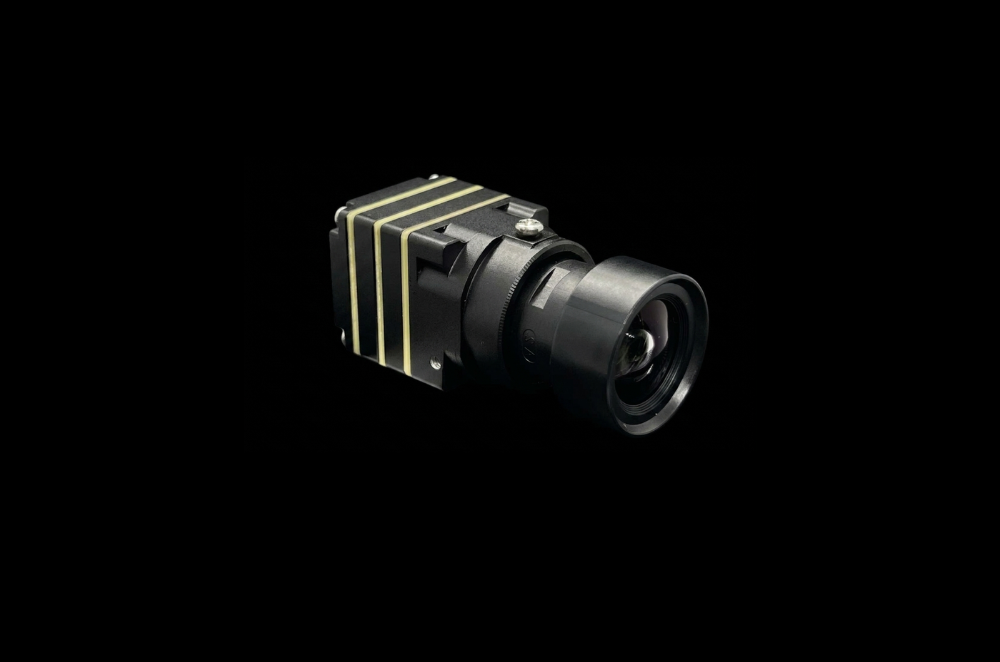
The XHM3135C-ABF delivers 4,200 meter starlight detection as a bare OEM module, letting integrators build custom housings around mid-range border and perimeter surveillance requirements.
Several border modernization programmes awarded over the past two years have specified mid-range passive detection as a bare optical core rather than a complete camera, following the same modular sourcing pattern that has already taken hold at the long-range and short-range tiers. That specification exposes a gap for integrators who need 4,000 meter class detection in a form factor that fits a custom enclosure rather than a factory housing sized for a generic install. The XHM3135C-ABF fills that gap directly.
Closing the Mid-Range Module Gap
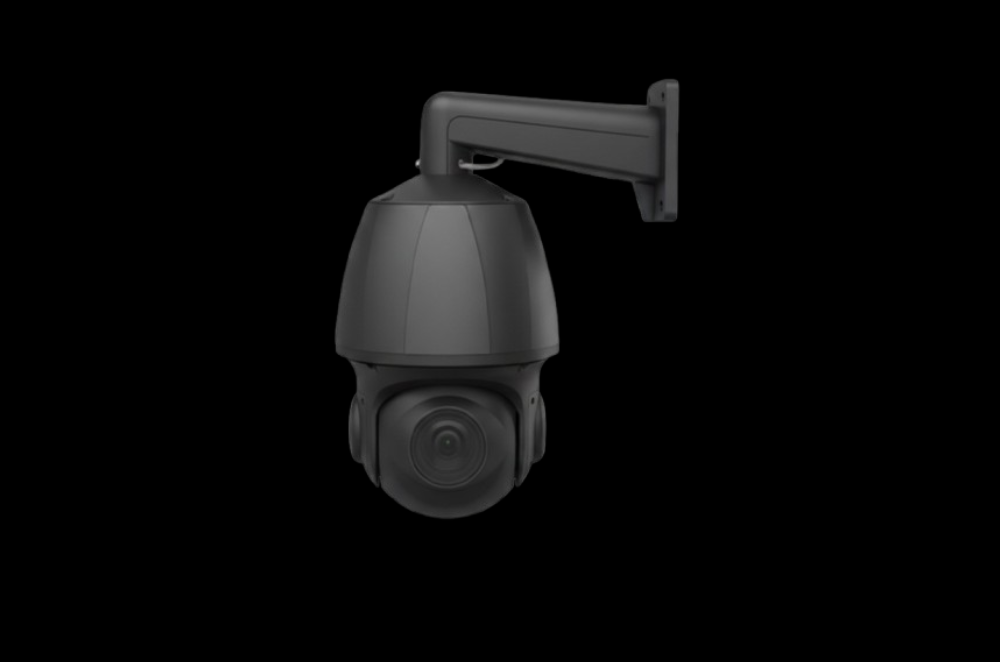
The module carries the same 135mm equivalent F1.2 optic and starlight CMOS sensor as the XHC3135C-ABF camera, reaching approximately 4,200 meters detection and 660 meters identification, but without the outer housing. Supplied bare, it lets integrators design the mechanical envelope, environmental sealing, and mounting interface around the specific site rather than adapting a sealed camera body to fit.
Addressing the Integration Gap in Practice
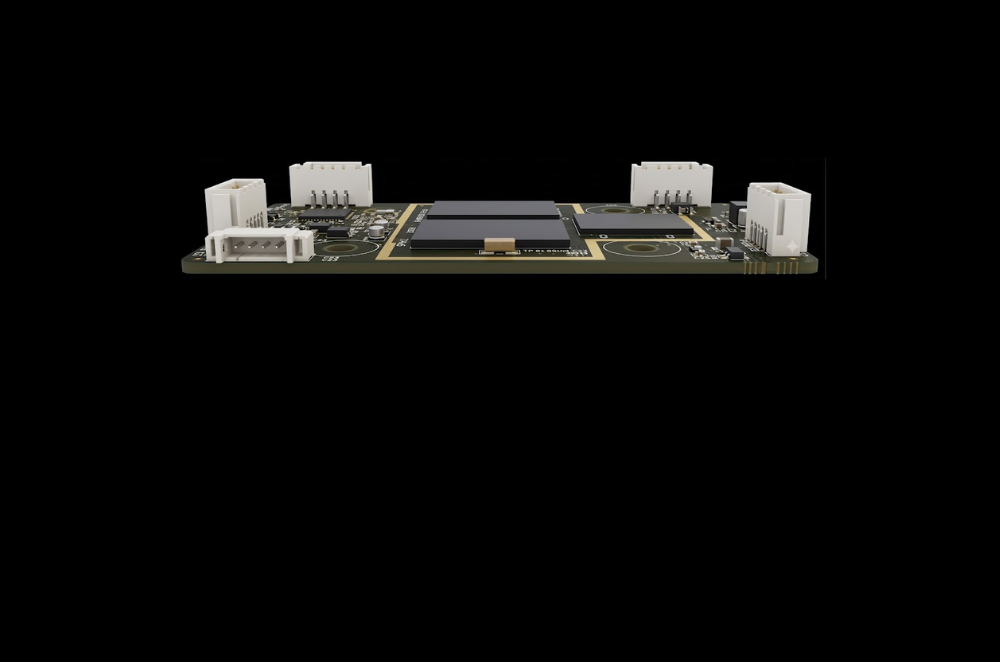
Auto Back Focus travels with the module, which matters at 135mm focal length where uncorrected thermal drift over a multi-month deployment cycle will quietly erode effective detection range before anyone notices. RJ45, WiFi, and optional 4G communication paths, along with ONVIF, RTSP, and PELCO protocol support, keep the module's integration footprint aligned with the rest of the XHC3/XHM3 family, so an integrator building a mixed-range perimeter network is not maintaining separate driver stacks for each focal length.
Forward-Looking View
As modular procurement extends further into the mid-range tier that has historically been dominated by complete camera systems, bare optical cores like the XHM3135C-ABF are likely to see faster adoption growth than their sealed-housing counterparts, particularly among integrators building for hardened or non-standard sites where housing flexibility carries real value. Programme offices that have already committed to modular sourcing at the outer detection layer have a natural next step in extending the same model to the mid-range band this module addresses.