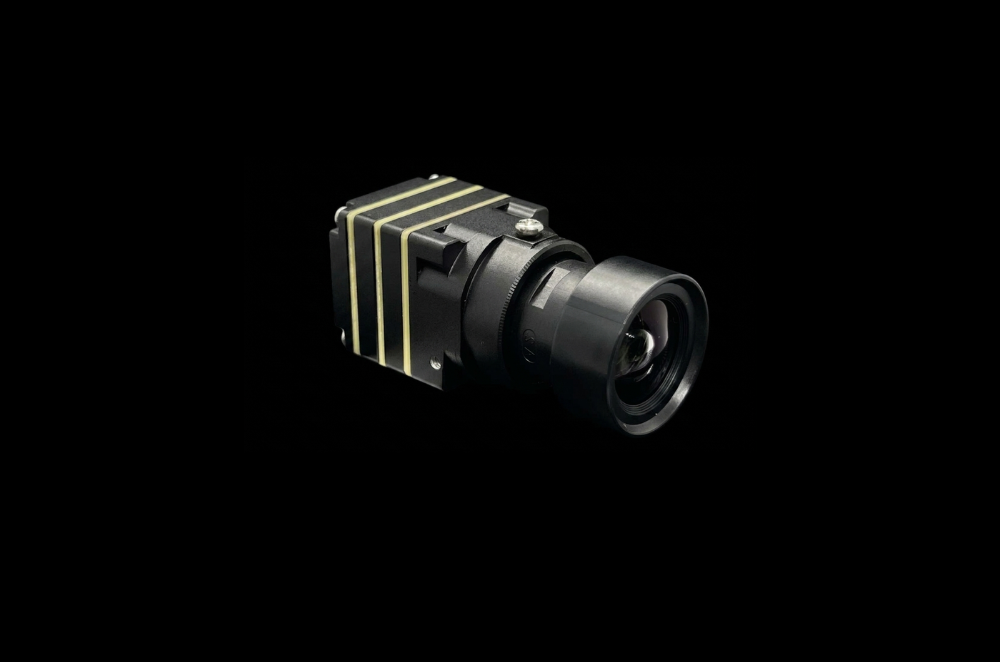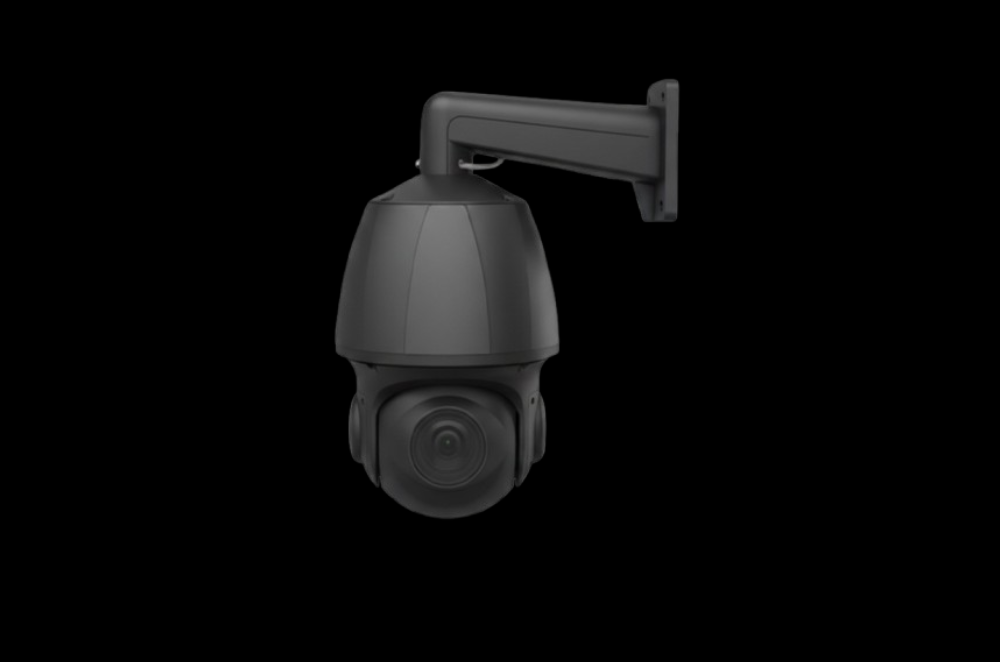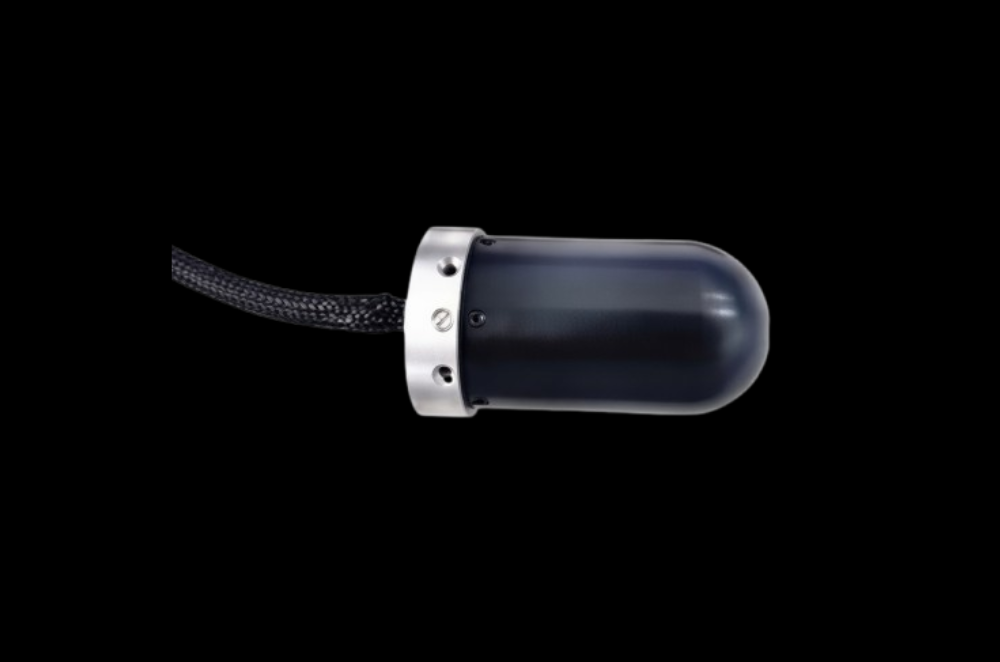
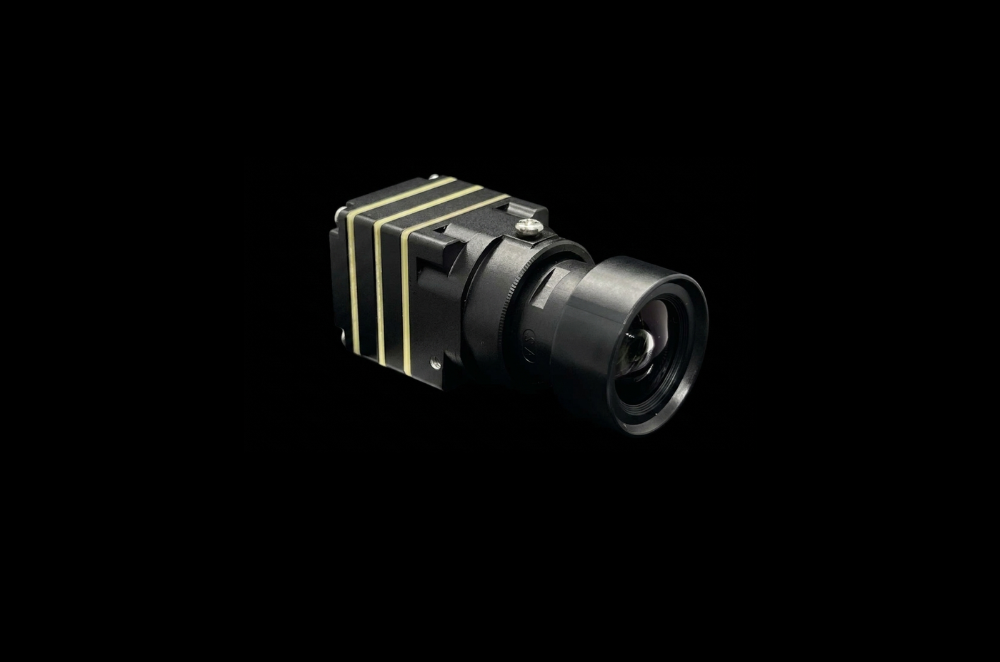
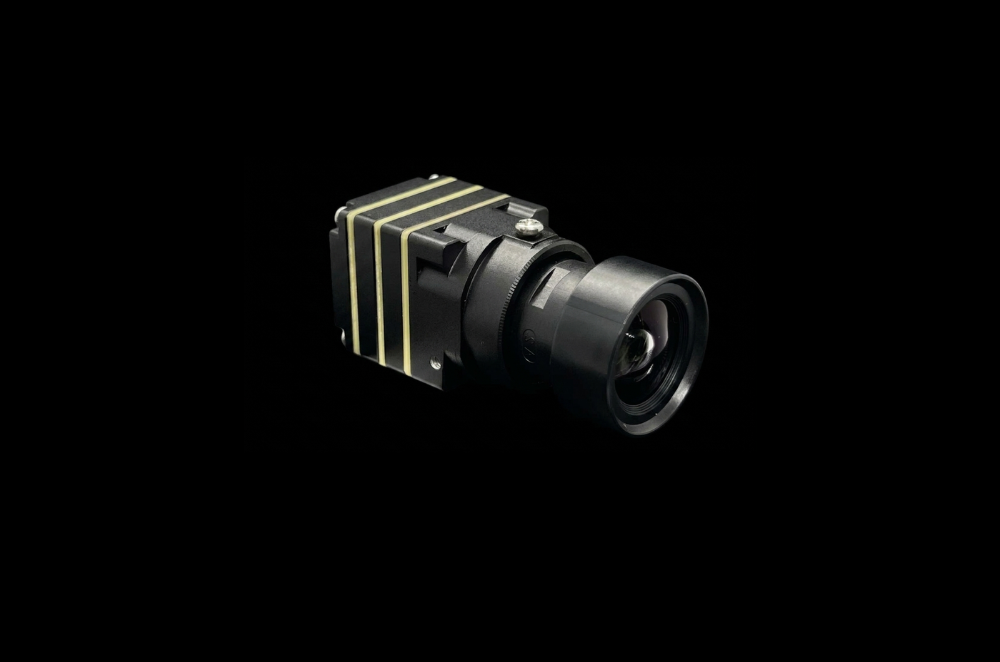
A new hybrid zoom EO payload pushes color night imaging and long-range detection onto compact UAV airframes for round the clock reconnaissance.
When the sun drops below the horizon, most UAV camera payloads start losing the one thing operators actually need: color and detail on a moving target. Standard daylight sensors wash out to grainy monochrome, and switching over to a thermal channel trades away the facial and vehicle detail that makes an observation useful in the first place. That gap between dusk and true darkness has quietly shaped procurement conversations across ISR and border surveillance programs for years.
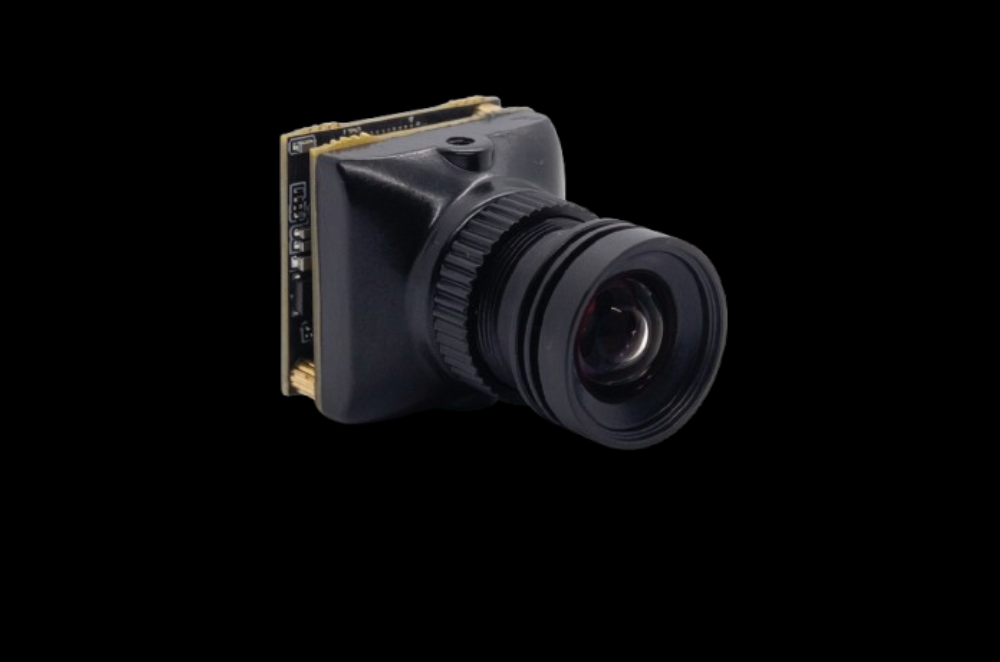
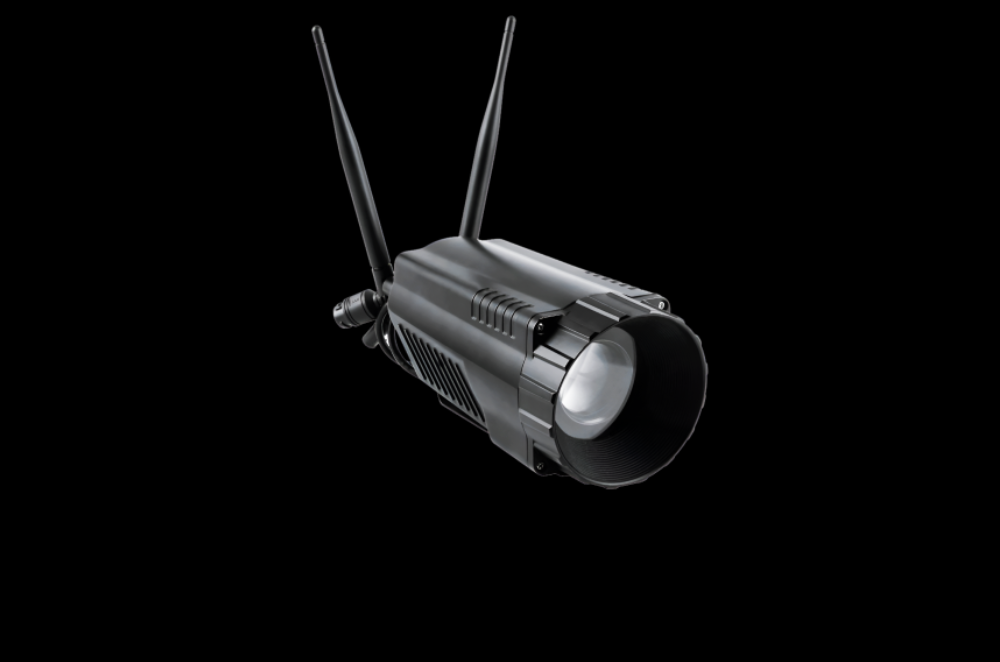
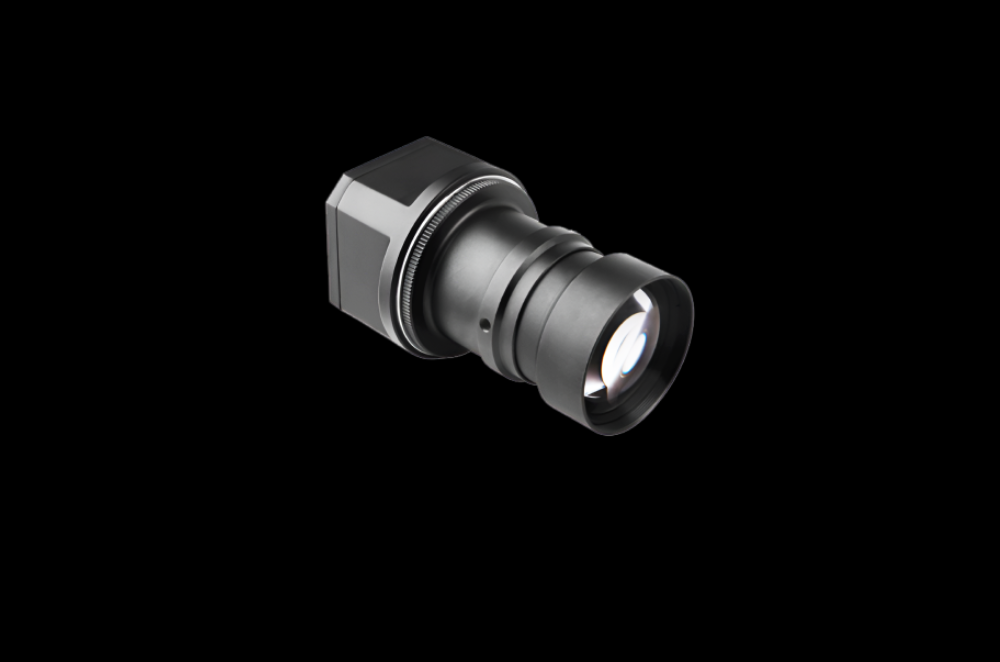
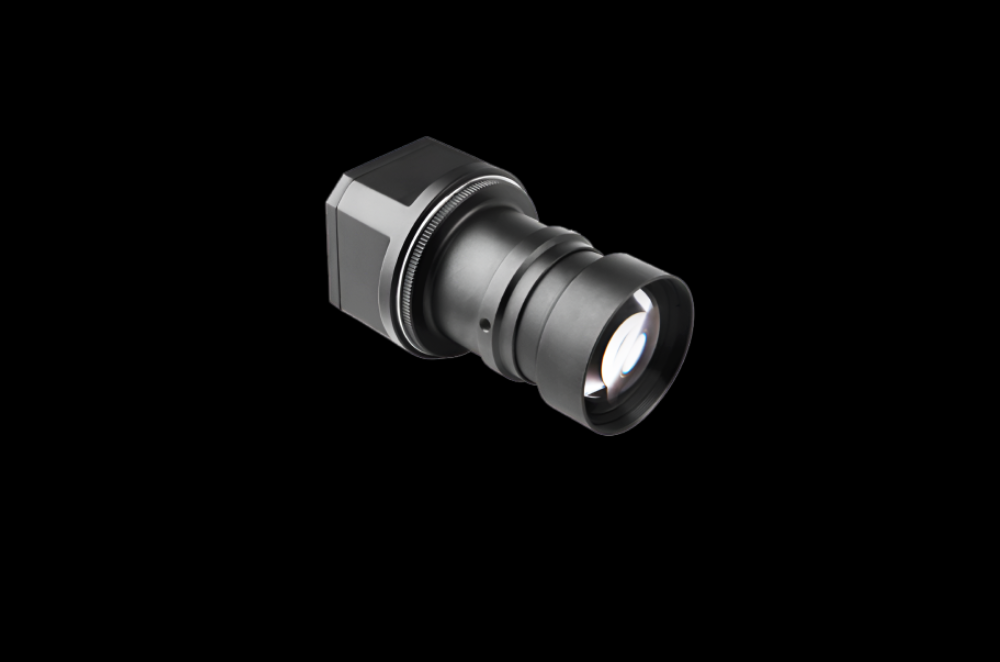
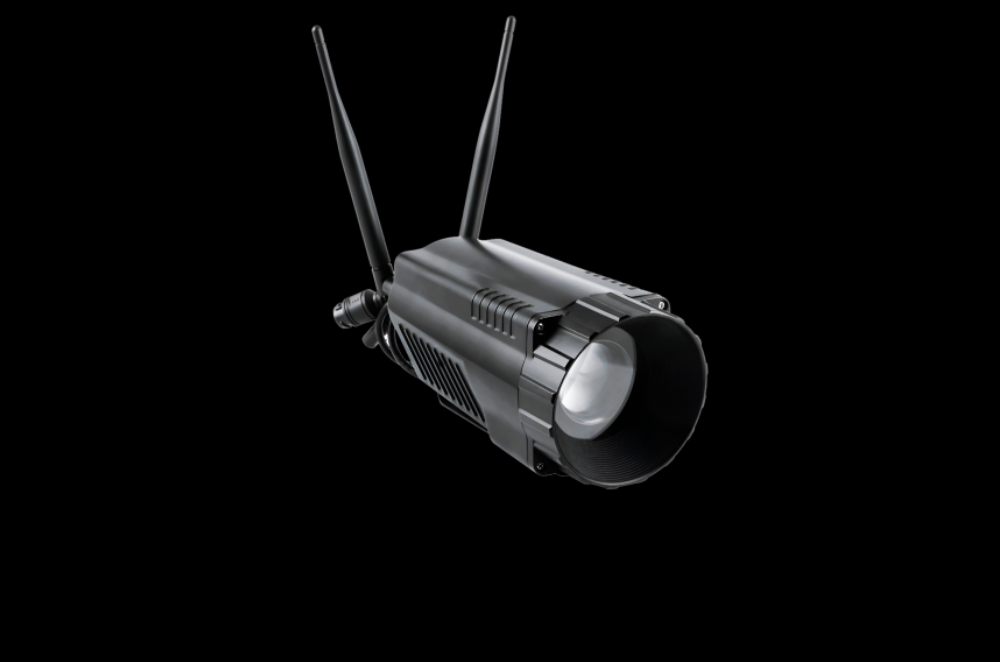
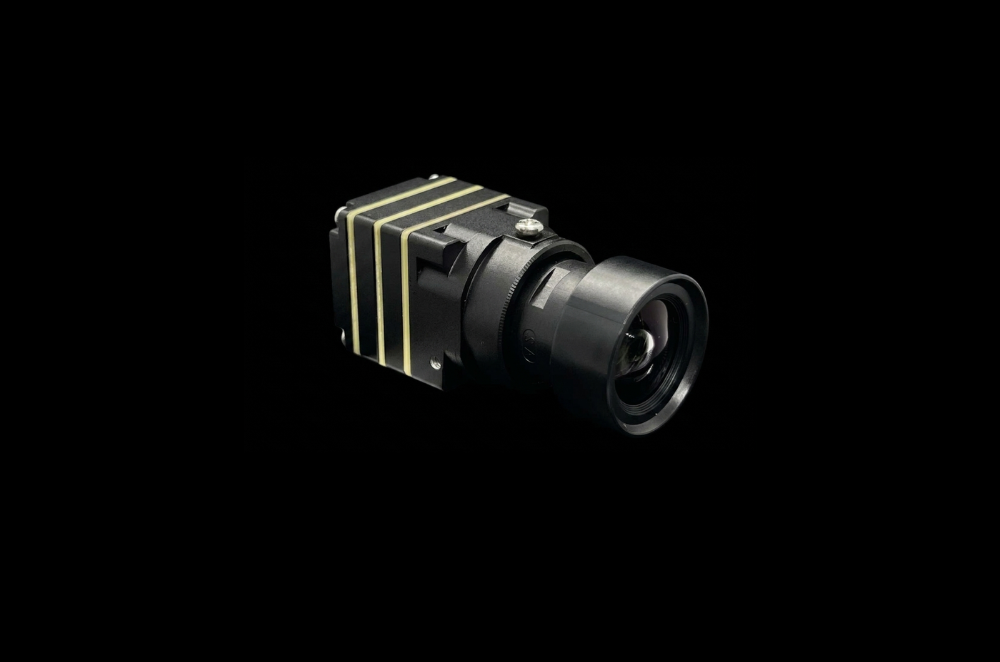
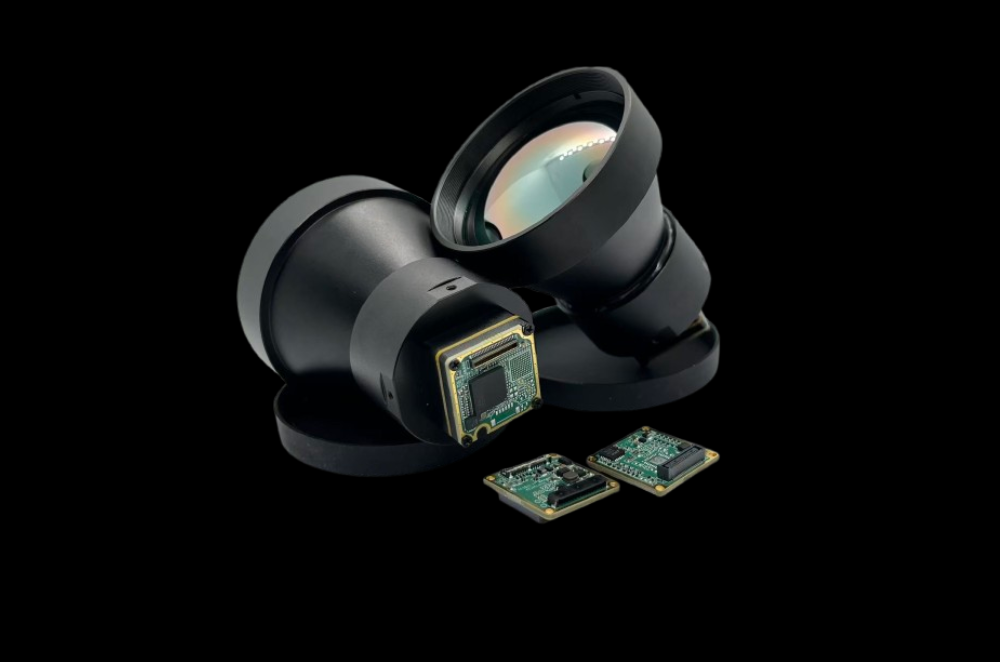
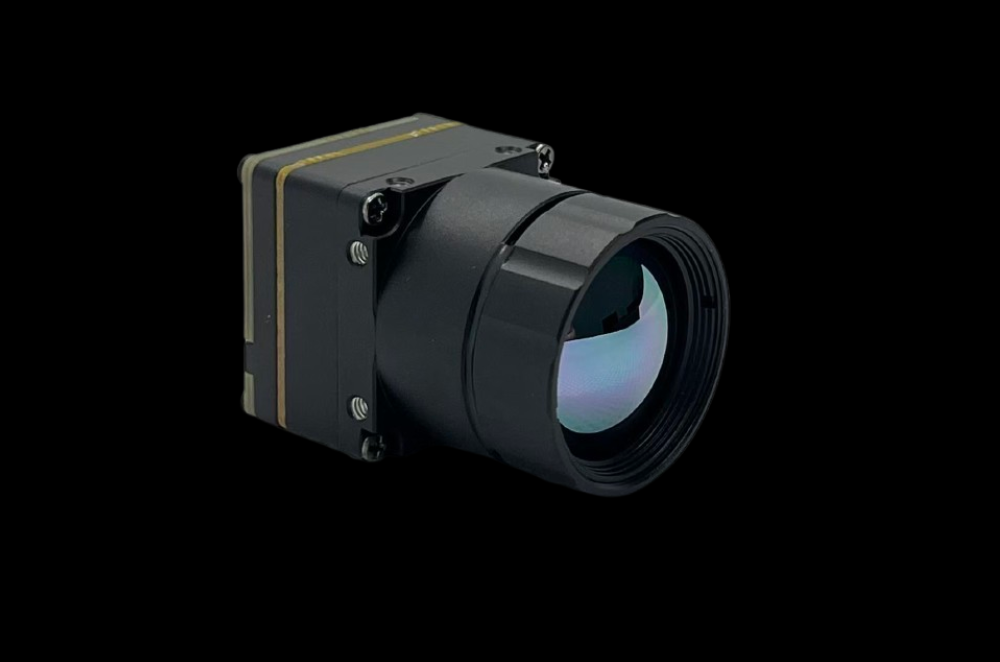
Star-Navi's XHZ4-1550C-EN targets that exact window. Built around a 5.5 micron backside illuminated CMOS sensor, the camera holds full color imaging down to 0.001 lux and keeps producing usable footage as light drops further, extending sensitivity to 0.0001 lux at a reduced frame rate. For an operator flying a dusk reconnaissance pattern, that means the picture on the ground station screen stays a picture rather than a thermal silhouette, well past the point where conventional daylight cameras give up.
Hybrid Zoom for Variable Mission Distance
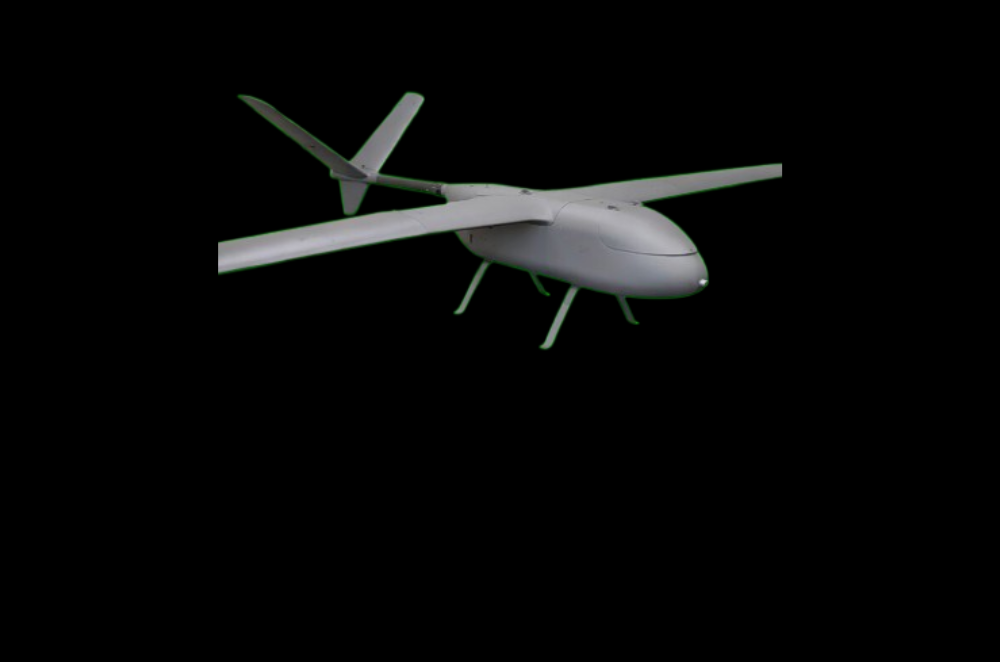
The camera pairs that low light sensor with a 15 to 50 millimeter continuous optical zoom and an eight times digital stage, letting a single airframe swing between wide area monitoring and long range target study without a lens change. Star-Navi rates detection out to 5500 meters and recognition past 1300 meters against a standard target, figures that put perimeter sweeps and convoy overwatch within reach of the same payload used for close in inspection work. At under 405 grams and drawing less than two watts, the unit sits comfortably on DJI class airframes and the smaller inspection drones now common across industrial and infrastructure monitoring.
Built for the Ground Station, Not Just the Airframe
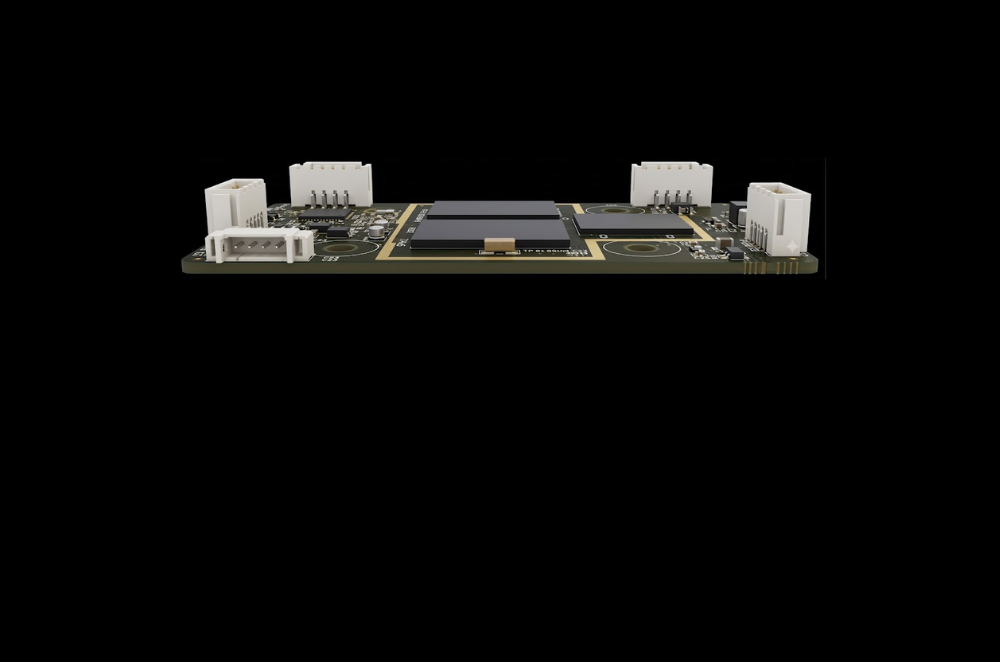
Video reaches the operator over a standard Ethernet link using RTSP and ONVIF, so the camera drops into an existing video management system rather than requiring a proprietary viewer. Onboard AI recognition sorts targets into body, facial, vehicle and animal categories before the footage even reaches the ground station, trimming the review workload on long reconnaissance flights. A 32 gigabyte onboard storage module keeps that footage available even when the network link drops, a detail that matters more in contested or remote environments than on a controlled test range.
The XHZ4-1550C-EN arrives as more UAV and mobile observation programs push for platforms that can operate credibly around the clock rather than handing off to a separate night vision asset after sunset. Ethernet native, VMS compatible payloads like this one suggest that boundary is starting to blur, with a single camera increasingly expected to carry a mission from daylight monitoring through to genuine night operations.