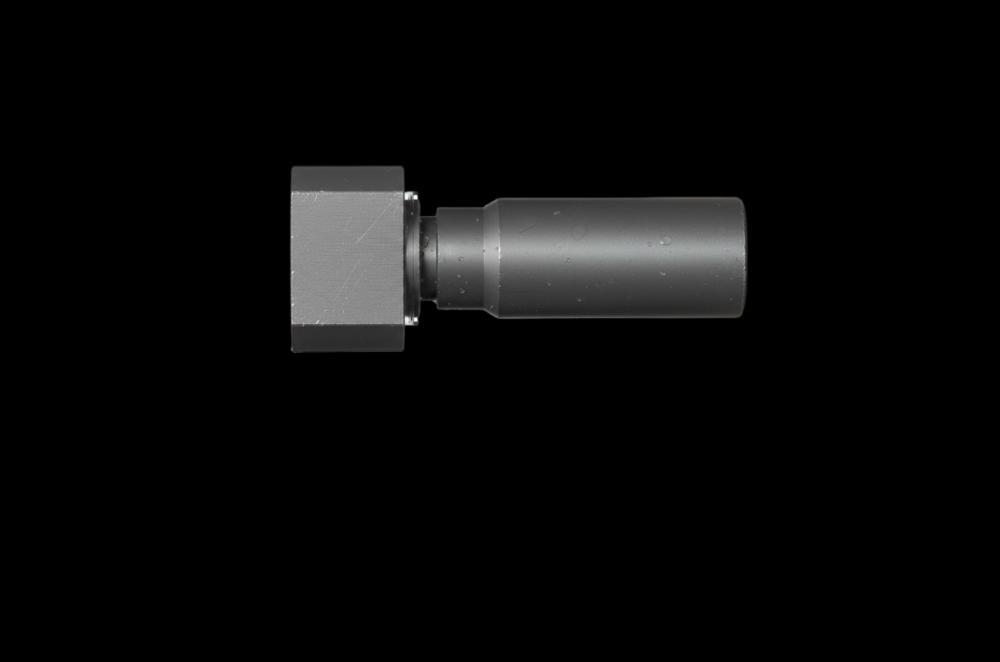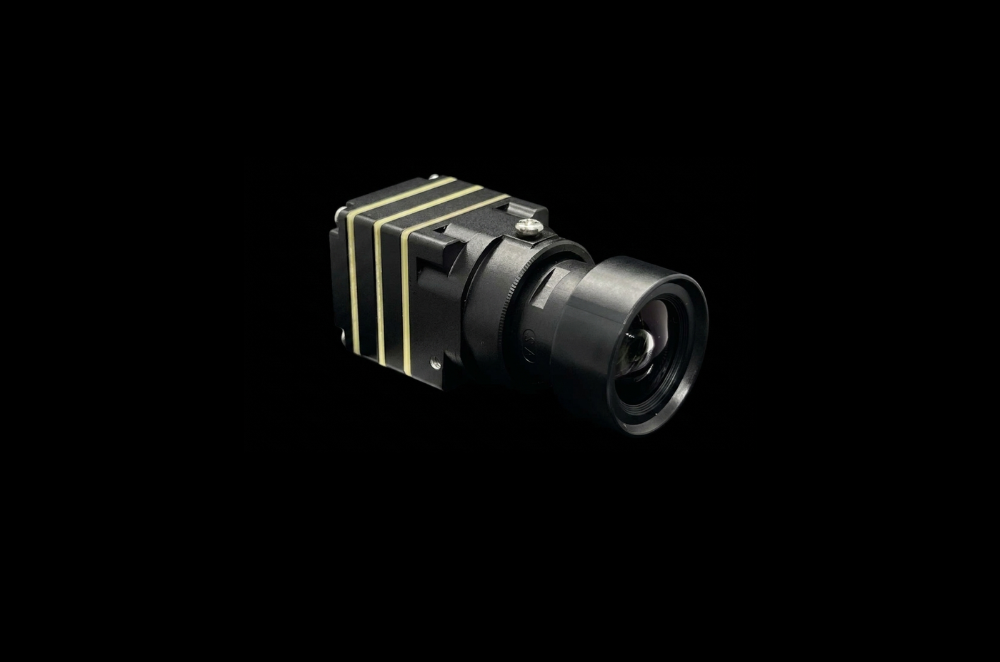
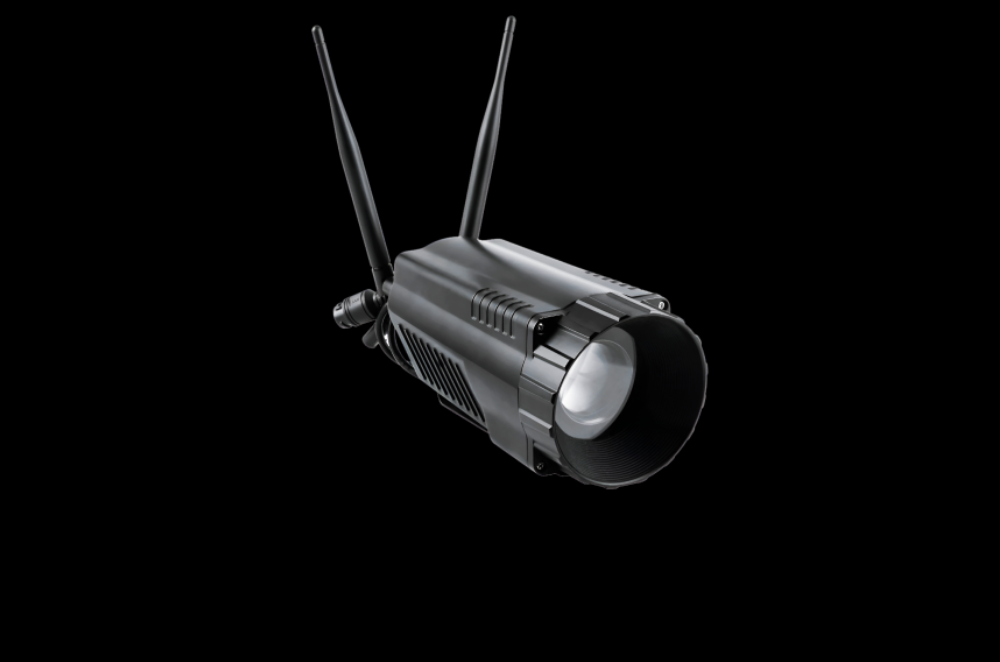
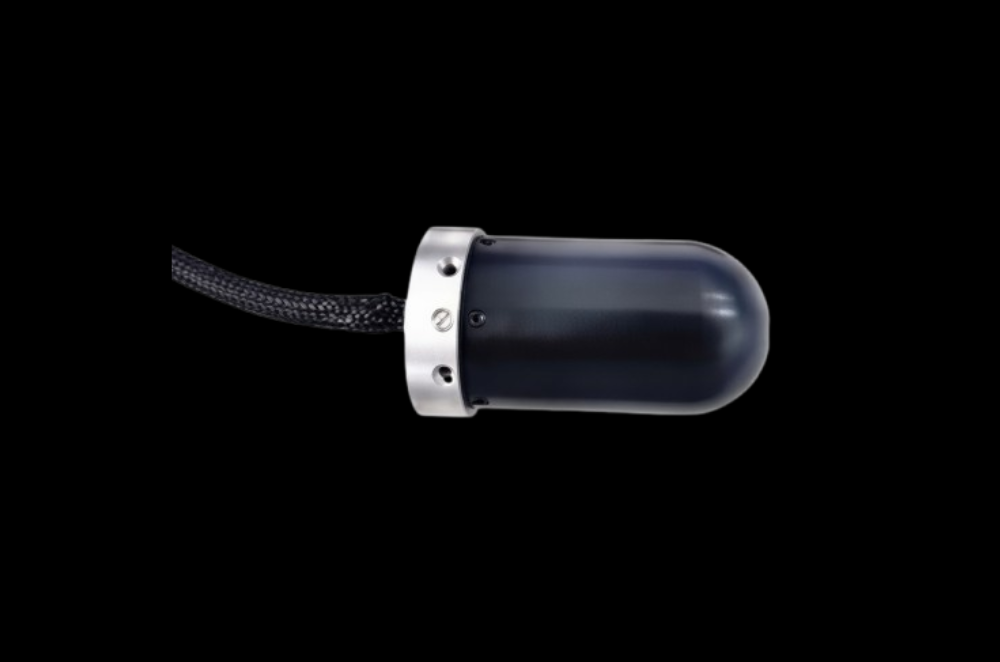
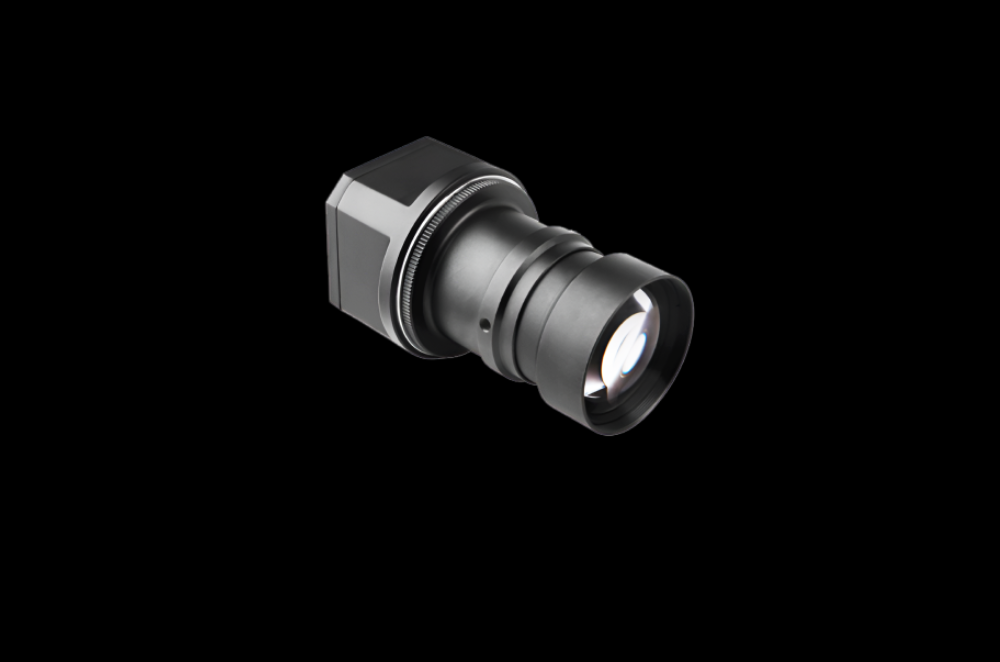
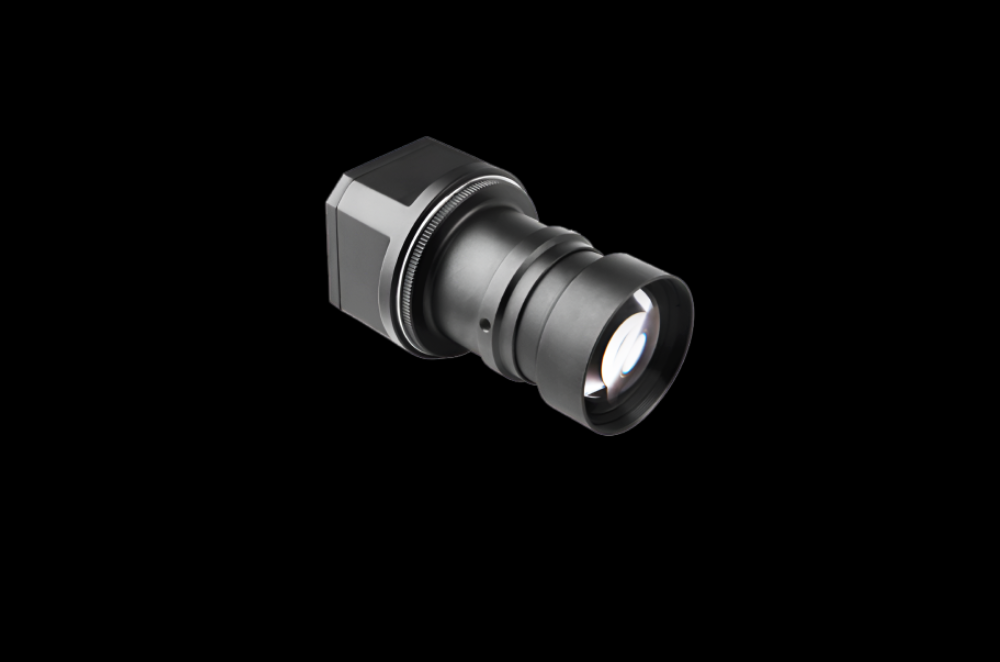
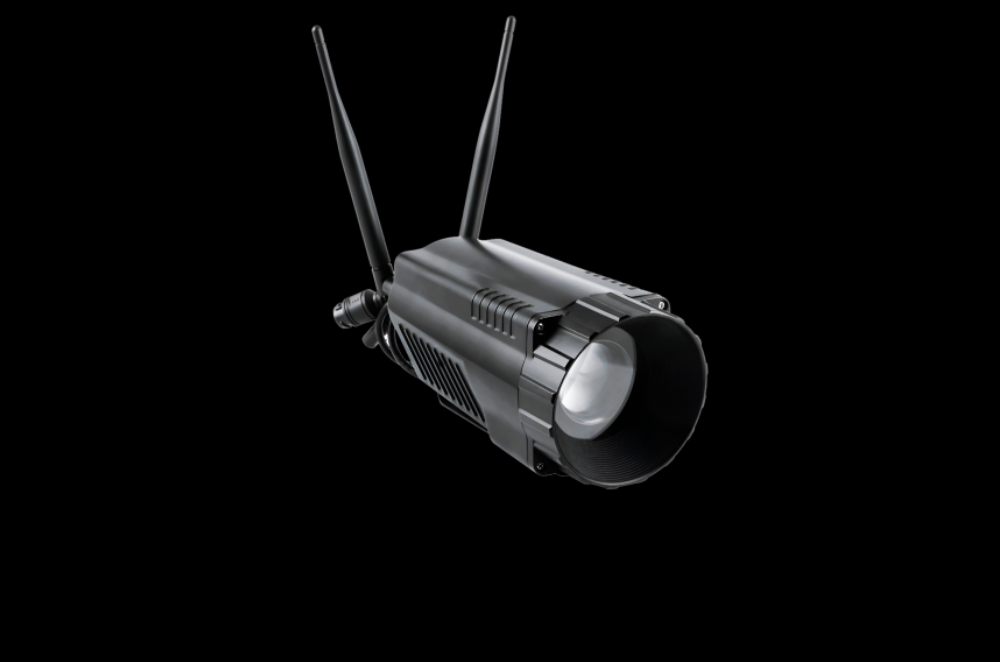
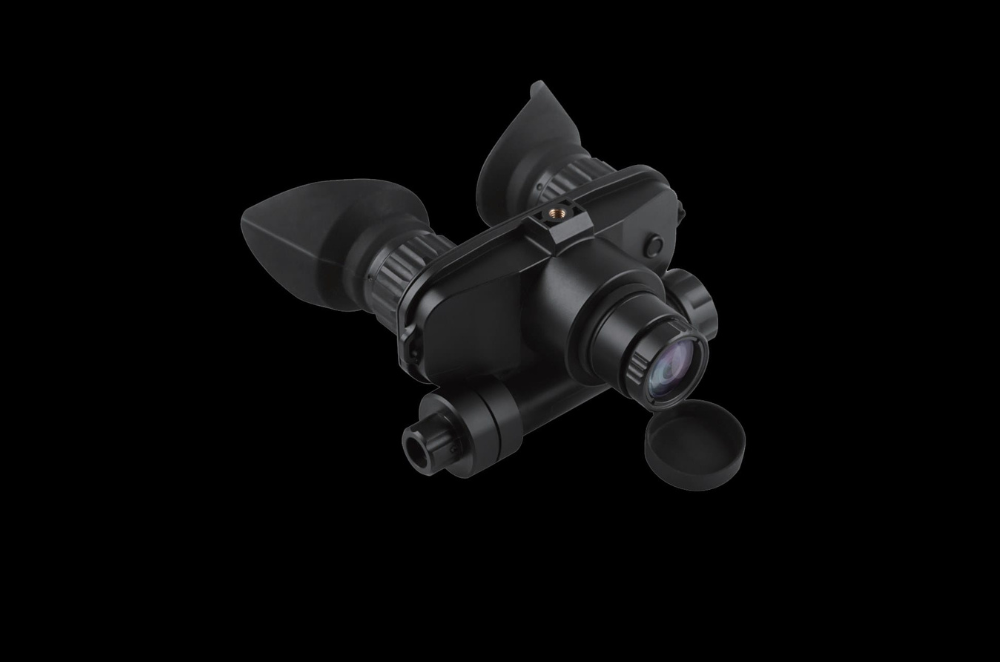
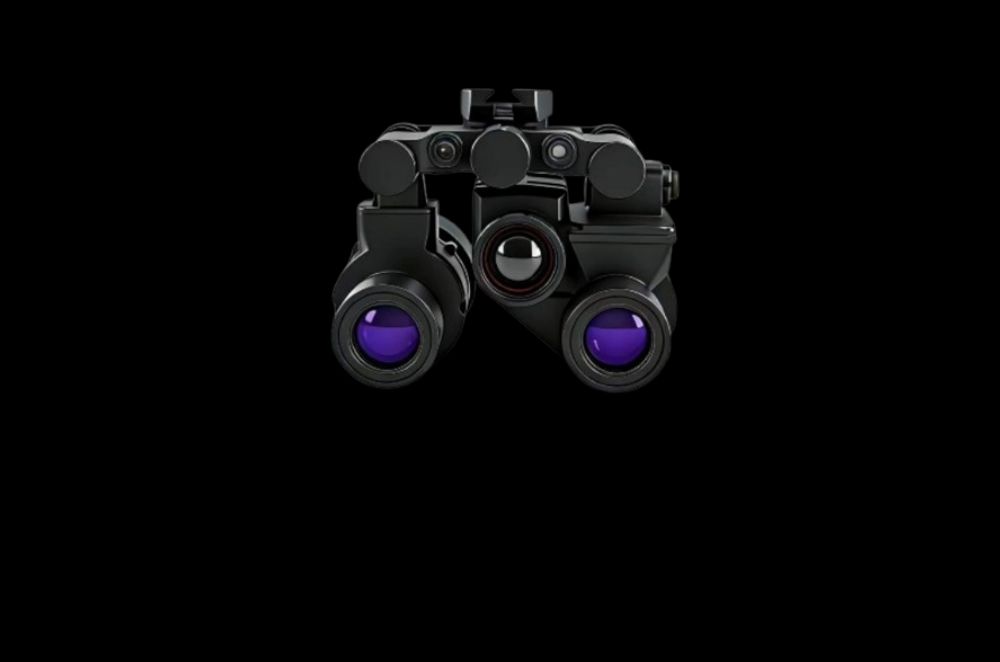
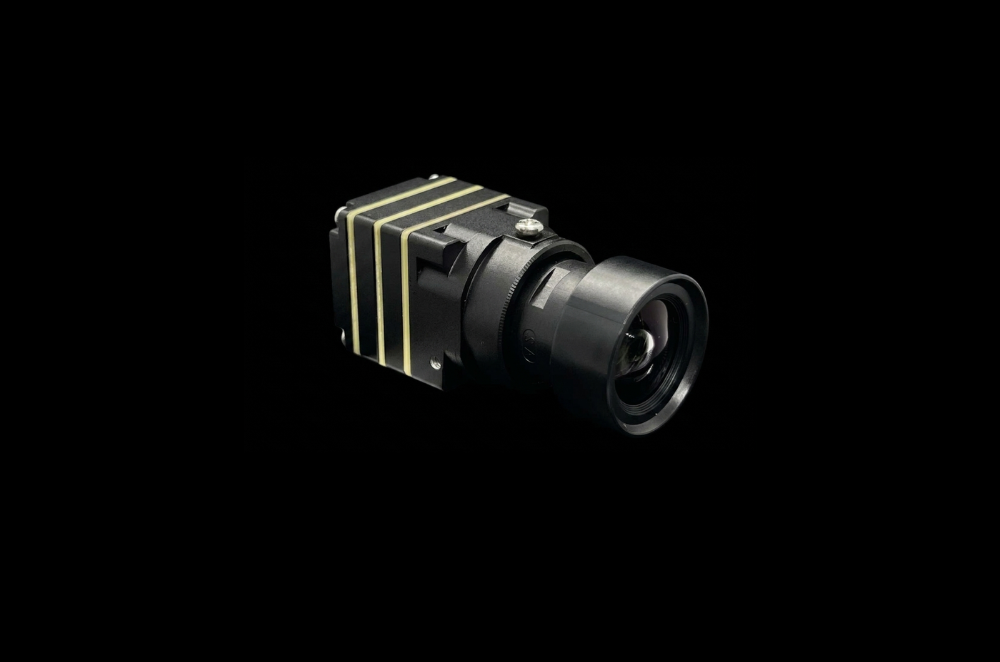
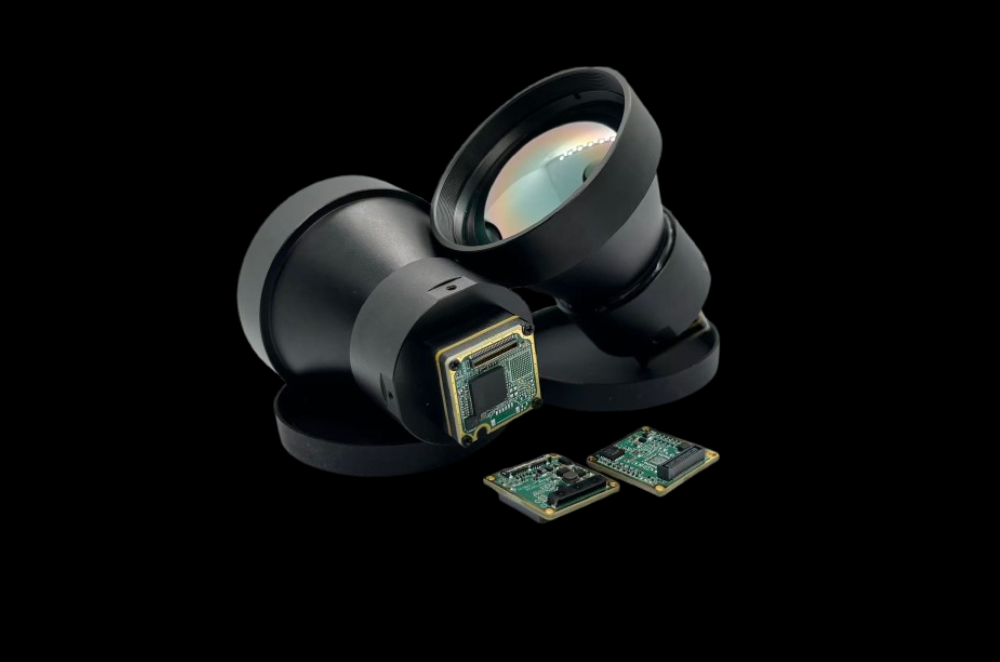
Star-Navi announces adoption of the XHC1604 USB series, XHC1604SU16C-OW Overwatch module, and XHC1904C-MIPI colour camera across new border and law enforcement UAV surveillance programmes in April 2026.
HONG KONG, China, 10 April 2026 — Star-Navi (NDL) announced the operational adoption of two additional XHC1 Series camera platforms by border security and law enforcement drone programmes, expanding the family's active deployment base to include the XHC1604U07C, XHC1604U12C, XHC1604SU16C-OW Overwatch module, and XHC1904C-MIPI long-range colour UAV camera. The expansion follows the operational success of the XHC1602 Series reported in January 2026 and marks the broadening of the XHC1 family's operational footprint from low-light ISR into full-HD colour day-and-night surveillance from both fixed elevated positions and airborne platforms.
New Platforms and Capability Areas
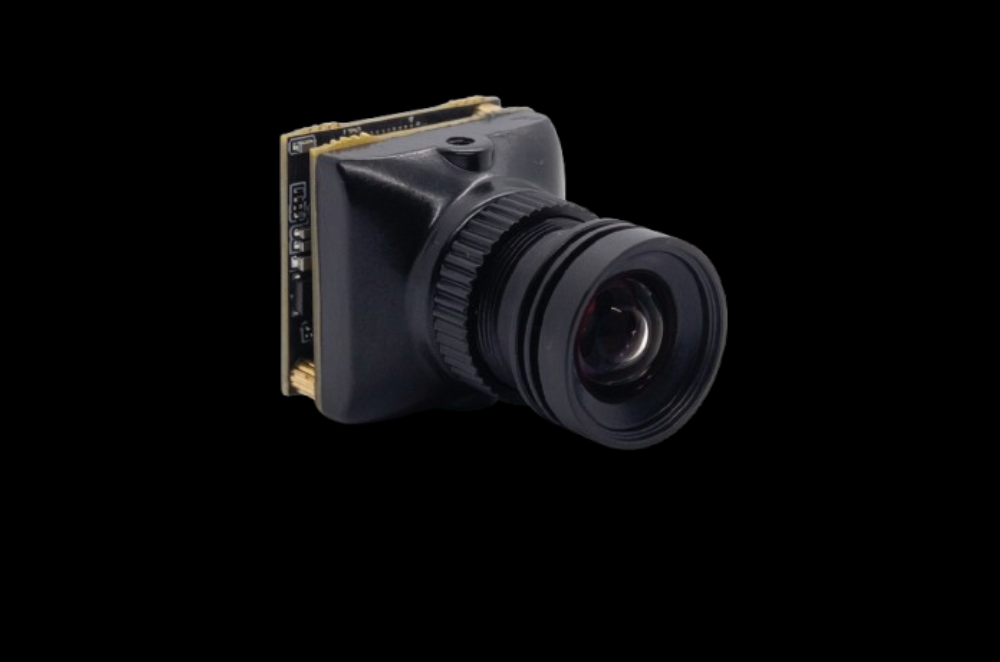
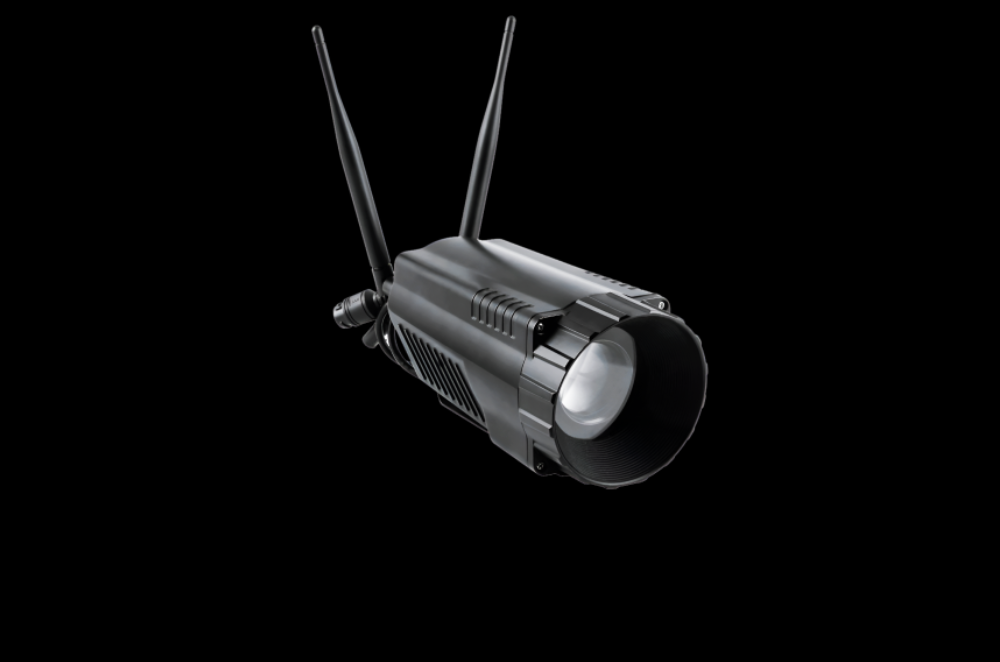
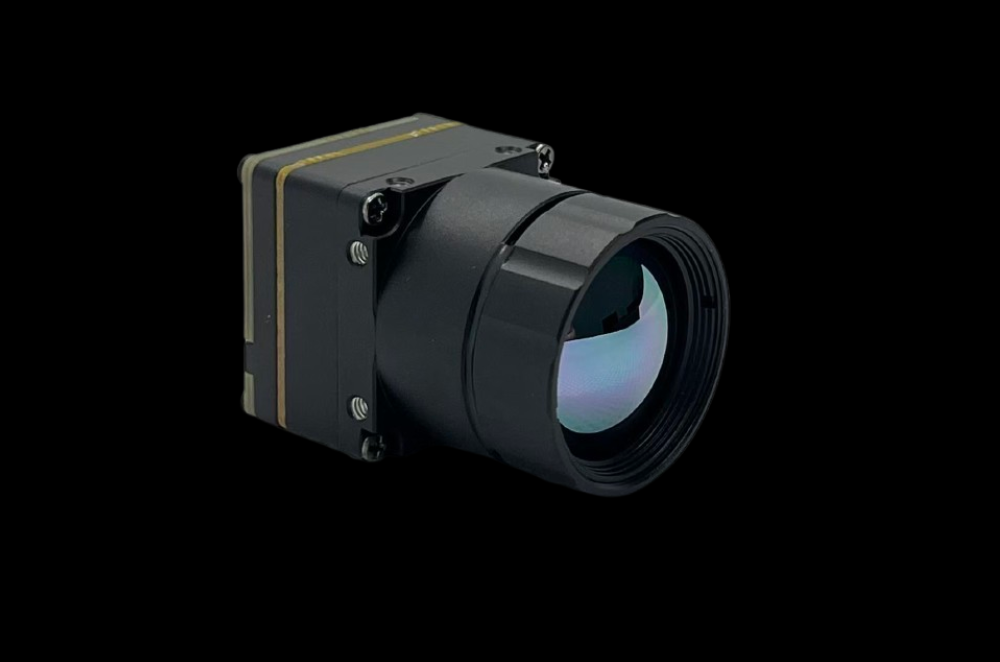
The XHC1604 USB series introduces Full HD 1920 × 1080 resolution at 0.001 lux starlight colour sensitivity across 7 mm, 12 mm, and 16 mm focal length variants, extending the family's coverage from monochrome low-light ISR into colour day-and-night surveillance at ranges from 980 m on the XHC1604U07C to 2260 m on the XHC1604SU16C-OW Overwatch module. The Overwatch variant, rated at 2560 × 1440 resolution, has been adopted for elevated border tower installations where identification-class imagery at extended range across a wide ground sector is the primary operational requirement, and where USB 3.0 Super Speed connectivity allows integration into existing tower compute infrastructure without hardware changes.
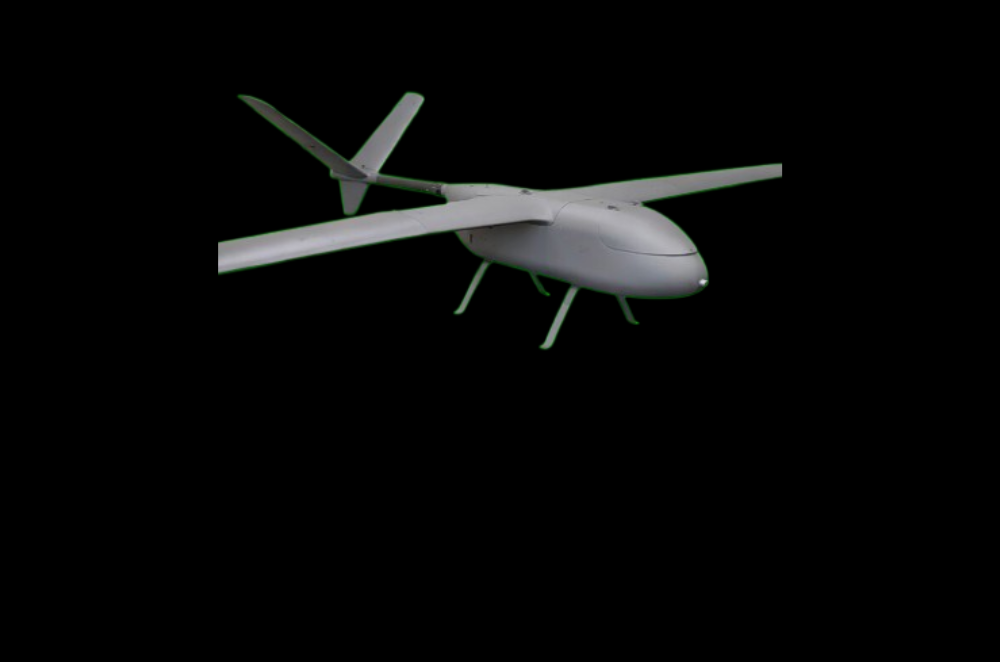
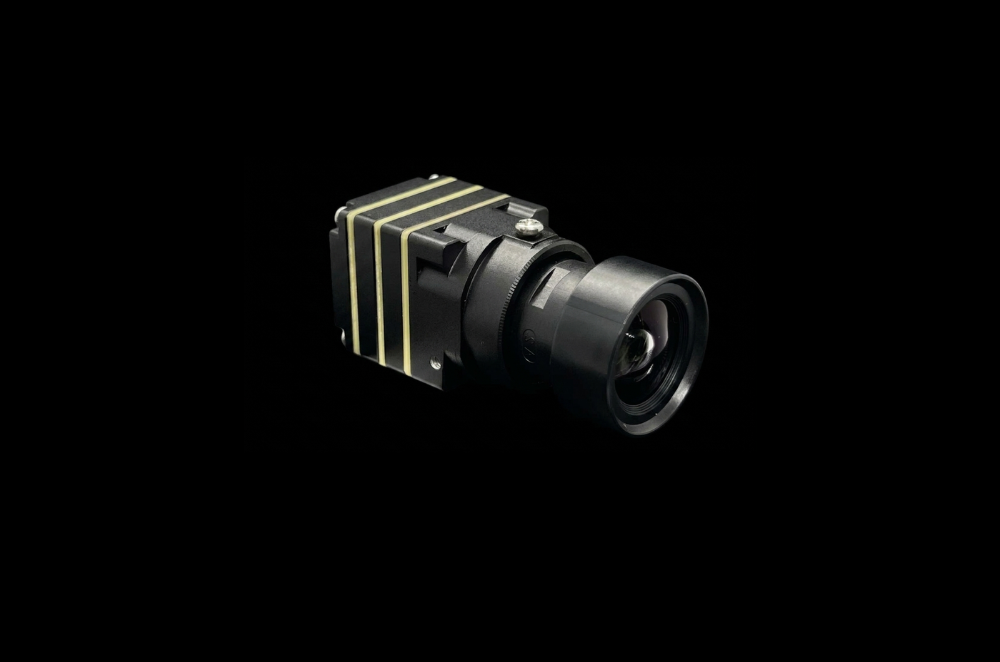
The XHC1904C-MIPI, a Full HD 24/7 colour MIPI camera module delivering 0.0005 lux sensitivity at 900 m person detection range, has entered service on long-endurance fixed-wing UAV platforms assigned to day-and-night border corridor reconnaissance, replacing a dual-sensor payload architecture that previously required separate day and night cameras to cover the full operational cycle. The single-sensor 24/7 approach eliminates the coverage gap at dawn and dusk that dual-sensor architectures introduce during sensor mode transitions, a problem that had been identified as a recurring operational vulnerability in the previous payload configuration.
Programme Growth and Family Standardisation
The adoption of four additional XHC1 Series variants across two new programme types reflects a procurement trend toward standardising on a single sensor family across all camera positions in an ISR or surveillance programme, rather than sourcing different sensor brands for each focal length and resolution requirement. Star-Navi's approach of providing consistent USB and MIPI interface options across focal length variants within the XHC1 family allows programme offices to maintain a single driver integration and a single support relationship while covering detection ranges from 660 m to 2260 m across different platform and mission types.
Executive Statement
"The expansion into the XHC1604 and XHC1904C platforms in the same quarter validates the family architecture we built around common interfaces and consistent optical quality," said the Vice President of Business Development at Star-Navi. "Programmes that started with the XHC1602 Series for covert low-light ISR have come back to us for the colour day-and-night variants as their operational requirements have expanded. That retention is the result of making family standardisation genuinely practical at the logistics and software level, not just at the marketing level."
Further XHC1 Series programme adoptions are anticipated in the second half of 2026 as procurement cycles initiated following January's operational confirmation reach contract award stage.