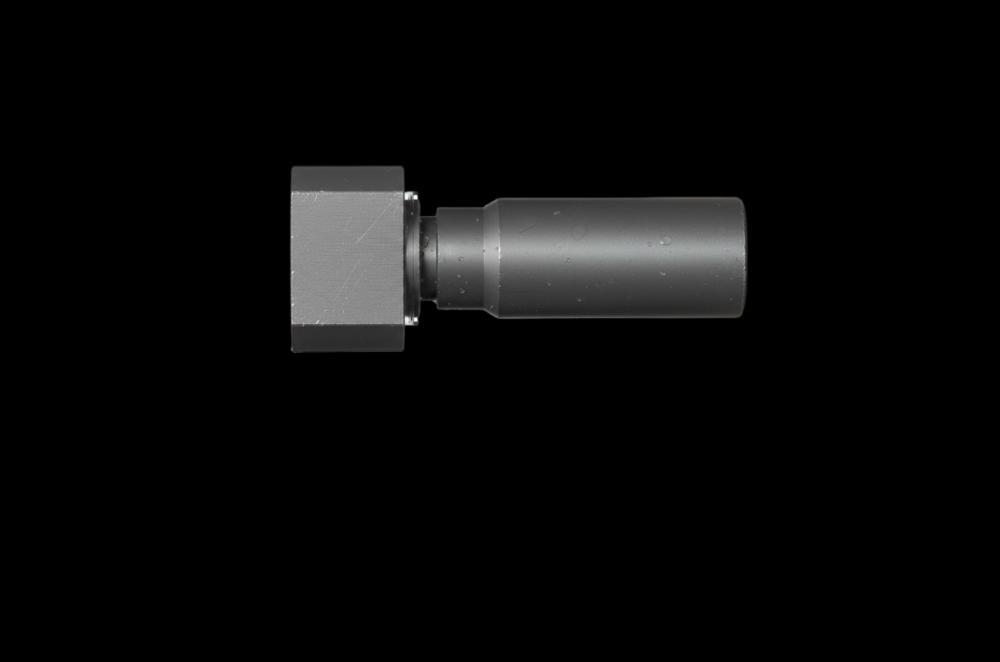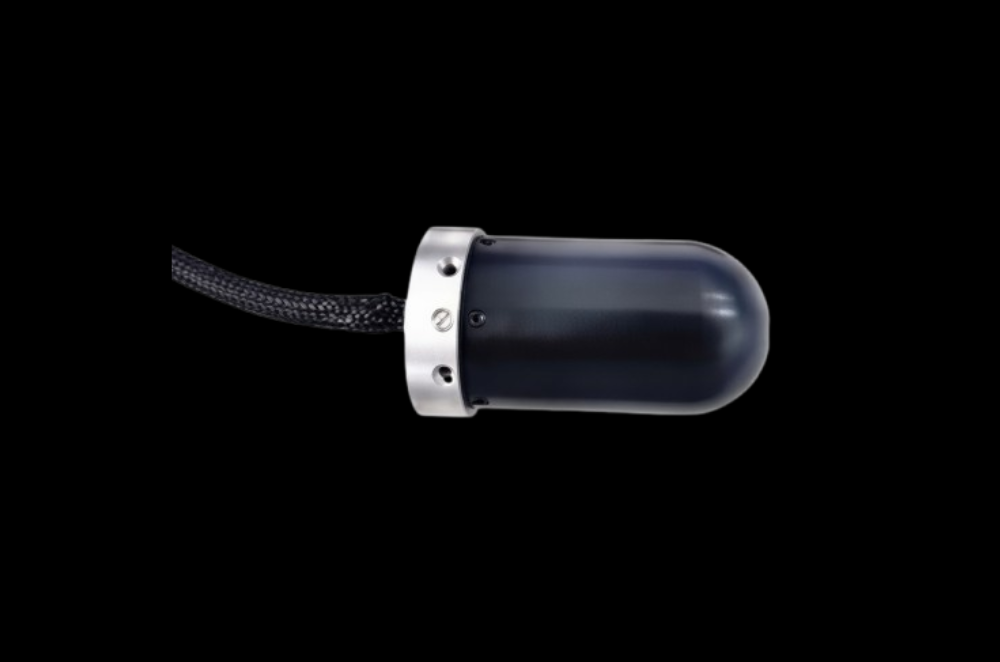
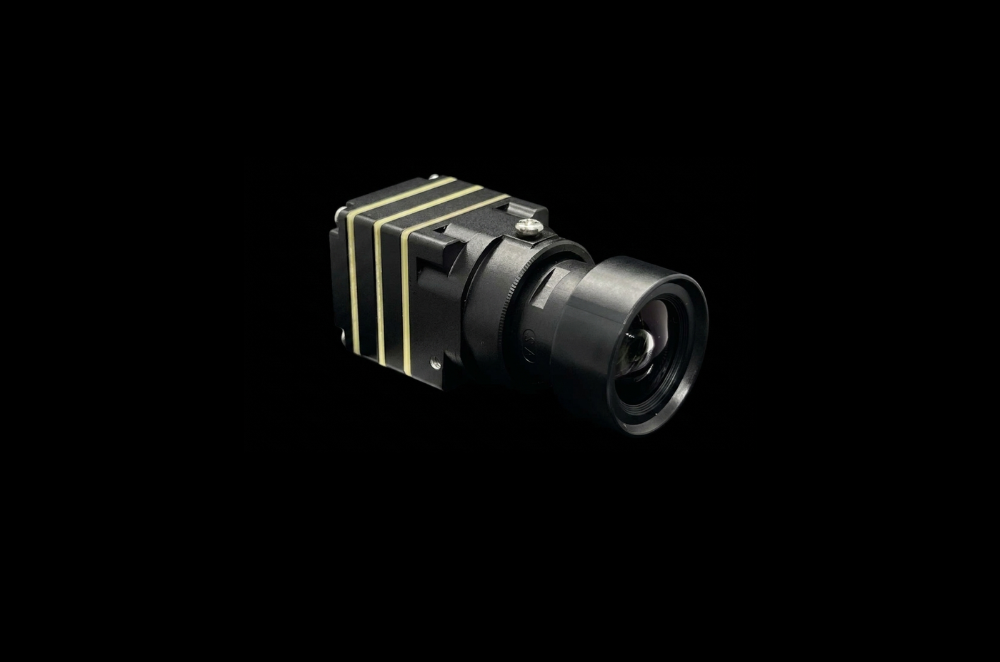
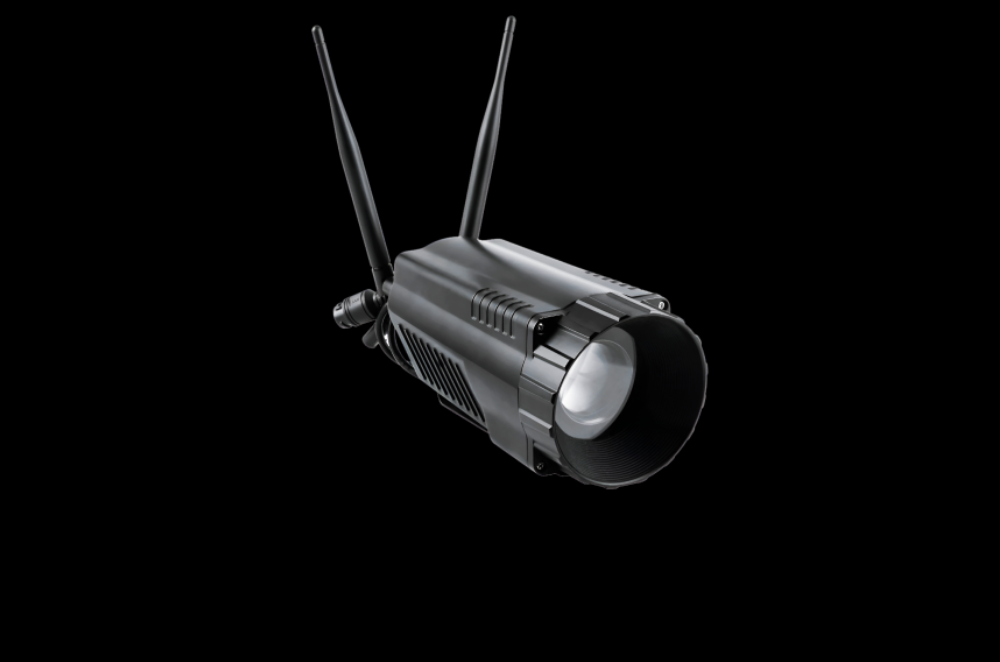
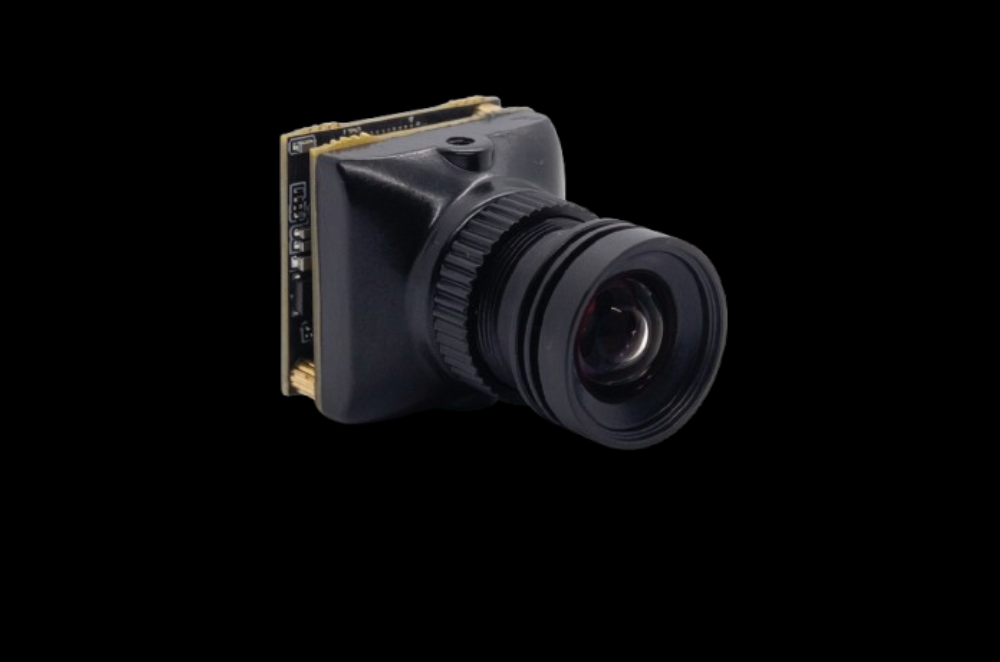
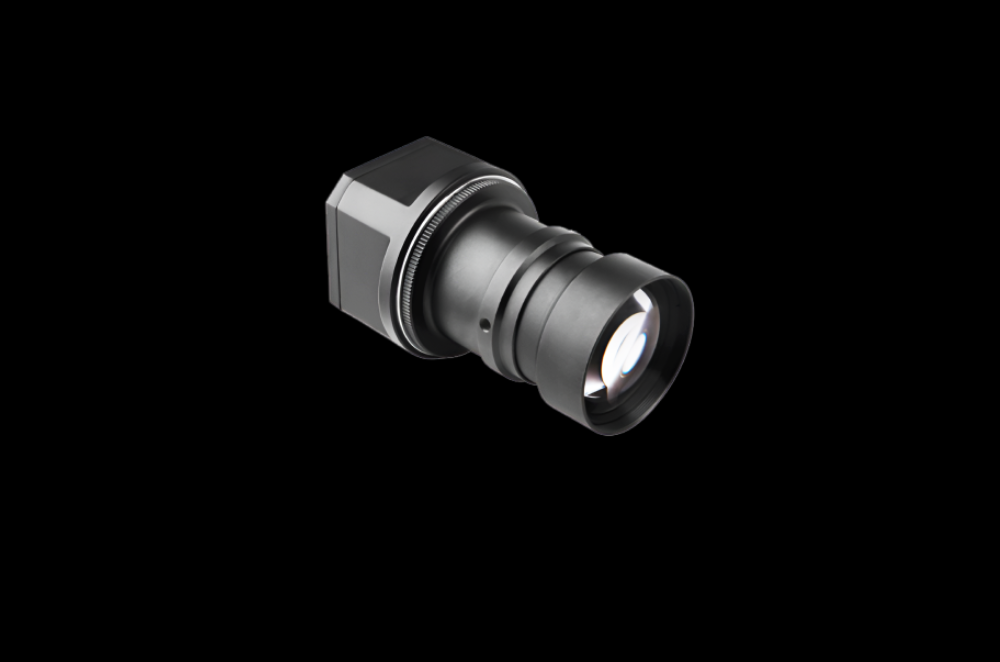
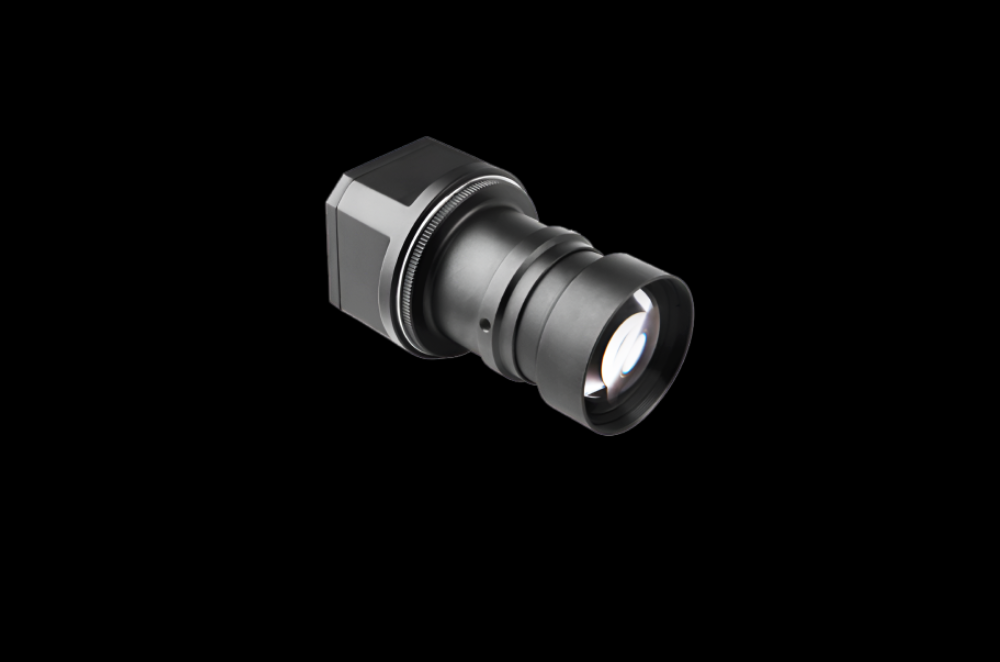
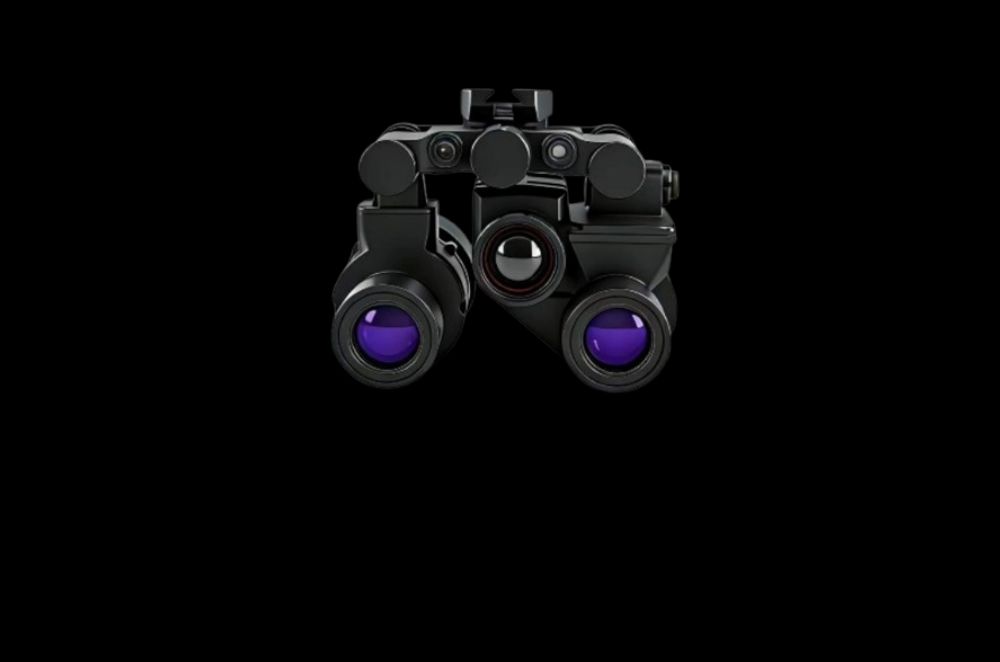
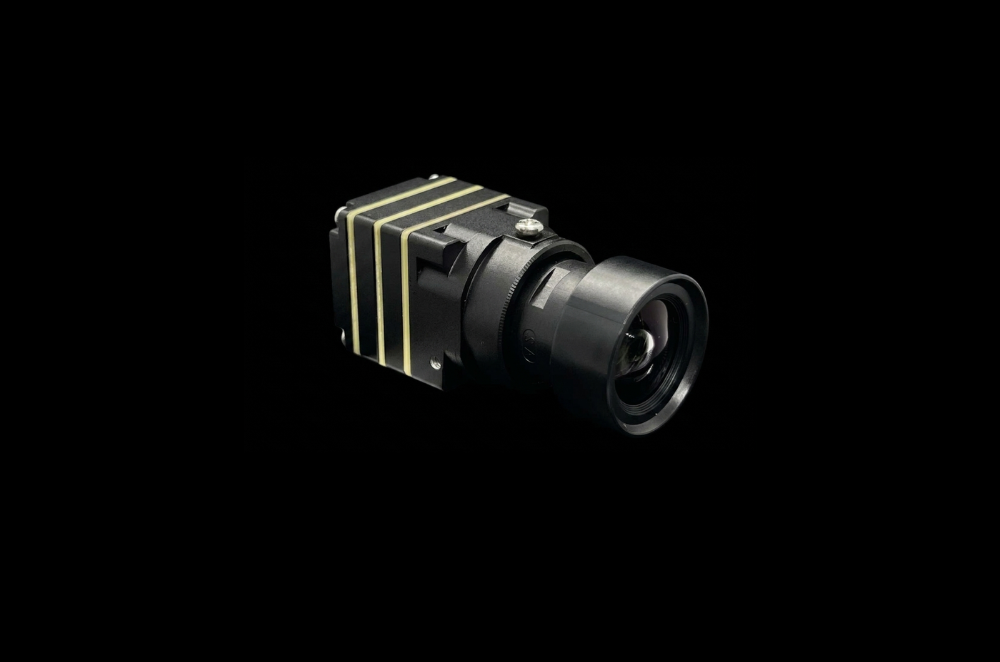
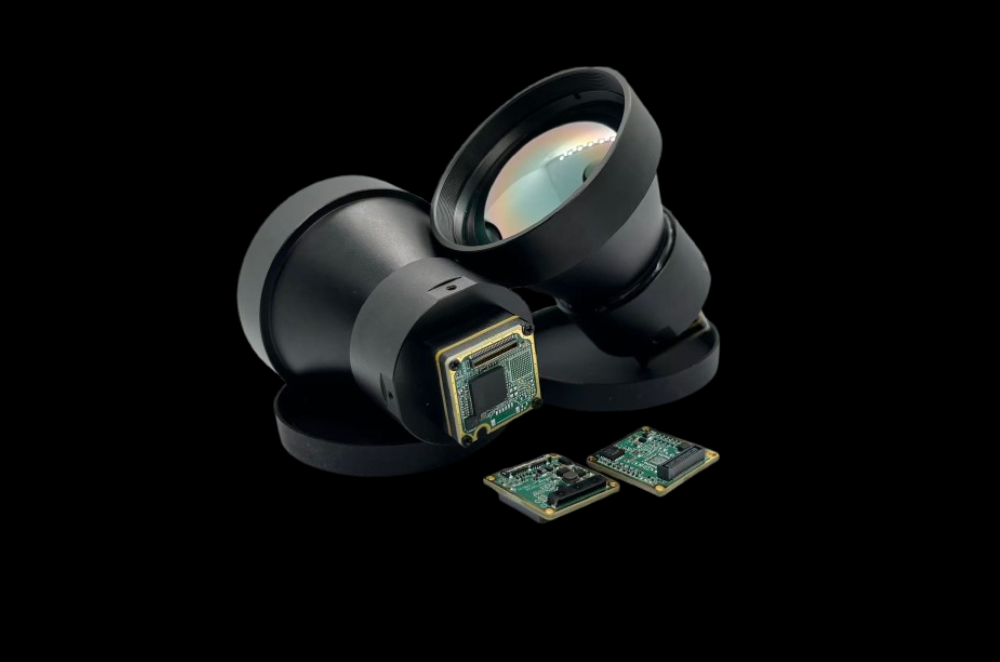
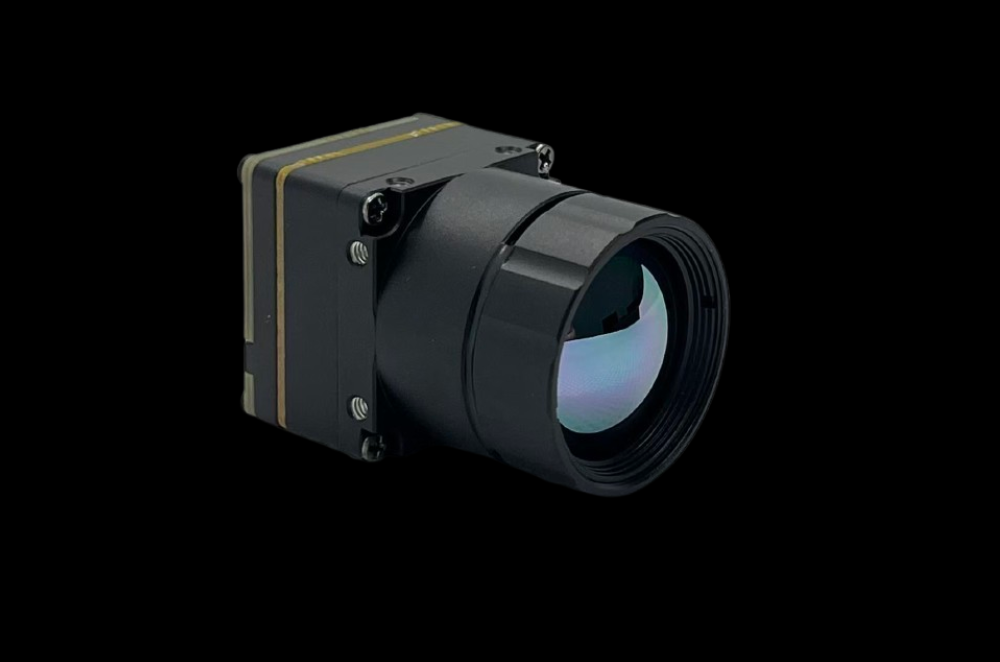
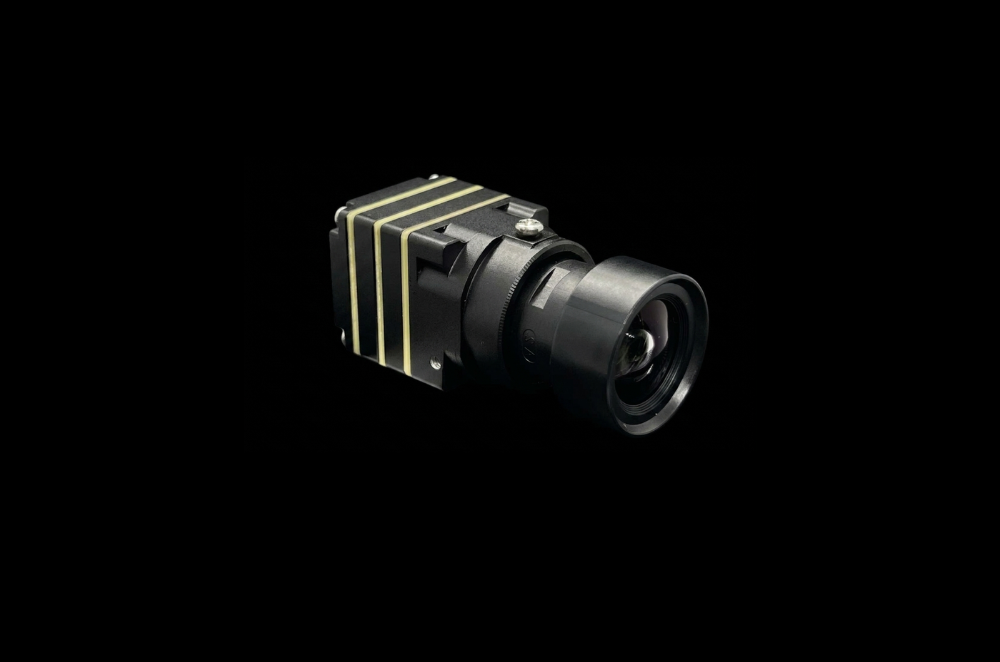
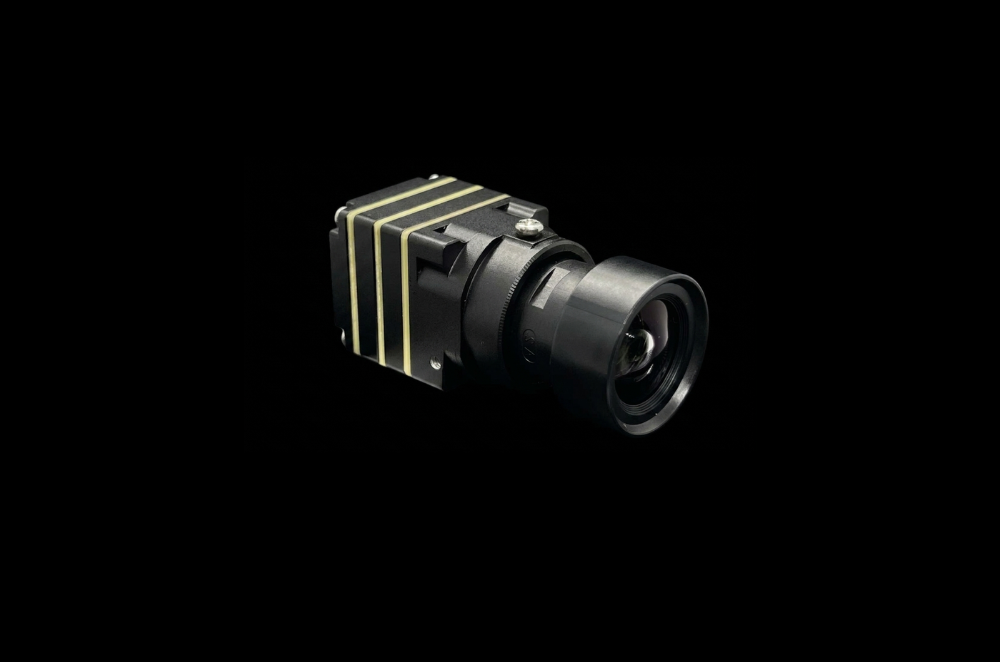
The XHC1602-L20U816 achieves 1320 m person detection at 0.0004 lux starlight sensitivity via a telephoto 8 mm lens and USB 3.0, targeting maritime ISR and coastal border drone programs.
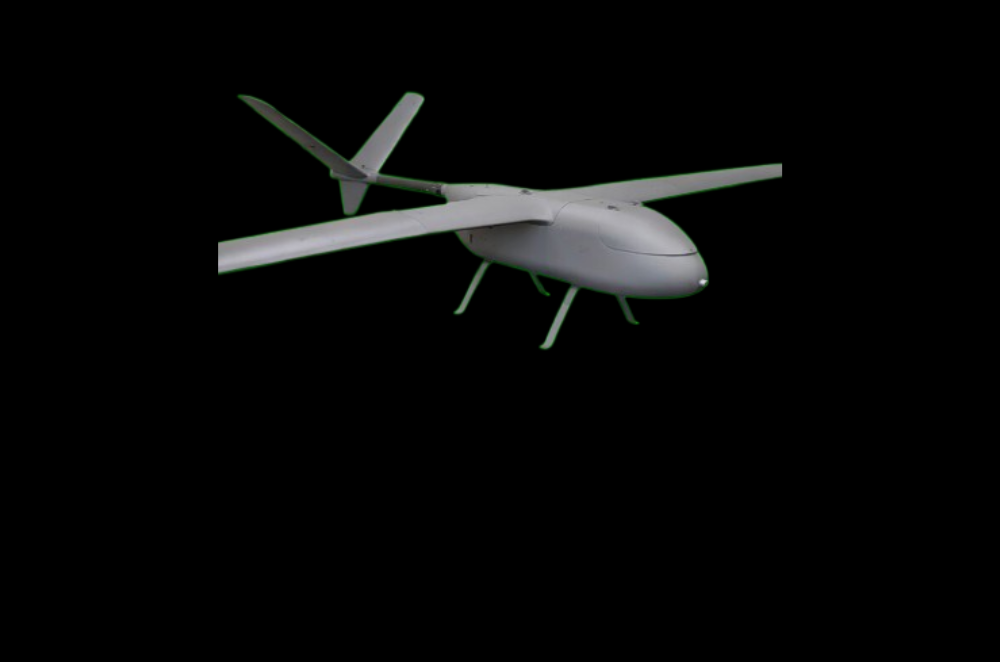
Coastal enforcement and maritime border surveillance programs operating from airborne platforms face a sensor challenge that fixed-mast tower systems cannot fully address: the patrol altitude and standoff geometry required to avoid alerting vessels under observation demand person recognition at ranges that push beyond 1000 m. Thermal sensors satisfy that range requirement but introduce export licensing complexity, additional power draw, and per-unit cost that programme offices are increasingly reluctant to accept on expendable or semi-expendable drone platforms. Electro-optical alternatives in the USB camera class have historically fallen short of the required range with lenses below 8 mm, leaving a coverage gap in the 1000 to 1500 m band.
Extended-Range Passive Starlight Imaging Over USB
The XHC1602-L20U816 closes that band with an 8 mm F1.0 telephoto lens on a BSI CMOS sensor rated to 0.0004 lux minimum illumination in monochrome mode, communicating via USB 3.0 with standard UVC drivers. Person detection is rated to 1320 m, with a horizontal field of view of approximately 48° at 1280 × 1024 resolution, providing the angular geometry needed for identification-class imaging at standoff ranges required for vessel boarding approach surveillance and shoreline perimeter watch. At ≤ 28 g and 1.2 W, the module operates within the payload envelope of reconnaissance drones assigned to maritime border patrol without affecting fuel endurance or flight dynamics.
Maritime ISR Platform Integration
USB 3.0 compatibility with NVIDIA Jetson and similar embedded compute modules allows the XHC1602-L20U816 to integrate into existing maritime ISR drone payloads without custom driver development or board-level redesign. UART ISP control provides gain and exposure adjustment suited to the wide brightness range encountered in coastal environments, from pre-dawn darkness above open water to reflected-light conditions near harbour installations. Multi-frame rate options from 15 to 90 fps allow mission planners to configure the sensor for smooth vessel tracking at lower altitudes or for maximum sensitivity in starlight-only overwater operations where platform speed is reduced.
Operational Outlook for Long-Range EO Drone Sensors
Maritime border enforcement agencies that have evaluated passive 8 mm EO sensors against thermal alternatives at the 1000 to 1300 m range band report that the absence of export control complexity and the lower per-unit cost make COTS electro-optical modules a viable primary sensor for platforms that may operate in contested or diplomatically sensitive airspace. The XHC1602-L20U816 is positioned to serve that procurement requirement across coastal surveillance programs in regions where thermal sensor procurement timelines and regulatory overhead have historically delayed operational deployment by twelve months or more.