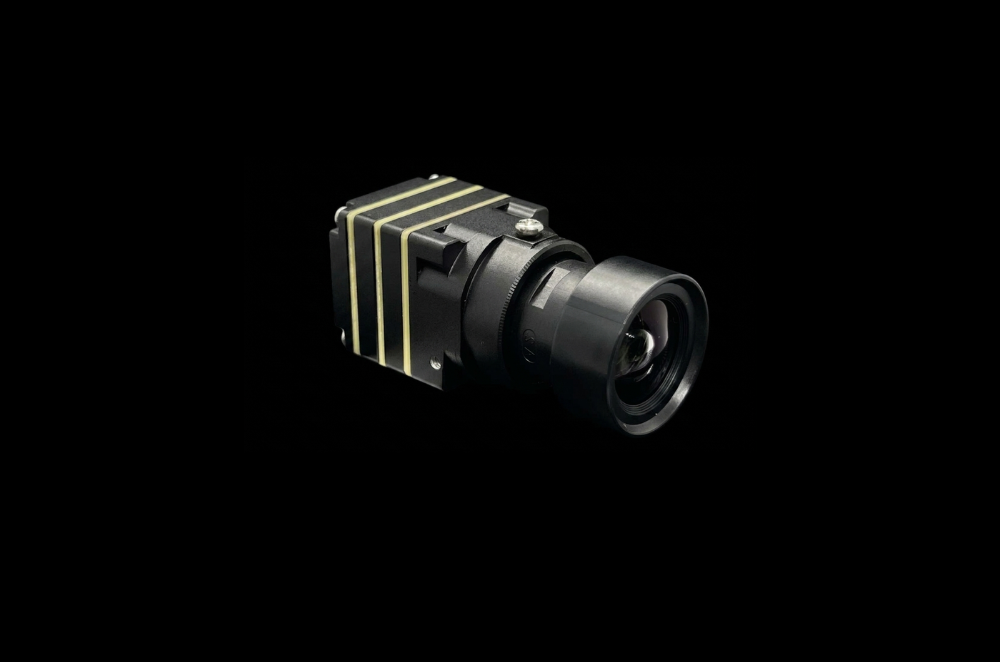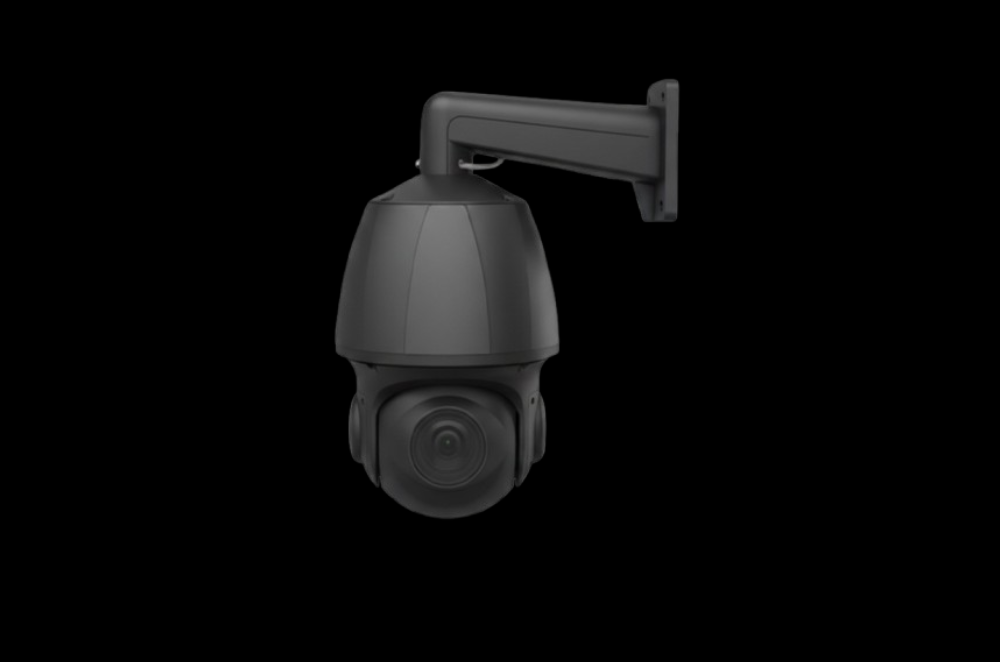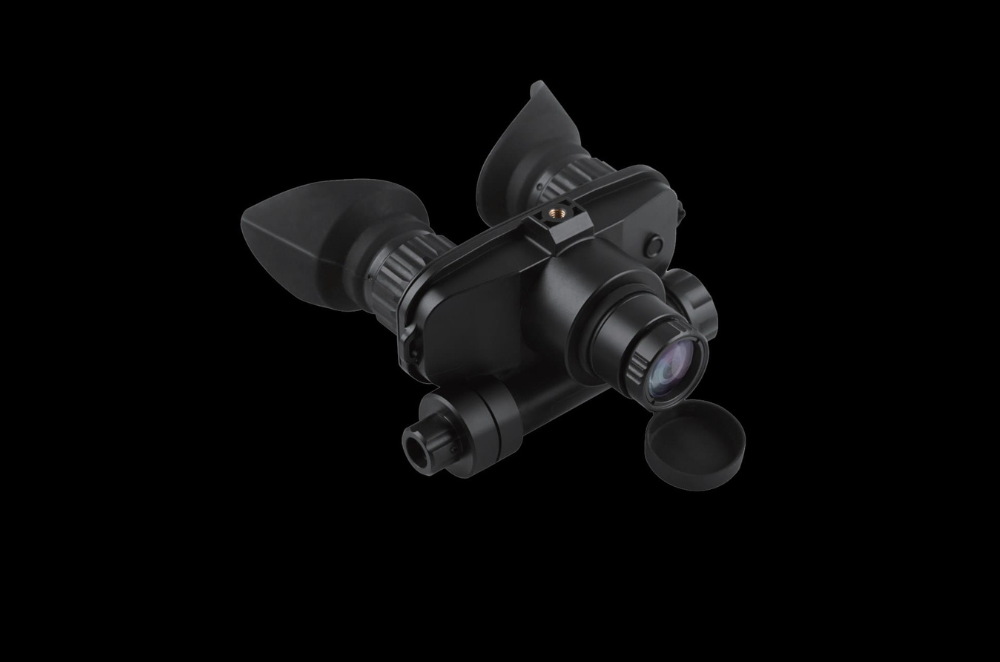
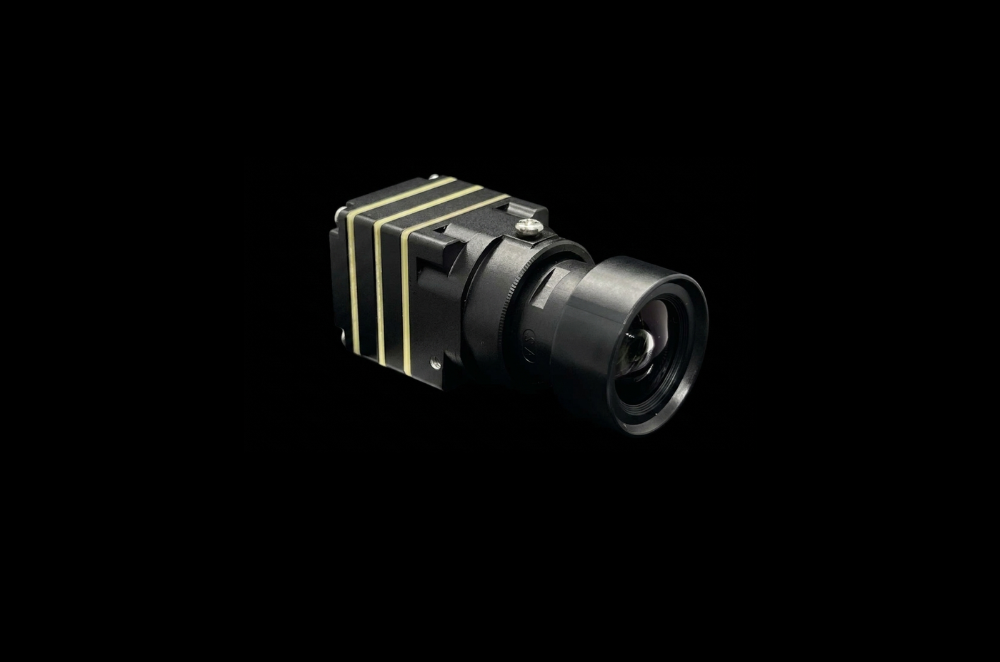
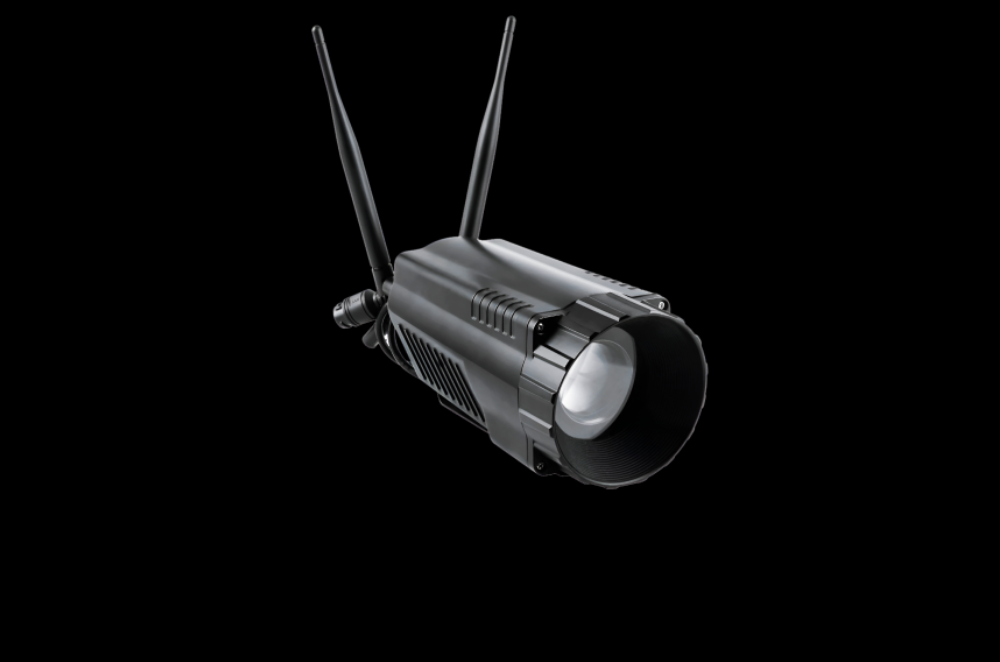
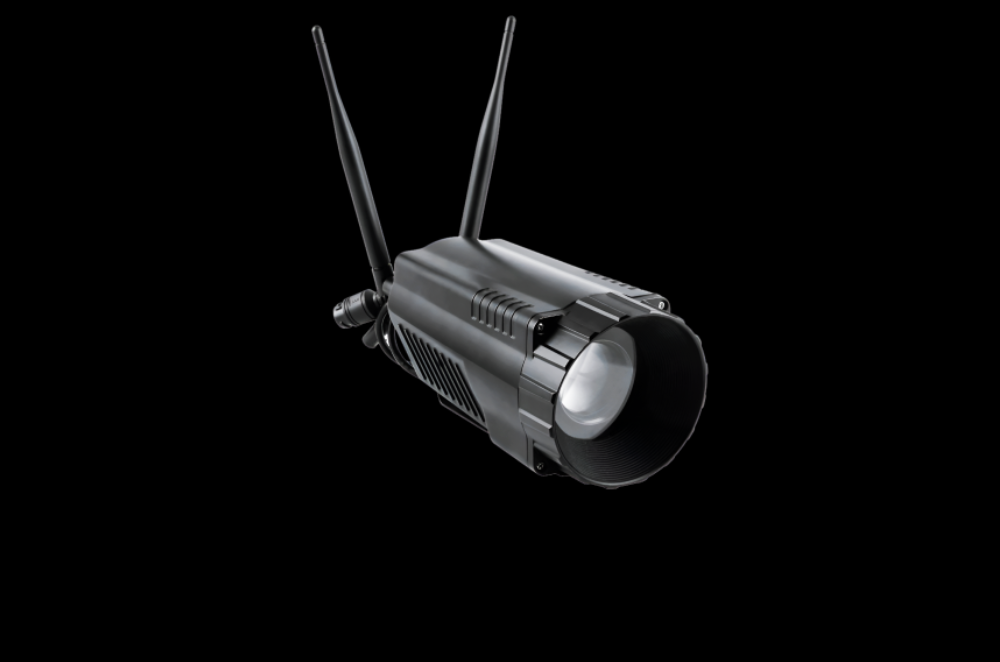
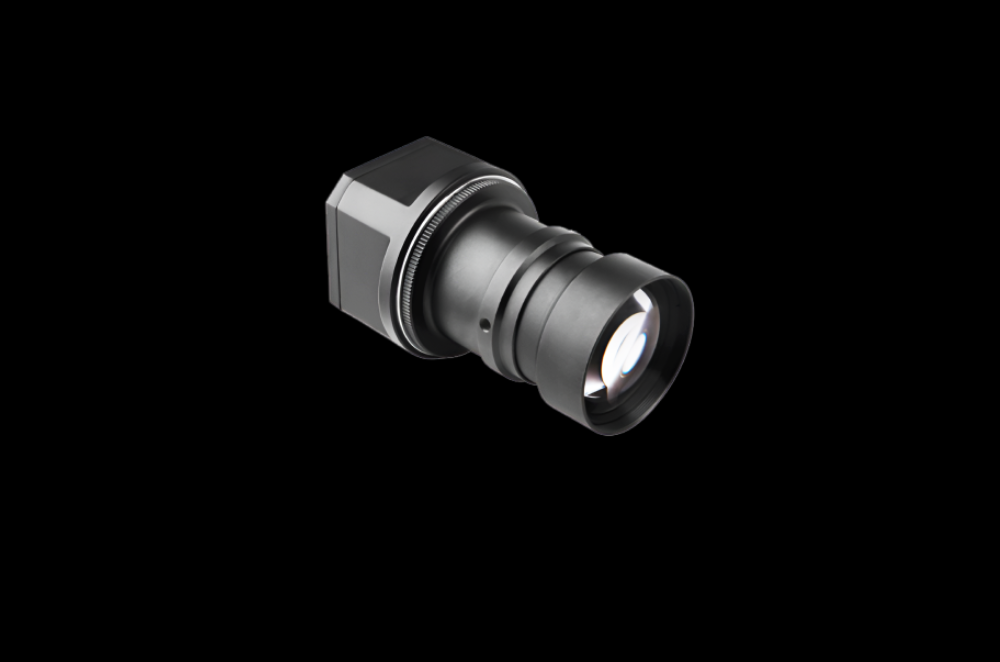
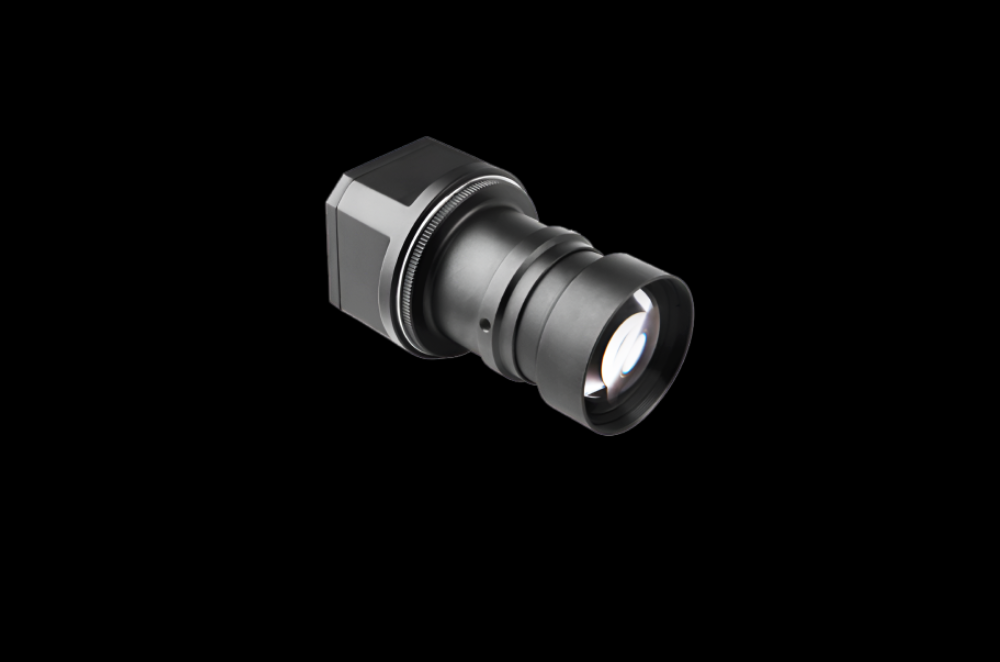
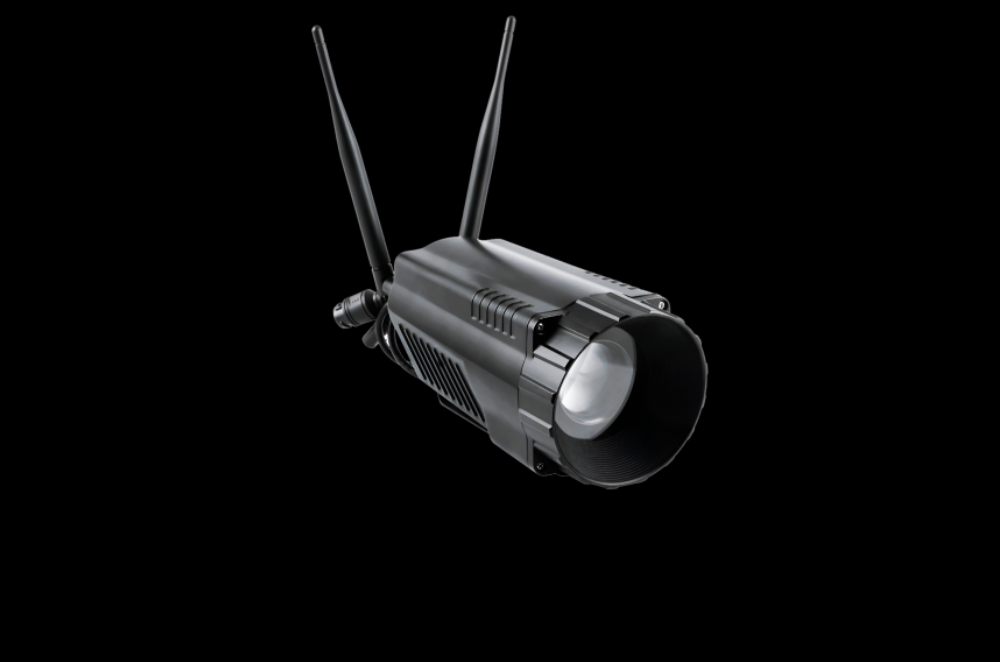
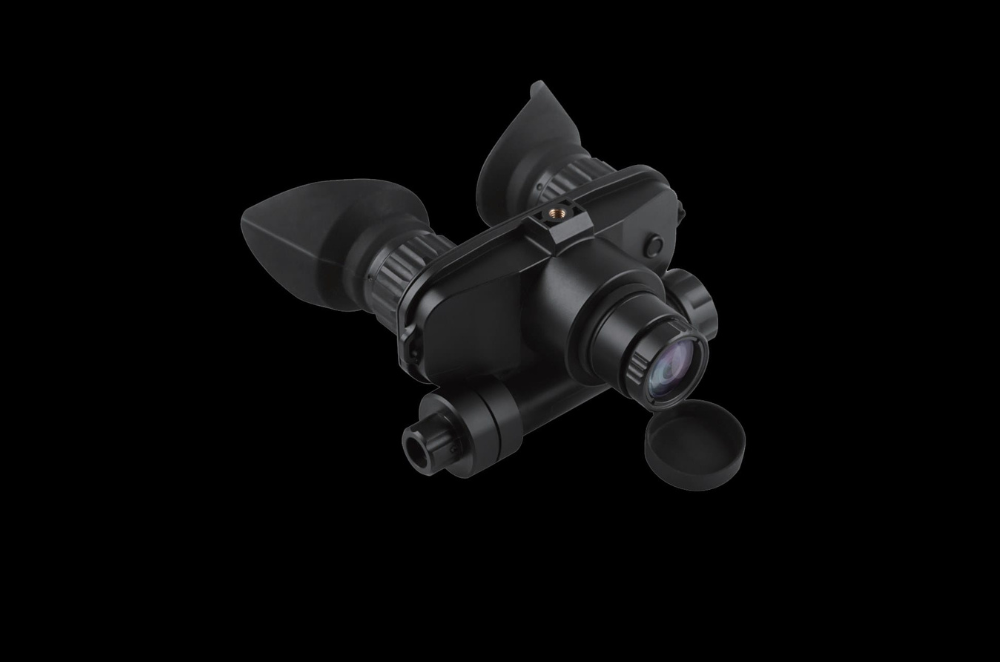
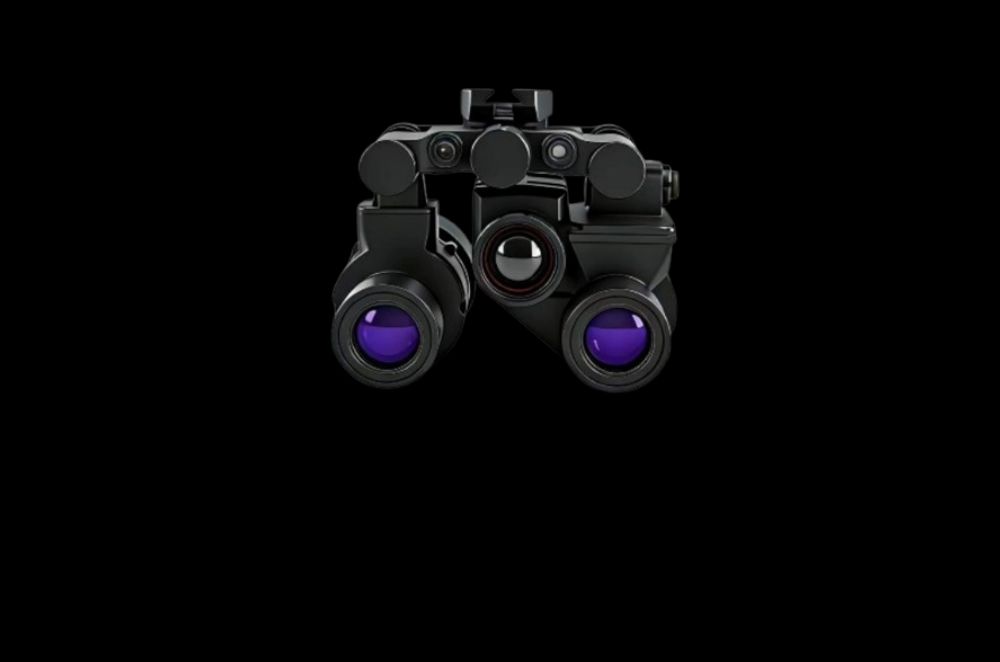
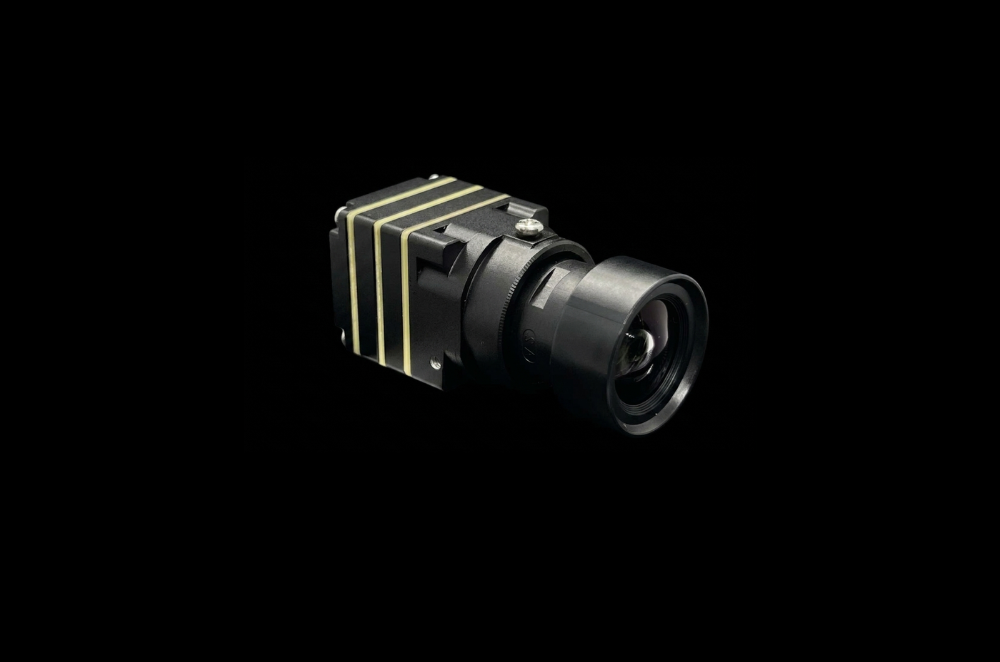
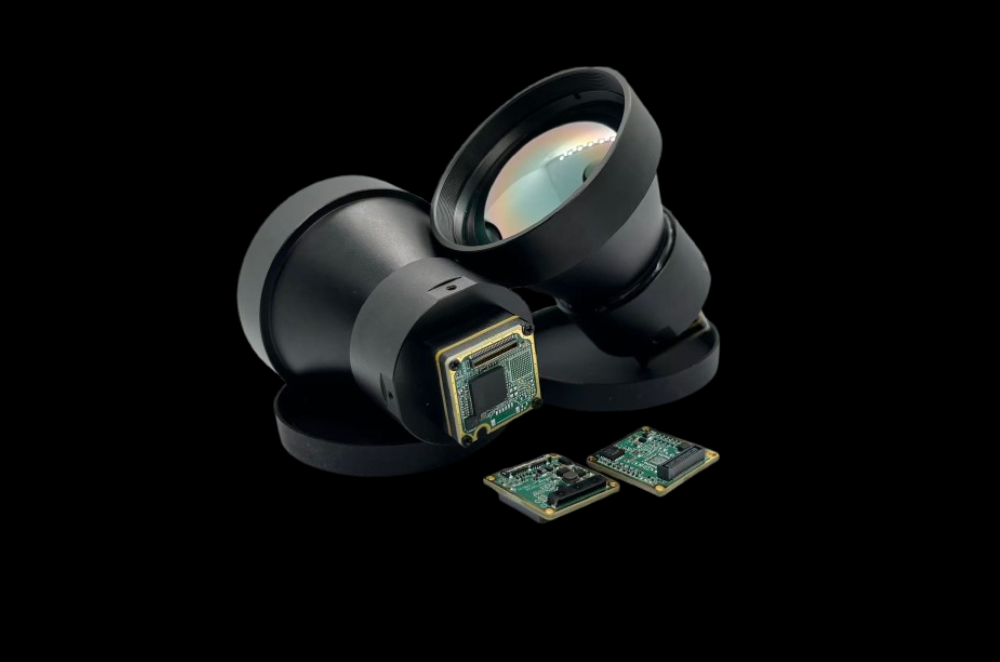
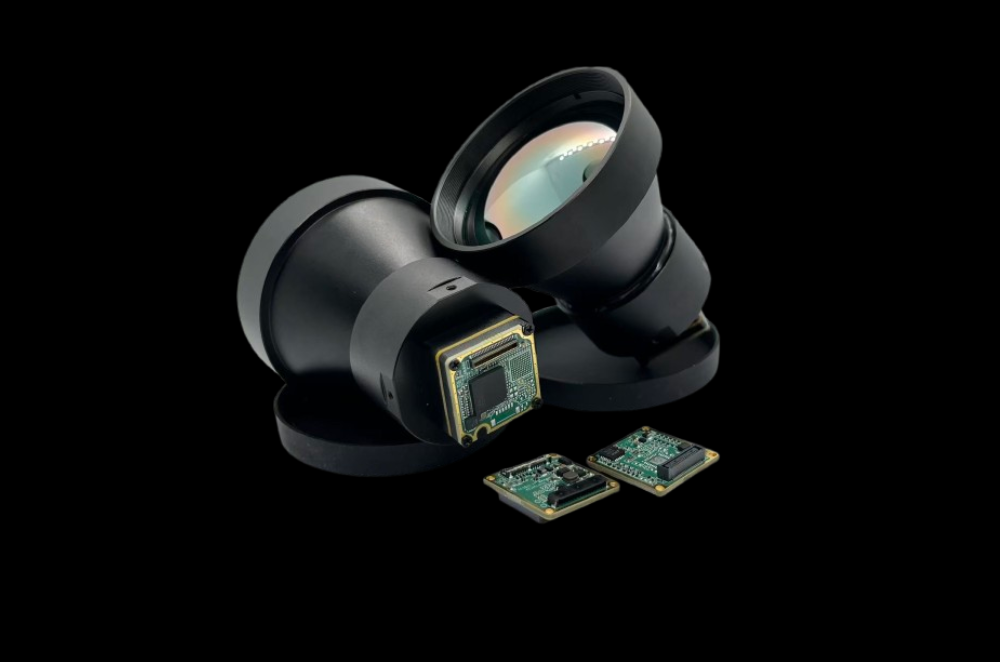
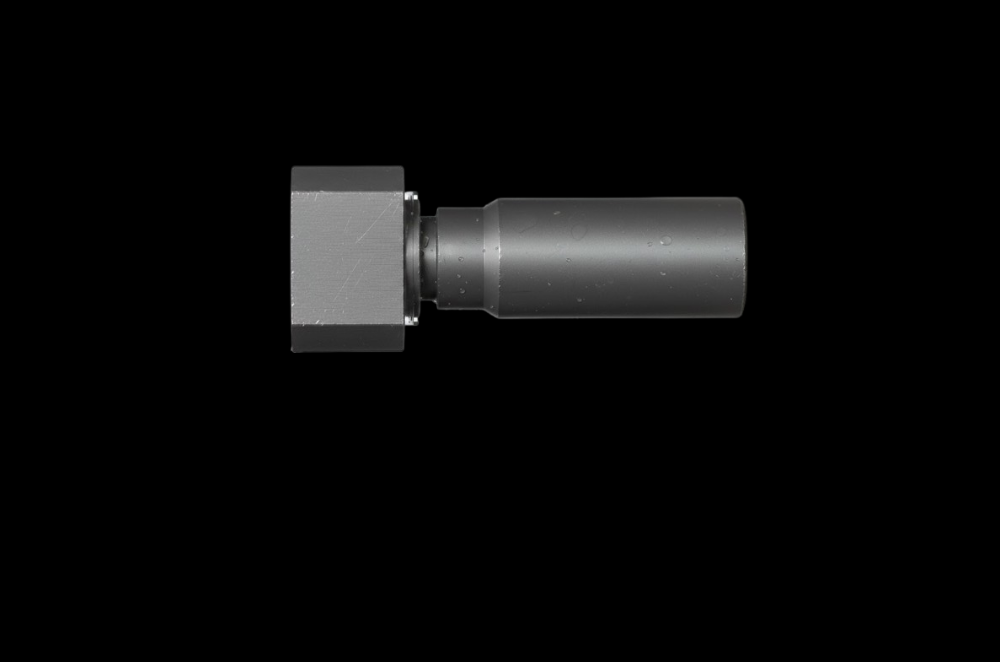
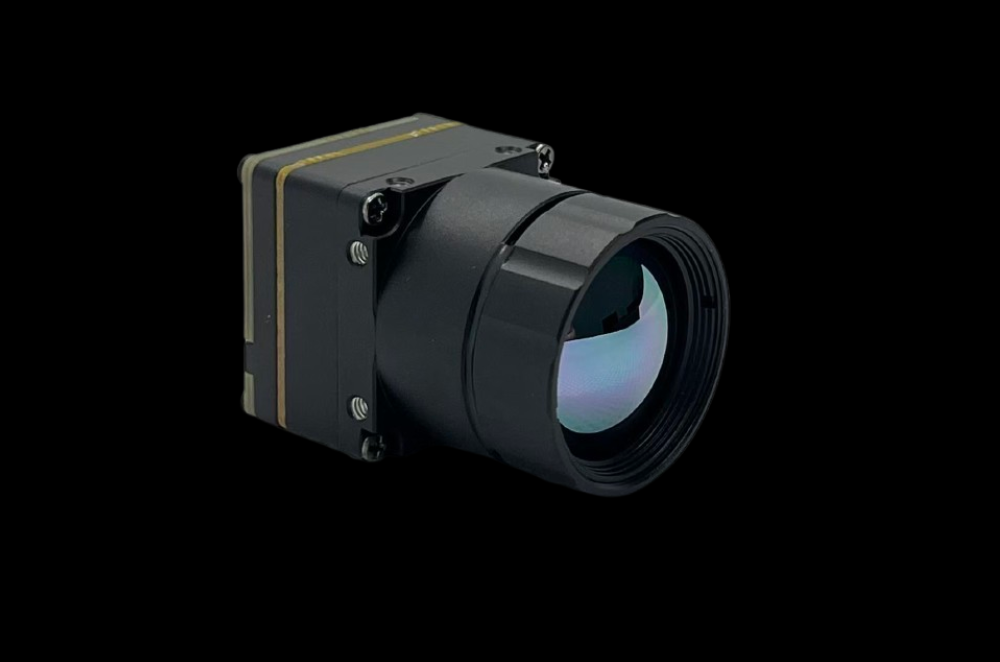
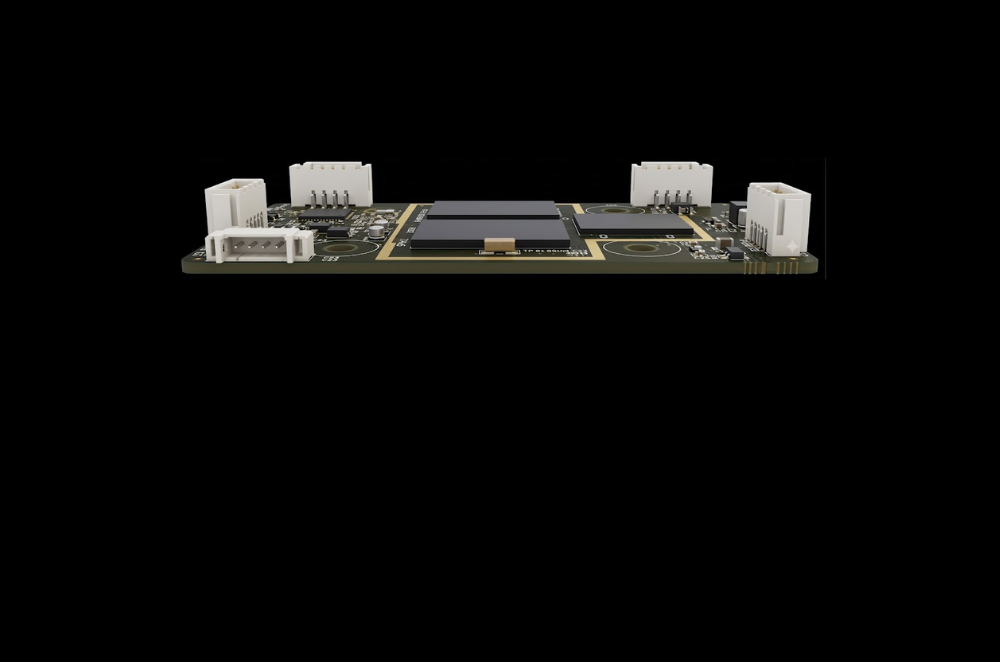
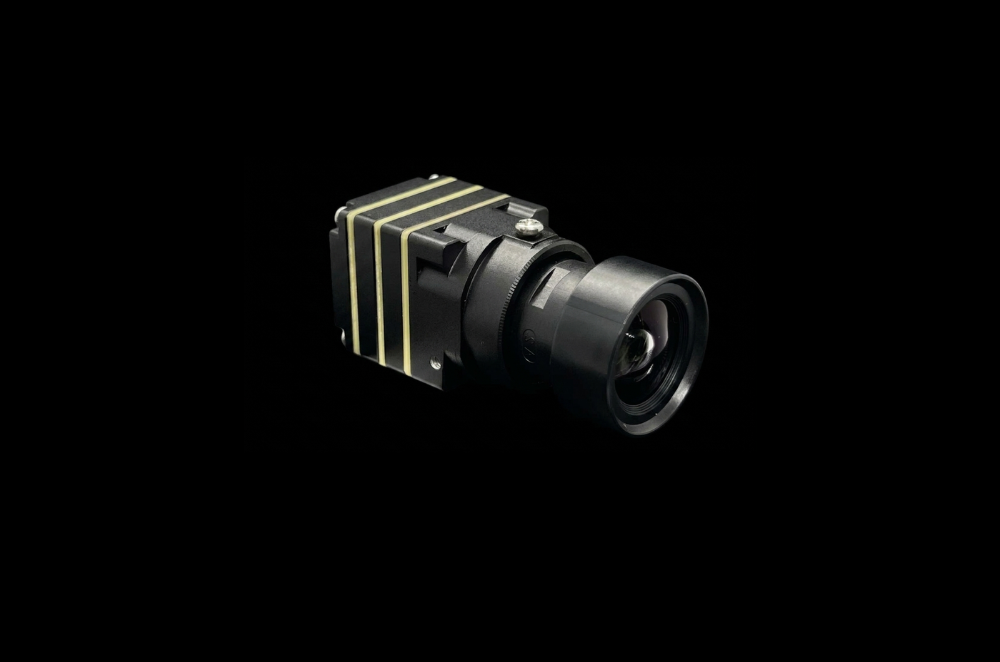
The XHC2110C-ABF delivers starlight AI person detection to 4250 m without a DVR or compute server, targeting fixed perimeter and border surveillance installations with constrained infrastructure.
Several national border security programmes awarded in the past two years have specified an unusual capability combination in their fixed-camera sensor tenders: starlight-class passive imaging at ranges exceeding 4000 m, onboard AI-based detection without a dedicated DVR or server, and all-weather operation without auxiliary illumination. The convergence of those three requirements into a single sensor package reflects the operational reality of remote perimeter installations where bandwidth, power, and shelter for server infrastructure are all constrained. Traditional high-resolution surveillance cameras met two of these three requirements but rarely all three simultaneously at long detection ranges in a single deployable unit.
Starlight AI Detection at 4250 m in a Self-Contained System
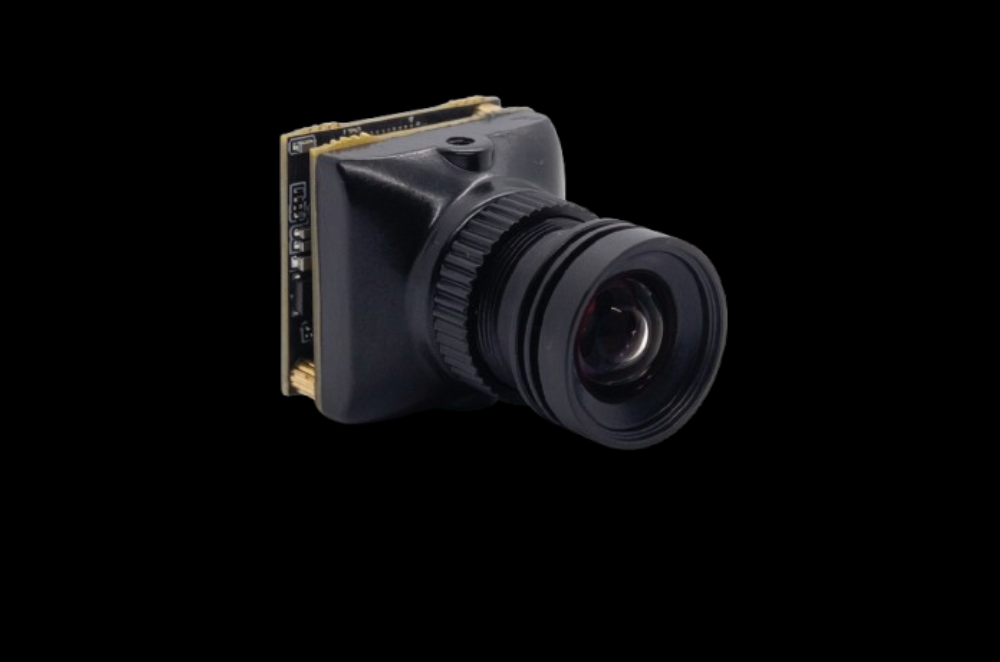
The XHC2110C-ABF addresses that three-way requirement as a military-grade ultra-low-light AI camera system with a 110 mm auto-back-focus lens, rated to 0.001 lux at 10 fps in starlight-class colour imaging. Person detection extends to 4250 m and vehicle detection to 9600 m under clear sky conditions, with recognition ranges of 2060 m and 4750 m respectively. Onboard AI processing runs detection and classification without an external DVR, network video recorder, or compute server, enabling edge deployment at remote towers, hilltop observation posts, and forward operating positions where infrastructure cannot support rack-mounted processing equipment.
Border and Critical Infrastructure Perimeter Applications
Fixed perimeter installations covering open terrain segments of 3000 to 5000 m require sensors that can maintain contact on a person-class target for long enough to vector an intercept response. The XHC2110C-ABF provides that coverage with auto-back-focus compensation for thermal expansion and atmospheric drift that would degrade image sharpness during sustained overnight operation of a fixed lens at 110 mm focal length. Integration into pan-tilt-zoom platforms and fixed stare configurations is supported through standard video and control interfaces, allowing the system to serve both slewing watch positions and fixed-corridor surveillance roles within the same perimeter network.
Reducing Infrastructure Dependency in Remote Installations
The elimination of an external DVR and compute server from the sensor architecture reduces installation cost, maintenance requirements, and points of failure in austere forward deployments. Border agencies managing hundreds of kilometres of monitored perimeter have begun factoring infrastructure reduction into sensor procurement scoring, and edge-processing cameras that deliver AI detection output directly over IP without server dependency are gaining ground in competitive tenders. The XHC2110C-ABF is positioned to address that procurement direction across military perimeter, critical infrastructure protection, and border surveillance programmes where long detection range and infrastructure independence are both weighted evaluation criteria.