The XRAM-CH Series sustains radar absorbing performance at up to 300 degrees Celsius, delivering -3.0 dB reflection loss across the 4 to 10 GHz band from a 0.40 mm coating for aerospace structures, propulsion-adjacent surfaces, and UAV engine compartments.
Conventional radar absorbing coatings share a common limitation on thermally demanding airframe surfaces: their polymer matrix systems begin to degrade or delaminate before the temperature levels reached on propulsion-adjacent structures and engine compartment panels. That constraint forces engineers on high-performance UAV and aerospace programmes to either accept reduced radar signature management near thermal hotspots or engineer mechanical separations between treated and untreated surface areas. The XRAM-CH Series was developed specifically to remove that constraint by delivering radar absorption performance that remains stable at the elevated temperatures those surfaces actually experience in service.
XRAM-CH Series: Thermal Durability at Radar Absorbing Performance
The XRAM-CH Series high-temperature radar absorbing coatings cover the 4 to 10 GHz frequency band with a reflection loss of up to -3.0 dB from a 0.40 mm coating. Surface density sits at 1.1 kg per square metre or below, preserving the lightweight integration priority that aerodynamic and payload-constrained programmes require. The coating formulation maintains radar absorbing performance and structural integrity at temperatures up to 300 degrees Celsius over extended exposure cycles, and the adhesion strength of 10 MPa or greater ensures the coating remains bonded to substrate surfaces through the thermal cycling that propulsion-adjacent structures experience across repeated mission profiles. Models XRAM-C220H and XRAM-C330U address different thermal and frequency emphasis requirements within the high-temperature class.
Propulsion-Adjacent and Engine Compartment Applications
The primary operational use case for the XRAM-CH Series is the treatment of structures that sit within the thermal envelope of propulsion systems on UAV platforms and aerospace structures, where standard-temperature radar absorbing coatings cannot sustain their absorption performance or coating integrity. Engine inlet lips, exhaust-adjacent nacelle panels, and turbine housing surfaces represent the most thermally demanding treatment locations, and these are precisely the surfaces that contribute most to platform radar cross-section in many airframe geometries because of their orientation relative to threat radar look angles. The XRAM-CH Series allows programme engineers to extend radar signature control to these surfaces without requiring a separate high-temperature structural integration process.
UAV Platforms and Aerospace Structural Integration
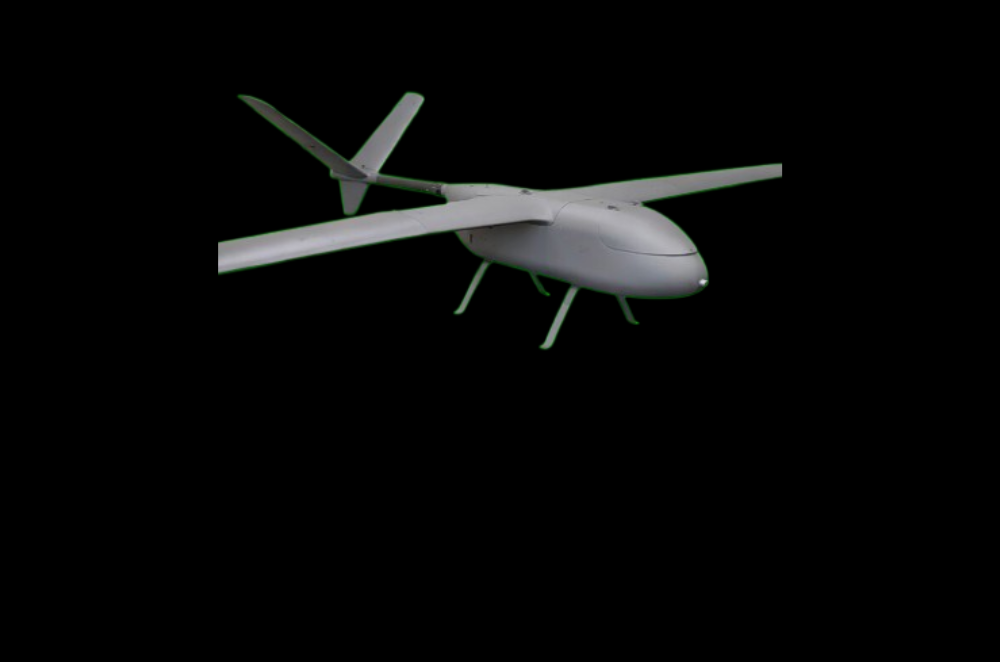
Long-range UAV platforms operating in contested electromagnetic environments benefit from XRAM-CH Series treatment on propulsion-adjacent surfaces because the signature contribution of untreated engine compartment panels can offset the reduction achieved by treating the broader airframe. The spray coating application process is compatible with the composite and metallic substrate types common in UAV airframe construction, and the sample-based coating process support available from the XRAM-CH Series programme allows platform engineers to validate application parameters and curing cycles against their specific substrate configuration before committing to production-scale treatment. Customised formulation development for application-specific frequency band requirements or non-standard substrate surface preparation conditions is available through Star-Navi's stealth materials team.
Naval and Industrial High-Temperature Contexts
Maritime structures near exhaust stacks, industrial electromagnetic management installations in elevated temperature environments, and electronic system enclosures operating in thermally loaded mechanical bays represent secondary application domains for the XRAM-CH Series where standard radar absorbing coatings would not provide adequate thermal stability. The corrosion resistance formulated into the coating supports deployment in maritime environments without additional protective topcoat in most applications. Evaluation samples and application documentation are available to qualified programme integrators and system engineers through sales@star-navi.net.