Oct 2026
Deployment
Star-Navi Launches XHP3 Series Super Night Vision PTZ Cameras for Perimeter and Facility Security
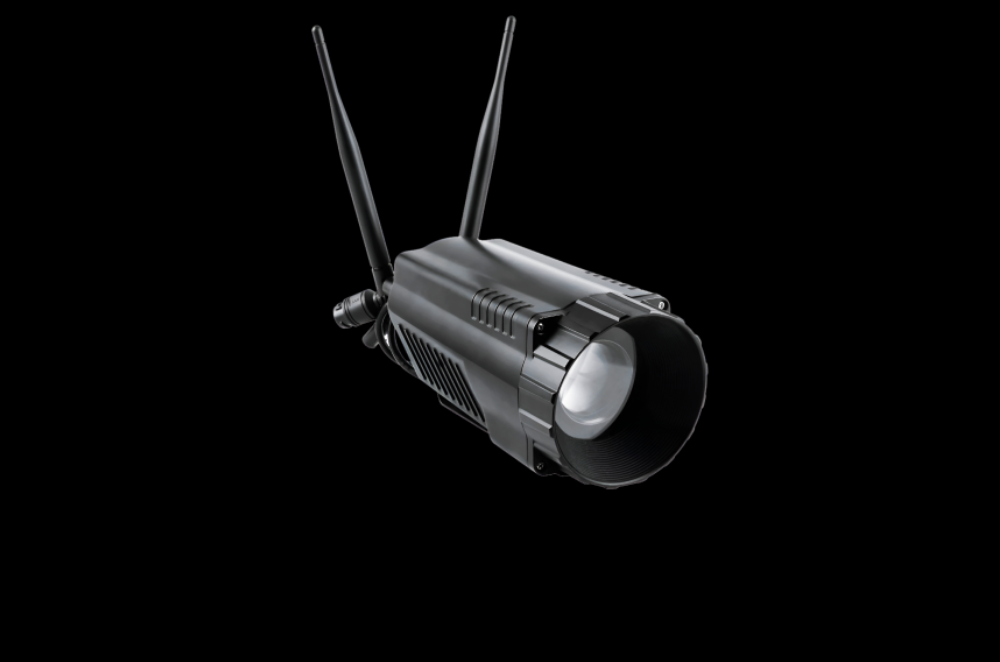
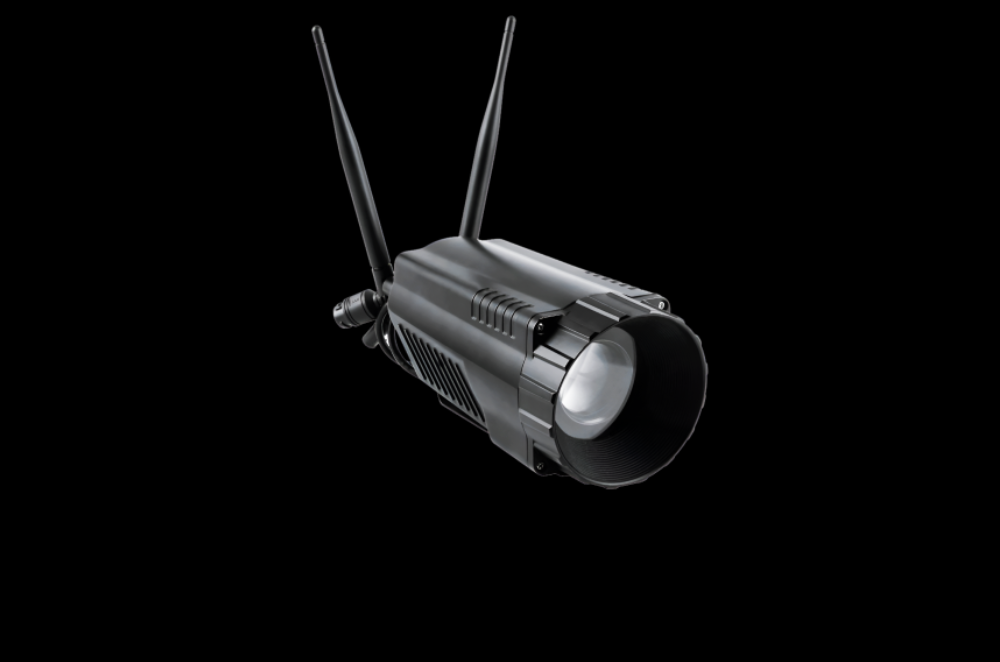
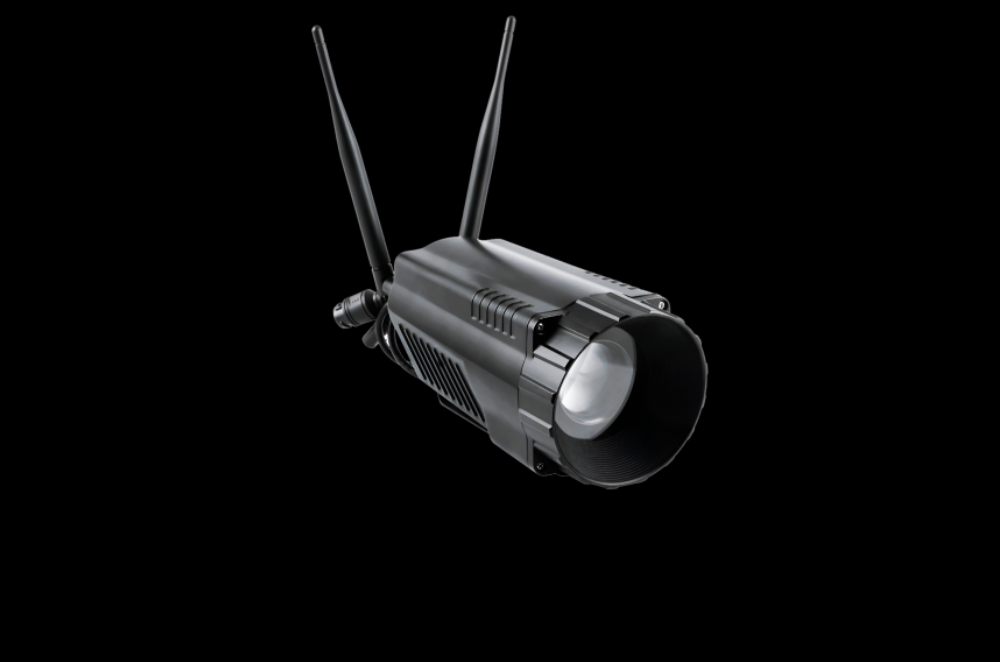
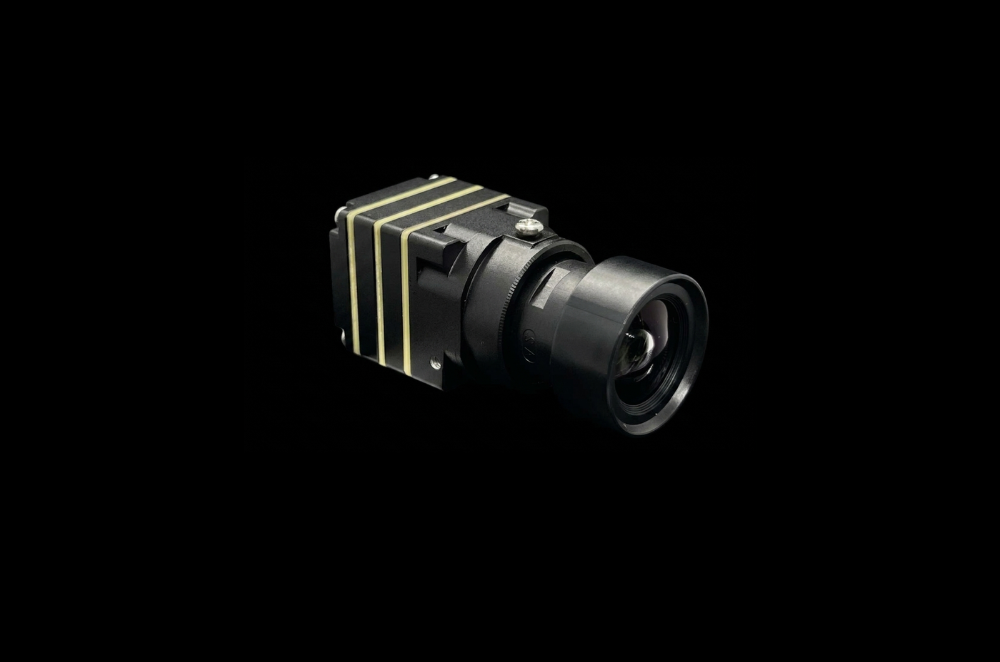
<p>HONG KONG, China, 18 October 2026 — Star-Navi (NDL) today announced the launch of the XHP3 Series, a two-platform family of Super Night Vision PTZ cameras combining hybrid optical-plus-digital zoom with full-color starlight imaging for continuous, unassisted night operation. The series is available in pedestal and dome configurations, giving programme offices a single optical and imaging core that covers both open-perimeter tower installations and compact facility mounting requirements.</p><h3>One Imaging Core, Two Mechanical Platforms</h3><p>Both the XHP3-HZ-P pedestal camera and the XHP3-HZ-D dome camera share the same hybrid zoom engine and Super Night Vision sensor, reaching a detection range of 1,650 to 5,500 meters and identification distance up to 860 meters under US NVESD test methodology. The pedestal variant is built for tower, pole, and wall-mounted installations across coastal, critical infrastructure, and industrial perimeter sites, rated from minus 40 to plus 70 degrees Celsius. The dome variant is built for ceiling and pendant mounting in facility, transportation, and urban surveillance environments, rated from minus 30 to plus 60 degrees Celsius, and rotates at up to 200 degrees per second to track closer, faster-moving targets typical of those sites.</p><h3>Onboard AI and Control Integration</h3><p>Both platforms include onboard AI detection for human, face, vehicle, and animal classes, with global and cross-border alert modes and AI body detection confirmed between 83 and 250 meters. Full ONVIF, RTSP, and PELCO-D/P support over RJ45 and RS485 lets both cameras integrate directly into existing VMS and access-control infrastructure, and 255 presets with patrol, cruise, and watchman functions allow a single PTZ unit to cover multiple fixed watch positions on a rotating schedule.</p><h3>Executive Statement</h3><p>"Perimeter and facility security teams have been asking for a PTZ platform that does not force a trade-off between range and mounting flexibility," said the Director of Surveillance Systems at Star-Navi. "The XHP3 Series gives them that in two mechanical formats built on the same imaging core, so a coastal tower and an indoor facility ceiling mount can run the exact same detection performance and the exact same VMS integration."</p><p>The XHP3-HZ-P and XHP3-HZ-D are available immediately through Star-Navi's global distributor and partner network.</p>
View
Oct 2026
Deployment
Star-Navi Launches XHC3/XHM3 Series Starlight Cameras for Border and Coastal Surveillance
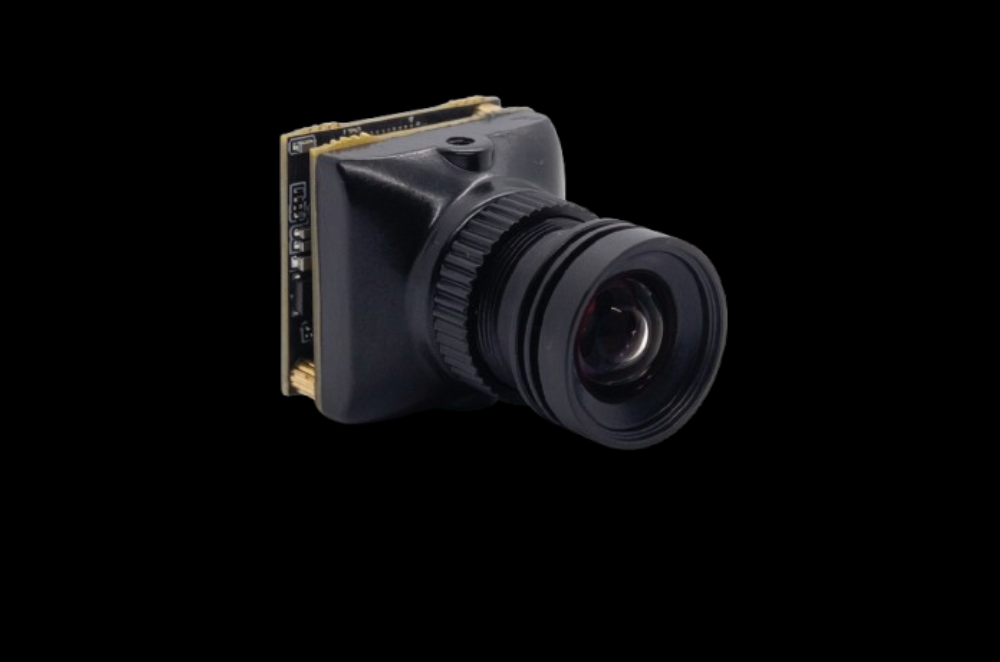
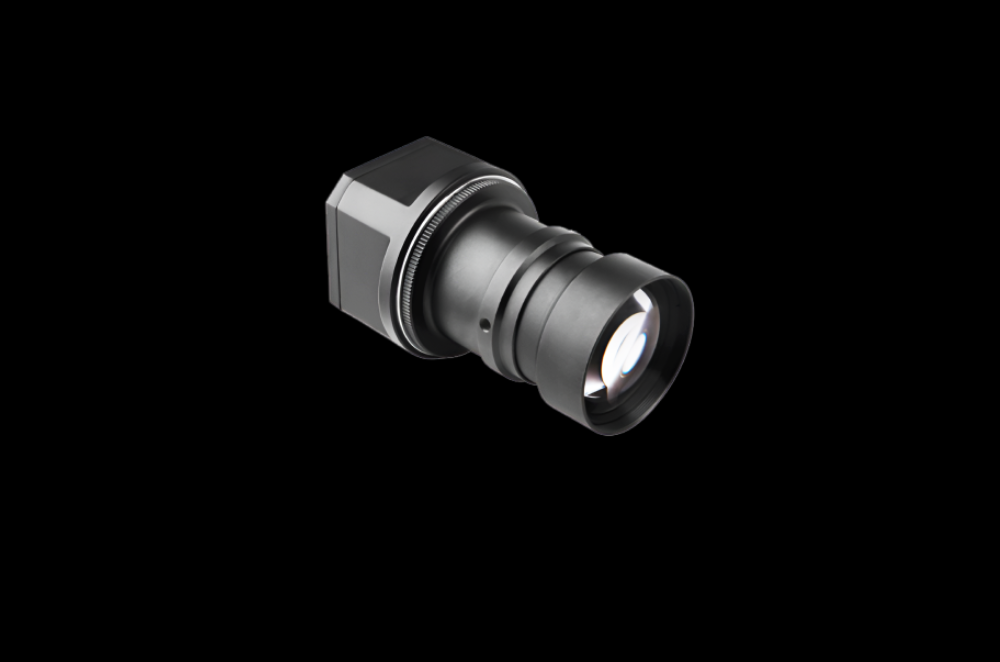
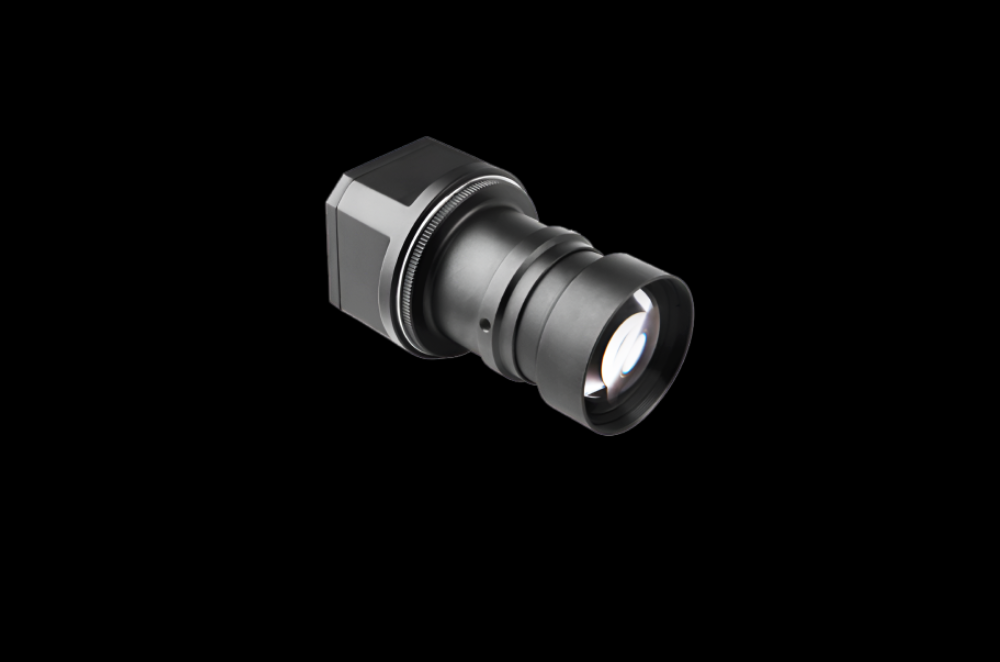
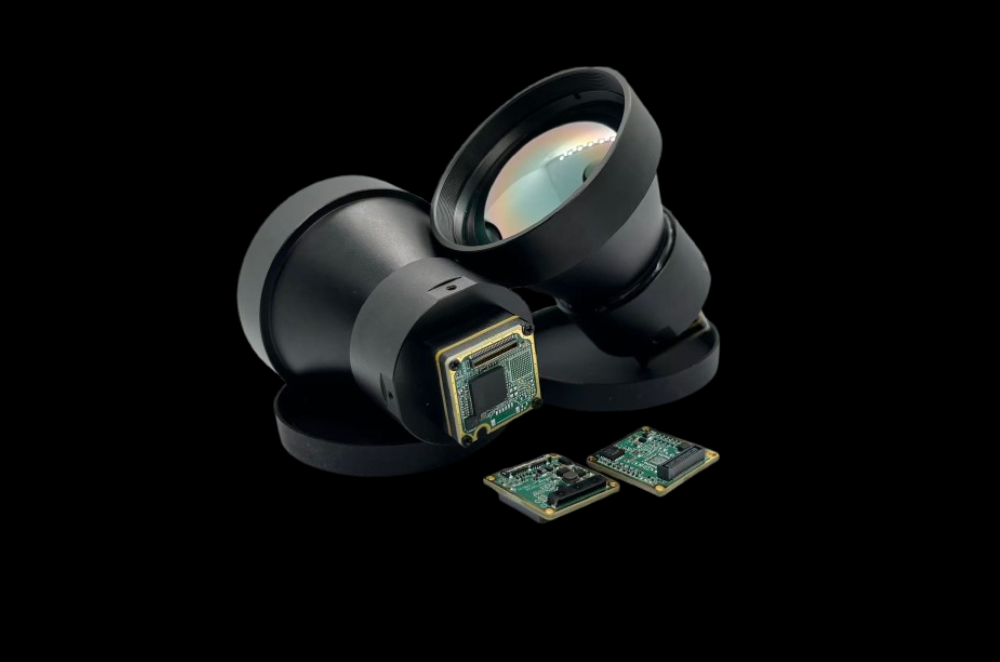
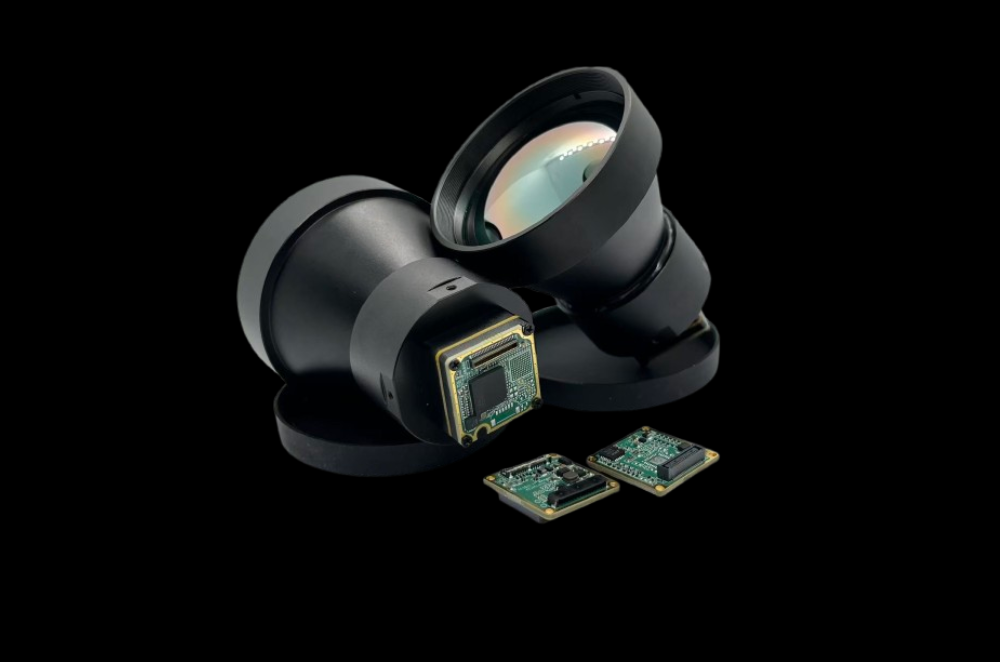
<p>HONG KONG, China, 6 October 2026 — Star-Navi (NDL) today announced the commercial launch of the XHC3/XHM3 Series, a four-tier family of full-color starlight surveillance cameras and OEM optical modules engineered for continuous night imaging without infrared illumination. The series spans detection ranges from 1,260 meters at the short end to 7,600 meters at the outer tier, giving border security, coastal patrol, and critical infrastructure programme offices a single product family capable of covering an entire layered perimeter network from one vendor and one interface standard.</p><h3>Four Range Tiers From One Optical Architecture</h3><p>The series is built around a large-format CMOS sensor and multi-frame low-noise image processing shared across all variants, with detection range set by lens selection rather than a change in sensor architecture. At the top of the range, the XHC3240C-ABF reaches 7,600 meters person detection through a 240mm F1.7 Auto Back Focus lens, positioning it as an outer-layer sensor for open border terrain and coastal approach corridors. The XHC3135C-ABF fills the mid-long tier at approximately 4,200 meters, while the XHC3016C and XHC3012C cover the wide-arc checkpoint and short-perimeter bands at 1,760 and 1,260 meters respectively, the latter two using fixed or manual focus rather than ABF.</p><h3>Camera and OEM Module Availability</h3><p>Each range tier is available in two formats: a sealed, outdoor-rated XHC camera for direct installation, and a bare XHM module for integrators building custom enclosures, gimbals, or vehicle-mounted platforms. The module variants carry identical optical and sensor performance to their camera counterparts, allowing programme offices to standardise on a single detection-range specification across a mixed fleet of fixed-mount cameras and custom-housed installations without re-qualifying optical performance for each form factor.</p><h3>Integration and Field Requirements</h3><p>All eight variants support ONVIF, RTSP, and PELCO protocols over RJ45, WiFi, and optional 4G connectivity, and integrate onboard AI guarding modes for global, cross-border, and regional alerting without requiring a dedicated analytics server. The two longer-focal-length models, the XHC3240C-ABF and XHC3135C-ABF, use Auto Back Focus to maintain sharpness through seasonal thermal cycling at remote tower and hilltop installations, removing the need for periodic manual refocusing at sites that may only be accessible by vehicle track or boat. All variants are rated from minus 40 to plus 70 degrees Celsius for unattended outdoor operation.</p><h3>Executive Statement</h3><p>"Programme offices have been asking for a single product family that covers the full range spread of a perimeter network, from a 200 meter gate segment out to a 7,600 meter open-terrain boundary, without switching vendors or interface standards between tiers," said the Director of Surveillance Systems at Star-Navi. "The XHC3/XHM3 Series was built specifically to answer that. Whether a customer needs a sealed camera for a standard installation or a bare module for a custom enclosure, the optical performance and the protocol stack stay identical across the family."</p><p>The XHC3/XHM3 Series is available immediately through Star-Navi's global distributor and partner network, with both camera and module variants in production across all four range tiers.</p>
View
Aug 2026
Deployment
Star-Navi Launches XHZ4-1550C-EN Hybrid Zoom Camera for UAV Night Operations
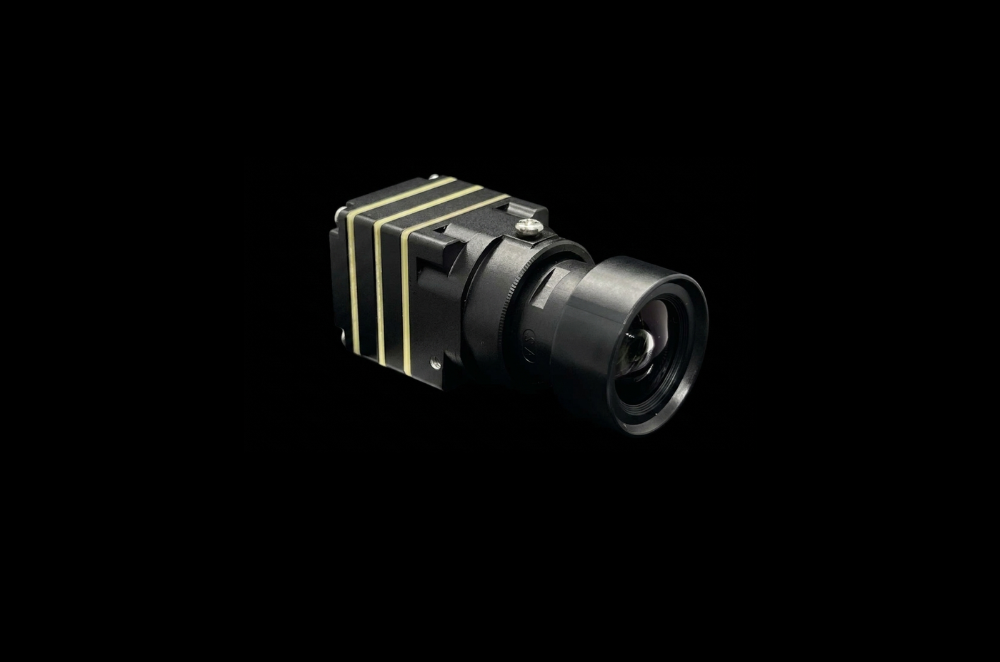
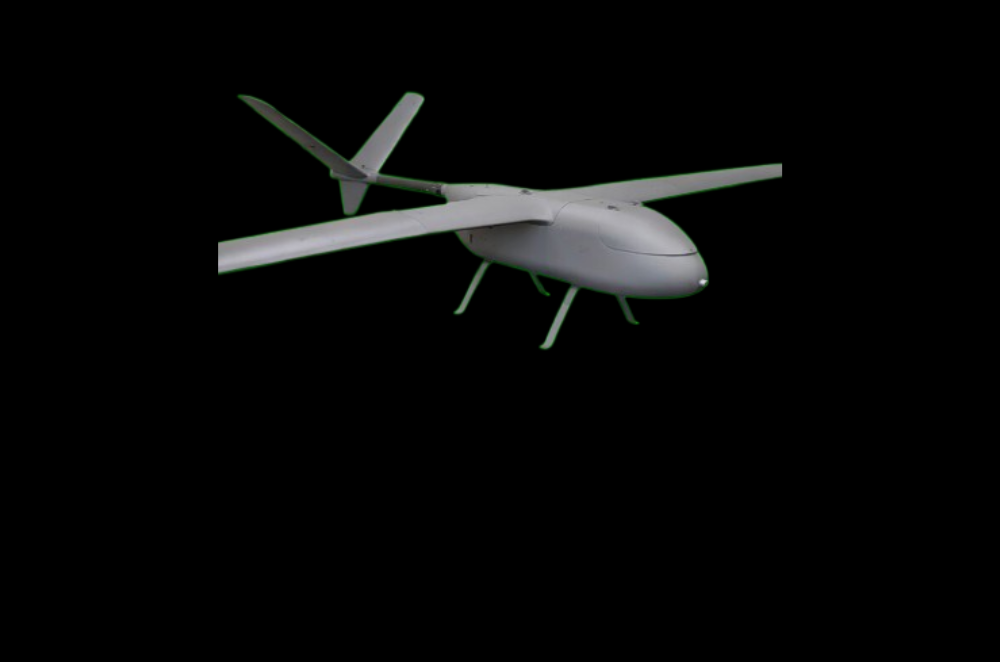
<p>Star-Navi today announced the release of the XHZ4-1550C-EN, a hybrid zoom electro-optical camera built for UAV and mobile observation platforms operating in low light and full darkness. The camera pairs a continuous 15 to 50 millimeter optical zoom with an eight times digital stage and a starlight class low light sensor rated to 0.001 lux, extending to 0.0001 lux at a reduced frame rate.</p><p>Built around a 5.5 micron backside illuminated CMOS sensor, the XHZ4-1550C-EN delivers full color imaging well past dusk, avoiding the loss of target detail that comes with switching to a thermal only channel. Detection range is rated to 5500 meters and recognition to 1380 meters against a standard target, with the complete unit weighing under 405 grams and drawing less than two watts of power.</p><h3>Built for Direct Platform Integration</h3><p>Video is delivered over a standard Ethernet interface with RTSP and ONVIF support, allowing the camera to connect directly into existing video management systems without custom drivers. Onboard AI recognition classifies body, facial, vehicle and animal targets before footage reaches the ground station, and 32 gigabytes of onboard eMMC storage preserves recorded video independent of the network link. Star-Navi is positioning the XHZ4-1550C-EN for UAV payload integration, mobile observation platforms and OEM electro-optical systems, with a compact housing sized for DJI class airframes and industrial inspection drones.</p><p>The XHZ4-1550C-EN is available now through Star-Navi's distributor network and direct sales channel, with technical documentation and SDK access available on request. The launch extends Star-Navi's electro-optical product line into hybrid zoom low light imaging, adding to its existing range of surveillance cameras, UAV vision modules and precision guidance systems.</p><h3>Availability and Support</h3><p>Star-Navi is making the XHZ4-1550C-EN available to distributors and direct customers across its existing UAV, surveillance and industrial integration channels, with the camera shipping in its standard Ethernet configuration and supporting documentation covering interface pinouts, mounting dimensions and configuration parameters. Customers integrating the camera into existing fleets or new airframe programs can request SDK packages and technical support directly from Star-Navi's engineering team to accelerate qualification and deployment timelines.</p>
View
Aug 2026
Program
Nocturnal Dynamics Limited Relocates Hong Kong Office to Sheung Wan
<h3>Office Relocation Notice</h3><p>Nocturnal Dynamics Limited, the company behind the Star-Navi brand of electro-optical surveillance and defence technology systems, has relocated its Hong Kong registered office. The new address is Unit 1603, Tung Ning Building, 2 Hillier Street, Sheung Wan, Hong Kong, effective immediately.</p><p>The previous premises at Unit 1602, Lok Kei Chung, 165-171 Wan Chai Road, Wan Chai, Hong Kong is no longer in use as of this notice. All correspondence, official documentation, and business communications should be directed to the new Sheung Wan address going forward.</p><p>Existing contracts, agreements, and registered documents bearing the former Wan Chai address remain valid and are unaffected by this change. Distributors, authorised partners, and clients are advised to update their records accordingly to ensure uninterrupted communications with the company.</p><p>For any enquiries regarding this transition, please contact Nocturnal Dynamics Limited through the official channels listed on the Star-Navi website at star-navi.com.</p>
View
Jul 2026
Technology
Star-Navi Launches XHC8 and XHM8 Starlight Camera Series for Perimeter Security
<p>FOR IMMEDIATE RELEASE</p><h3>Star-Navi Launches XHC8 and XHM8 Starlight Camera Series for Round-the-Clock Perimeter Security</h3><p>SHENZHEN, China, July 21, 2026 — Star-Navi, a Shenzhen based defense and surveillance technology company, today announced the launch of its XHC8 and XHM8 series, a new line of ultra low light surveillance cameras and OEM imaging modules built to deliver full color or black and white video under starlight conditions without an auxiliary infrared illuminator. The series is available immediately to distributors and system integrators in three optical configurations and two physical form factors.</p><p>The XHC8 designation covers a complete, weatherproof camera housing suited to direct mounting on poles, towers or fence lines, while the companion XHM8 line delivers the identical imaging core as a bare module for integrators building their own gimbals, masts or custom enclosures. Both share the same sensor, optics and firmware, so performance carries over unchanged regardless of which physical form a customer selects.</p><p>Three range tiers cover applications from wide gate and yard monitoring through to kilometer scale border and coastal watch. The flagship 135 millimeter configuration reaches a detection range of up to 5,880 meters in its black and white variant, with minimum illumination sensitivity as low as 0.00007 lux. A 50 millimeter mid range option and a fixed focus 12 millimeter wide angle model round out the series, the latter offering a 97 degree field of view for close in coverage of gates and compounds. All three tiers support both full color and black and white imaging.</p><p>"Border agencies and infrastructure operators have generally had to choose between thermal cameras that confirm movement and optical cameras that confirm identity," said a Star-Navi spokesperson. "This series is built around the idea that a single starlight sensitive platform can now do both jobs across a much wider set of ranges than we could previously offer in one product line." Every camera and module in the series streams over ONVIF and RTSP with PELCO protocol support, connecting over RJ45 Ethernet, WiFi or optional 4G LTE, with full datasheets and integration documentation available now through Star-Navi's distributor network.</p><h3>About Star-Navi</h3><p>Star-Navi designs and manufactures electro-optical surveillance and defense technology, including night vision camera systems, UAV imaging modules and precision optical components, serving military, law enforcement and critical infrastructure customers. Media contact: sales@star-navi.net.</p>
View
Jul 2026
Technology
Star-Navi XHC Series Adds ONVIF and PELCO Support With AES128 Encryption
<p>Interoperability has become a deciding factor in fixed surveillance procurement as integrators consolidate cameras from multiple product lines onto shared video management infrastructure. A sensor that speaks a proprietary protocol, however capable its optics, adds integration overhead that programme offices increasingly refuse to absorb. Star-Navi has moved to close that gap across its entire XHC Series camera line with a coordinated protocol and security update.</p><h3>ONVIF and PELCO Compliance Across the XHC Line</h3><p>All XHC Series surveillance cameras now support the ONVIF standard alongside the PELCO pan tilt control protocol, allowing the full product line to interoperate directly with third party video management systems and control keyboards already deployed at customer sites. Video and command traffic across the line is now secured with AES128 encryption, addressing a requirement that has moved from optional to mandatory across border security and critical infrastructure tenders over the past two procurement cycles.</p><h3>VMS and Web Browser Client Options</h3><p>Two client applications accompany the update. A dedicated VMS super night vision computer client allows an operator to manage up to 64 camera channels simultaneously from a single workstation, suited to control room deployments overseeing layered perimeter or border networks. For smaller installations or field verification tasks, a web browser client provides direct single channel access to an individual camera without requiring the full VMS software stack, giving technicians and site supervisors a lightweight path to check status or adjust settings from any networked device.</p><h3>Focus Control for Field Maintenance</h3><p>The update also extends automatic focus control and electronic focus control across applicable XHC Series models, with the corresponding hardware version selected at order time to match the deployment requirement. Both modes are aimed at reducing the debugging and maintenance burden at installation, allowing focus to be verified or corrected without the manual mechanical adjustment that longer focal length cameras have historically required after mounting.</p><h3>Fleet-Wide Rollout</h3><p>Because the protocol, encryption, and focus control updates apply across the XHC Series rather than a single model, customers operating mixed XHC deployments gain a consistent integration profile across their entire camera fleet without needing to manage per-model exceptions. Star-Navi is making the updated firmware and client software available to existing customers and distributors through its standard support channels, alongside full ONVIF and PELCO compliance documentation for system integrators planning new VMS integrations.</p>
View
Jun 2026
Technology
Star-Navi Launches XHV3001AT AI Vision Module for UAV and Robotics OEMs
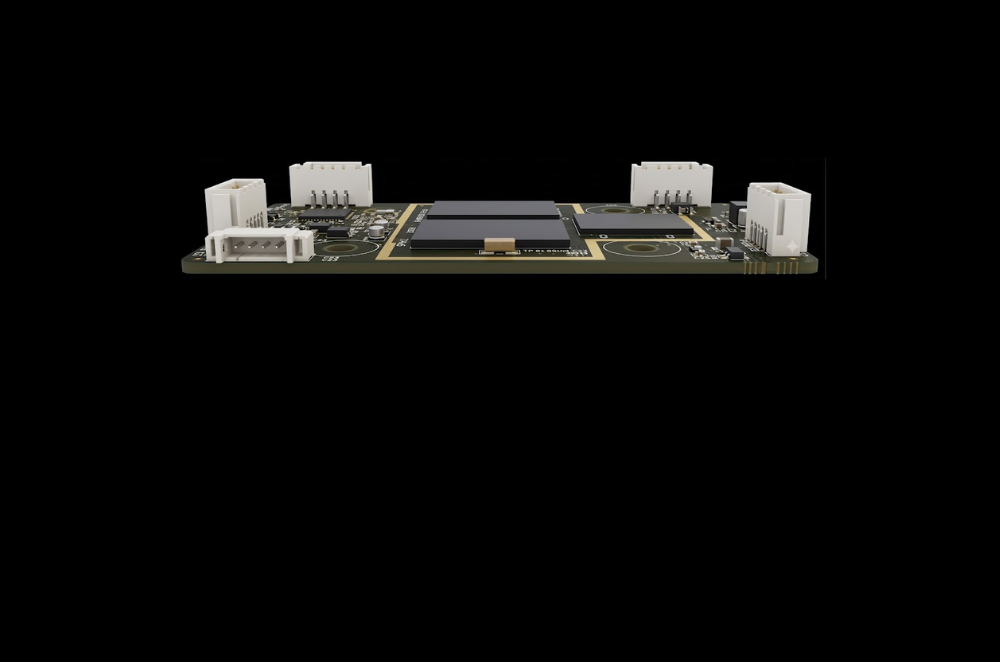
<p>Star-Navi today announced the release of the XHV3001AT, a dual-camera AI vision processing module designed for OEM integration into unmanned aerial vehicles, robotic systems, and intelligent surveillance platforms. The module is built to give system integrators an onboard engine for real-time target detection, recognition, and tracking, reducing dependence on ground-based processing for time-critical missions.</p><p>The XHV3001AT combines a multi-core AI processing platform delivering up to 4 TOPS INT8 performance with dedicated image signal processing and hardware H.264/H.265 video encoding. The module supports dual MIPI camera inputs with FSYNC-based synchronization, along with a CVBS analog video output for compatibility with existing ground systems. Communication and integration options include SPI, UART, USB 2.0, and Ethernet, giving OEMs flexibility in how the module connects to flight controllers, mission computers, or host processors.</p><p>\"The XHV3001AT was designed around a simple premise: integrators need AI compute that fits inside an existing airframe, not a finished product that forces a redesign around it,\" said a Star-Navi spokesperson. \"By shipping this as a bare module, we let our OEM partners control the camera selection, housing, and environmental protection that fit their specific platform.\"</p><p>The module ships without external housing, environmental sealing, or camera hardware, placing mechanical integration and system-level validation in the hands of the integrator. Star-Navi positions the XHV3001AT for developers building next-generation UAVs, loitering munitions, counter-UAS systems, and autonomous robotics platforms that require compact, embedded AI vision capability.</p><p>The XHV3001AT is available now for OEM evaluation. Technical documentation and SDK access are available through Star-Navi's sales team.</p>
View
May 2026
Deployment
Star-Navi Launches XHC6 Series Starlight Surveillance Cameras in Colour and Monochrome
<p>HONG KONG, China, 27 May 2026 — Star-Navi (NDL) today announced the official launch of the XHC6 Series, a new family of ultra-low-light electro-optical surveillance cameras built around a 1.5-inch CMOS sensor with 10 µm pixel pitch. The series introduces six models spanning three focal length classes in both full-colour and monochrome variants, covering passive person detection ranges from 540 m to 7700 m across a single product family designed for layered fixed perimeter, border, and critical infrastructure surveillance architectures.</p><h3>Product Family Overview</h3><p>The XHC6 Series is structured around three focal length tiers, each available in a colour C-variant and a monochrome B-variant. At short range, the XHC6016C and XHC6016B share a 16 mm equivalent F2.0 fixed-focus wide-angle lens with a 75° horizontal field of view, delivering person detection to 540 m and 770 m respectively at minimum illuminations of 0.001 lux and 0.0005 lux. Medium-range coverage is provided by the XHC6060C-ABF and XHC6060B-ABF, pairing a 65 mm equivalent F1.2 high-aperture lens with Auto Back Focus for person detection to 3000 m in colour and 4280 m in monochrome at 0.0006 lux and 0.0003 lux. Long-range detection is anchored by the XHC6160C-ABF and XHC6160B-ABF, deploying a 160 mm equivalent F1.7 telephoto lens with ABF for person detection to 5400 m in colour and 7700 m in monochrome at 0.0008 lux and 0.0004 lux respectively. All six models deliver 1920 x 1080 Full HD resolution and support ONVIF, RTSP, and PELCO protocols over RJ45 with integrated Wi-Fi and optional 4G LTE connectivity.</p><h3>Design Philosophy and Market Context</h3><p>The XHC6 Series was developed in direct response to a procurement pattern that Star-Navi observed across multiple border security and critical infrastructure protection programmes: integrators were assembling perimeter sensor networks from cameras sourced across multiple product families and manufacturers, creating protocol and support fragmentation that increased integration engineering cost and complicated long-term maintenance planning. By building six models across colour and monochrome variants within a single family sharing common interfaces, protocols, and mechanical form factors, Star-Navi enables programme offices to design a complete detection-to-identification range tier from a single product source with a unified support relationship and consistent long-term supply chain.</p><h3>Availability and OEM Module Variants</h3><p>All six XHC6 Series camera models are available immediately from stock. Corresponding bare OEM module variants — the XHM6016, XHM6060, and XHM6160 series in both colour and monochrome configurations — are available for custom enclosure integration under a corporate procurement account. Evaluation units and integration documentation are available to qualified programme offices and system integrators through Star-Navi's defence sales channels at sales@star-navi.net.</p><h3>Executive Statement</h3><p>"The XHC6 Series represents the most complete fixed perimeter surveillance family we have brought to market," said the Head of Surveillance Systems at Star-Navi. "Six models, three range tiers, colour and monochrome in each — all on the same sensor platform, the same interface, the same protocol stack. A programme office can design a complete layered detection network from outer 7700 m detection to inner 540 m identification using one product family and one support contract."</p>
View