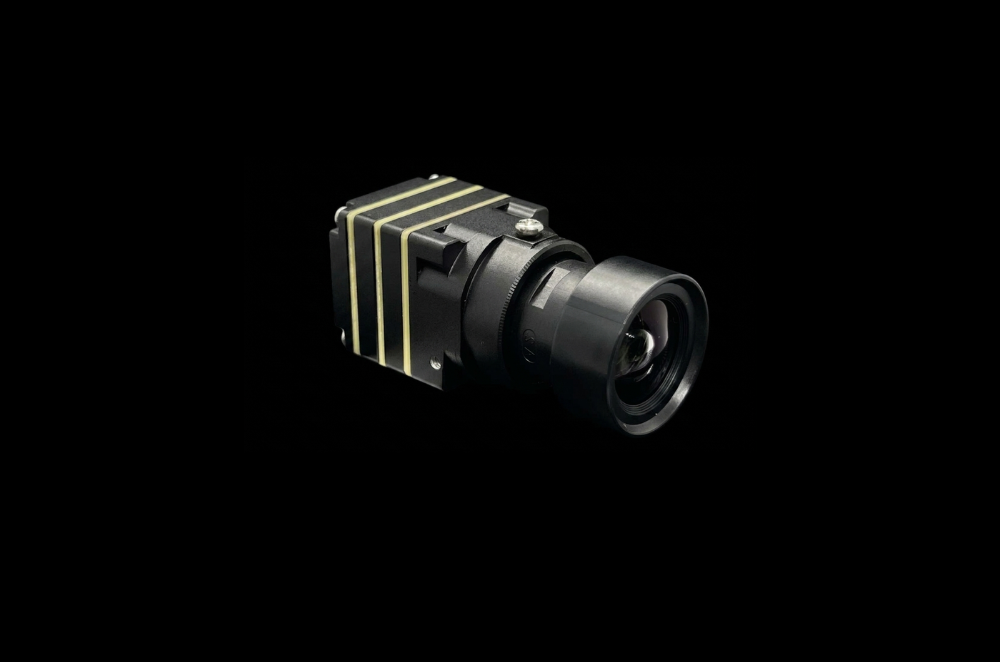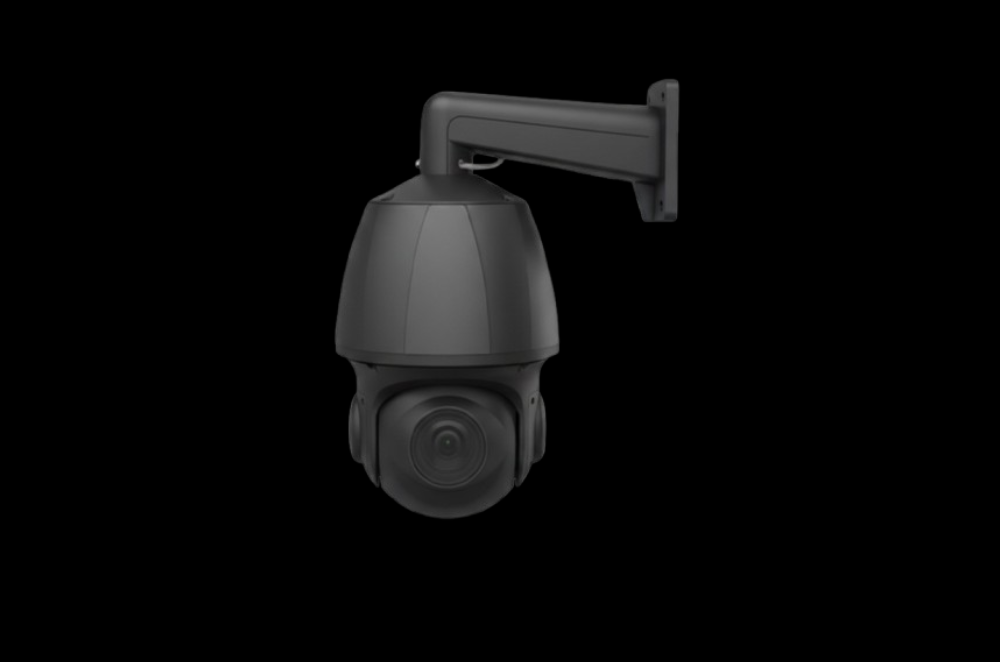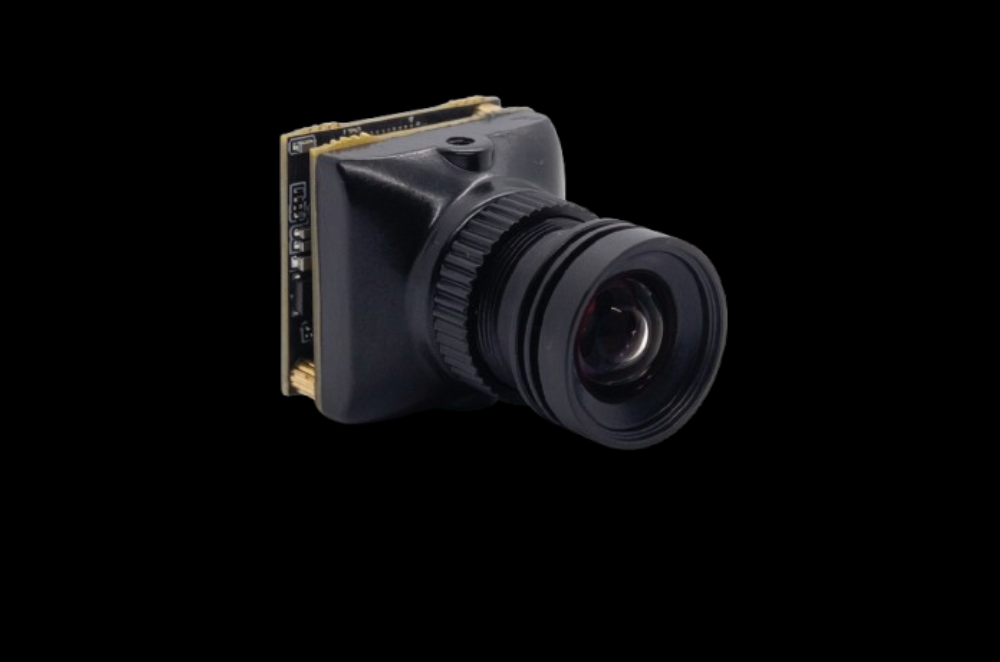
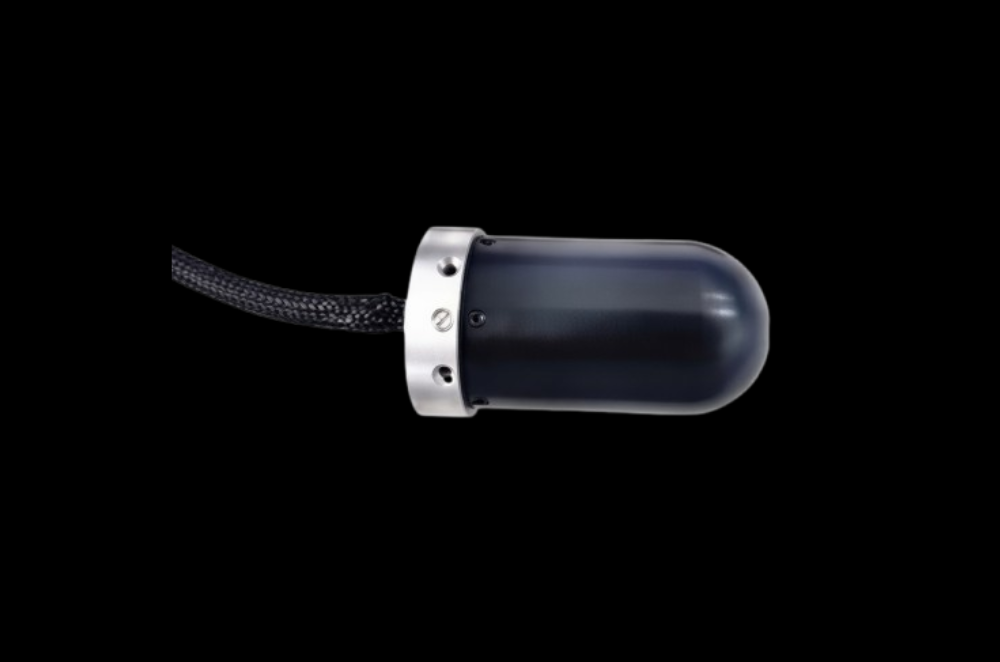
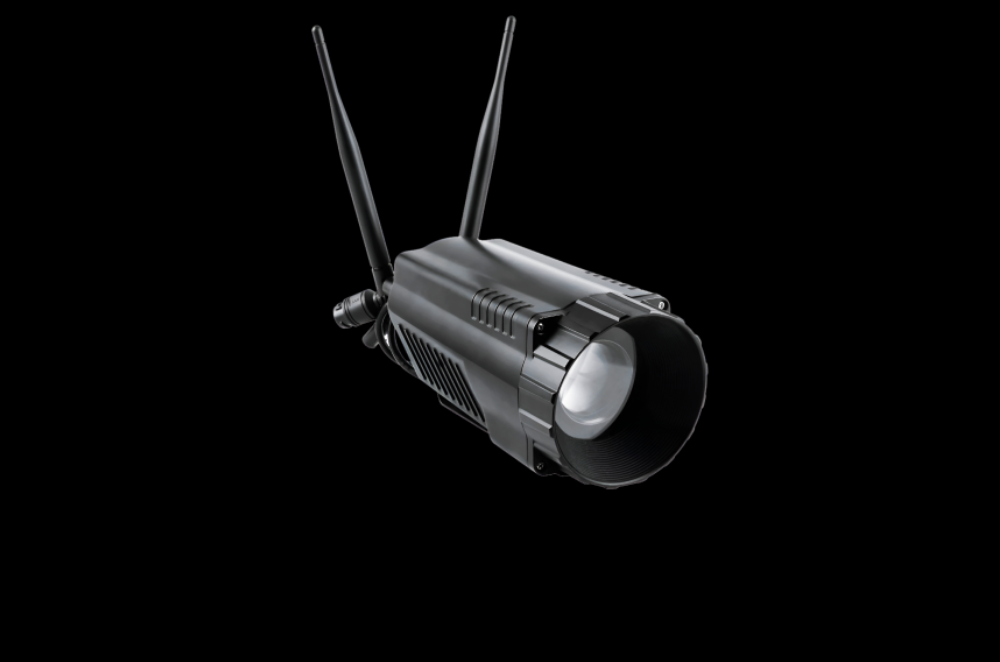
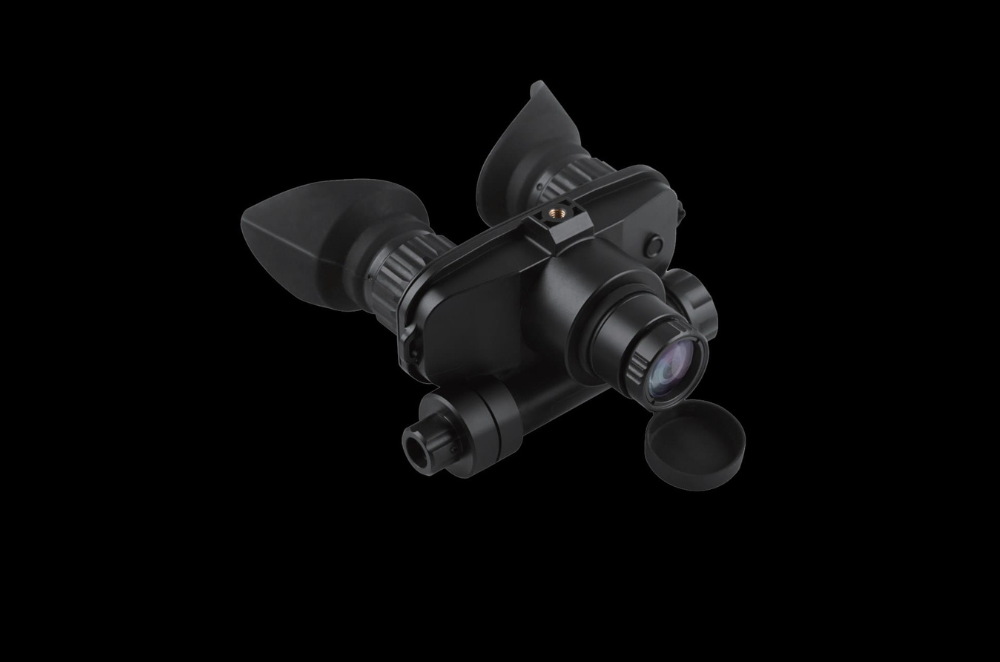
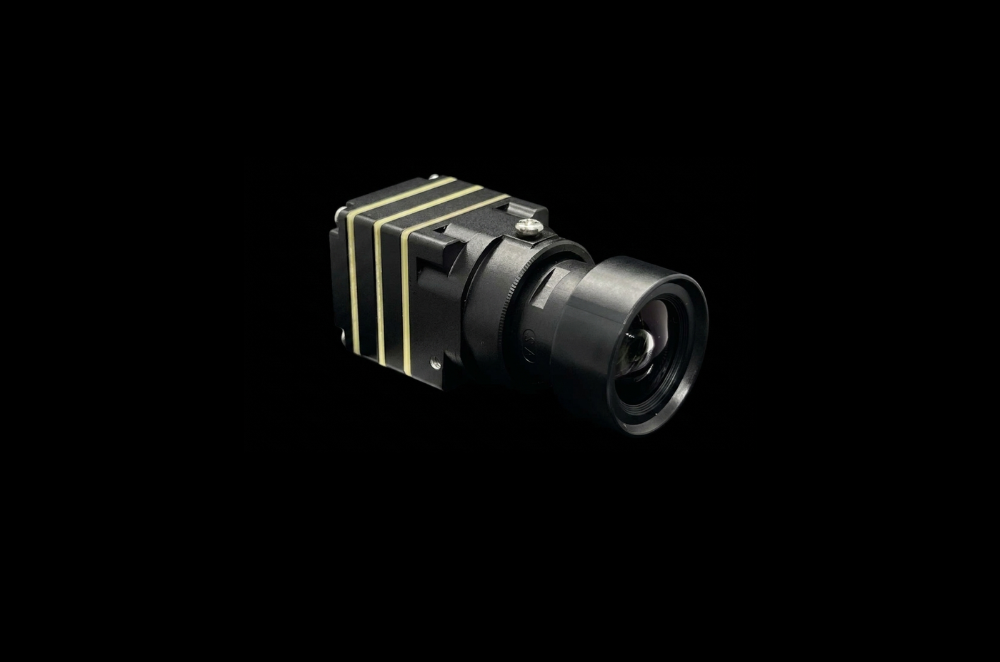
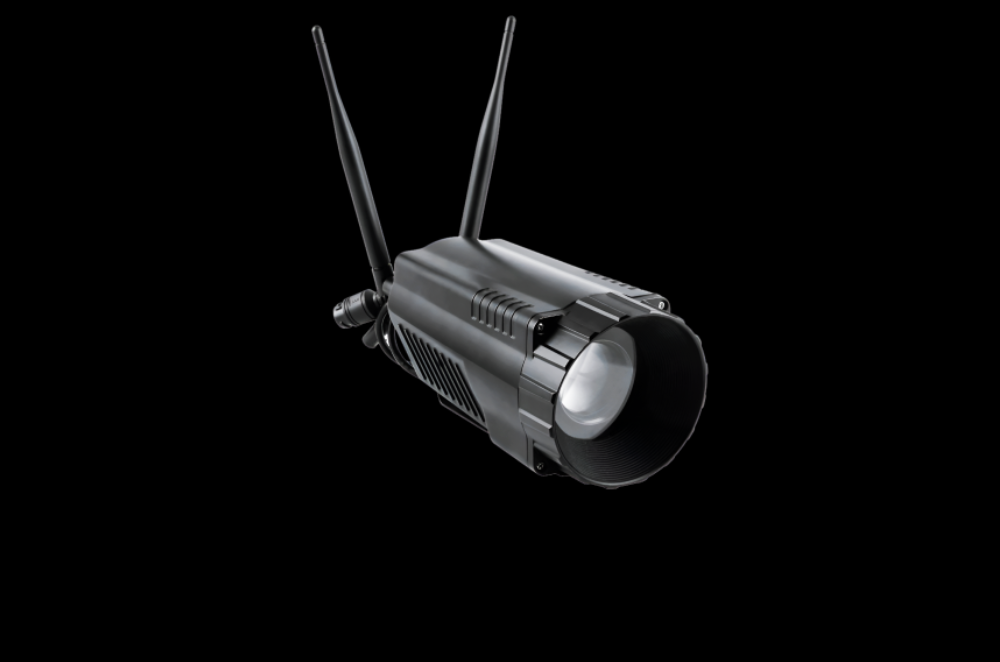
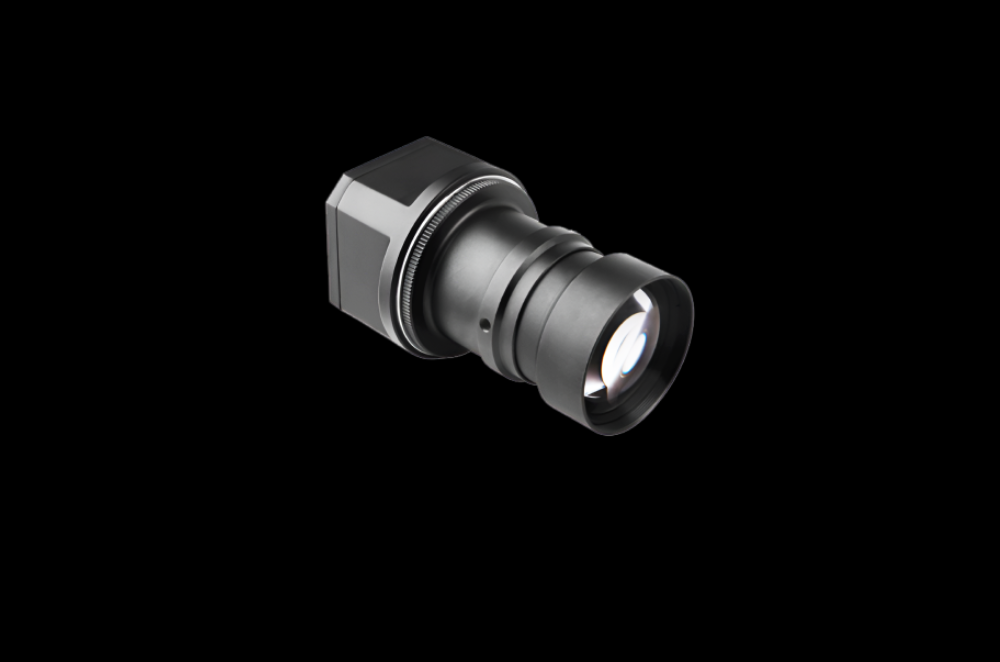
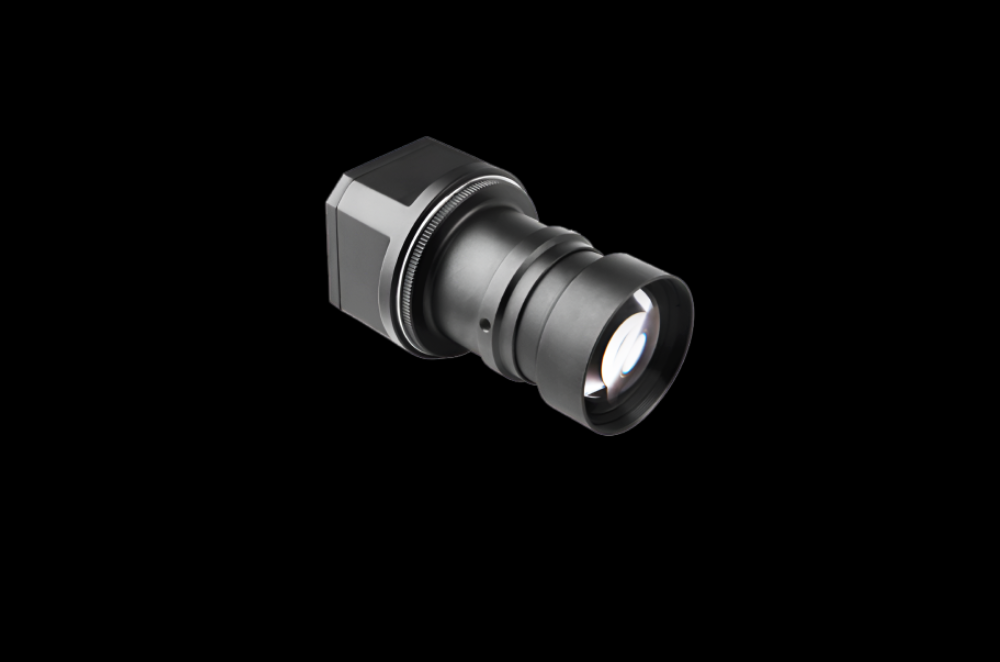
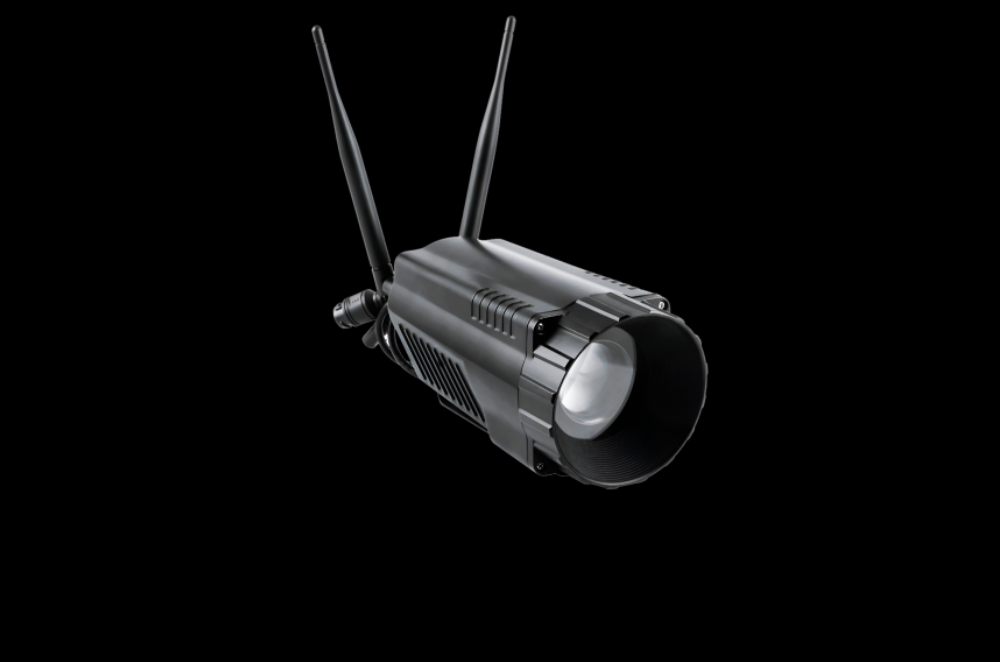
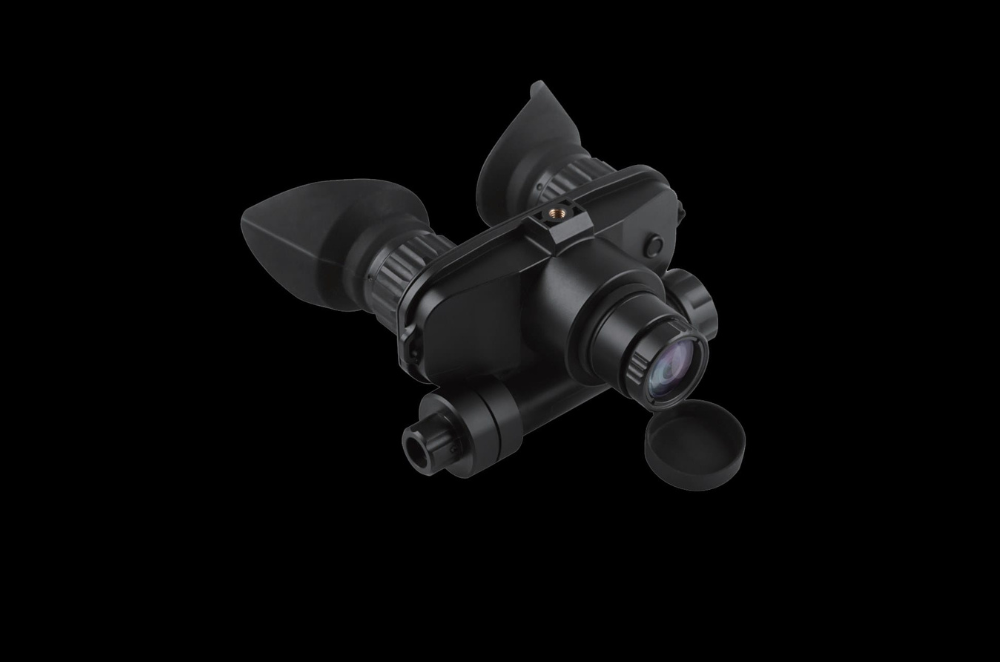
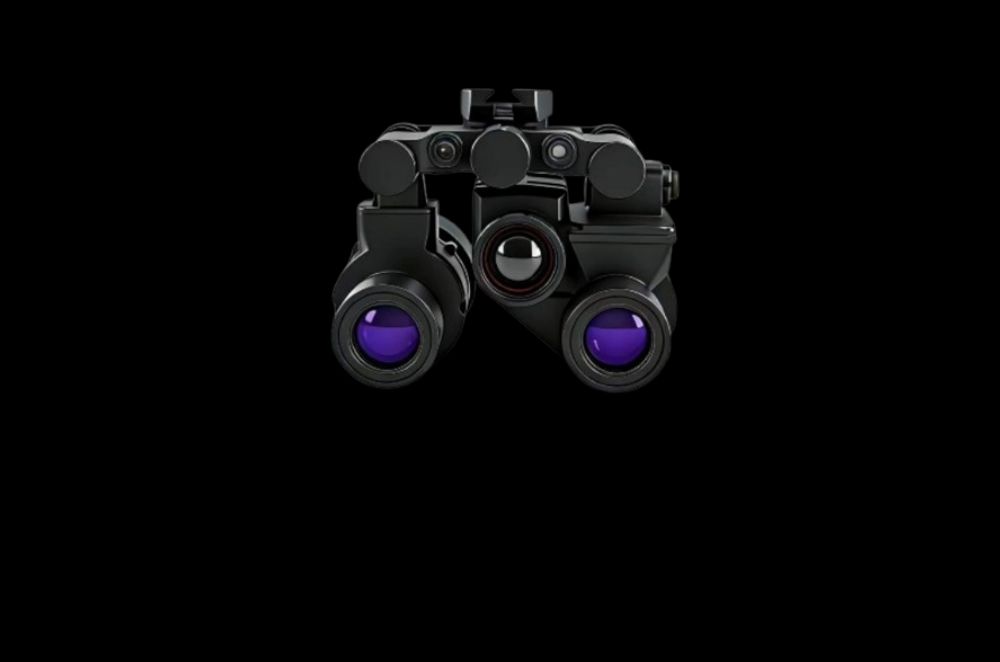
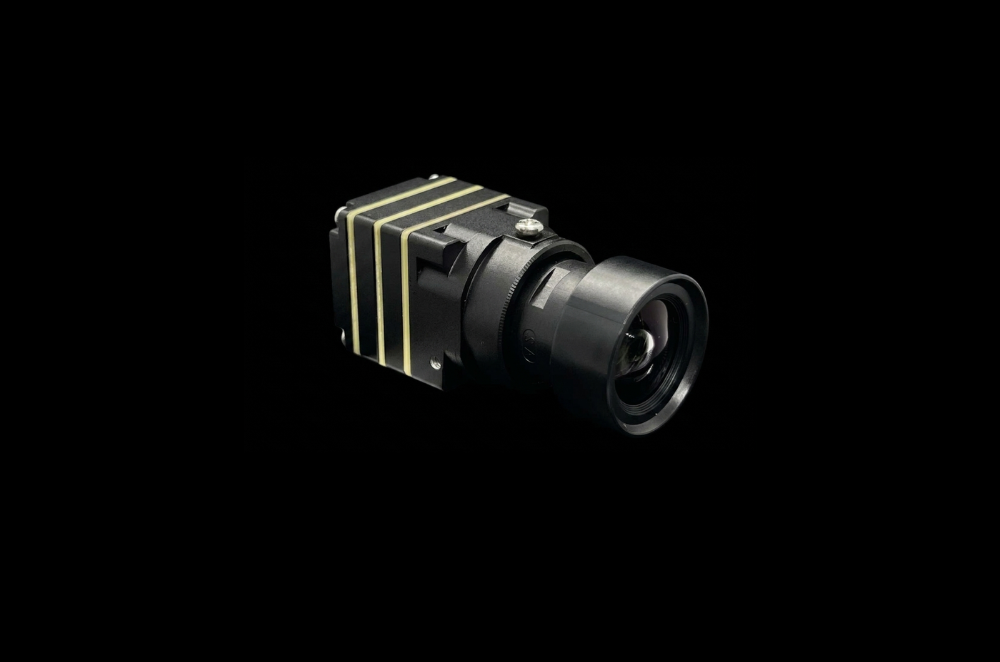
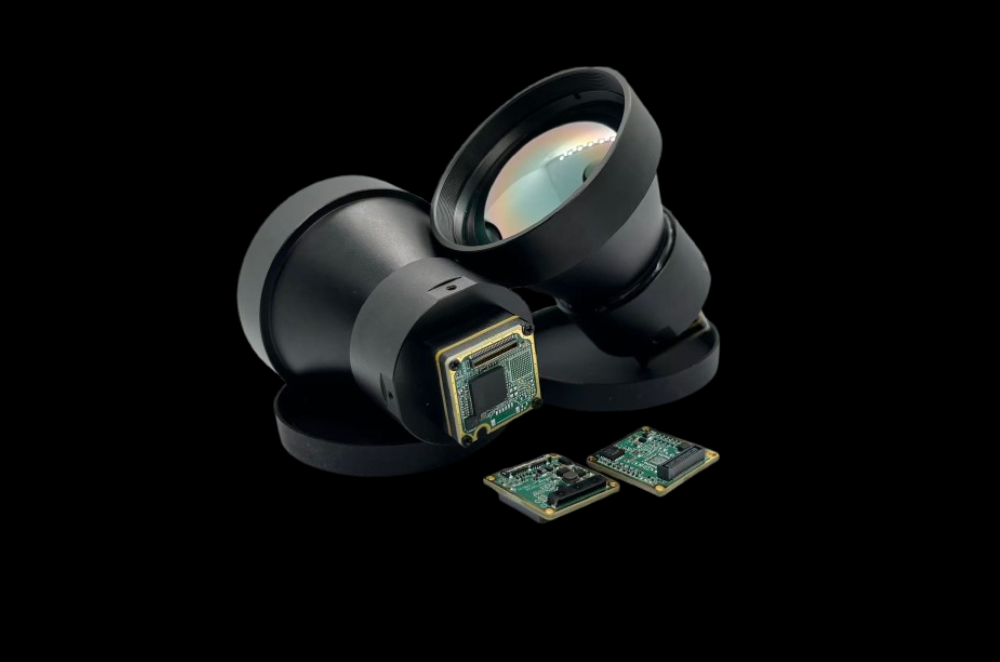
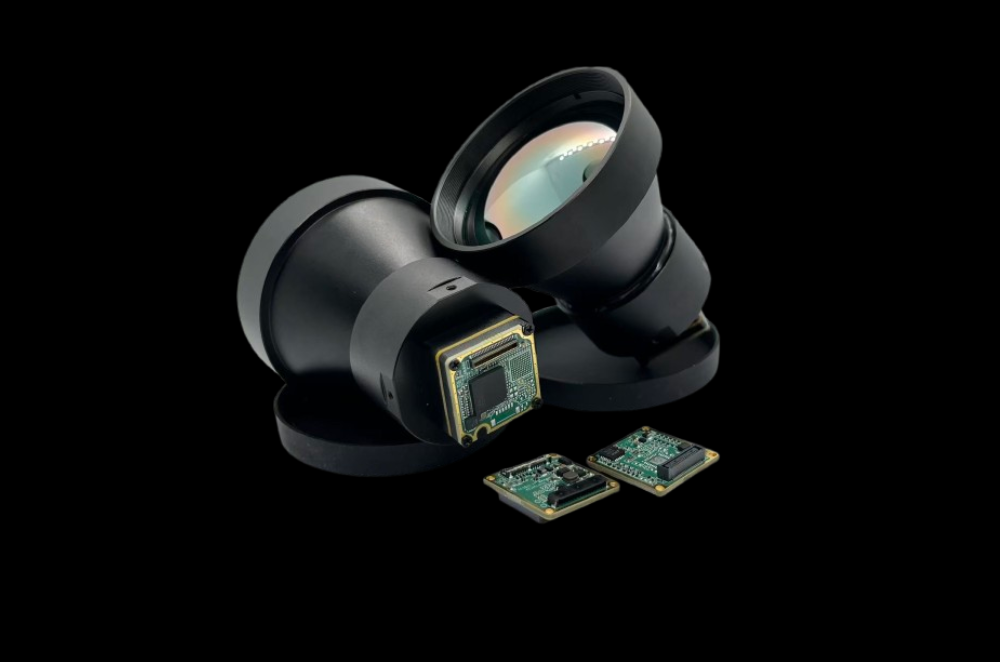
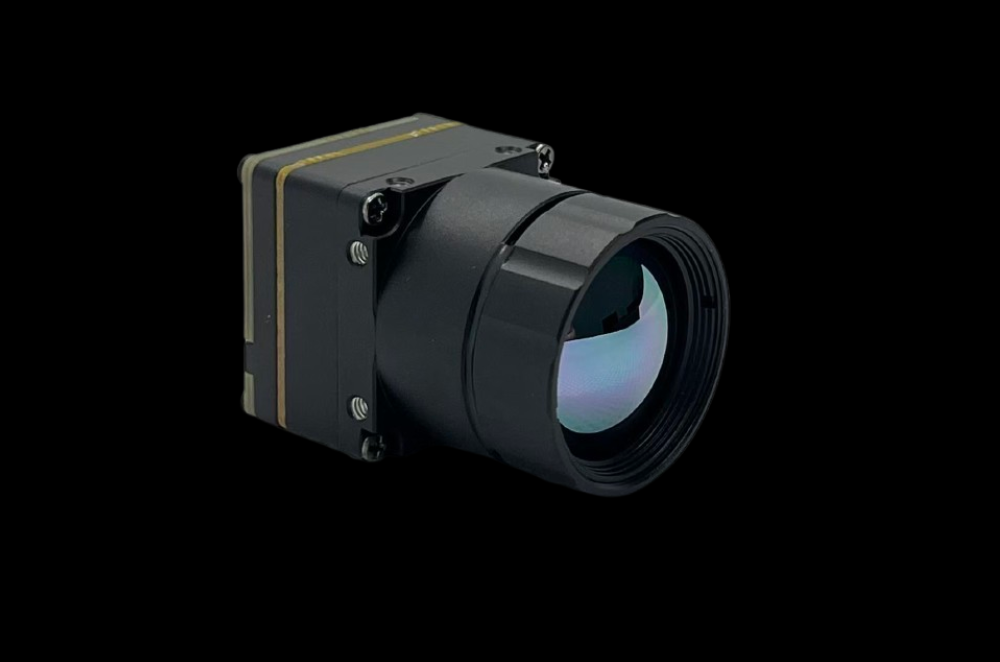
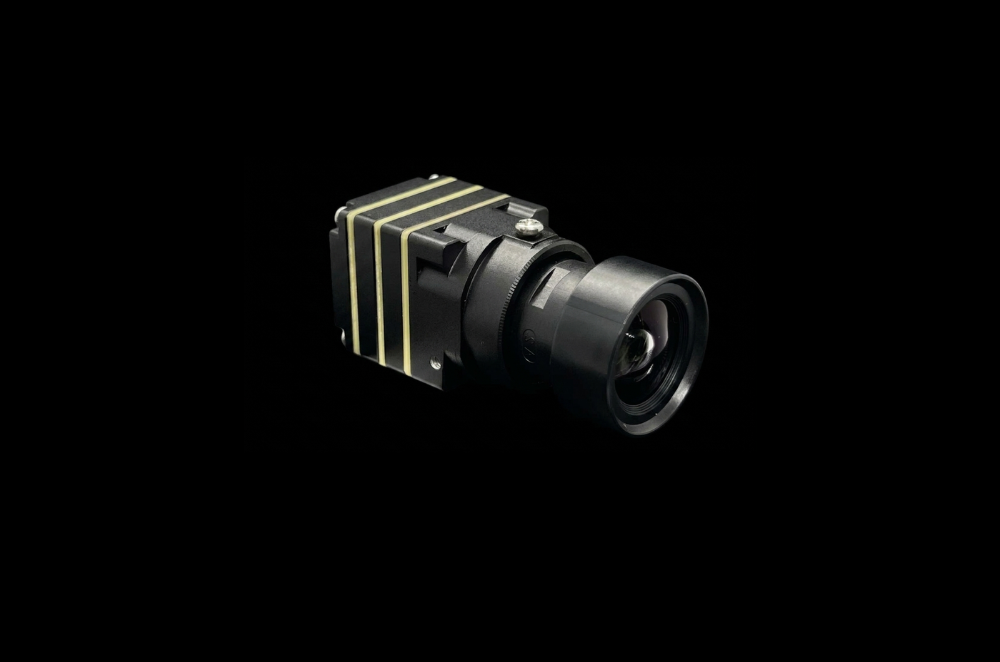
The XHC3135C-ABF delivers full-color starlight imaging to 4,200 meters detection with Auto Back Focus, filling the mid-range gap between short perimeter and long-range border sensors.
Coastal patrol and border programmes covering approach corridors in the 3,000 to 4,500 meter band have a narrower sensor problem than the outer detection layer: they need enough range to give a response team time to act, but not so much reach that the field of view collapses to a sliver an operator can barely track a moving contact within. Passive starlight electro-optics have closed most of that gap over the past several product generations, and the XHC3135C-ABF sits at the point in that range curve where detection distance and useful field of view are both still workable from a single fixed mount.
Mid-Long Range Starlight Performance
Built around a 135mm equivalent F1.2 lens and the same large-format CMOS sensor used across the XHC3 family, the XHC3135C-ABF reaches roughly 4,200 meters detection and 660 meters identification under NVESD test conditions, holding full-color imaging down to 0.0009 lux without any auxiliary lighting. The wider 16.3 degree field of view compared to the 240mm variant reduces the slewing an operator needs to maintain contact with a moving target inside the mid-range band.
Platform Compatibility
The camera ships as a sealed, outdoor-rated unit with RJ45, WiFi, and optional 4G connectivity, and integrates over ONVIF, RTSP, and PELCO into pan-tilt platforms and fixed-stare mounts alike, so the same unit can serve a slewing watch position or a corridor overwatch role without a hardware change. Auto Back Focus keeps the 135mm optic sharp through the thermal cycling a fixed outdoor mount experiences between a cold overnight low and a hot midday high, a detail that matters more at this focal length than on a wider-angle short-range camera.
Perimeter networks that already run a long-range outer sensor and a short-range inner sensor have historically left the middle band underserved, since neither existing sensor class was really built for it. The XHC3135C-ABF is positioned to close that gap, giving programme offices a mid-tier option that shares interfaces and protocol support with the rest of the XHC3 family so the same VMS integration covers every range tier in the network.