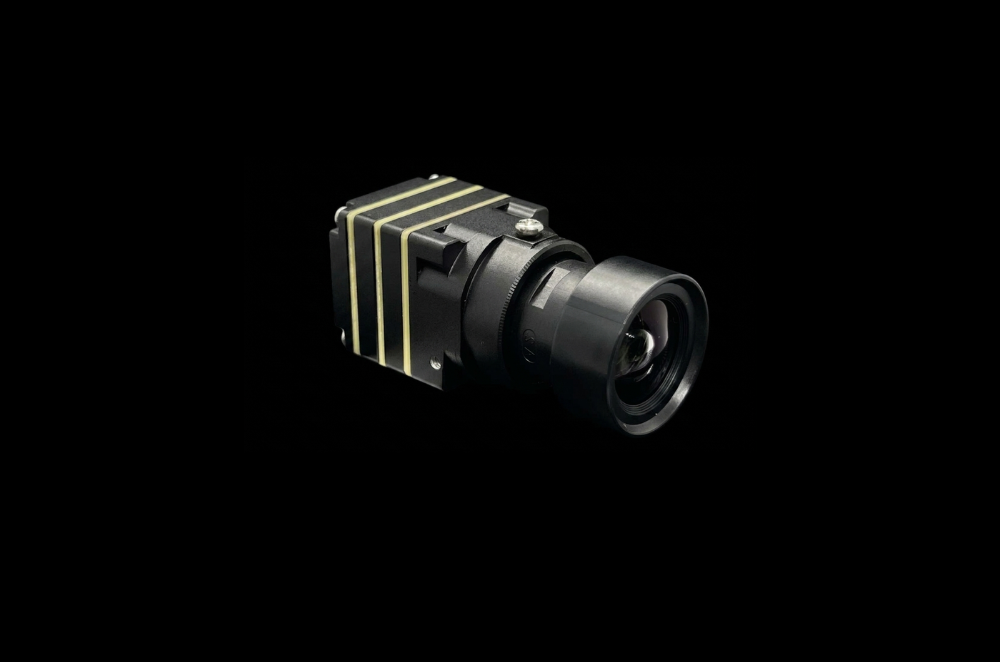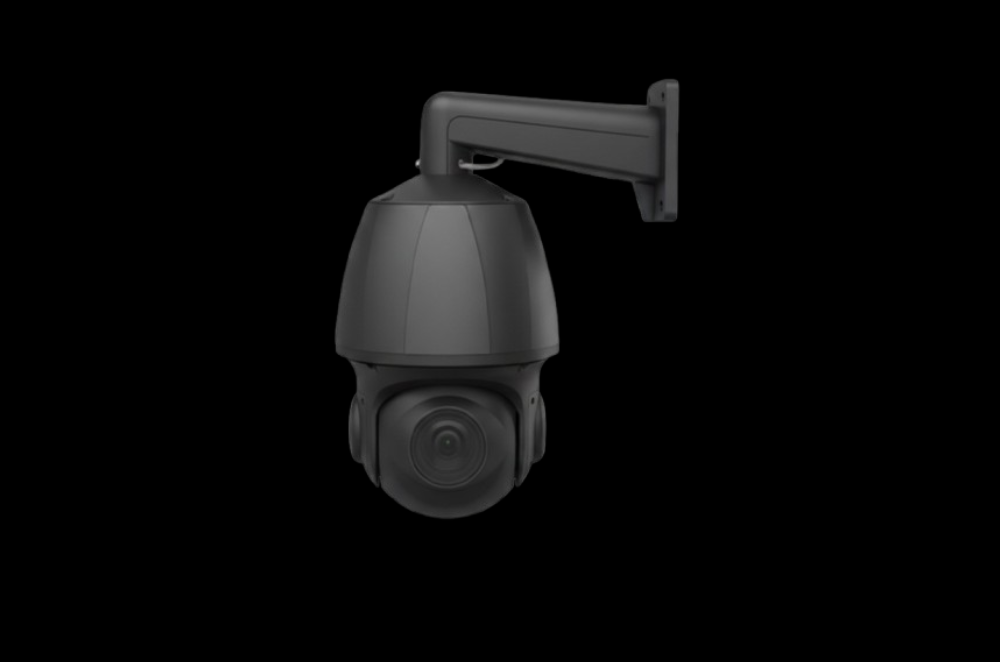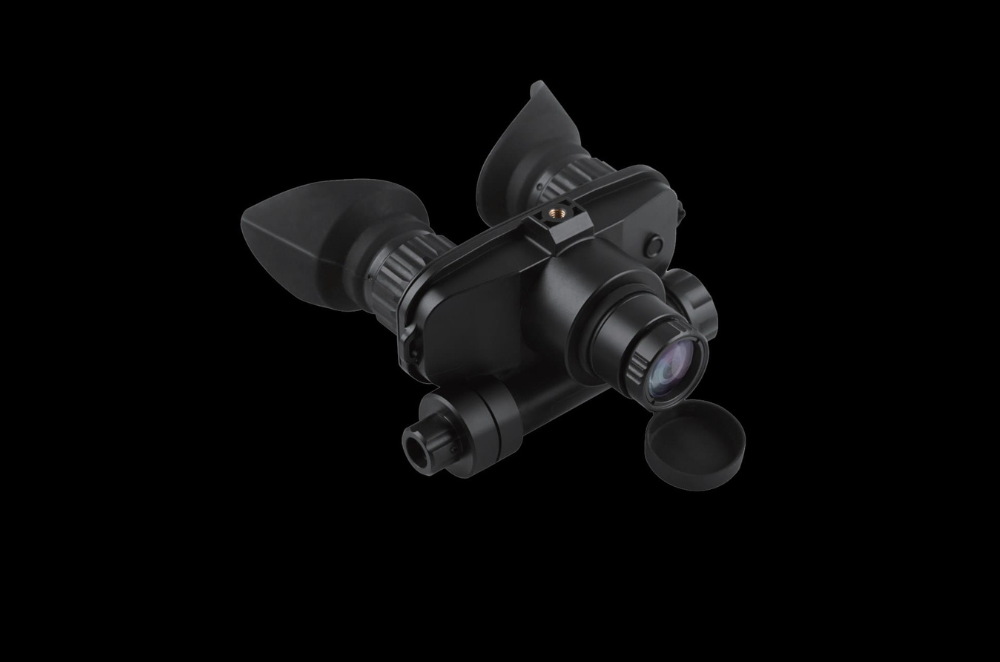
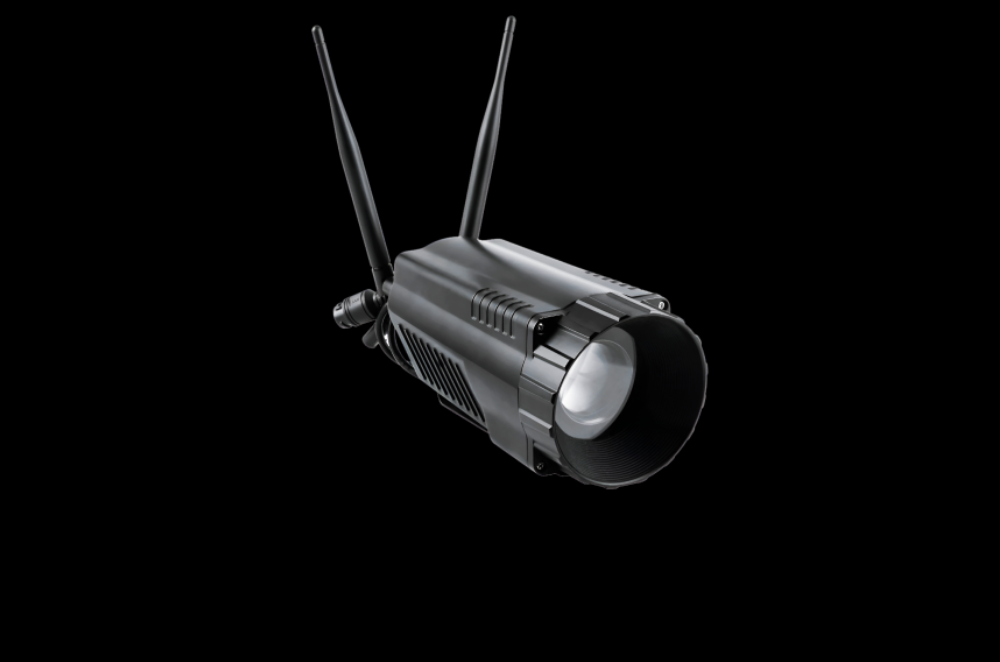
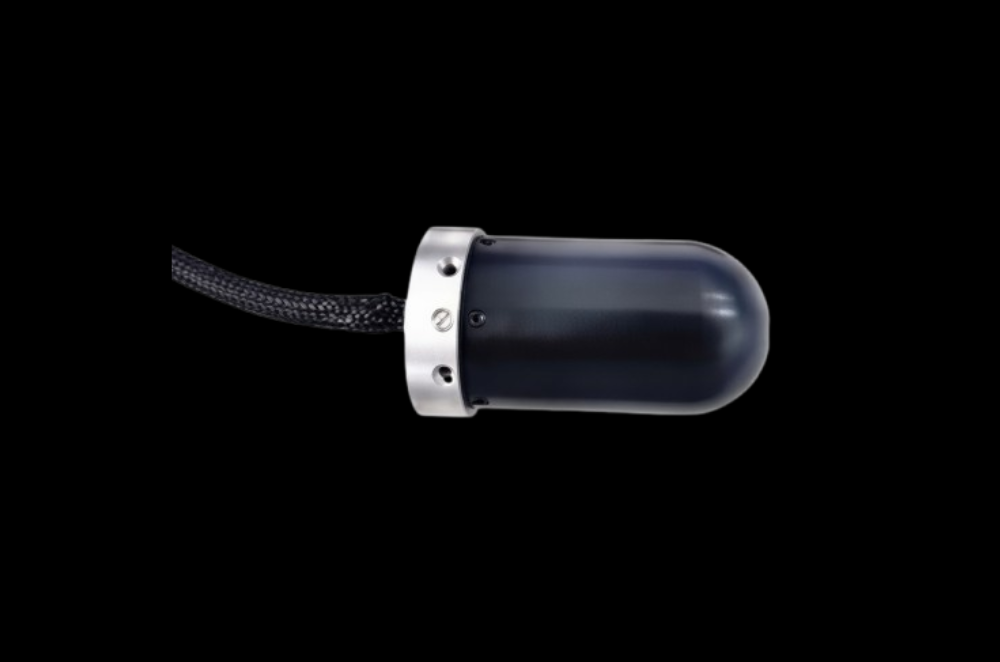
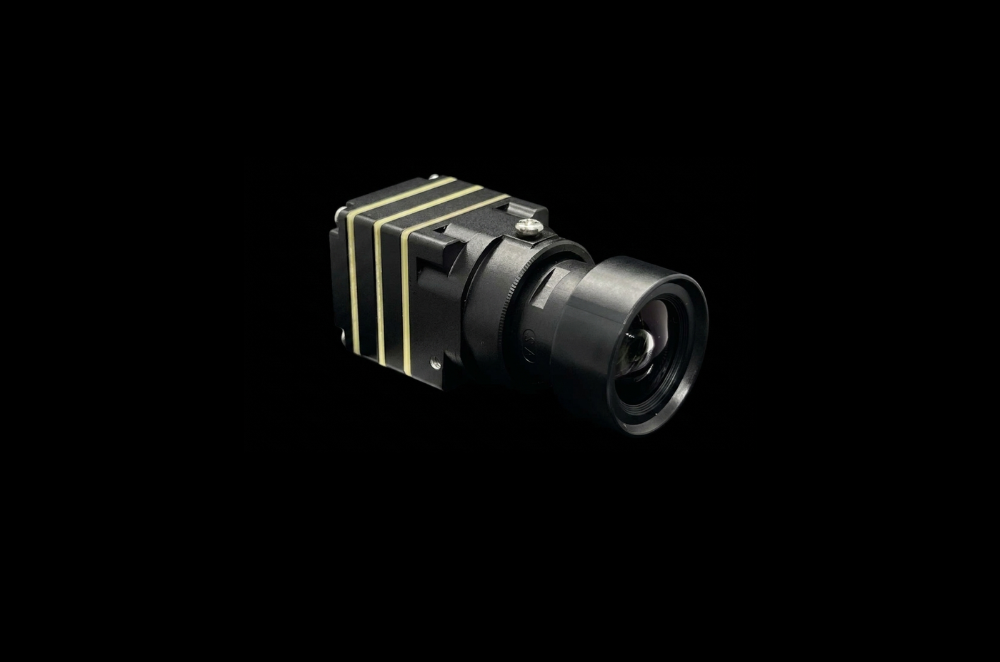
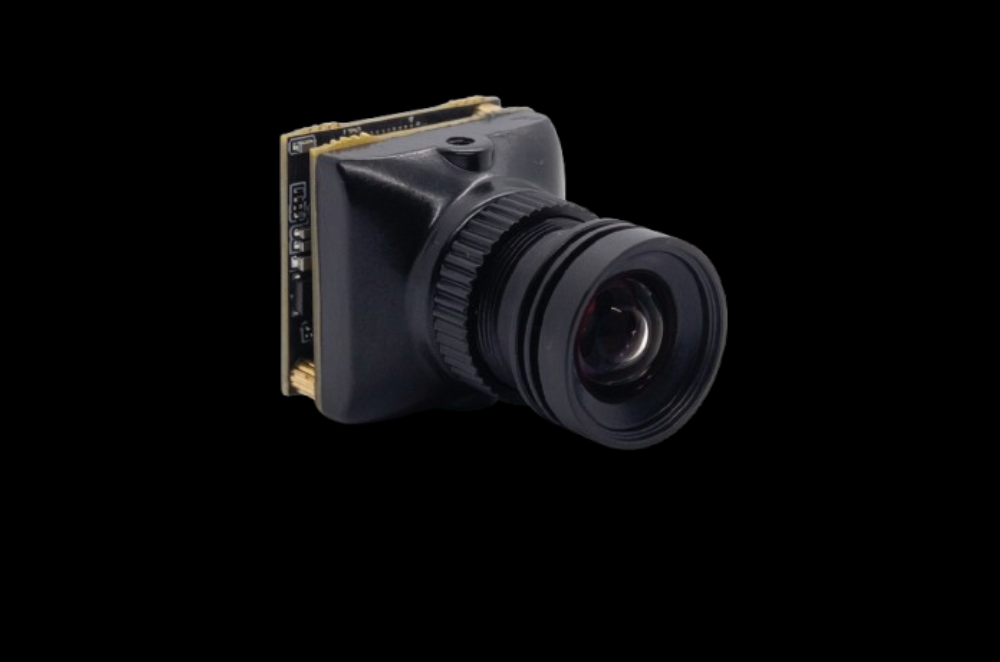
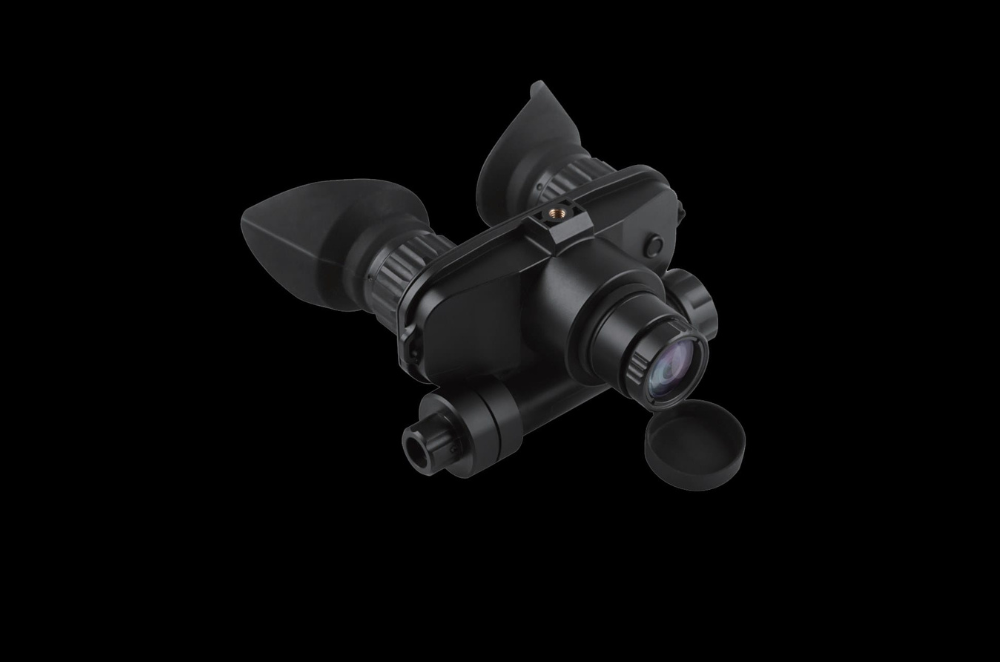
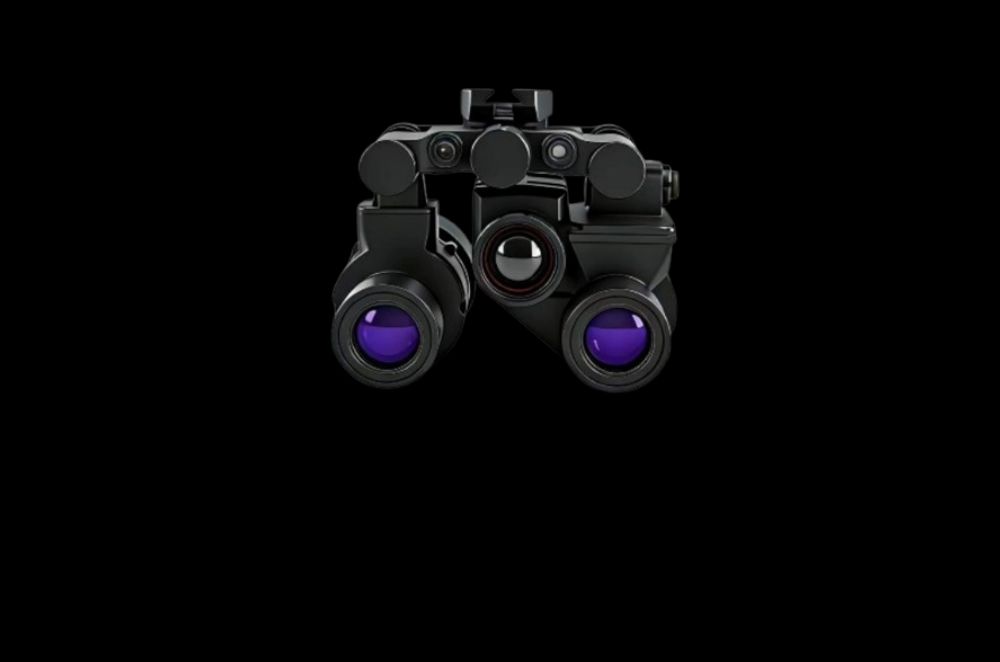
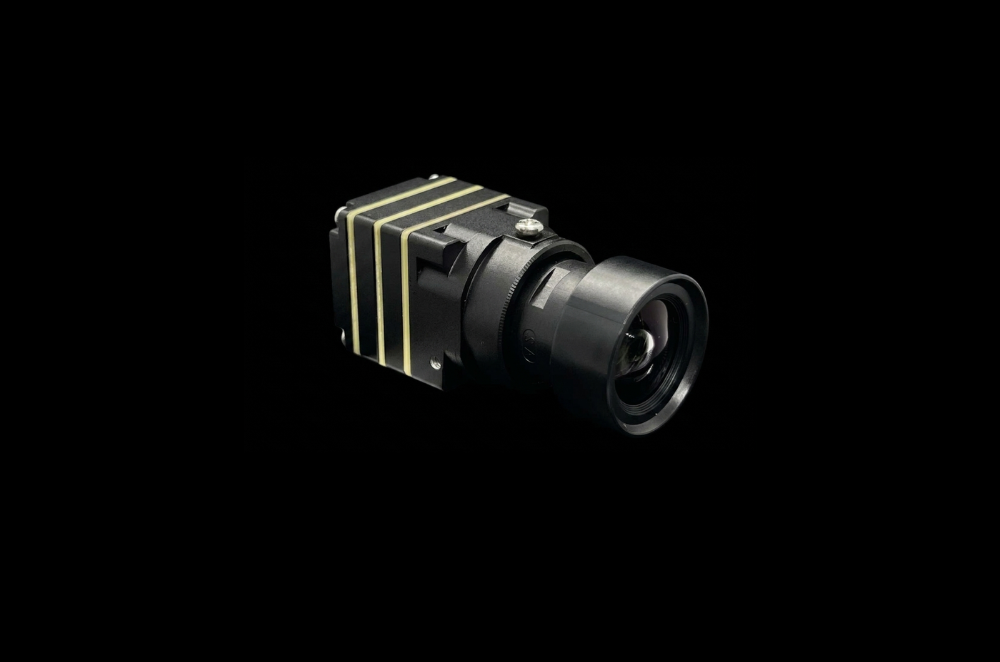
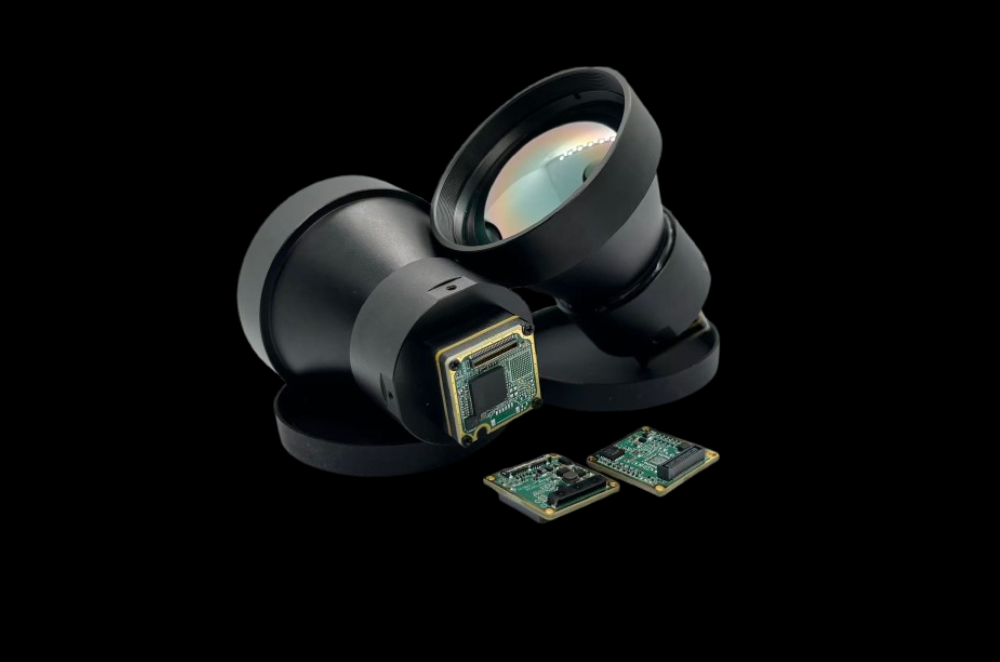
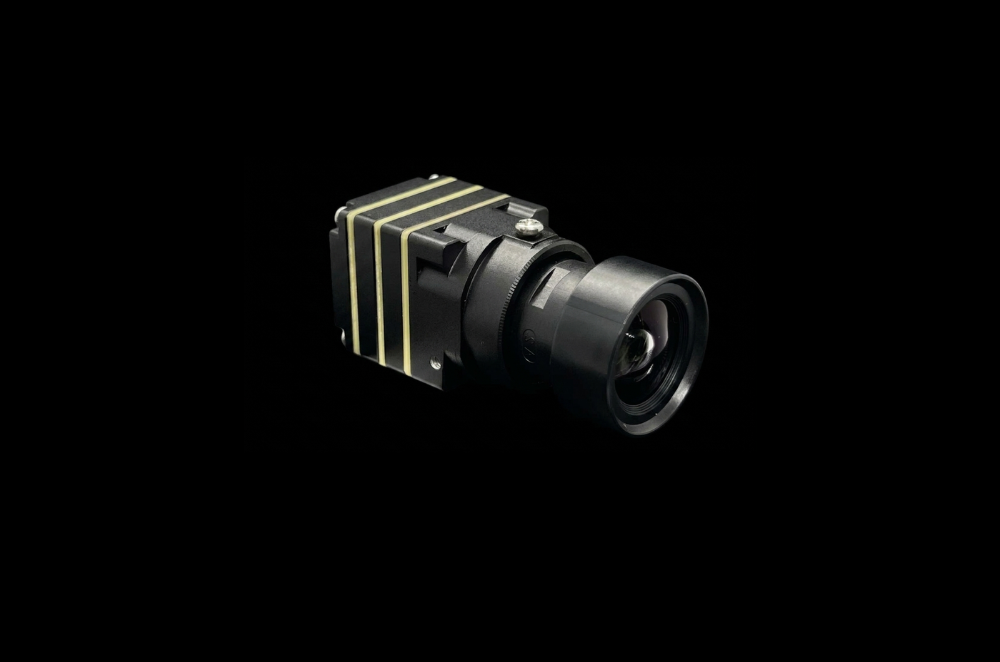
Star-Navi's new XHC8 and XHM8 camera series pushes starlight-sensitive imaging across three range tiers for border, coastal and perimeter security.
Closing the Gap Between Border Lines and Confirmed Detections
Long, unlit border corridors and coastal approaches remain one of the hardest problems in perimeter security. Fence lines and shorelines stretch for kilometers, a patrol cannot watch every meter continuously, and lighting up a position to see who is crossing it usually announces that position to the person crossing it. Thermal imaging solved part of that problem by reading heat instead of light, but it answers a narrower question than most control rooms need, confirming that something warm is moving without saying much about what it is.
Starlight sensitive CMOS sensors have spent the past several years closing that second gap, and Star-Navi's new XHC8 and XHM8 series pushes the approach across a wider span of ranges than the company has offered before. Both lines share the same imaging core, a large format CMOS sensor capable of resolving color or black and white video down to illumination levels as low as 0.00007 lux, dim enough to work under nothing but starlight and cloud cover with no auxiliary infrared lamp switched on anywhere near the camera.
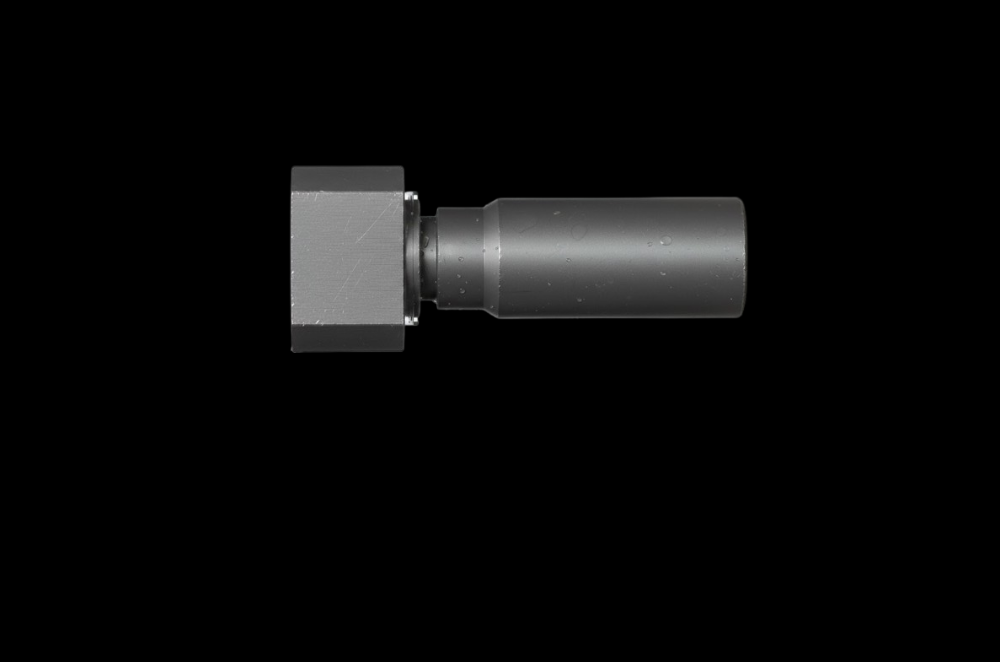
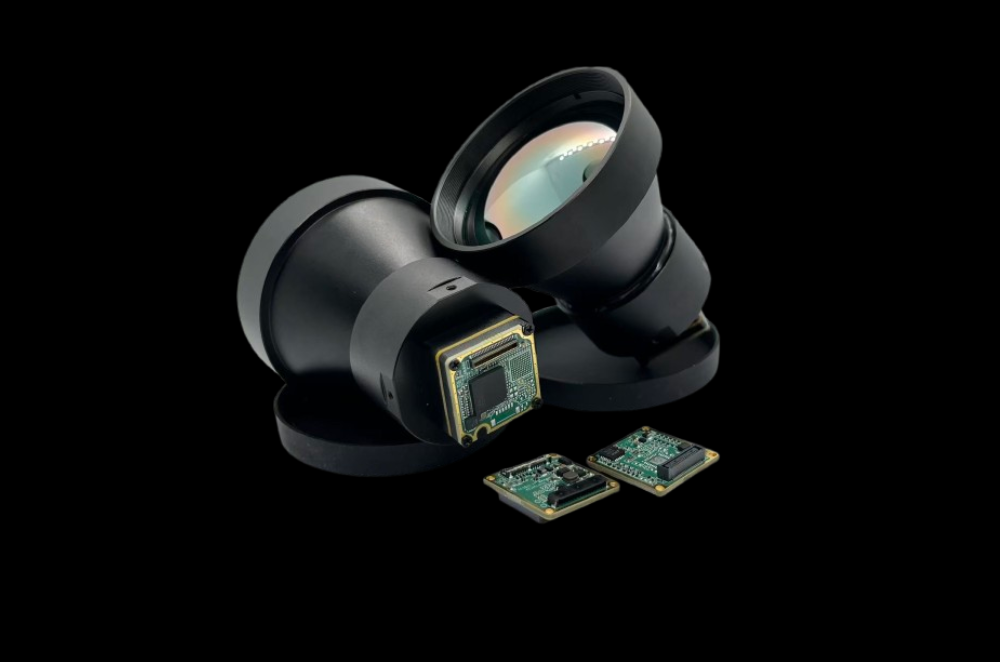
The series ships in three optical configurations. A 135 millimeter motorized lens on the longest tier pushes detection out toward 5,880 meters in its black and white configuration, aimed at operators watching a coastline or a border corridor from an elevated mast where the horizon matters more than the near field. A 50 millimeter version trades some of that reach for a wider view suited to fence lines and approach roads, and a fixed focus 12 millimeter model closes out the range with a 97 degree field of view built for gates, yards and compound entrances where covering the full width of an opening matters more than seeing to the horizon.
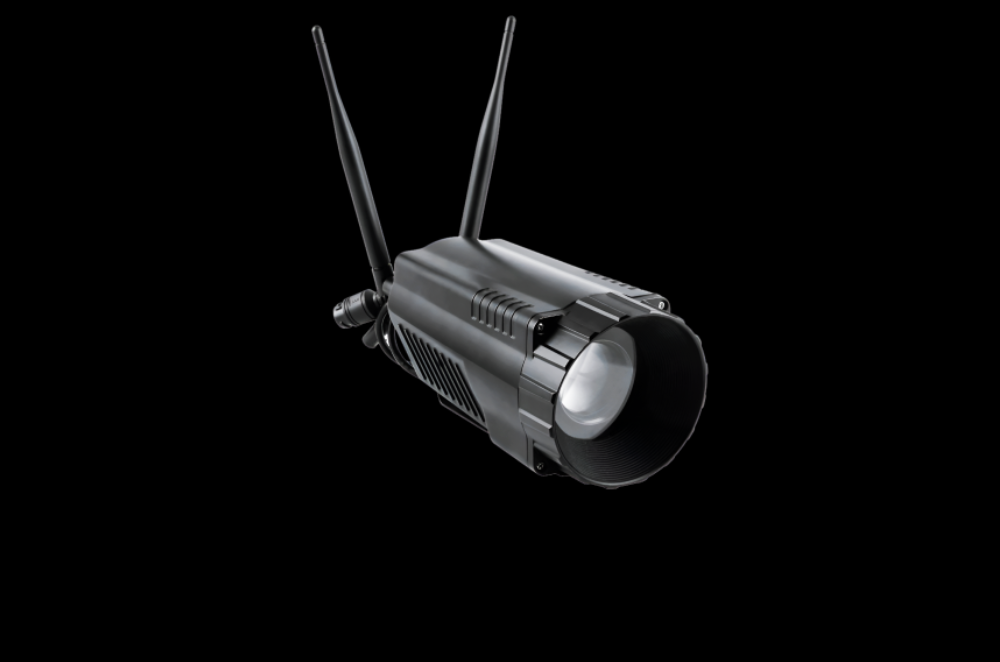
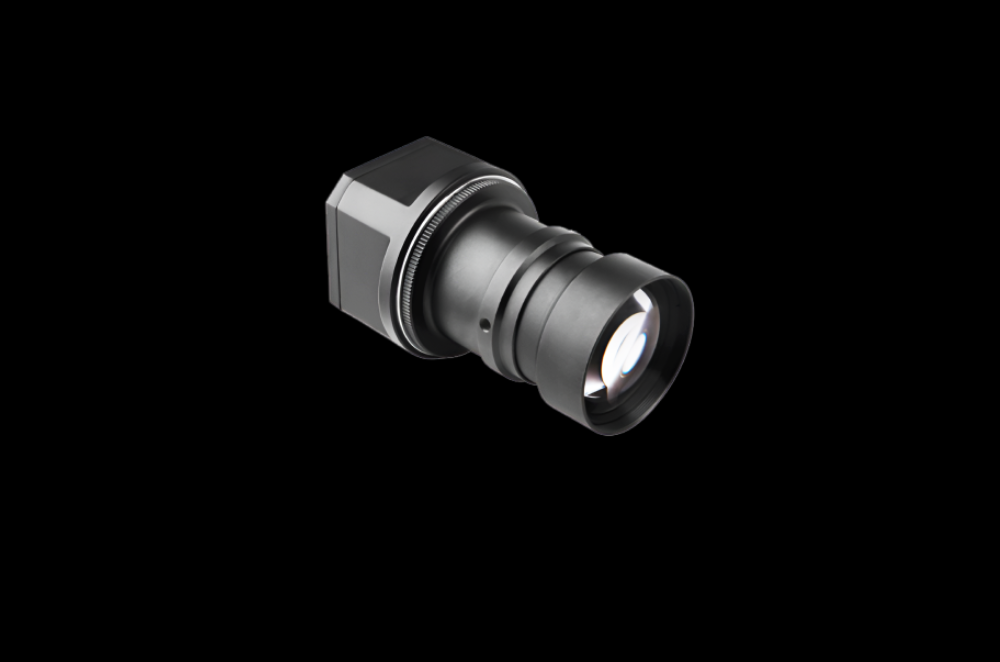
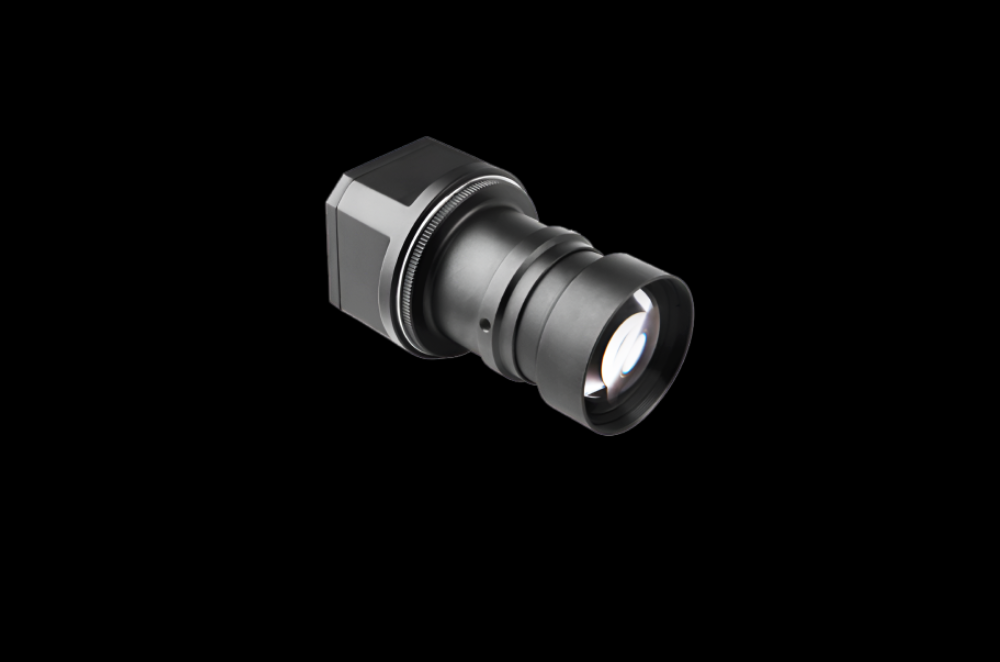
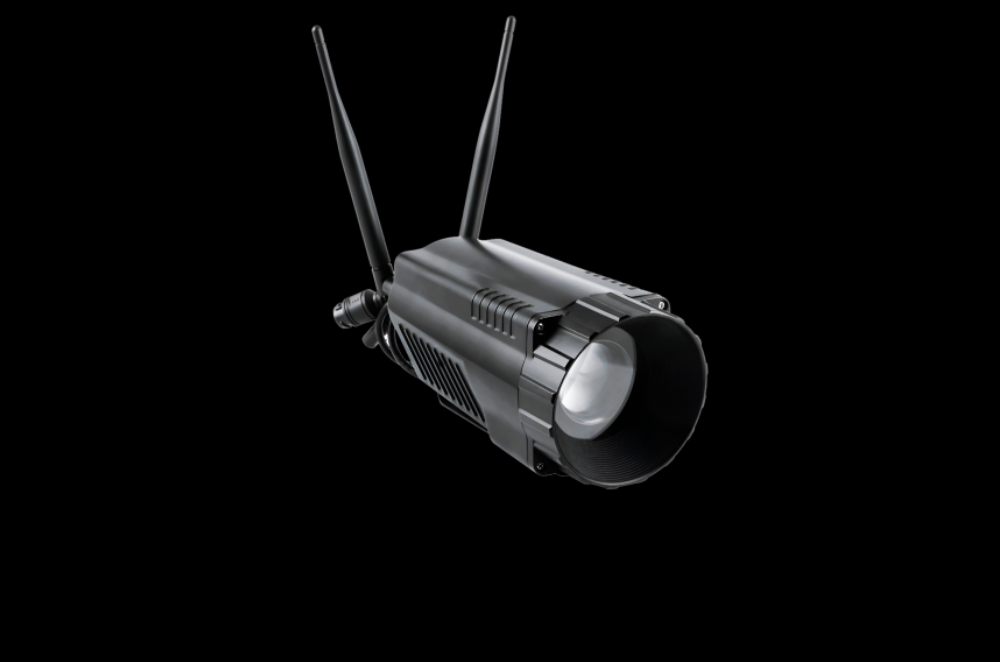
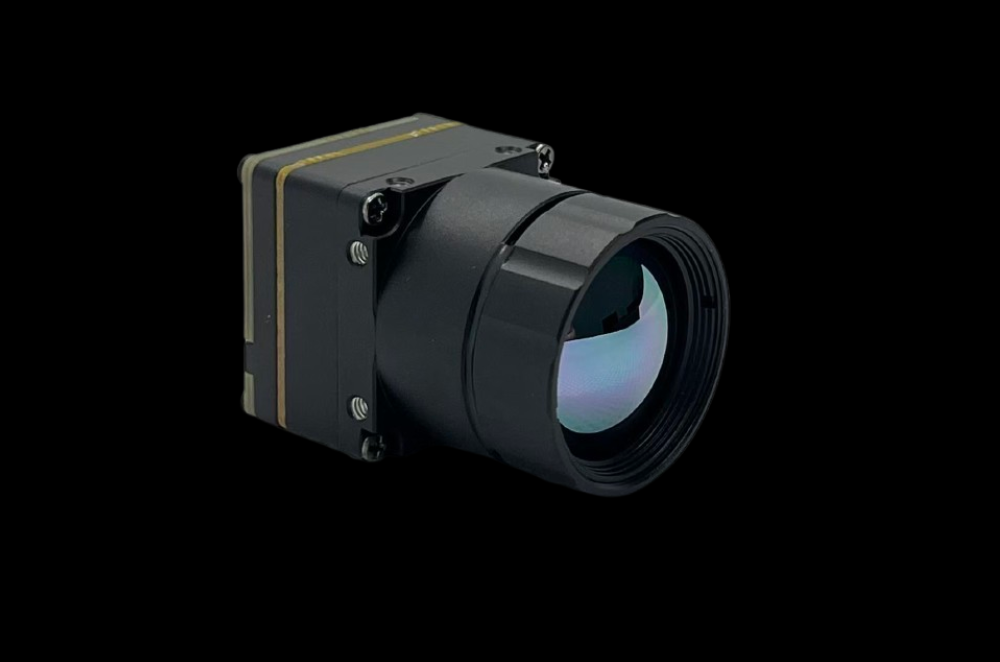
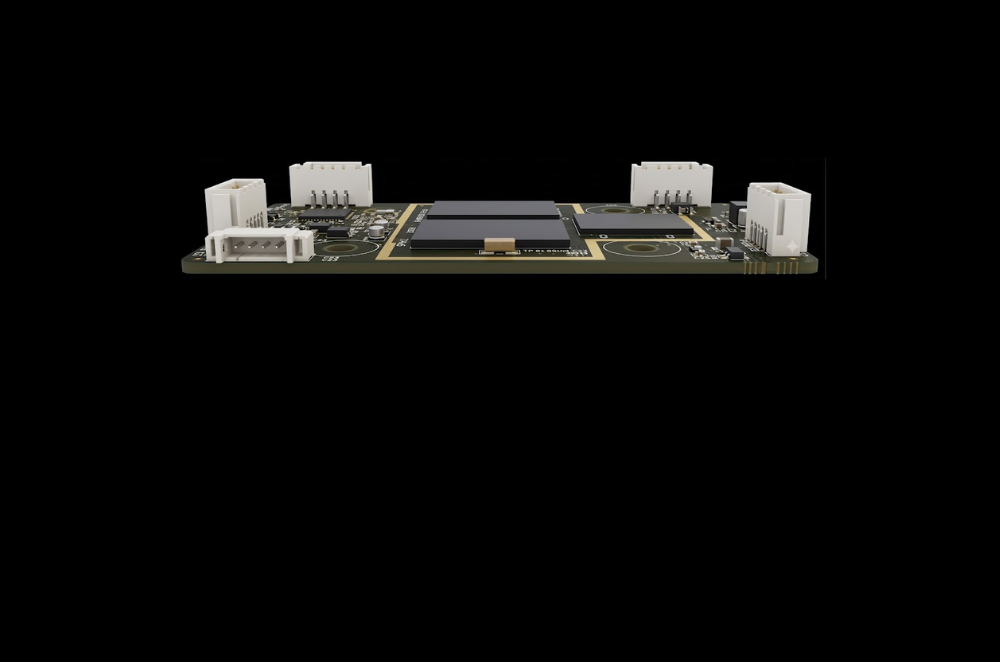
What sets this launch apart from a straightforward optics refresh is that every configuration is available in two physical forms. The XHC designation covers a complete, enclosed camera ready to mount on a pole or tower and power over a standard 12 volt or PoE connection. The XHM designation strips away the housing entirely, leaving a bare imaging core intended for integrators who want to build the sensor into their own gimbal, mast head or custom enclosure rather than work around a finished camera body. Electrical interfaces and imaging performance carry over unchanged between the two, so a systems integrator can prototype against the packaged camera and then move to the bare module for production without requalifying the optical path.
Every unit in the series streams over ONVIF and RTSP with PELCO support for legacy control systems, and onboard AI alerting can flag global, cross border or regional detection events without sending raw video to a control room for a human to triage first. Border agencies and infrastructure operators weighing thermal against low light optics have generally had to choose between a heat signature and a recognizable picture. Star-Navi's series argues that recent sensor gains mean fewer operators should have to choose.