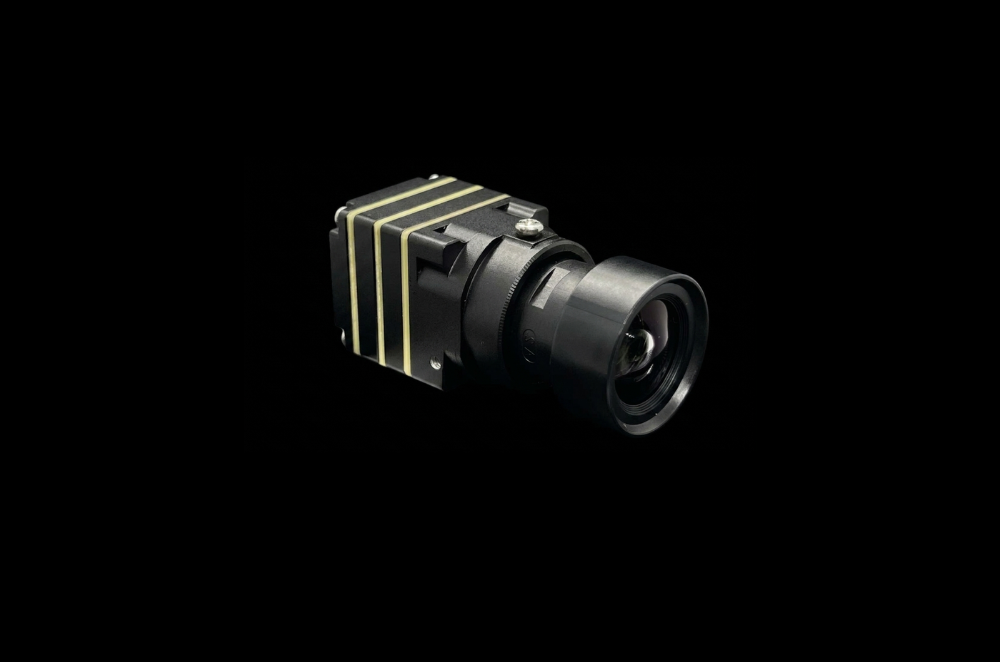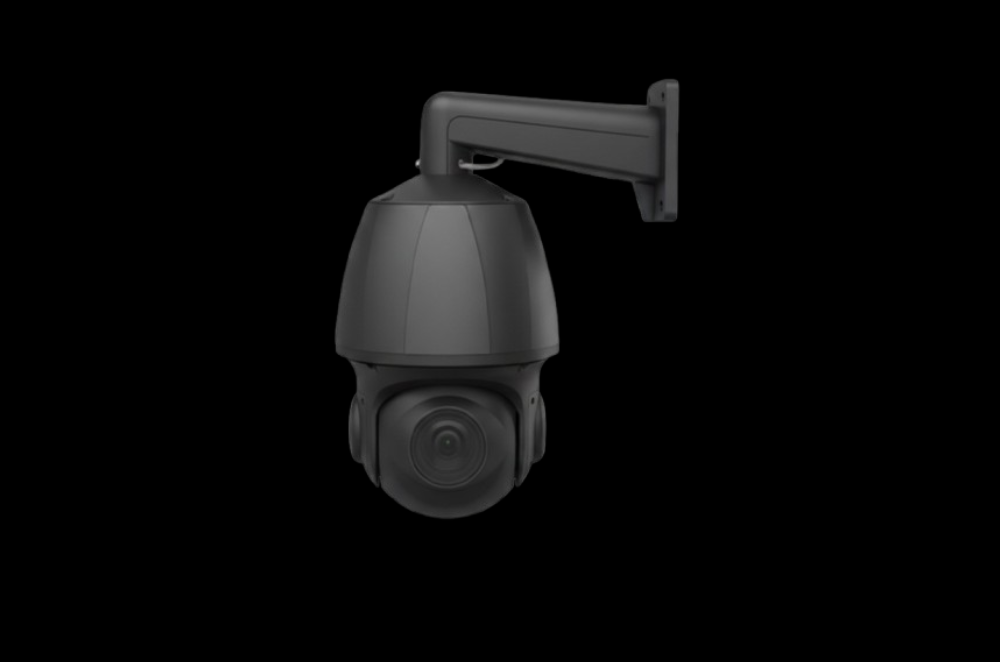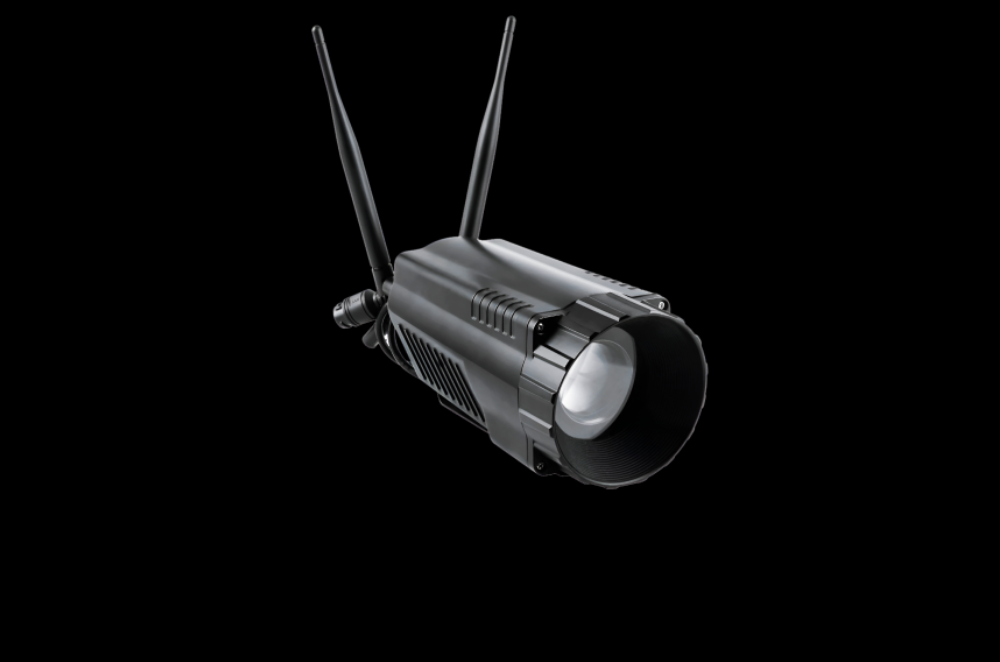
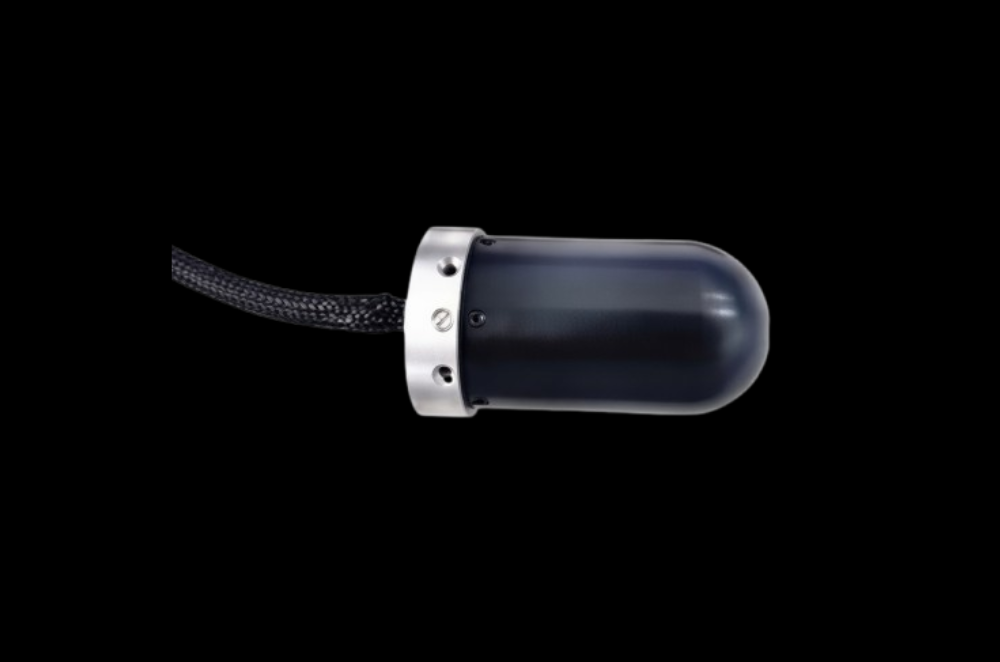
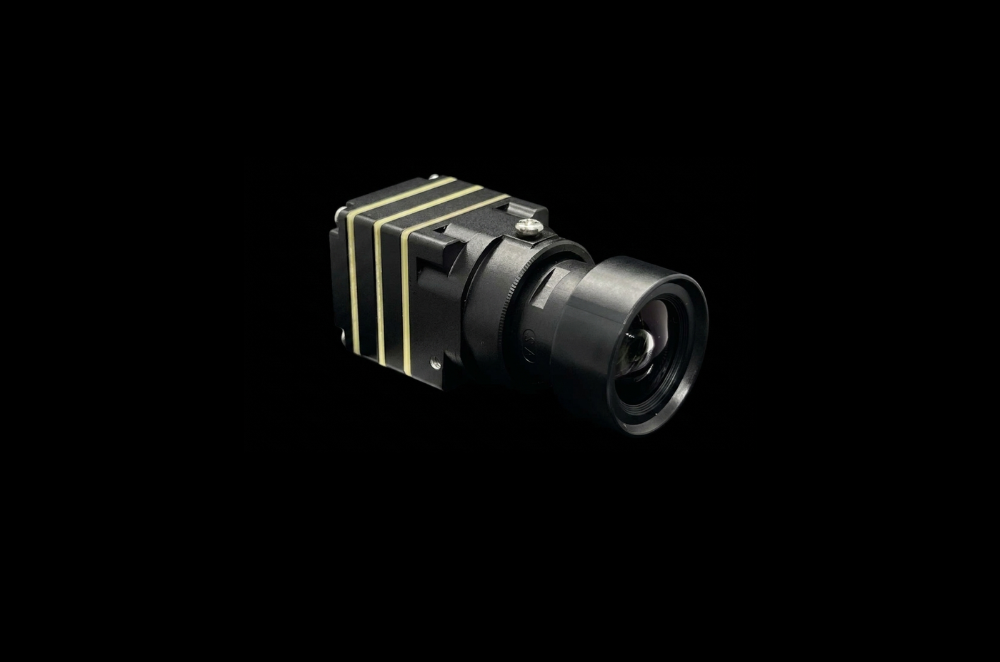
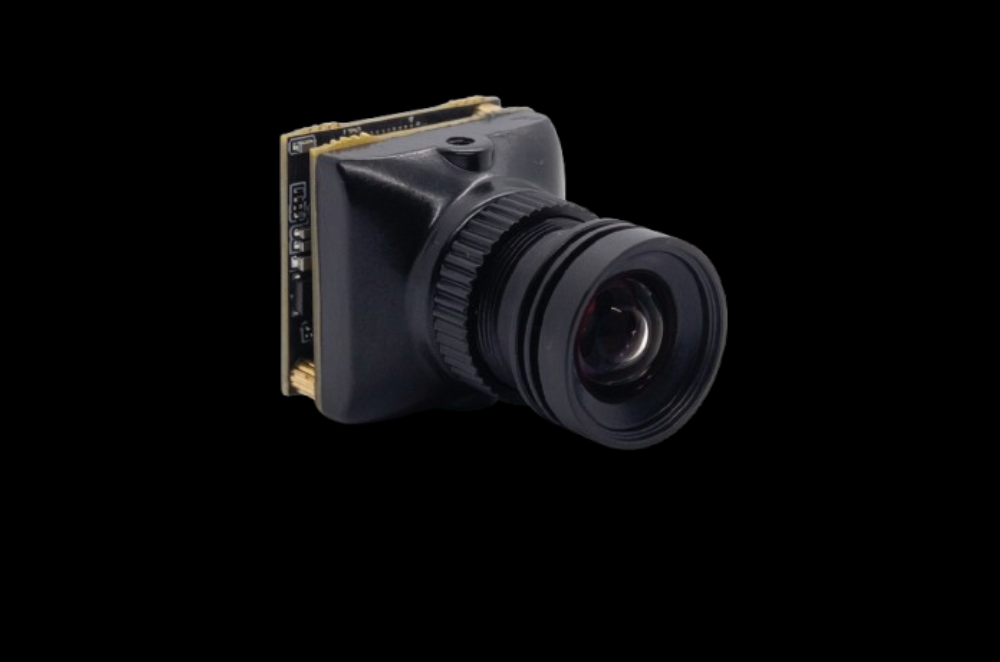
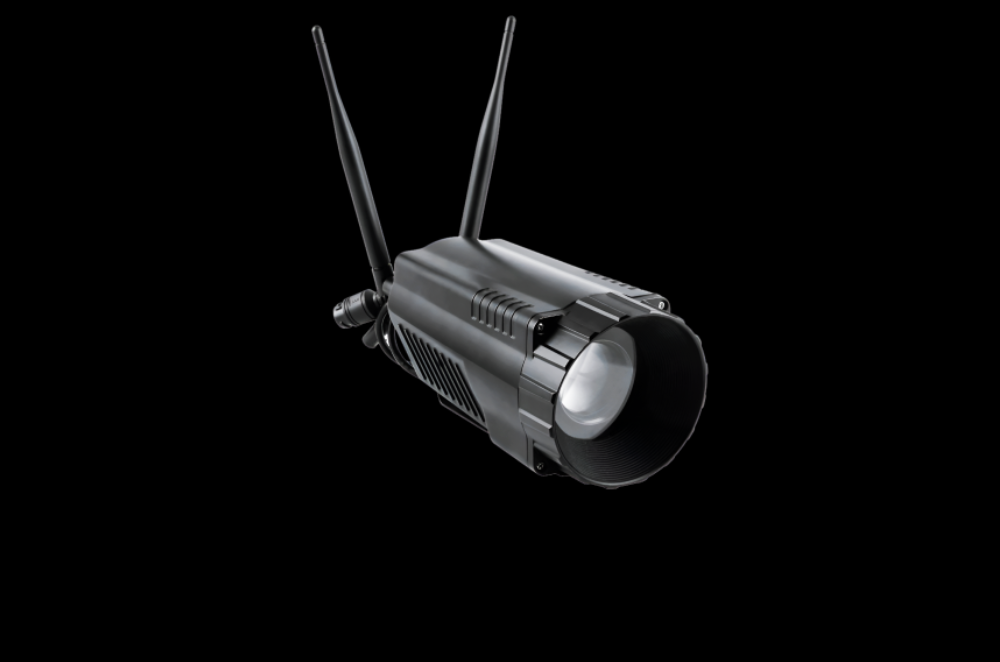
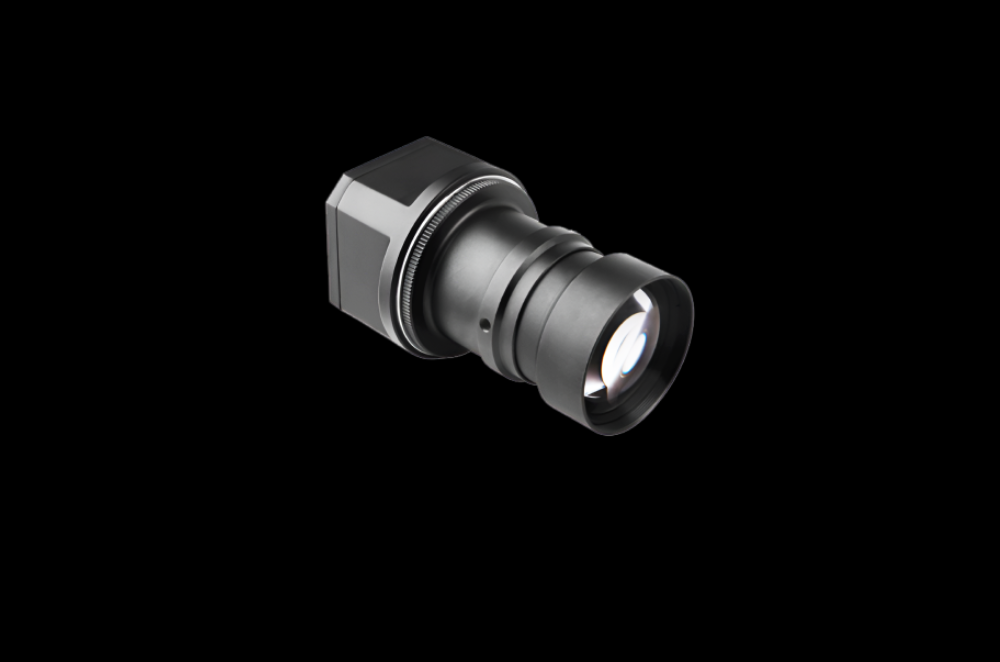
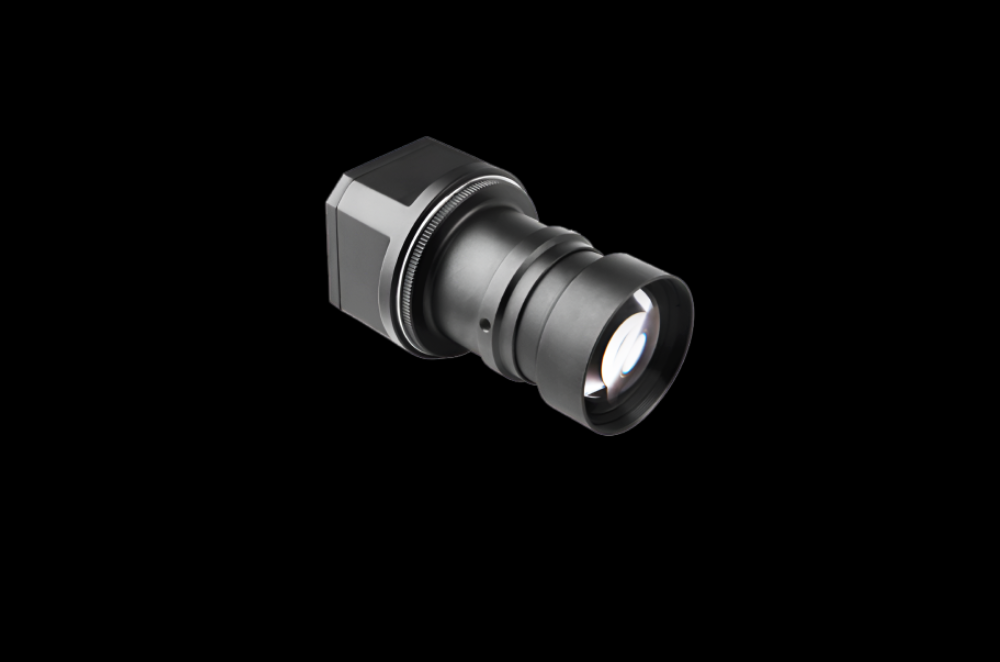
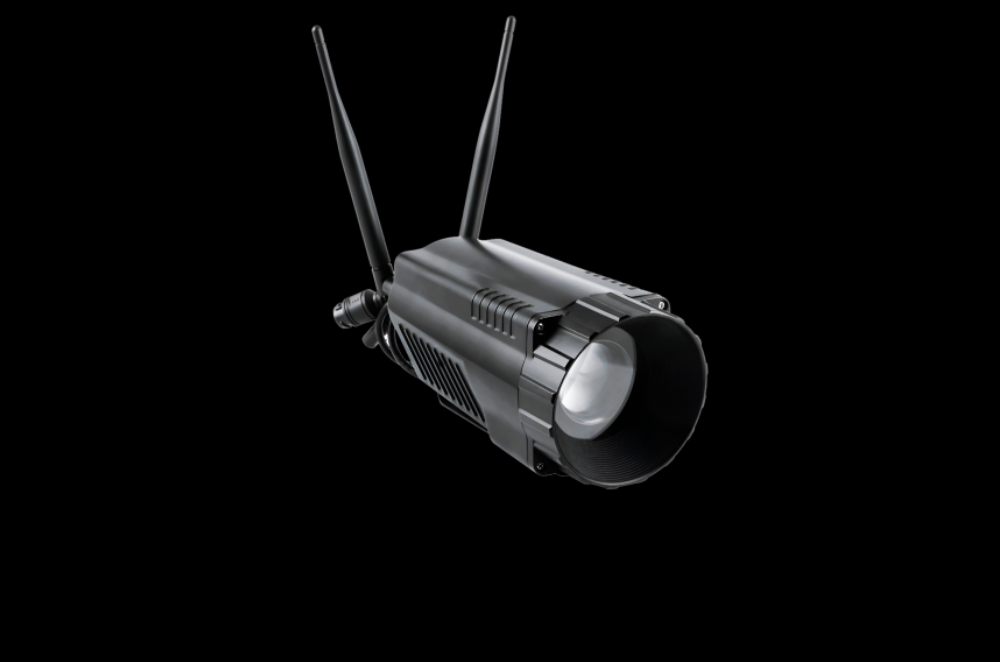
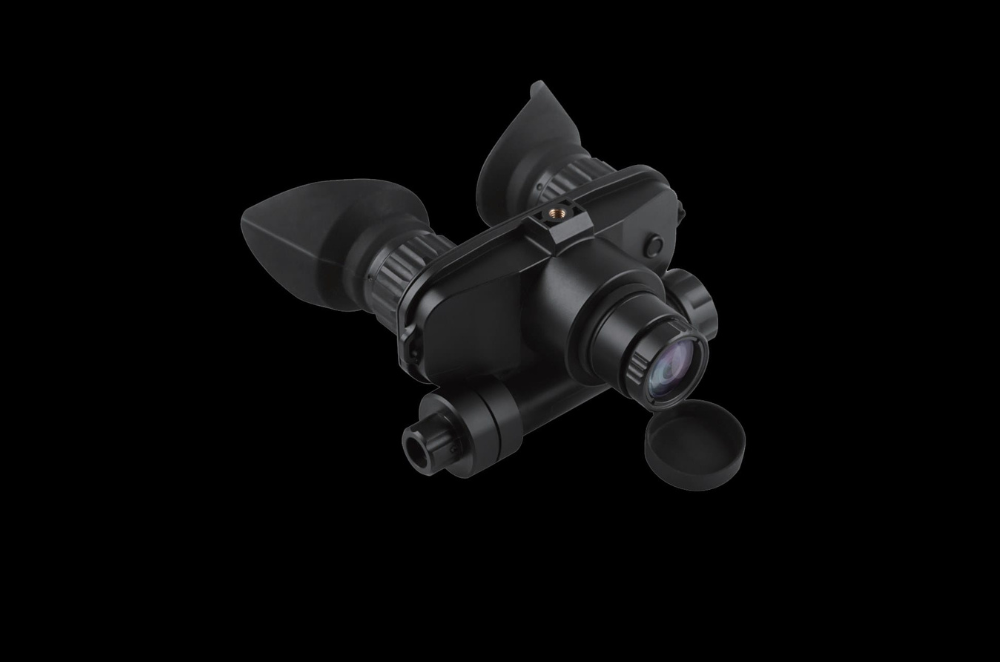
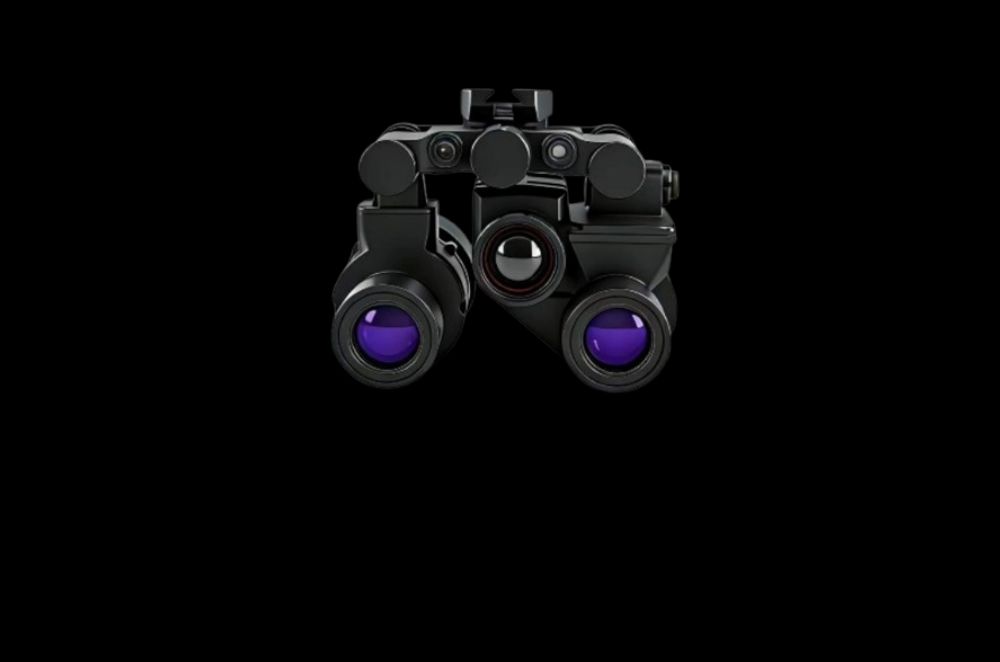
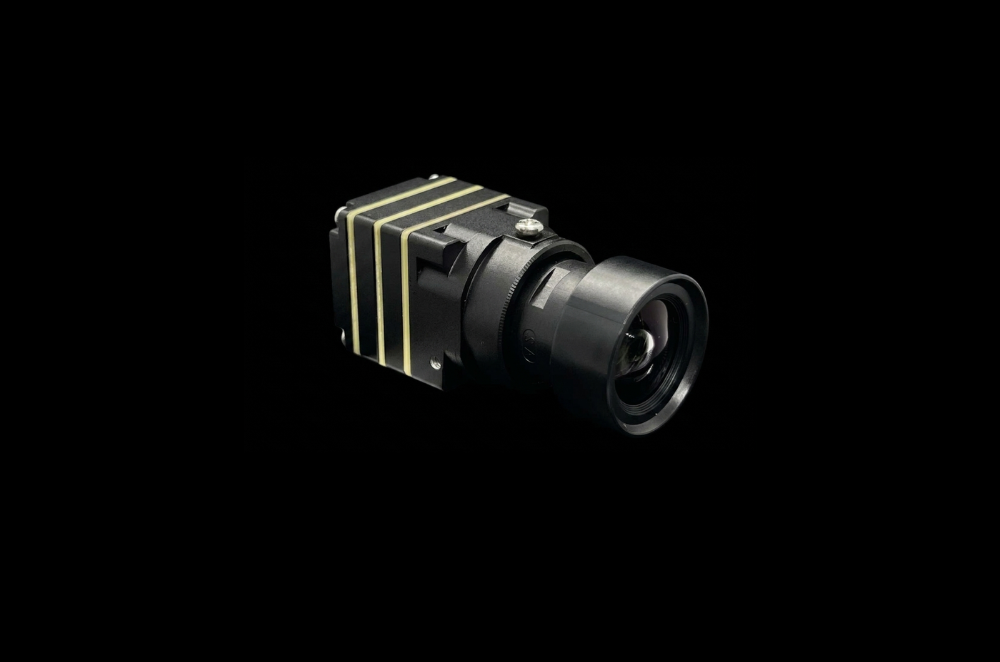
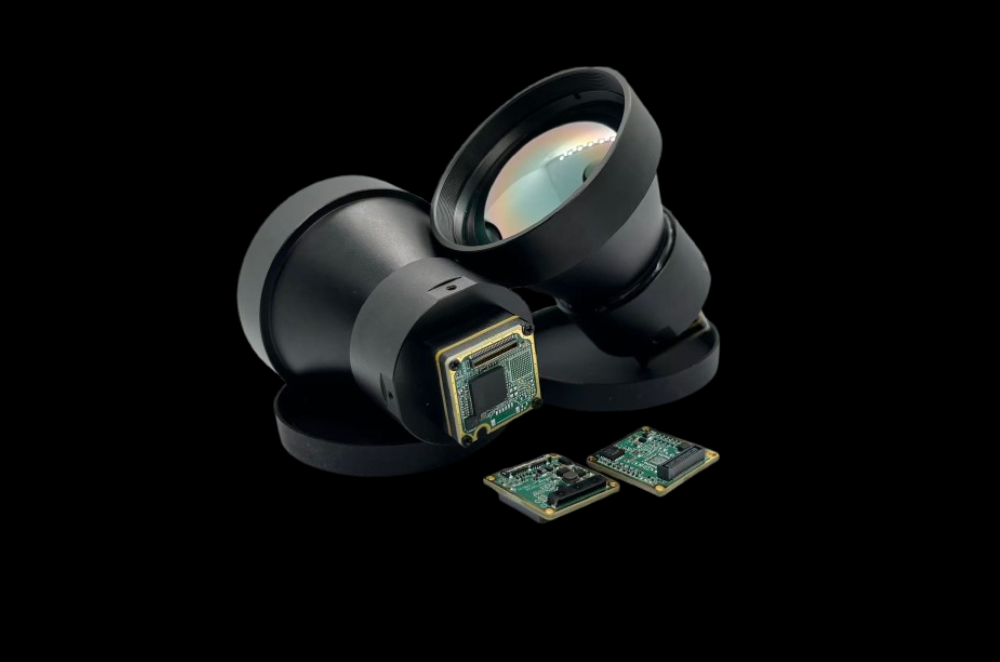
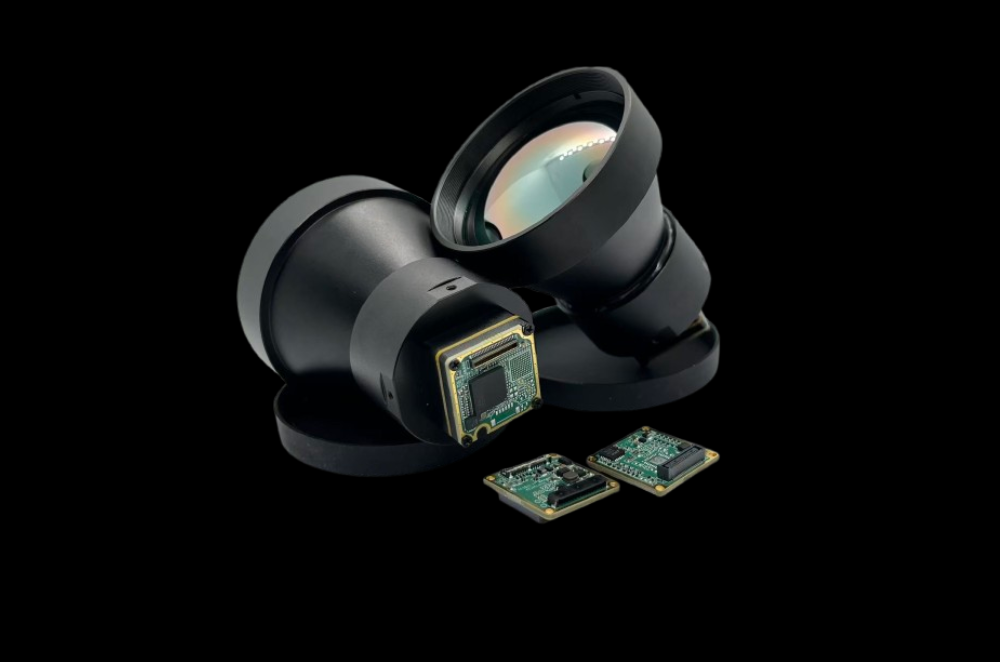
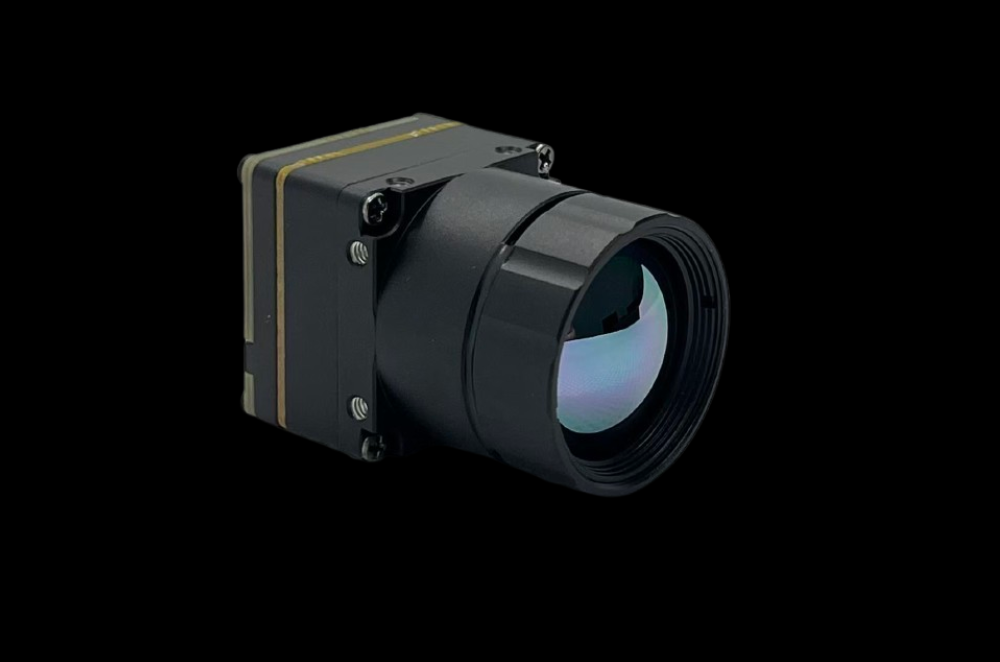
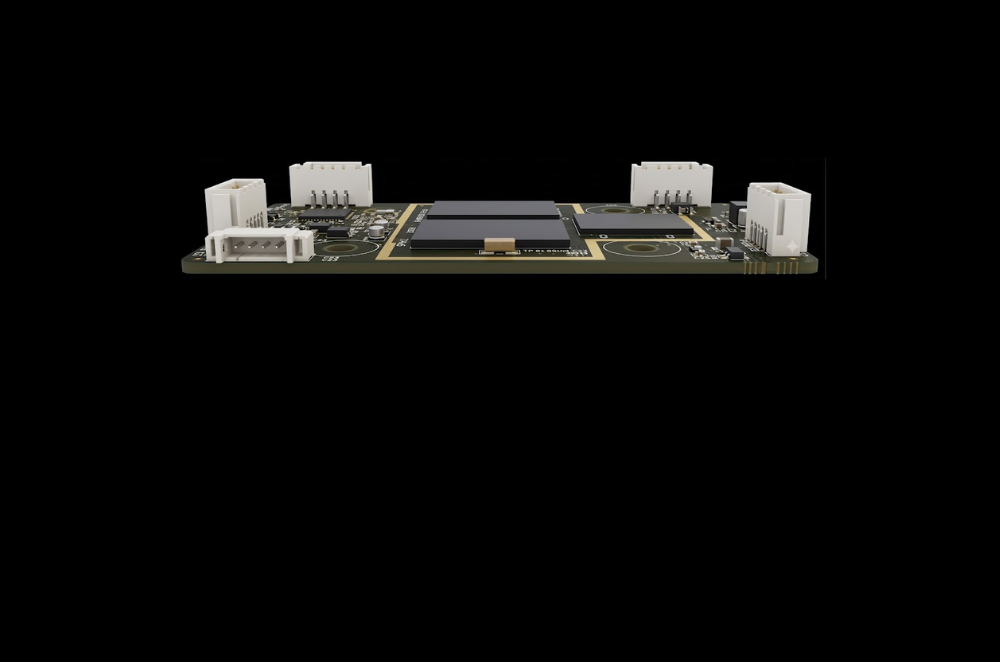
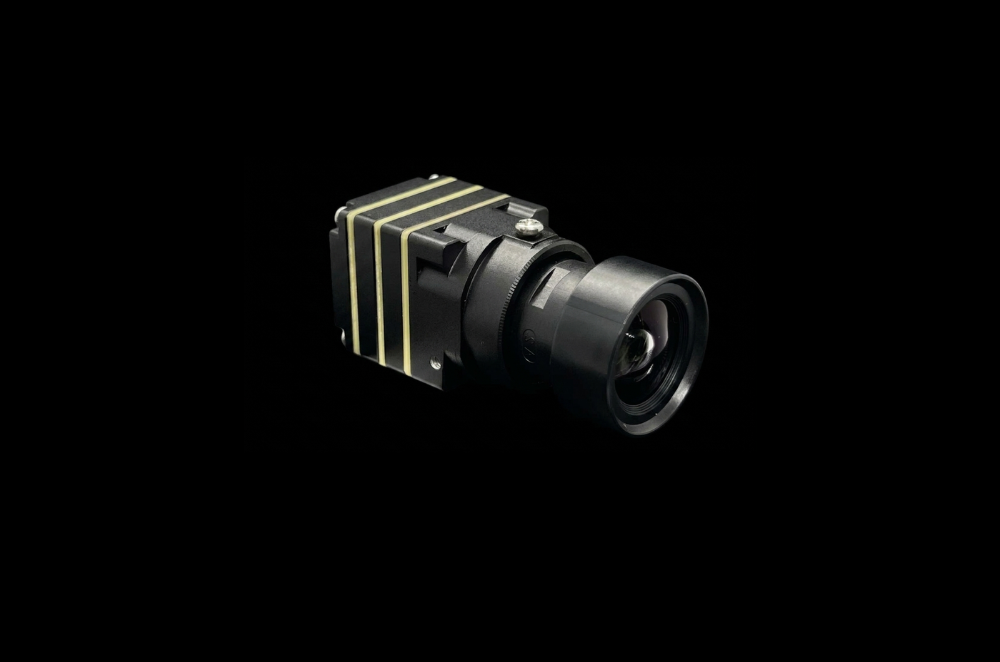
The XHC3016C delivers a 50 degree field of view and 1,760 meter starlight detection, covering checkpoint and gateway approach corridors from a single fixed mount.
Facility perimeter programmes with checkpoint and gate approach corridors under roughly 1,800 meters have increasingly pushed back against long-range telephoto cameras that were originally spec'd for open border terrain, since a 240mm or 135mm optic is simply more range than a gate approach needs and comes with a narrower field of view that complicates coverage of a wide arc. That mismatch has driven demand for a shorter, wider-angle option within the same starlight-capable product family, which is the role the XHC3016C fills in the XHC3 lineup.
Wide-Arc Coverage at Medium Range
The XHC3016C pairs a 16mm F1.2 lens with the same large-format starlight CMOS sensor used across the series, reaching approximately 1,760 meters detection and 275 meters identification under NVESD test conditions, with a 50 degree horizontal field of view that covers a full checkpoint approach arc without motorised slewing. Unlike the 135mm and 240mm ABF variants, the XHC3016C uses manual or fixed focus, which keeps the mechanism simpler for a camera whose focal length rarely needs remote correction after installation.
Checkpoint and Perimeter Gateway Use
Entry control points at military installations, facility gates, and border crossing lanes need continuous coverage of the approach corridor from a single fixed mount, and the XHC3016C's 50 degree field of view does that without requiring an operator to slew a narrower camera across the lane as vehicles or pedestrians move through it. Standard IP output over ONVIF, RTSP, and PELCO integrates directly into existing access control and video management infrastructure, and the AI guarding modes for global, cross-border, and regional alerting handle basic event detection without offloading that work to a separate analytics server.
Outlook for Layered Perimeter Networks
Programme offices assembling tiered networks that pair long-range outer sensors with recognition-range inner cameras are increasingly filling the recognition layer with wide-arc, medium-range units rather than repurposing long-range telephoto cameras for a role they were not optimized for. The XHC3016C is built specifically for that recognition-layer position, and its shared ONVIF/RTSP/PELCO stack with the rest of the XHC3 family means it slots into an existing network without a separate integration effort.