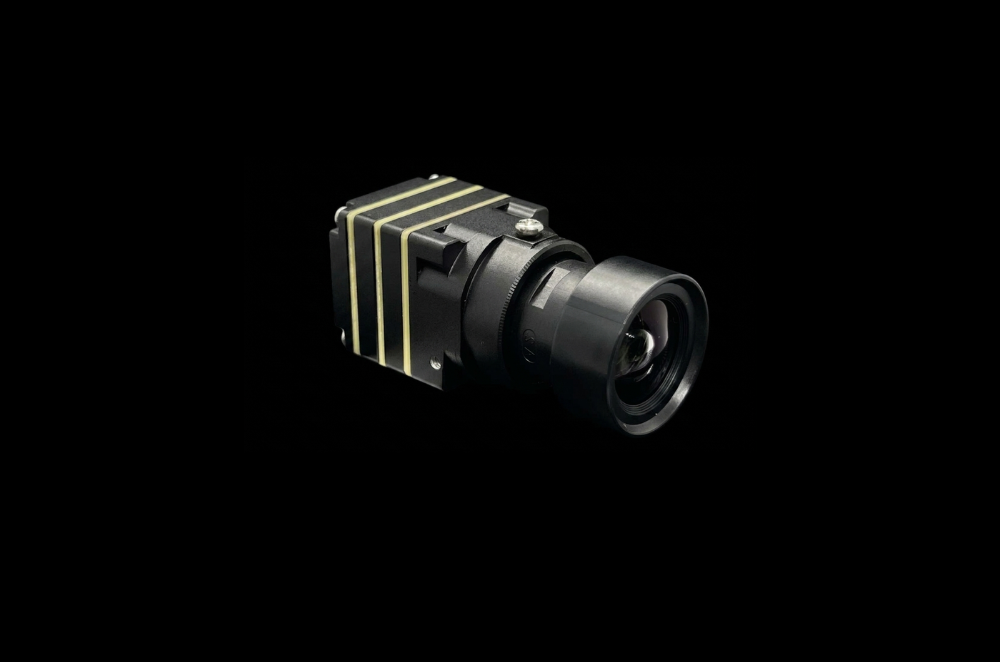
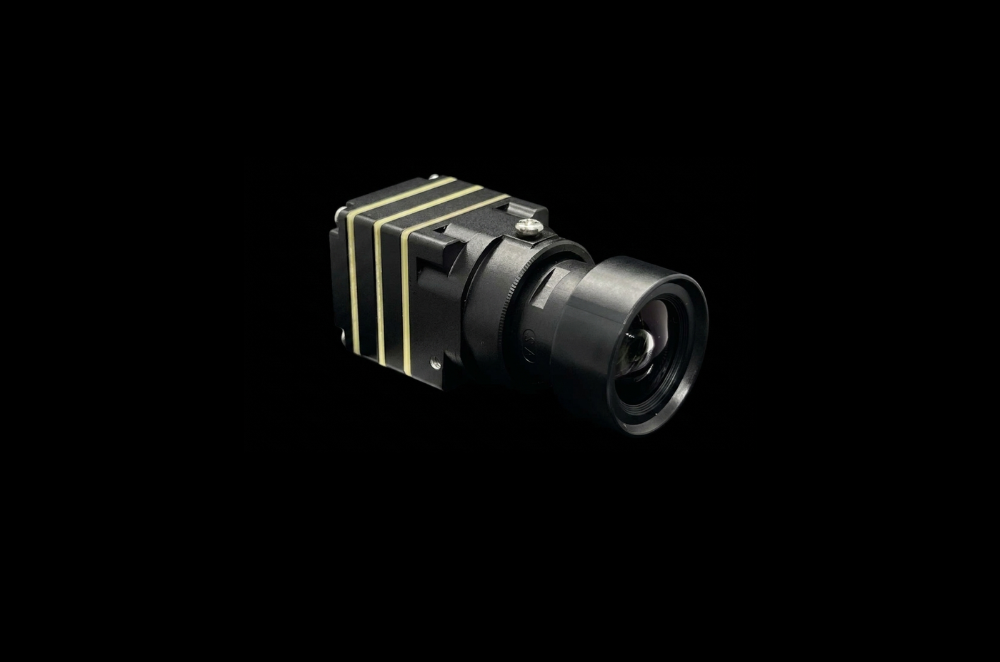
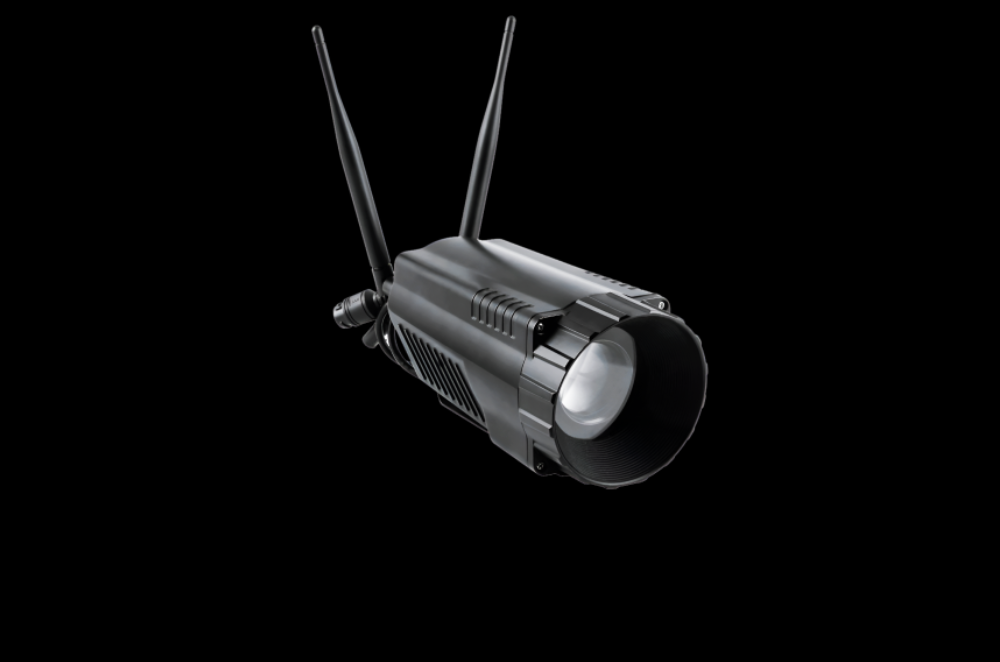
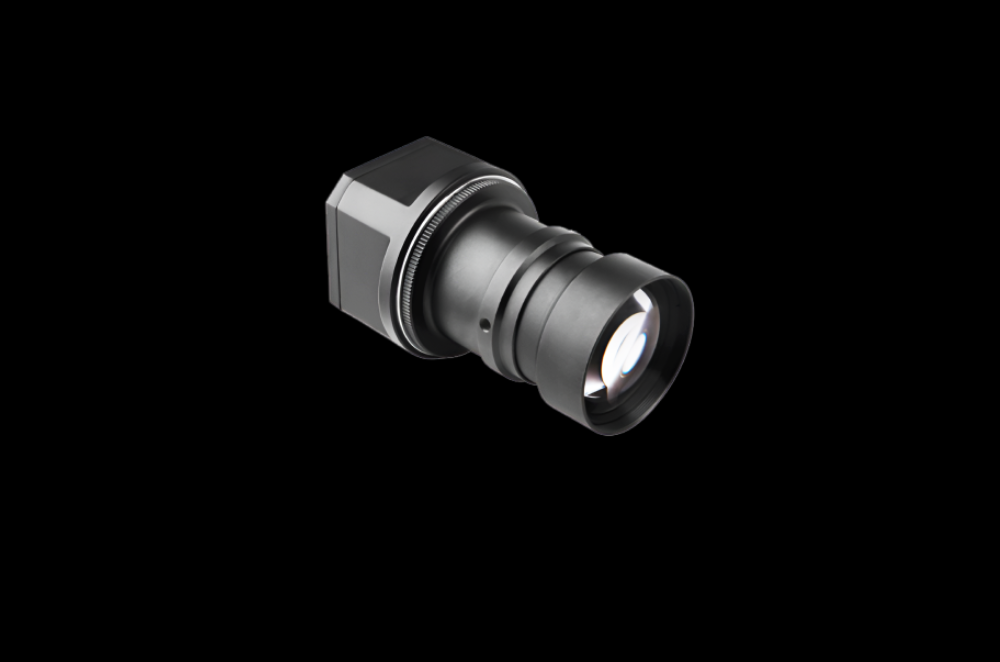
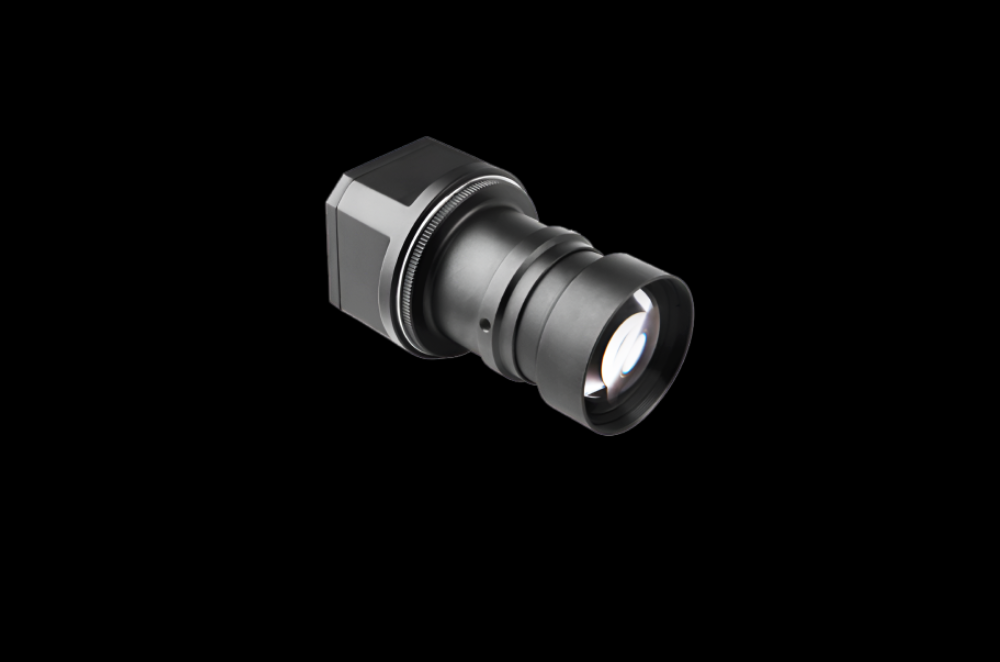
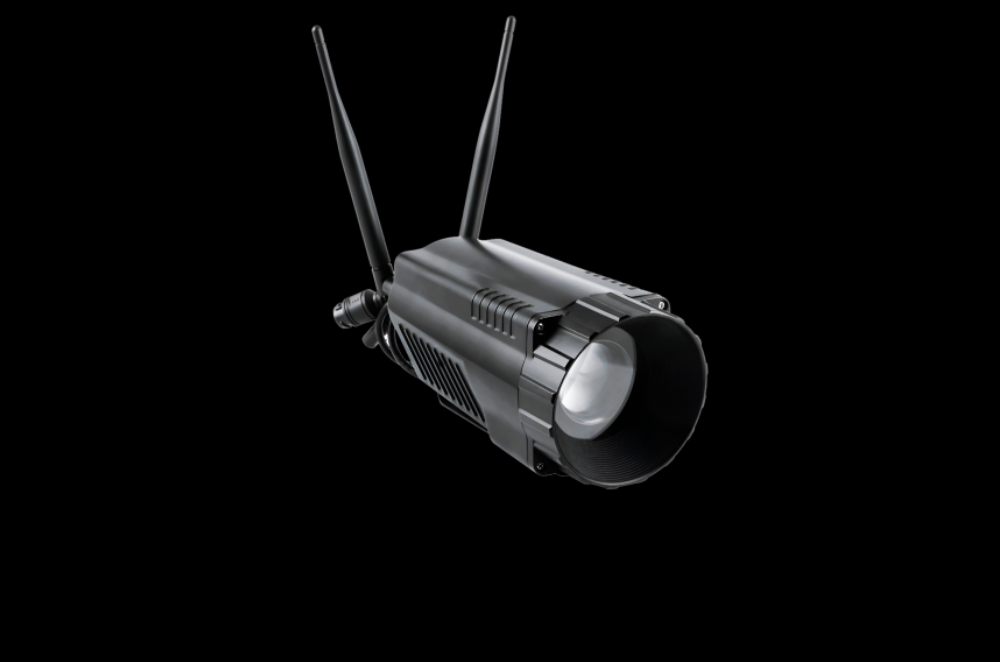
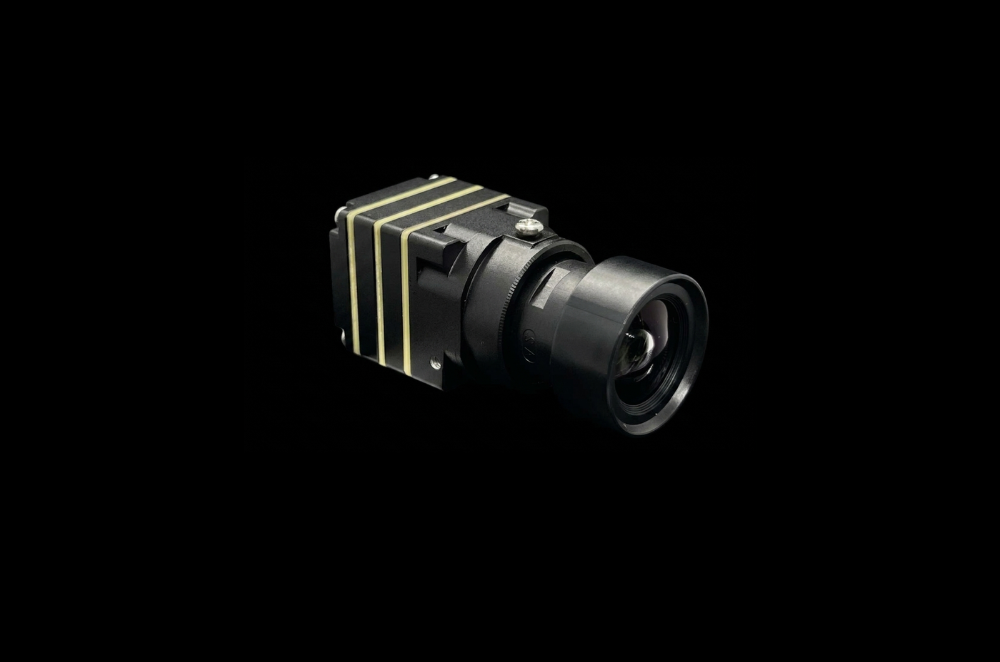
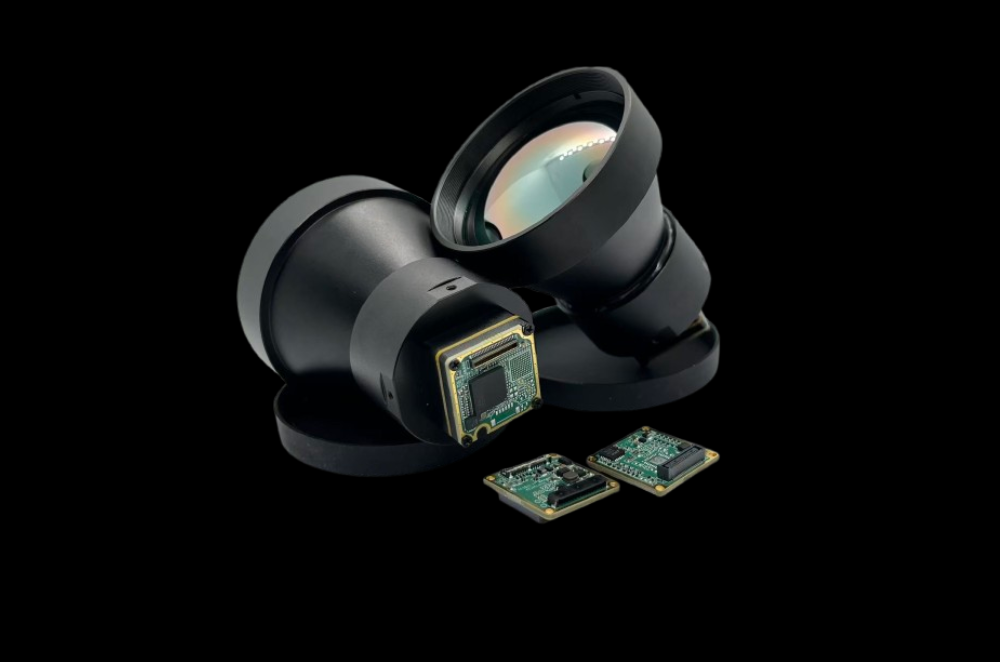
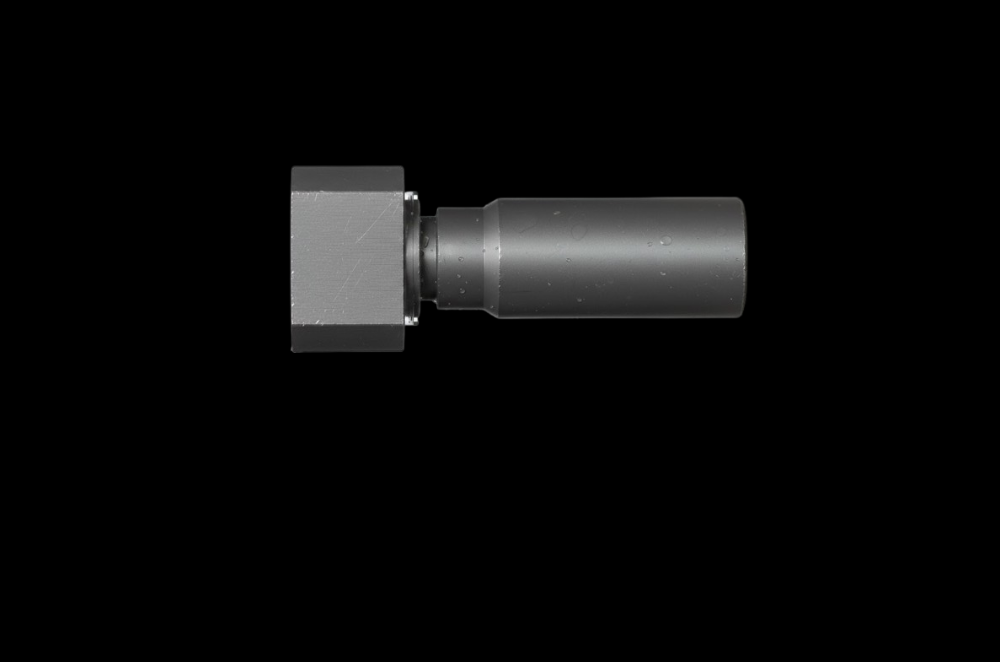
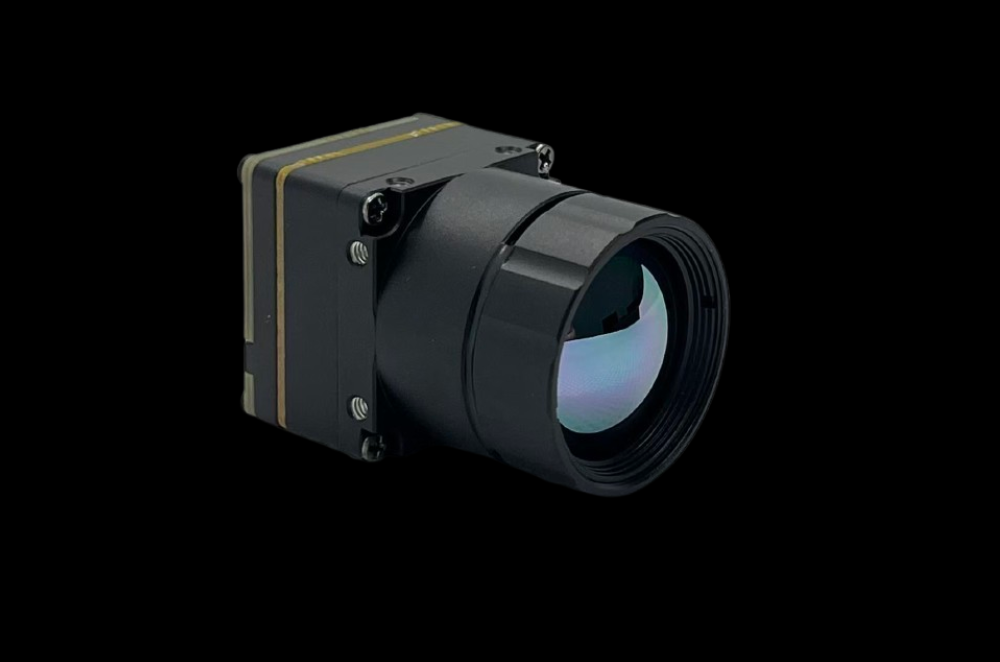
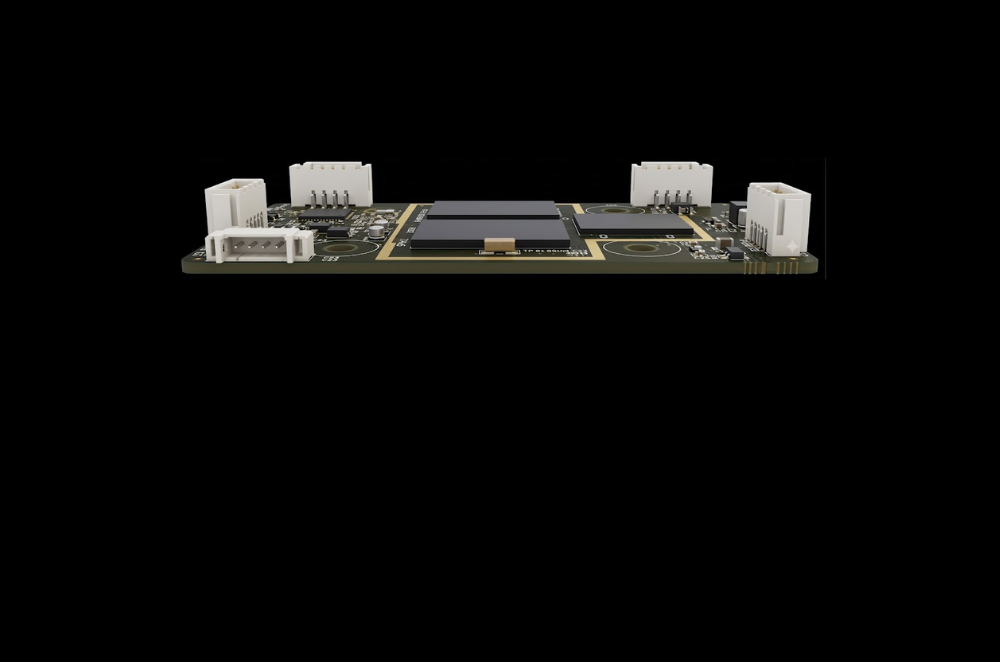
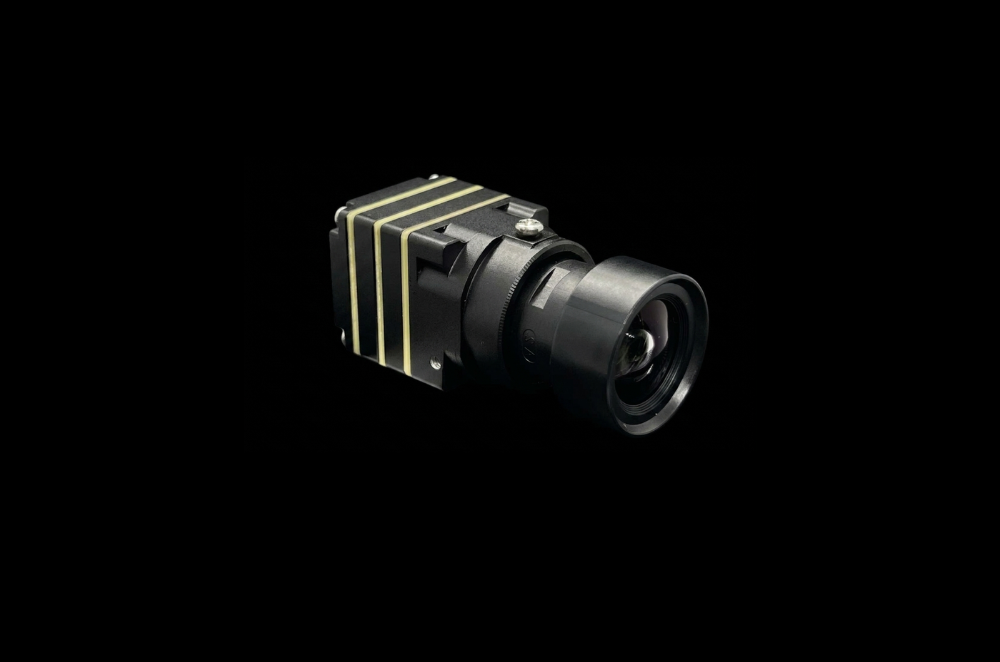
The XHM3016C delivers 1,760 meter starlight detection and a 50 degree field of view as a bare OEM module, built for gateway canopy retrofits and UGV forward vision integration.
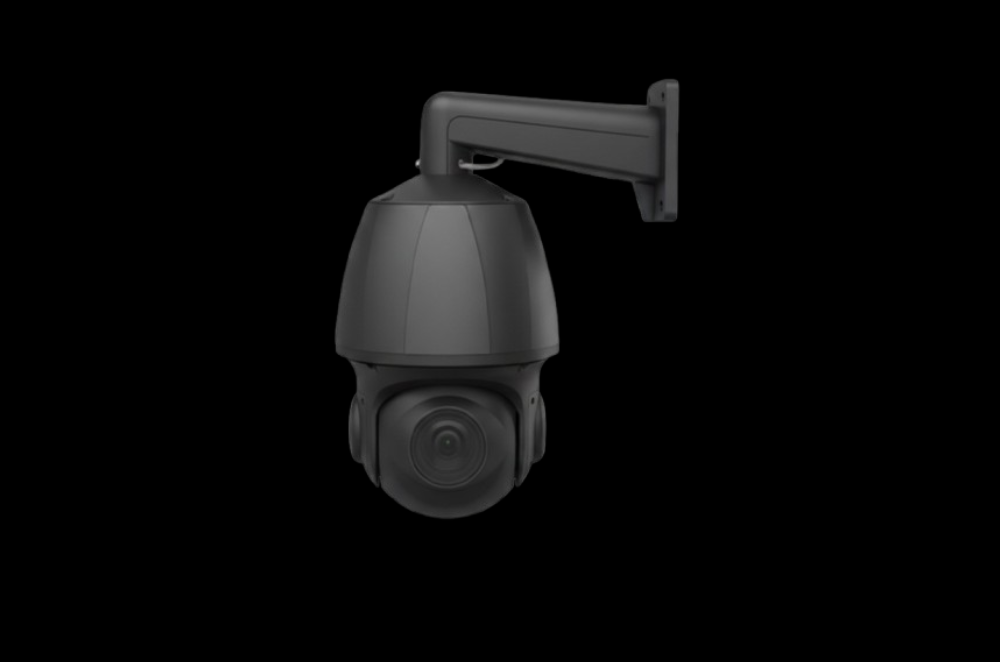
A perimeter gateway installer working through a checkpoint retrofit contract has a mechanical problem that no complete camera solves cleanly: the housing footprint approved for the gate canopy mount was fixed before the sensor was chosen, and a sealed camera body rarely matches that envelope without a fabrication change order. The XHM3016C sidesteps that friction entirely, delivering the XHC3016C's wide-arc 1,760 meter starlight coverage as a bare module that fits whatever enclosure the installer has already committed to.
Wide-Angle Coverage Without the Housing Constraint
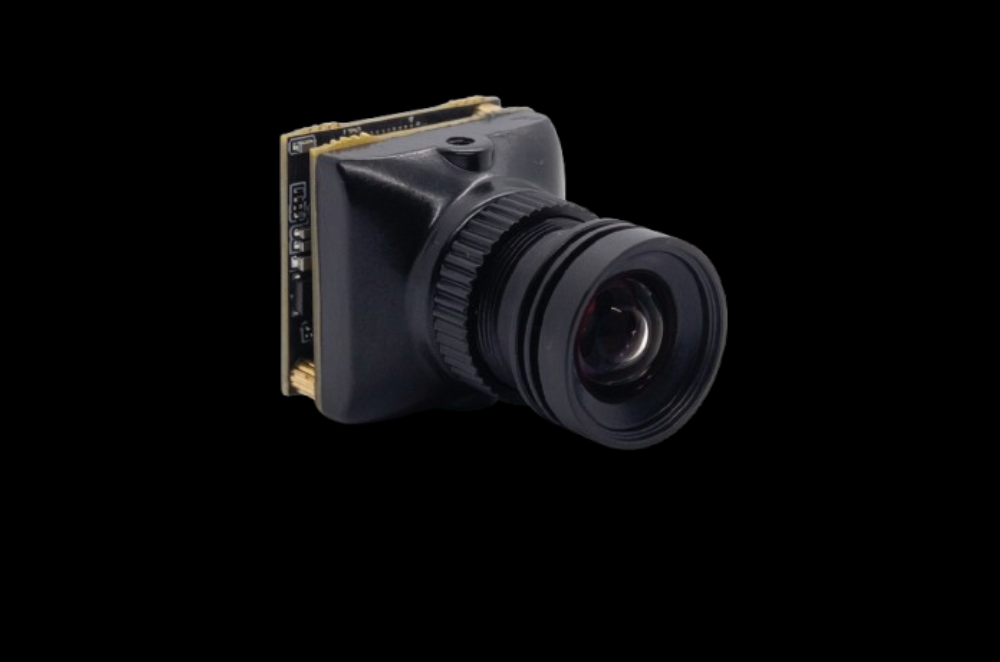
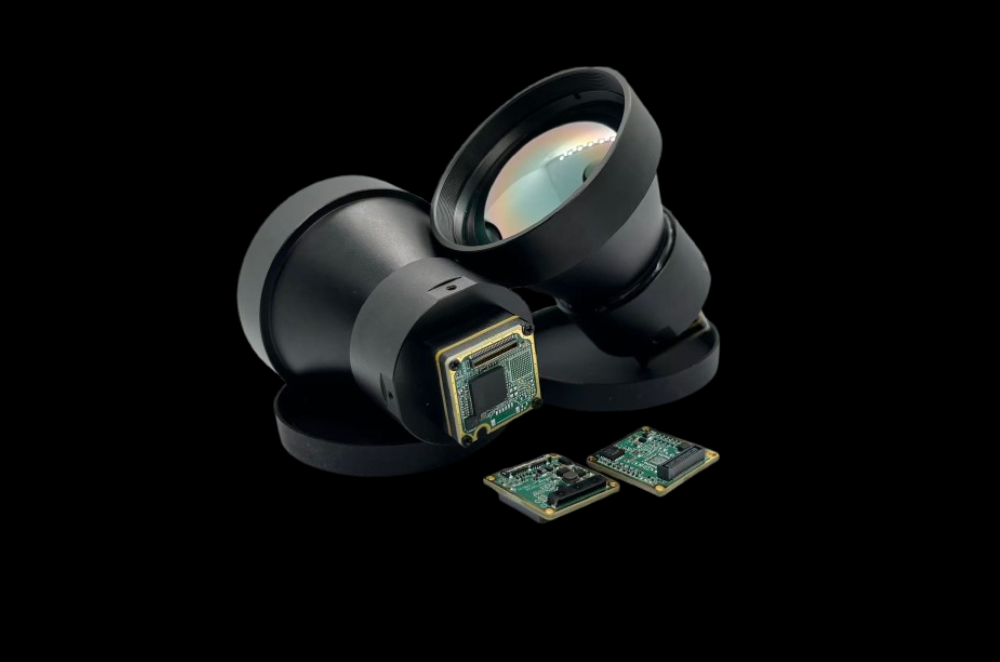
The module carries the same 16mm F1.2 lens and large-format starlight CMOS sensor as the camera variant, reaching roughly 1,760 meters detection and 275 meters identification with a 50 degree horizontal field of view. Supplied without an outer shell, the XHM3016C leaves mounting, sealing, and cable routing entirely to the integrator, which matters at gateway positions where canopy brackets, existing conduit runs, and site-specific weatherproofing were locked in before sensor procurement started.
Integration Into UGV and Gateway Platforms
Beyond fixed checkpoint canopies, the wide 50 degree field of view and manual/fixed focus mechanism make the XHM3016C a practical forward-facing sensor for unmanned ground vehicle noses and robot head assemblies, where a moving focus mechanism adds a failure point that a fixed-focus module avoids. Standard video output over ONVIF, RTSP, and PELCO connects directly to onboard compute and mission systems without specialised capture hardware, keeping the integration effort in line with the rest of the XHM3 module family.
Forward Outlook for Gateway Module Procurement
As checkpoint retrofit and UGV programmes continue to standardise on bare module procurement over complete camera purchasing, wide-arc medium-range cores like the XHM3016C are positioned to become the default recognition-layer component wherever the housing decision has already been made independently of the sensor choice.